Recipe Details
"Mastering knife skills is the single most important step in becoming a faster, safer, and more confident cook. This guide covers everything from the proper grip to perfecting uniform cuts that ensure even cooking."
Ingredients
| Qty | Item |
|---|---|
| Ingredient list coming soon. | |
How to Make The Ultimate Guide to Essential Knife Skills for Beginners
Step 1: Mastering the Pinch Grip
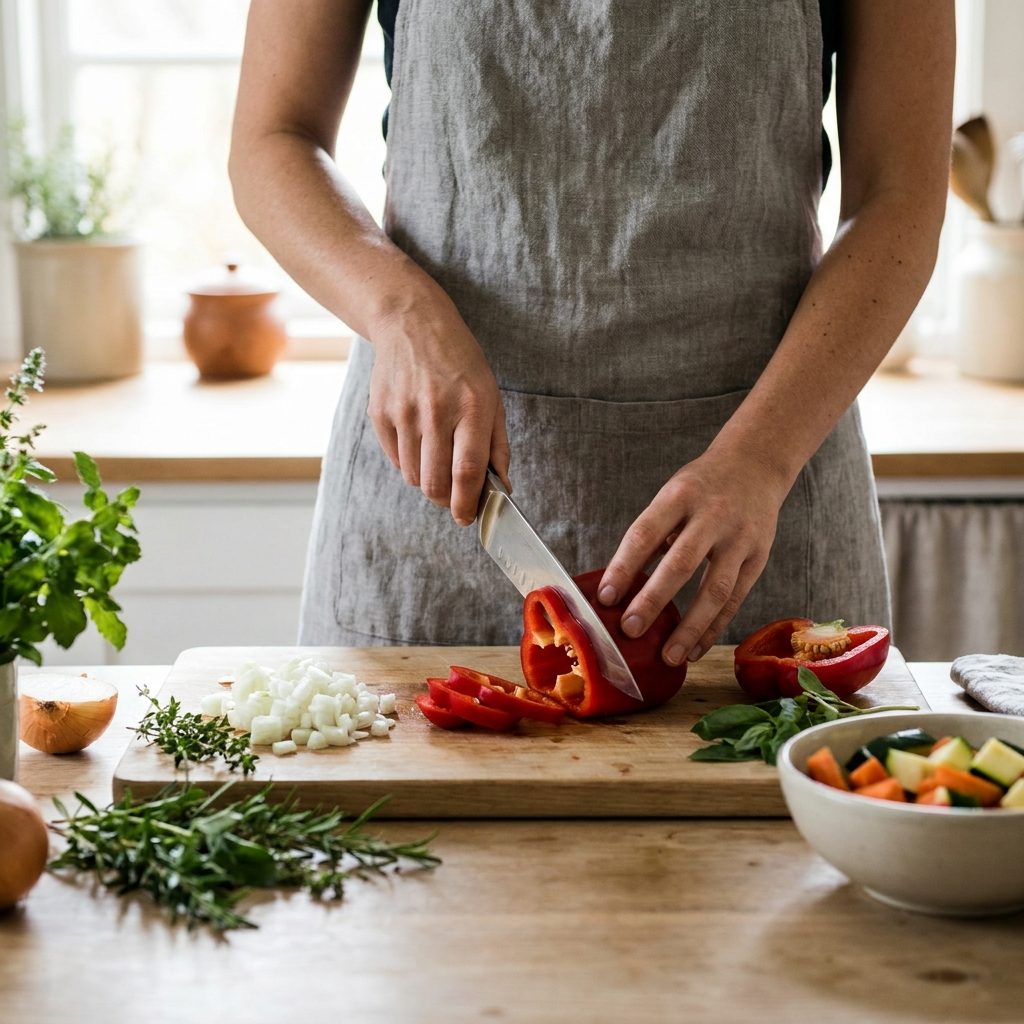
The foundation of good knife work starts with how you hold the tool. Instead of gripping the handle like a hammer, use the 'pinch grip.' Place your thumb and index finger on opposite sides of the blade just above the handle, where the metal meets the bolster. Wrap your remaining three fingers around the handle. This grip provides superior control and balance, allowing the knife to become an extension of your arm.
Step 2: The Guide Hand (The Claw)
Safety is paramount, and your non-cutting hand determines how safe you are. Form a 'claw' by tucking your fingertips inward toward your palm. Rest your knuckles against the side of the knife blade as a guide. This technique ensures that your fingertips are always tucked away from the sharp edge, while your knuckles act as a buffer to control the thickness of your slices.
Step 3: The Rocking Motion
For most vegetables, the rocking motion is the most efficient technique. Keep the tip of the knife in contact with the cutting board. Lift the handle and heel of the knife, then push forward and down through the ingredient. This rhythmic motion creates clean, precise cuts with minimal effort. Avoid 'chopping' or 'hacking' straight down, which can dull the blade and lead to uneven pieces.
Step 4: Executing Basic Cuts
Once you are comfortable with the grip and motion, practice three core cuts. The Julienne involves cutting vegetables into thin, matchstick-like strips. The Dice starts with julienne strips that are then turned 90 degrees and cut into uniform cubes. Finally, the Chiffonade is used for leafy greens and herbs; stack the leaves, roll them into a tight cigar shape, and slice crosswise into thin ribbons.
Step 5: Knife Maintenance and Safety
A dull knife is more dangerous than a sharp one because it requires more force and is more likely to slip. Always hand-wash your knives with warm, soapy water and dry them immediately. Never put high-quality knives in the dishwasher, as the heat and chemicals can damage the blade and handle. Use a honing rod regularly to keep the edge aligned between professional sharpenings.
Tips for Best Results
-
·
<ul><li>Stabilize your cutting board by placing a damp paper towel or a thin silicone mat underneath it to prevent slipping.</li><li>Let the weight of the knife do the work; if you find yourself pressing down hard, your knife likely needs sharpening.</li><li>Cut a small slice off round vegetables (like potatoes or onions) to create a flat, stable surface before you begin dicing.</li><li>Focus on consistency and technique first; speed will come naturally with practice.</li></ul>
Frequently Asked Questions
What is the best knife for a beginner to buy?
How often should I sharpen my kitchen knives?
Why is my knife slipping when I try to cut tomatoes?
Is it okay to use a glass cutting board?
What to Cook Next
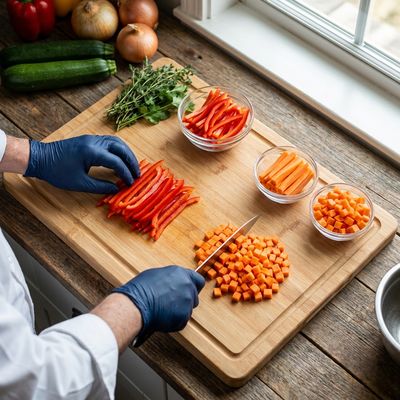
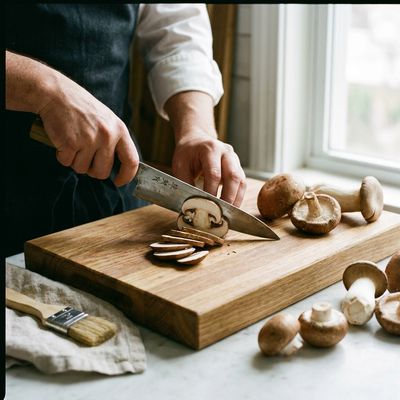
Next Recipe
How to Slice Mushrooms
Slicing mushrooms is a fundamental kitchen skill that ensures even cooking and professional presentation in your dishes. This guide walks you through the essential preparation and cutting techniques to handle any variety with confidence.
Similar Recipes to Try
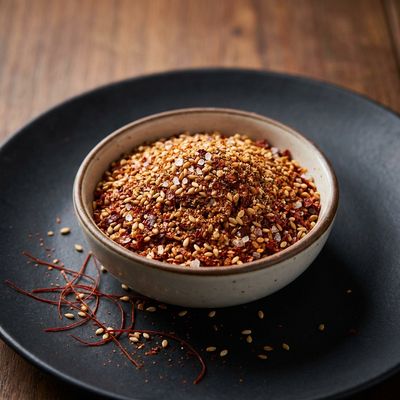
Homemade Gochugaru Chilli Seasoning
15 min
A Beginner's Guide to Cooking Oils and Smoke Points
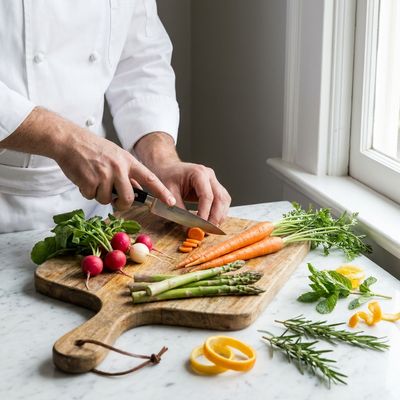
How to Trim Edges
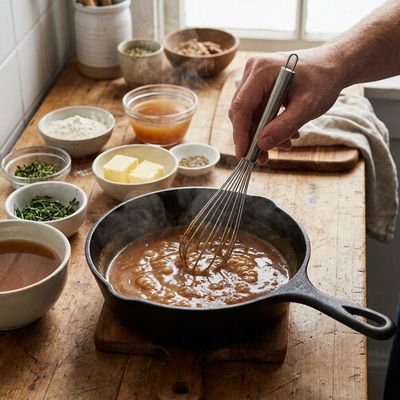
How To Make Gravy
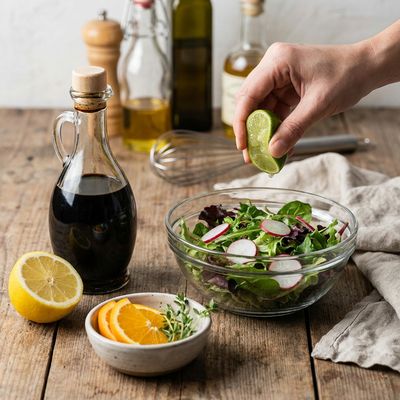
Why Acid is Essential in Cooking: How Vinegar and Citrus Balance Flavor
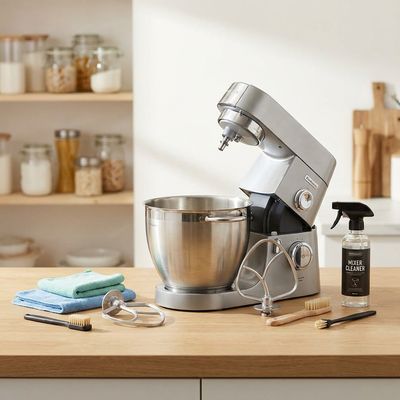
A Guide to Deep Cleaning Your Stand Mixer
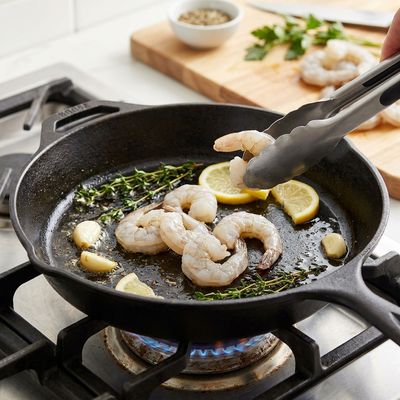
How To Cook Shrimp

How To Sharpen Kitchen Knives

How Smoke Points Affect Your Cooking: A Guide to Choosing the Right Oil
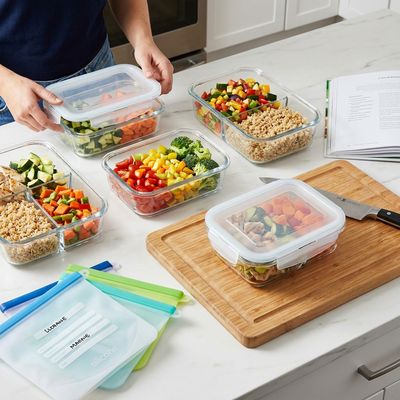
The Ultimate Guide to Meal Prepping for Beginners
Comments
(0)Sign in to leave a comment.
You Might Like
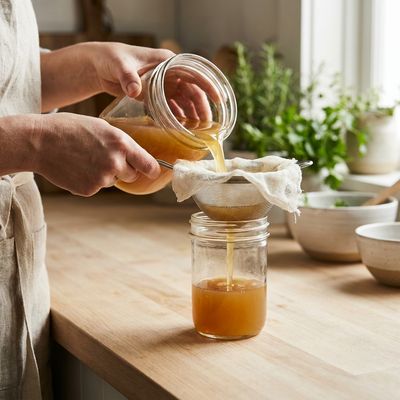
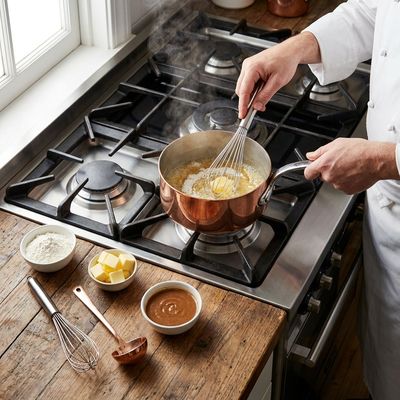
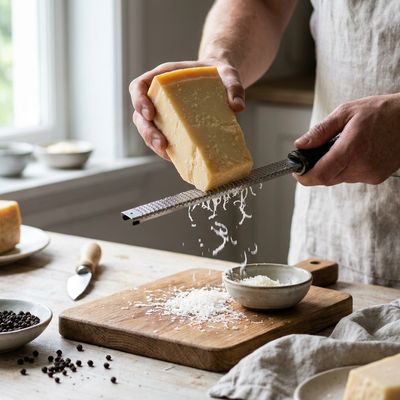
Ad Space Available
Be the first to leave a comment.