Recipe Details
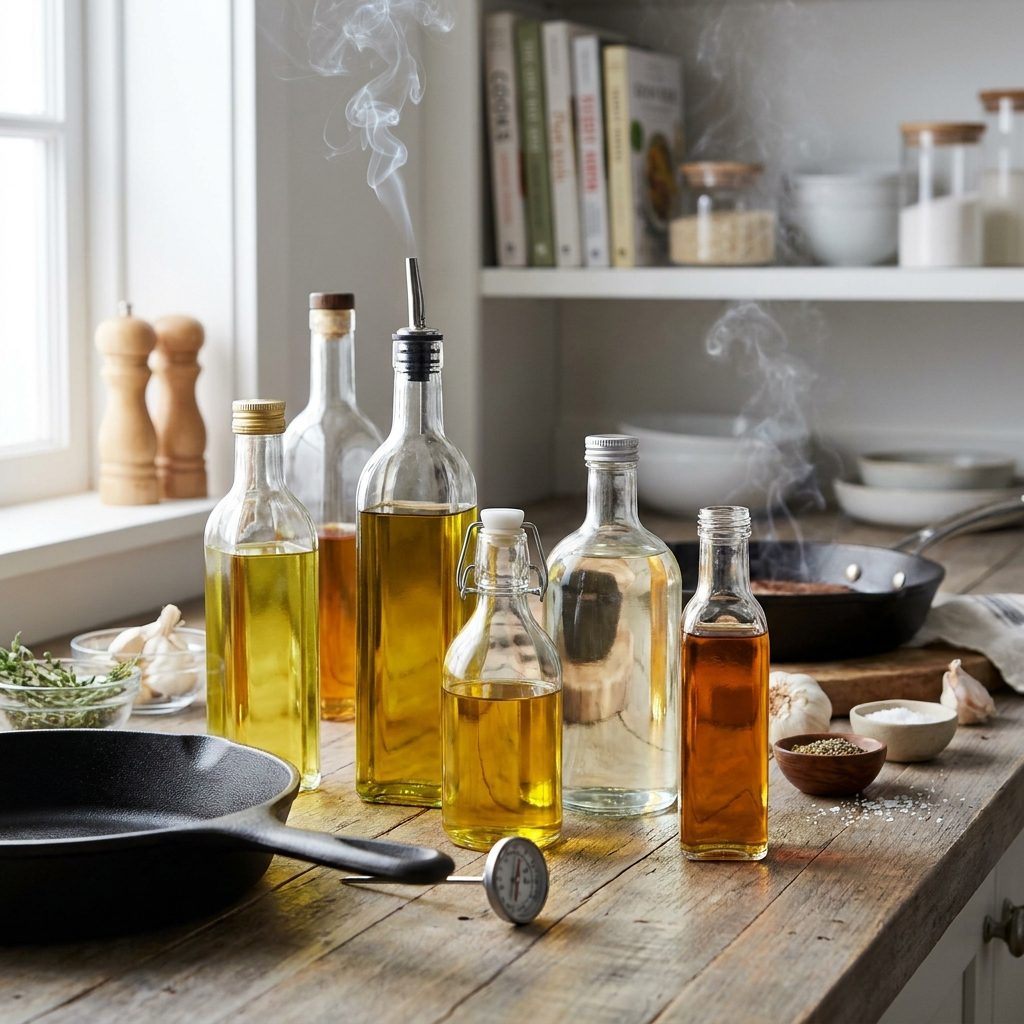
"Choosing the right cooking oil is more than just a matter of flavor; it is a critical safety and health decision. This guide explains what smoke points are and how to select the perfect oil for every cooking method, ensuring your food tastes great and your kitchen stays safe."
Ingredients
| Qty | Item |
|---|---|
| Ingredient list coming soon. | |
How to Make A Beginner's Guide to Cooking Oils and Smoke Points
Understanding the Smoke Point
The smoke point of an oil is the temperature at which it stops shimmering and starts to produce a steady stream of smoke. When oil reaches its smoke point, the fat begins to break down, releasing a substance called acrolein that gives food a burnt, bitter taste and can release harmful free radicals. To cook effectively, you must match the oil's smoke point to the heat of your cooking method.
Step 1: Identify Your Cooking Method
Before reaching for a bottle, determine how much heat you will be using. High-heat methods like searing, stir-frying, and deep-frying require temperatures between 400°F and 450°F. Medium-heat methods like sautéing and baking usually fall between 325°F and 375°F. Low-heat methods, such as making sauces or finishing a dish, stay below 300°F.
Step 2: Selecting the Right Oil for High Heat
For high-heat cooking, choose refined oils. The refining process removes impurities and free fatty acids, which raises the smoke point. Avocado oil (520°F), refined peanut oil (450°F), and safflower oil (510°F) are excellent choices for searing steaks or deep-frying. These oils have neutral flavors that won't interfere with the taste of your ingredients.
Step 3: Choosing Oils for Medium Heat and Sautéing
Medium-heat cooking allows for more flavorful oils. Extra virgin olive oil (EVOO) has a smoke point around 375°F to 405°F, making it suitable for most stovetop sautéing. Grapeseed oil and canola oil are also versatile options for everyday roasting and baking where temperatures don't exceed 400°F.
Step 4: Using Finishing Oils and Low-Heat Fats
Unrefined oils like toasted sesame oil, walnut oil, and high-quality flaxseed oil have very low smoke points and should never be used for frying. Instead, use these as 'finishing oils' to drizzle over a completed dish to add aroma and depth. Similarly, butter has a low smoke point (350°F) due to its milk solids; if you want to cook with butter at higher temperatures, consider using ghee (clarified butter), which can handle up to 485°F.
Tips for Best Results
-
·
<html><ul><li>Always store your oils in a cool, dark place to prevent oxidation and rancidity.</li><li>If your oil starts to smoke in the pan, remove it from the heat immediately, discard the oil carefully, and wipe the pan clean before starting over.</li><li>Refined oils generally have a longer shelf life and a more neutral flavor than unrefined or 'cold-pressed' oils.</li><li>Avoid mixing different types of oils with different smoke points for deep frying, as the mixture will only be as stable as the oil with the lowest smoke point.</li></ul></html>
Frequently Asked Questions
Can I use extra virgin olive oil for frying?
What happens if my oil reaches its smoke point?
Which oil has the highest smoke point?
Does the age of the oil affect its smoke point?
What to Cook Next
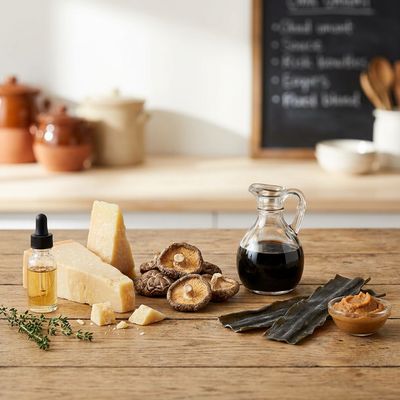

Next Recipe
How to Shred Cheddar Cheese
Shredding your own cheddar cheese at home is a simple task that significantly improves the quality of your cooking. By avoiding the anti-caking agents found in pre-shredded bags, you achieve a smoother melt and bolder flavor in every dish.
Similar Recipes to Try
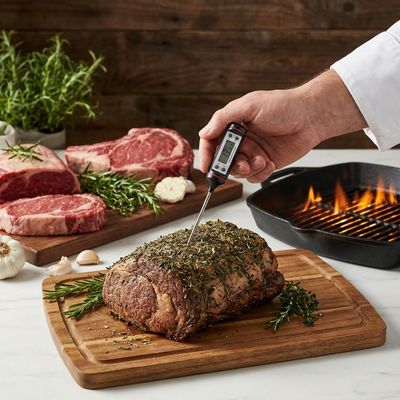
Internal Meat Temperature Guide: How to Tell When Food is Done
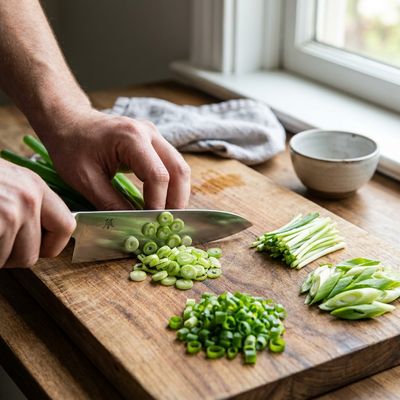
How to Slice Scallions

How to Trim Edges

How to Shred Chicken

How to Strain Broth
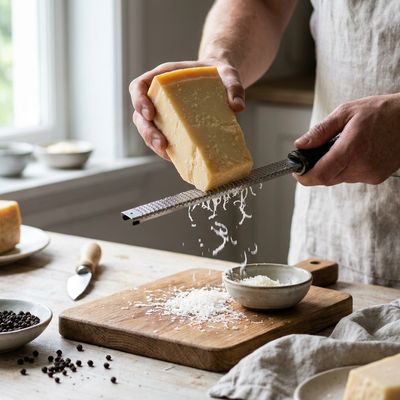
How to Grate Parmesan Cheese
How To Cook Quinoa
How to Steam White Rice
How to Choose the Best Dutch Oven for Your Cooking Style
How to Safely Thaw Frozen Meat and Poultry
Comments
(0)Sign in to leave a comment.

Ad Space Available
Be the first to leave a comment.