Recipe Details
"Choosing the right fat is about more than just flavor; it is a matter of chemistry. This guide explains the science of smoke points to help you achieve better textures and safer results in your kitchen."
Ingredients
| Qty | Item |
|---|---|
| Ingredient list coming soon. | |
How to Make How Smoke Points Affect Your Cooking: A Guide to Choosing the Right Oil
What is a Smoke Point?
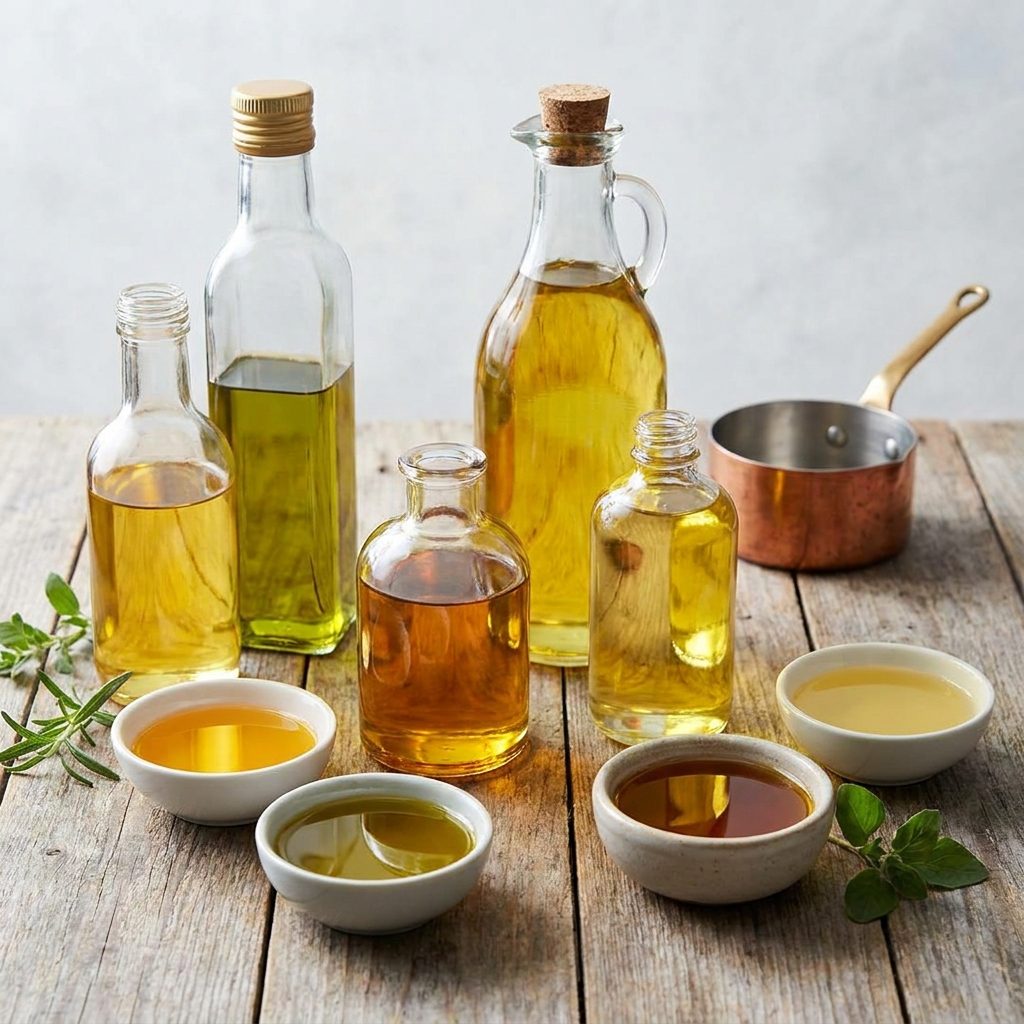
The smoke point of an oil or fat is the temperature at which it stops shimmering and starts to produce a continuous bluish smoke. At this point, the fat begins to break down on a molecular level, a process known as 'denaturation.' This isn't just a kitchen nuisance; it signifies that the oil is undergoing chemical changes that affect the flavor, nutritional value, and safety of your food.
The Chemistry of Breakdown
When an oil reaches its smoke point, the triglycerides break apart into glycerol and free fatty acids. The glycerol further breaks down into acrolein, a chemical that creates an acrid, bitter smell and can irritate your eyes and throat. Beyond the bad taste, this process releases free radicals and polar compounds that can be harmful if consumed regularly. This is why a 'burnt' oil taste can ruin an entire dish, even if the food itself isn't charred.
Refined vs. Unrefined Oils
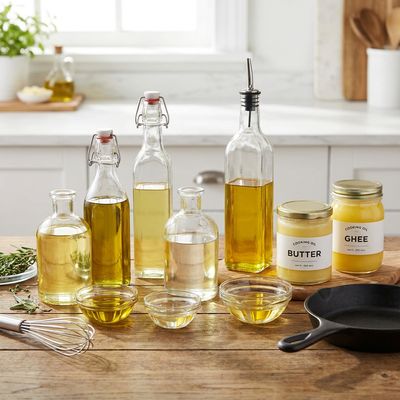
The biggest factor influencing a smoke point is the level of refinement. Unrefined oils, like extra virgin olive oil or toasted sesame oil, contain minerals, enzymes, and other compounds that have not been filtered out. While these provide great flavor, they also burn at lower temperatures. Refined oils (like 'light' olive oil, vegetable oil, or avocado oil) undergo processing to remove these impurities, resulting in a higher smoke point and a more neutral flavor profile suitable for high-heat tasks.
Choosing the Right Oil for Every Method
For high-heat cooking like searing a steak or deep-frying, you need an oil with a smoke point above 400°F (204°C). Avocado oil (520°F) and peanut oil (450°F) are gold standards here. For medium-heat sautéing, canola or grapeseed oils work well. Save your expensive, unrefined finishing oils for salad dressings, drizzling over soups, or dipping bread, where their complex flavors can shine without being destroyed by heat.
Tips for Best Results
-
·
<ul><li>Store your oils in a cool, dark place to prevent oxidation, which can prematurely lower an oil's smoke point.</li><li>Never mix oils with different smoke points for high-heat frying; the mixture will only be as stable as the oil with the lowest smoke point.</li><li>Look for 'shimmering' oil in the pan—this is the sweet spot just before the smoke point where the oil is hot enough to prevent food from sticking.</li><li>If your oil begins to smoke heavily, it's best to discard it, wipe the pan, and start over to avoid a bitter, acrid flavor in your meal.</li></ul>
Frequently Asked Questions
What happens if I cook past the smoke point?
Is Extra Virgin Olive Oil safe for sautéing?
Which oil has the highest smoke point?
Why does my oil smell fishy or soapy when it gets hot?
What to Cook Next
How Caramelization Works: The Science of Cooking Sugar for Flavor and Color
The Ultimate Guide to Choosing the Right Kitchen Knife Set
A Guide to Choosing the Best Cuts of Beef for Every Cooking Method
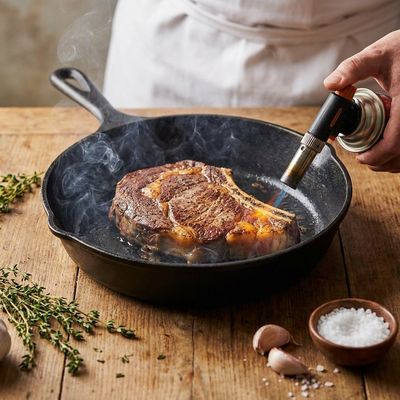
The Science of the Maillard Reaction: How to Get Perfect Searing and Browning
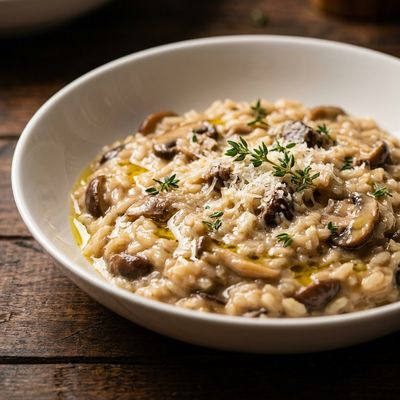
Creamy Mushroom Risotto with Truffle Oil
45 min
Next Recipe
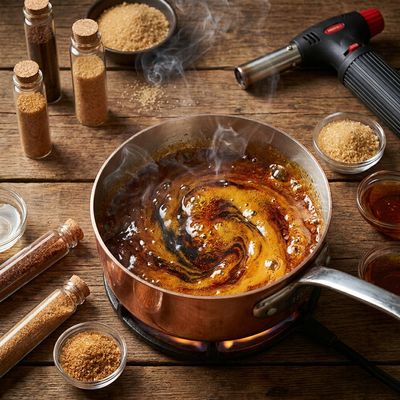
How Caramelization Works: The Science of Cooking Sugar for Flavor and Color
Caramelization is one of the most transformative processes in the kitchen, turning simple, sweet sugar into a complex array of nutty, bitter, and savory flavors. By understanding the chemistry behind the heat, you can master everything from golden pralines to deep, savory sautéed onions.
Similar Recipes to Try
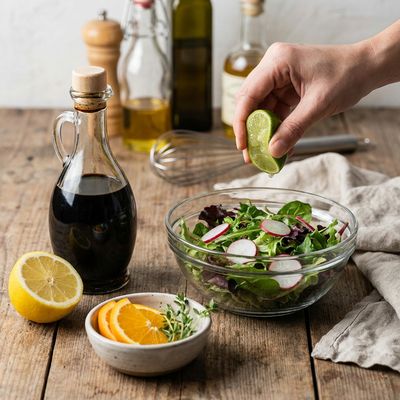
Why Acid is Essential in Cooking: How Vinegar and Citrus Balance Flavor
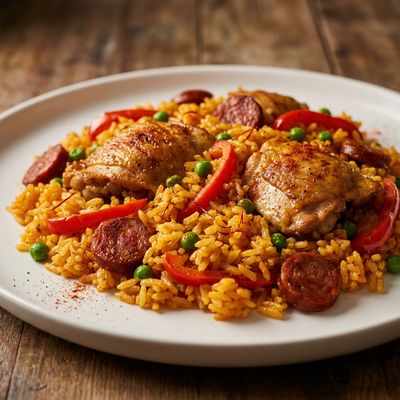
Spanish Chicken and Chorizo Paella
55 min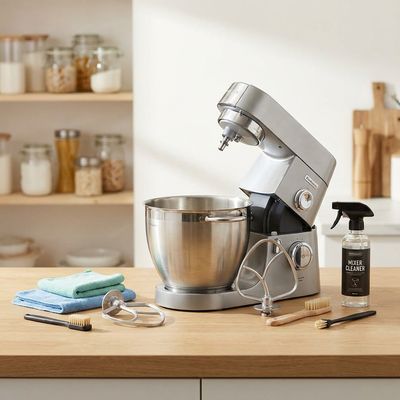
A Guide to Deep Cleaning Your Stand Mixer
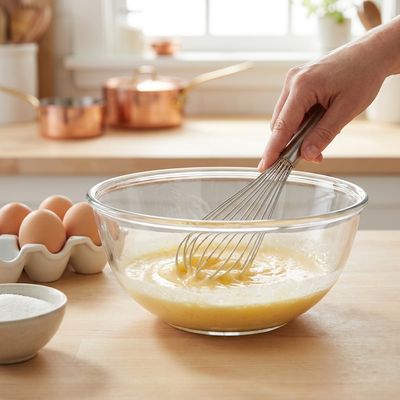
How to Whisk Egg Yolks
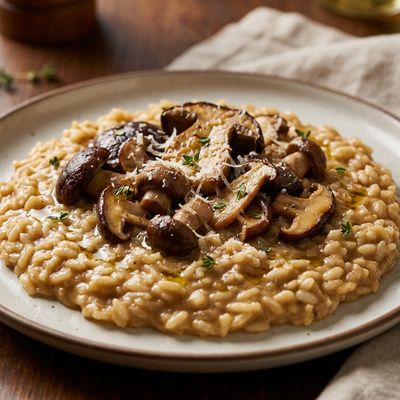
Wild Mushroom Risotto with Truffle Oil
50 min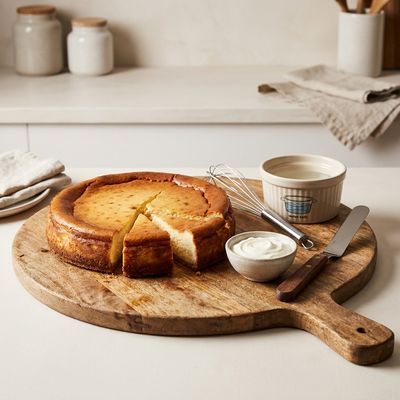
Why Did My Cheesecake Crack? Prevention and Fixes
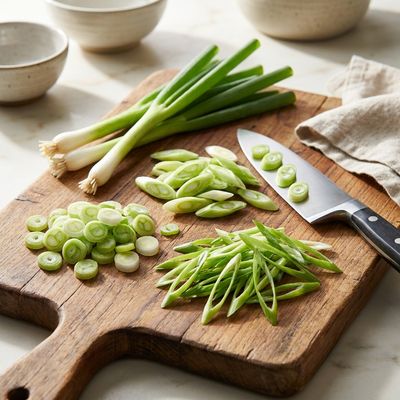
How to Slice Green Onions
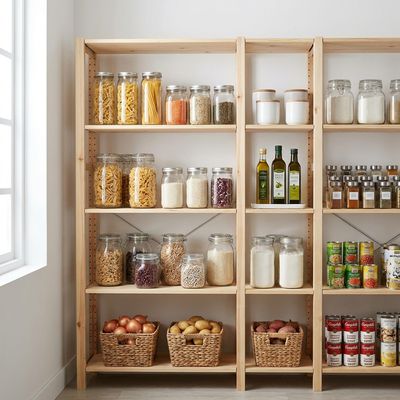
How to Stock a Basic Pantry: Must-Have Ingredients for New Cooks
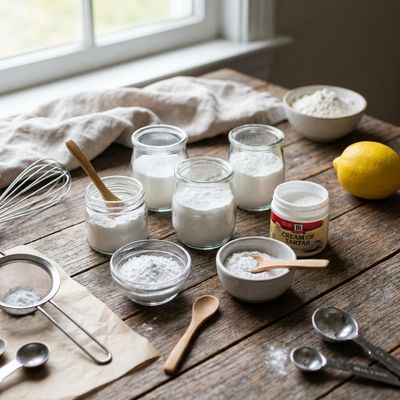
Emergency Baking Swaps: What to Use When You Are Out of Baking Powder or Soda
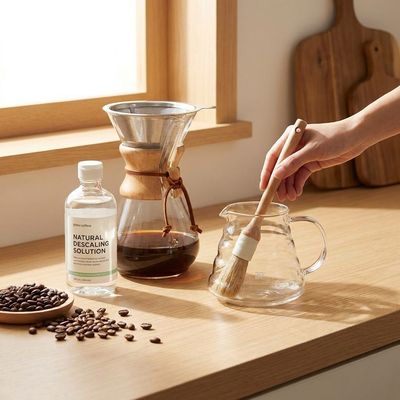
How to Descale Your Coffee Maker for Better Tasting Coffee
Comments
(0)Sign in to leave a comment.
You Might Like
Ad Space Available
Be the first to leave a comment.