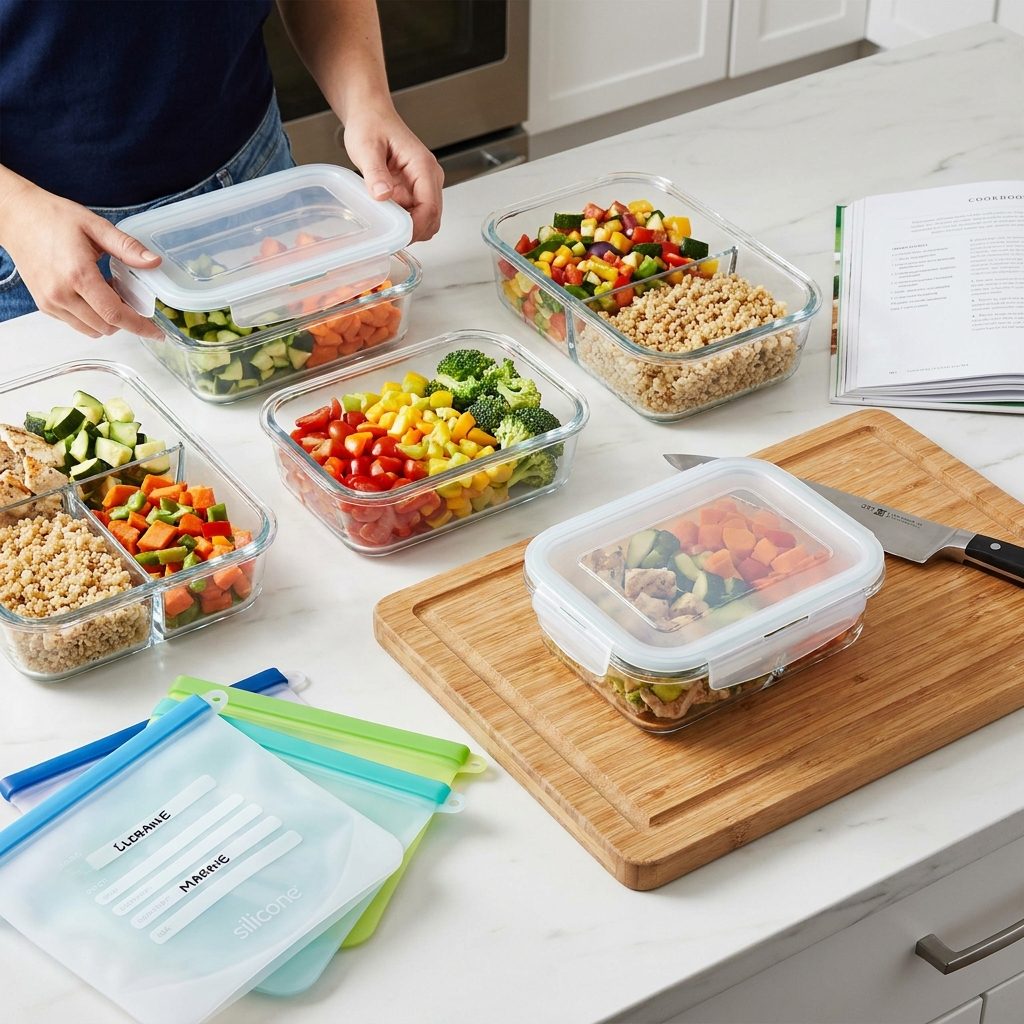
Recipe Details
"Transitioning to a meal prep routine can feel overwhelming, but it is the most effective way to save time, reduce food waste, and maintain a healthy lifestyle. This guide breaks down the essential skills and processes needed to transform your kitchen habits and master the art of the weekly prep."
Ingredients
| Qty | Item |
|---|---|
| Ingredient list coming soon. | |
How to Make The Ultimate Guide to Meal Prepping for Beginners
Choose Your Preparation Method
Before you pick up a knife, decide which style of meal prepping fits your lifestyle. 'Batch Cooking' involves making large quantities of one specific recipe (like a big pot of chili) to freeze or eat throughout the week. 'Buffet Prep' involves preparing individual components—such as roasted sweet potatoes, grilled chicken, and washed greens—that can be mixed and matched. Beginners often find Buffet Prep most flexible as it prevents 'meal boredom' by allowing for different flavor combinations each day.
Plan Your Menu and Shop Smart
Start small by planning just 3 days of meals rather than a full week. Choose recipes that share common ingredients to streamline your shopping list and reduce waste. For example, if you buy a large bag of spinach, plan to use it in a morning smoothie, a lunch wrap, and a dinner sauté. Always check your pantry before heading to the store to avoid buying duplicates of staples you already own.
The Power Hour: Execution
Efficiency is the secret to successful prepping. Start with the items that take the longest to cook, such as grains (rice or quinoa) and roasted vegetables. While those are in the oven or on the stove, move to 'active' prep: washing produce, chopping raw vegetables, and portioning proteins. Use a 'clean-as-you-go' approach to prevent a mountain of dishes from accumulating at the end of your session.
Storage and Portioning
Once your food is cooked, let it cool slightly before sealing it in containers to prevent steam from making the food soggy. If you are prepping full meals, portion them into individual containers immediately to make 'grab-and-go' mornings effortless. Label your containers with the date and the contents so nothing gets lost in the back of the refrigerator.
Tips for Best Results
-
·
<html><ul><li>Start with one meal type: Don't try to prep breakfast, lunch, and dinner all at once. Start with just lunches.</li><li>Invest in glass containers: They are microwave-safe, don't stain, and last longer than plastic.</li><li>Keep a well-stocked pantry: Having spices, oils, and grains on hand makes last-minute prepping much easier.</li><li>Don't forget the sauces: A simple tahini dressing or pesto can completely change the flavor profile of prepped components.</li><li>Use frozen vegetables: They are pre-chopped and just as nutritious as fresh, saving you significant prep time.</li></ul></html>
Frequently Asked Questions
How long does meal-prepped food stay fresh?
Can I freeze my prepped meals?
How do I prevent my food from getting soggy?
Do I have to spend my whole Sunday prepping?
What to Cook Next
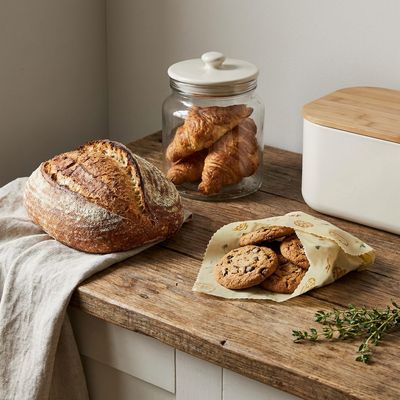
The Best Way to Store Different Types of Baked Goods
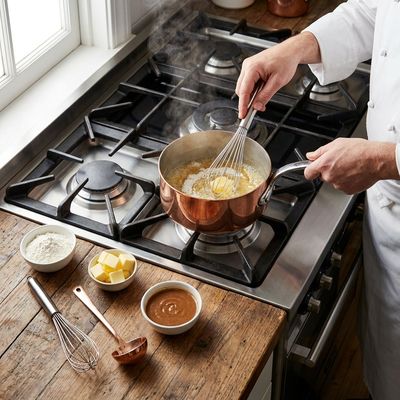
How to Make a Roux: The Essential Guide to Thickening Sauces
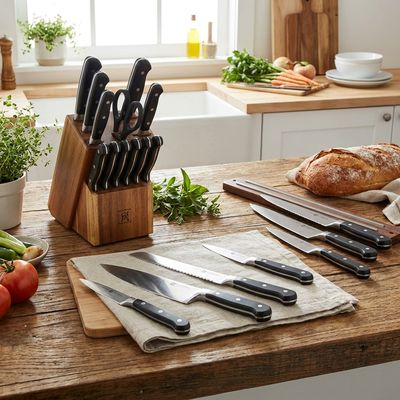
The Ultimate Guide to Choosing the Right Kitchen Knife Set
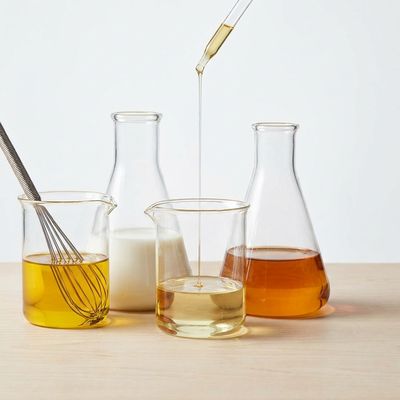
Why Do Sauces Break? A Guide to Mastering Emulsification in the Kitchen
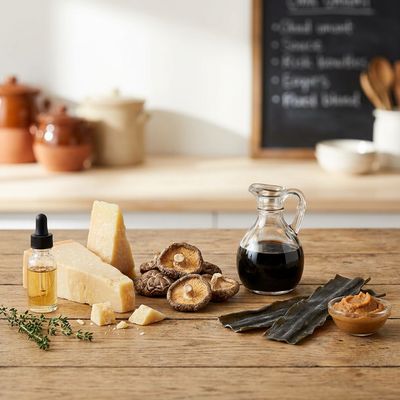
A Guide to Umami: How to Use Savory Flavors to Improve Your Cooking
Next Recipe
The Best Way to Store Different Types of Baked Goods
Improper storage can turn a masterpiece into a stale or soggy mess within hours. This guide explains the science of moisture migration and provides a definitive fix for every category of baked good to ensure bakery-quality freshness.
Similar Recipes to Try
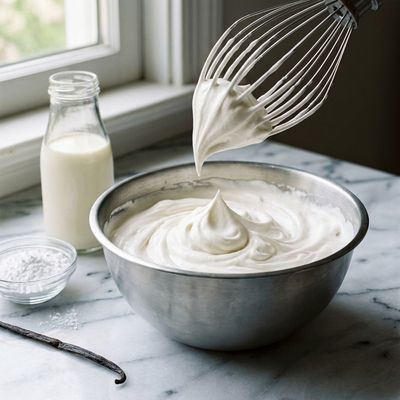
How To Make Whipped Cream
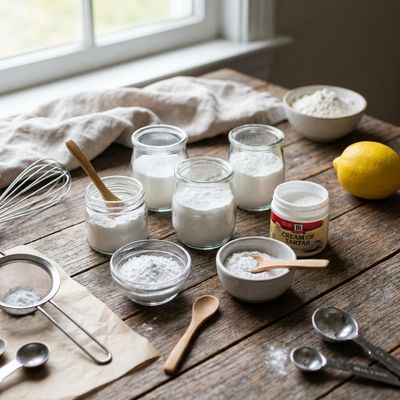
Emergency Baking Swaps: What to Use When You Are Out of Baking Powder or Soda
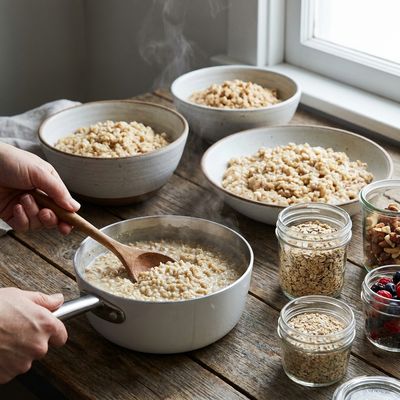
How To Make Oatmeal
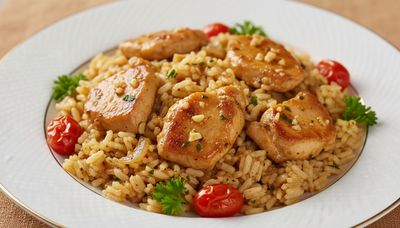
Chicken And Rice Skillet
45 min
Turkey Meatloaf
75 min
Slow Cooked Meatloaf
380 min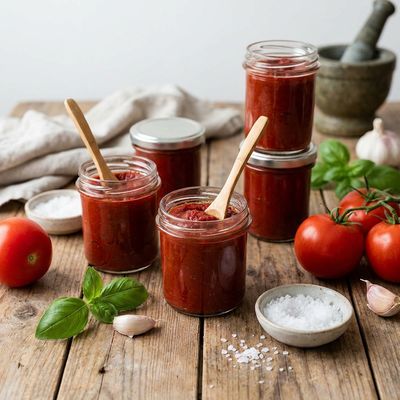
Tomato Paste: Uses, Substitutes, and How to Store It
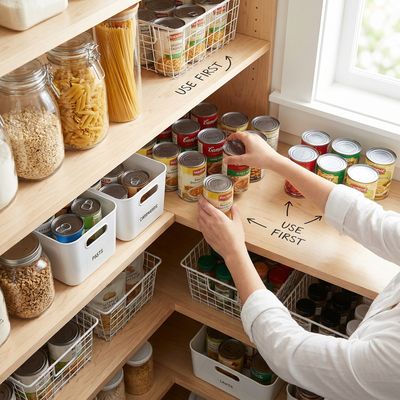
Why You Should Use the FIFO Method for Pantry Organization
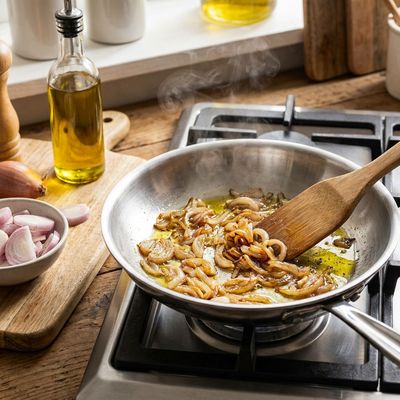
How to Saute Shallots
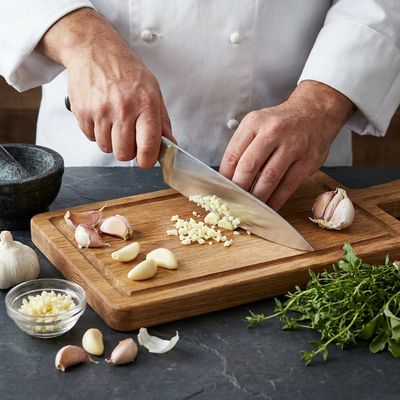
How to Mince Garlic
Comments
(0)Sign in to leave a comment.
You Might Like
Ad Space Available
Be the first to leave a comment.