Recipe Details
"A roux is a fundamental cooking technique used to thicken sauces and soups by combining fat and flour. This guide provides step-by-step instructions for achieving the perfect consistency and flavor for any culinary application."
Ingredients
| Qty | Item |
|---|---|
| Ingredient list coming soon. | |
How to Make How to Make a Roux: The Essential Guide to Thickening Sauces
The Foundation: Fat and Flour Ratios
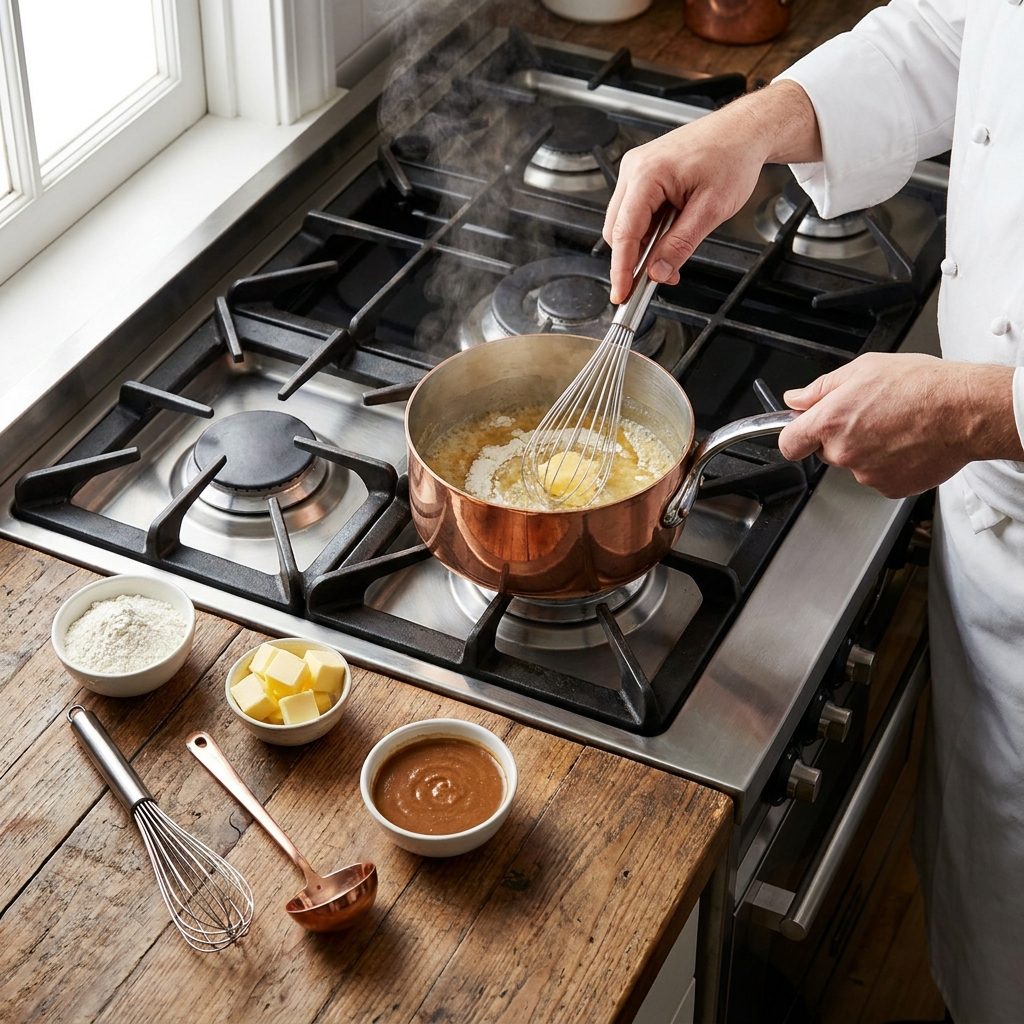
To begin a successful roux, you need equal parts fat and all-purpose flour by weight. While butter is the most common fat choice for its flavor, you can also use oil, lard, or drippings. Melt the fat over medium-low heat in a heavy-bottomed saucepan until it is liquid and shimmering.
The Mixing Phase
Once the fat is melted, sprinkle in the flour all at once. Immediately begin whisking the mixture to combine the two ingredients into a smooth, thick paste. This initial stage is crucial for ensuring there are no dry pockets of flour which could lead to lumps later in the cooking process.
Cooking to the Desired Stage
Continue cooking the mixture over medium-low heat, whisking constantly. For a White Roux, cook for 2-3 minutes until the raw flour smell is gone but no color has developed. For a Blond Roux, cook for 5-8 minutes until it turns a light golden color with a nutty aroma. For a Brown or Dark Roux, continue for 15-30 minutes until it reaches a deep chocolate hue, being careful not to let it burn.
Adding the Liquid
The secret to a lump-free sauce is temperature contrast. Slowly stream in your cold or room-temperature liquid (like milk or stock) into the hot roux while whisking vigorously. Continue to cook and whisk until the sauce reaches a simmer; the roux will achieve its full thickening power only once the liquid comes to a boil.
Tips for Best Results
-
·
<html><ul><li>Use a heavy-bottomed pan to prevent hot spots and ensure even browning of the flour.</li><li>Whisk constantly, especially when making darker roux, as the flour can burn quickly if left stationary.</li><li>Follow the temperature rule: Add cold liquid to a hot roux, or allow the roux to cool before adding hot liquid.</li><li>Note that the darker the roux becomes, the less thickening power it has, meaning you will need more for a dark gumbo than a white béchamel.</li></ul></html>
Frequently Asked Questions
Why is my roux lumpy?
Can I make a roux with gluten-free flour?
How long can I store leftover roux?
What is the best fat to use for a dark roux?
What to Cook Next

Next Recipe
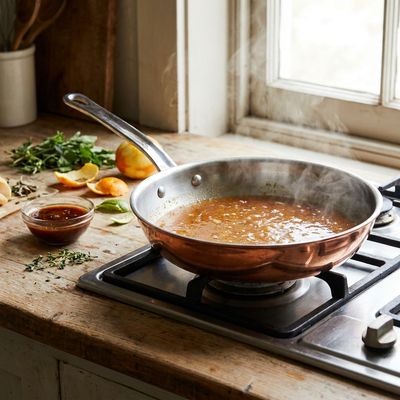
A Complete Guide to Reducing Liquids for Intense Flavor
Reduction is one of the most fundamental skills in professional cooking, transforming thin liquids into velvety, flavorful masterpieces. This guide explores the science and technique of simmering off water to concentrate flavor and body in your dishes.
Similar Recipes to Try
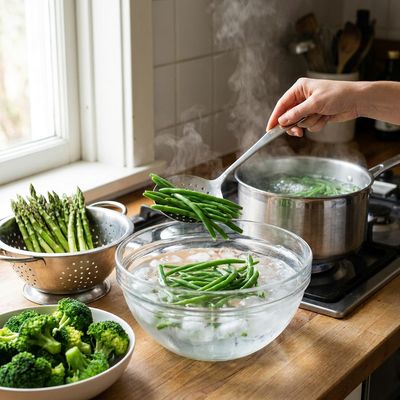
How to Blanch and Shock Vegetables to Keep Them Crisp and Green
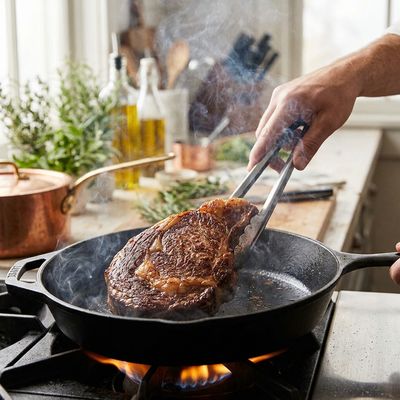
How to Sear Beef
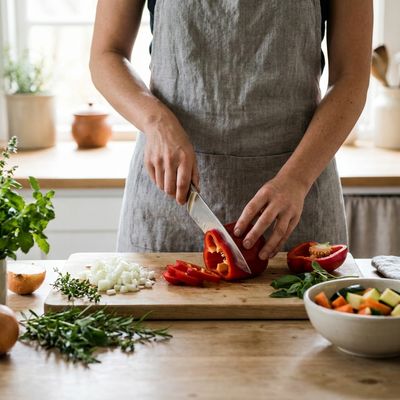
The Ultimate Guide to Essential Knife Skills for Beginners
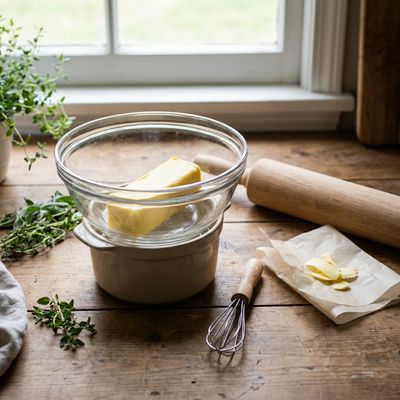
How to Soften Butter Quickly Without Melting It
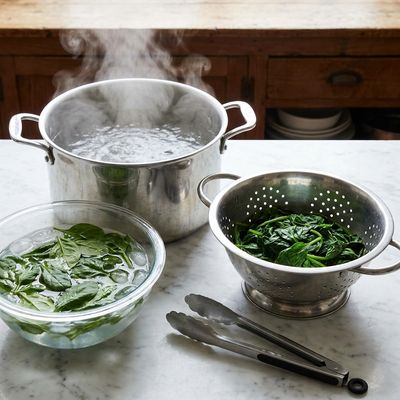
How to Blanch Spinach
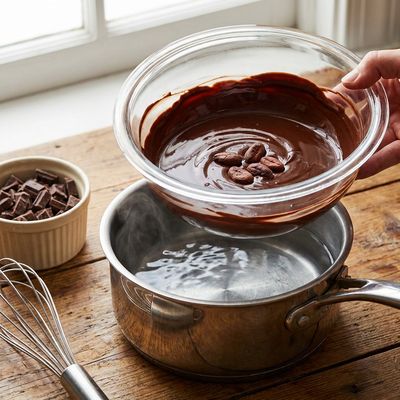
How To Melt Chocolate
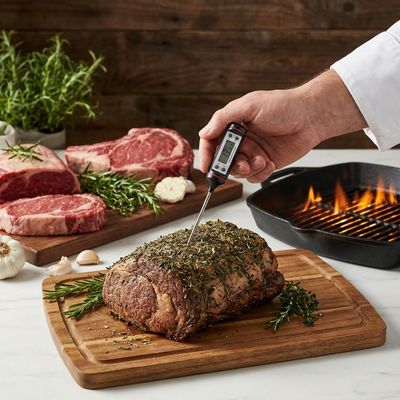
Internal Meat Temperature Guide: How to Tell When Food is Done
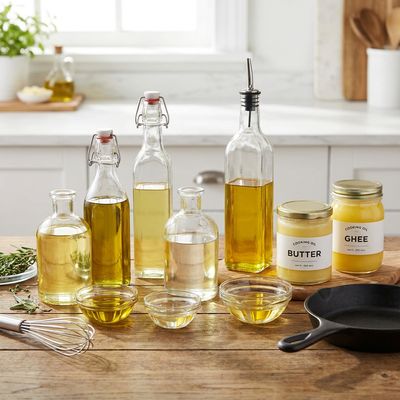
The Best Cooking Oil Substitutes for High-Heat vs. Cold Dishes
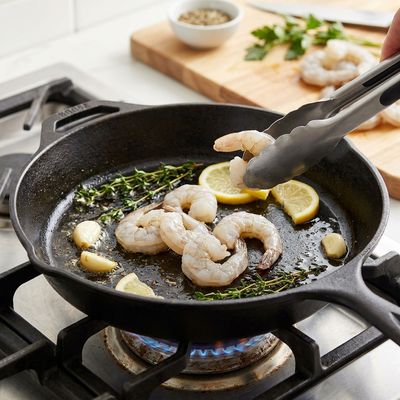
How To Cook Shrimp
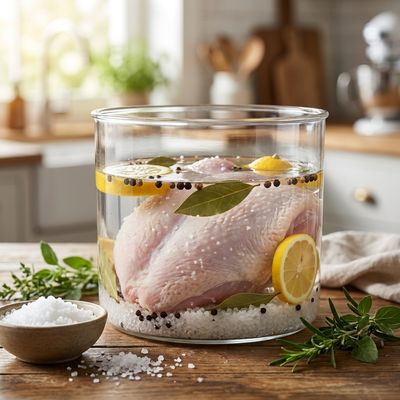
The Science of Brining: Why Salt Makes Meat More Tender and Flavorful
Comments
(0)Sign in to leave a comment.
You Might Like
Ad Space Available
Be the first to leave a comment.