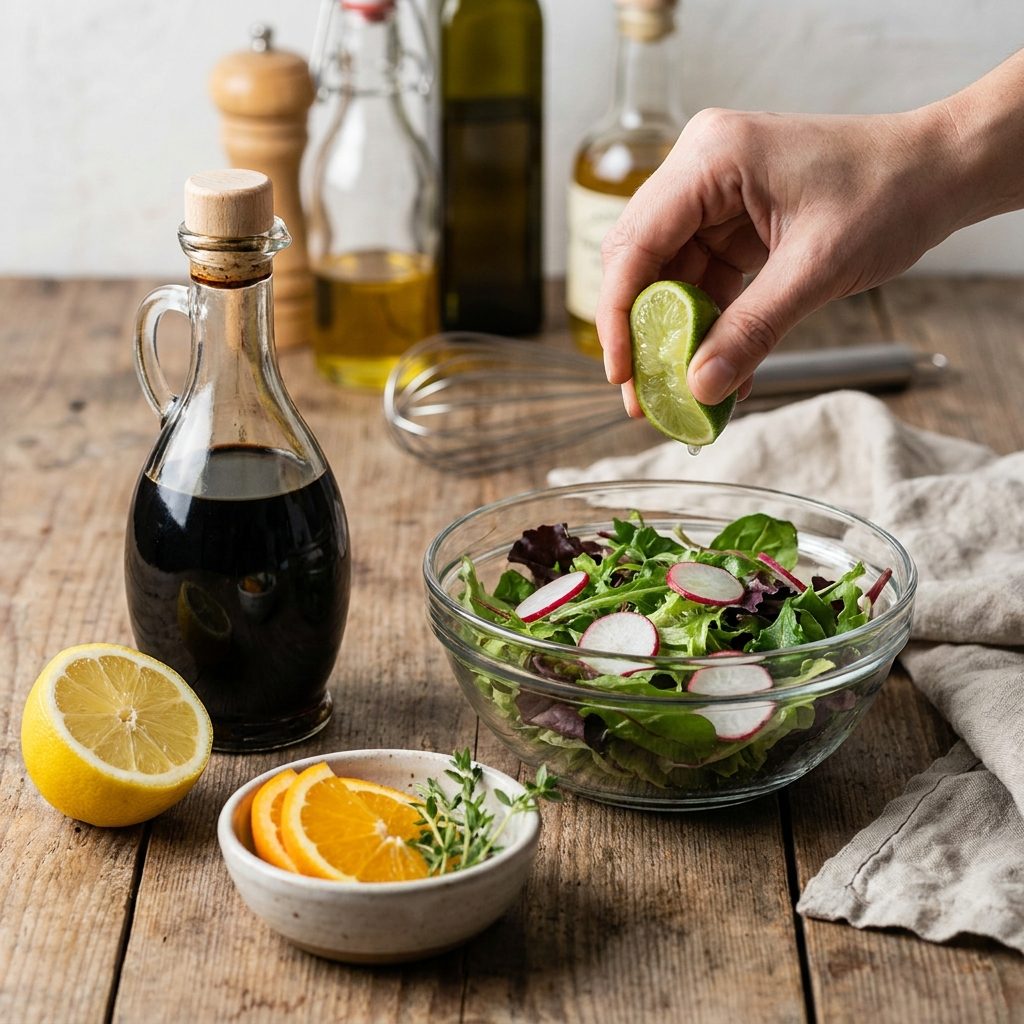
Recipe Details
"Acid is often the missing link between a dish that tastes 'okay' and one that tastes 'professional.' This guide explores the science of how citrus and vinegar interact with our taste buds to create balanced, vibrant meals."
1 Ingredients
| Qty | Item |
|---|---|
| Ingredient list coming soon. | |
2 Instructions
The Science of the Palate
Acid works on a biological level to enhance our perception of flavor. Chemically, acids are substances with a pH lower than 7. When we eat something acidic, it triggers a physical response in our salivary glands. This increased salivation helps distribute flavors more effectively across the tongue, making every other ingredient in the dish taste more intense and distinct.
The Great Balancer: Cutting Through Fat
One of the primary roles of acid in cooking is to provide a 'counterpoint' to richness. In dishes that are heavy in fats—such as a creamy pasta carbonara, a marbled steak, or a buttery hollandaise—the palate can quickly become overwhelmed by the coating of oil. Acid, whether from a squeeze of lemon or a splash of red wine vinegar, acts as a chemical 'cleanser,' slicing through the fat and refreshing the taste buds so the dish doesn't feel heavy or cloying.
Brightening and Enhancing Salt
If a dish tastes flat or 'dull' despite being properly salted, it almost certainly lacks acid. Salt and acid have a synergistic relationship; acid can actually mimic the sensation of saltiness, allowing you to use less sodium while achieving the same level of flavor impact. This is why a squeeze of lime on a taco or vinegar in a soup can suddenly make the entire profile 'pop' without making it taste sour.
Texture and Denaturation
Beyond flavor, acid plays a structural role in food science. In marinades, acid begins the process of denaturation—unfolding protein strands—which can tenderize tough cuts of meat. However, timing is key; leaving meat in a highly acidic marinade for too long can actually turn the texture mushy. In baking, acids like buttermilk or cream of tartar react with leavening agents to create the carbon dioxide bubbles that make cakes and breads rise.
Choosing Your Acid Source
The type of acid you choose dictates the final character of your dish. Citrus juices (lemon, lime, orange) provide 'top notes'—immediate, bright, and floral flavors that are best added at the very end of cooking. Vinegars (balsamic, apple cider, sherry) offer 'middle notes,' providing a more fermented, complex depth that can withstand longer cooking times and provide a savory backbone.
💡 Tips & Tricks
-
·
<html><ul><li>Always taste your dish at the very end; if it feels 'flat,' add a teaspoon of vinegar or lemon juice before adding more salt.</li><li>Use 'bright' acids like citrus for seafood and vegetables, and 'dark' acids like balsamic or red wine vinegar for beef and hearty stews.</li><li>If you accidentally over-salt a dish, a small amount of acid can help mask the saltiness and restore balance.</li><li>Add fresh citrus zest along with the juice to provide aromatic oils that enhance the acidic 'bright' sensation.</li></ul></html>
? Frequently Asked Questions
Why does my food taste bland even though I added salt?
Can I substitute vinegar for lemon juice?
Does heat destroy the flavor of acid?
Is there acid in foods other than citrus and vinegar?
→ Keep Cooking
See All Food Science
How Caramelization Works: The Science of Cooking Sugar for Flavor and Color

Why Are My Cookies Flat? How to Prevent Cookie Spreading
Why You Should Be Sweating Your Aromatics Instead of Sauteing
Dairy-Free Milk Substitutes: Which Plant-Based Milk is Best for Cooking?
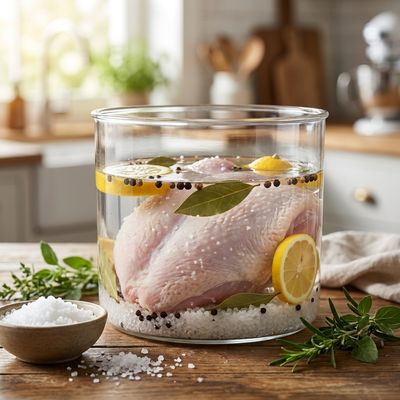
The Science of Brining: Why Salt Makes Meat More Tender and Flavorful
Next Recipe
How Caramelization Works: The Science of Cooking Sugar for Flavor and Color
Caramelization is one of the most transformative processes in the kitchen, turning simple, sweet sugar into a complex array of nutty, bitter, and savory flavors. By understanding the chemistry behind the heat, you can master everything from golden pralines to deep, savory sautéed onions.
You Might Also Like These Recipes
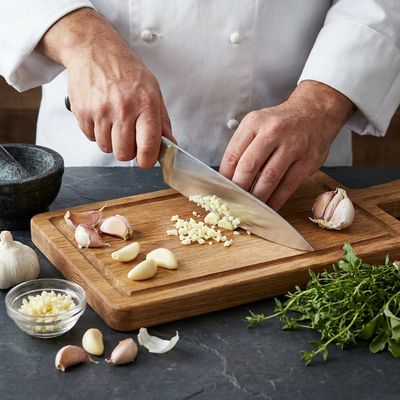
How to Mince Garlic
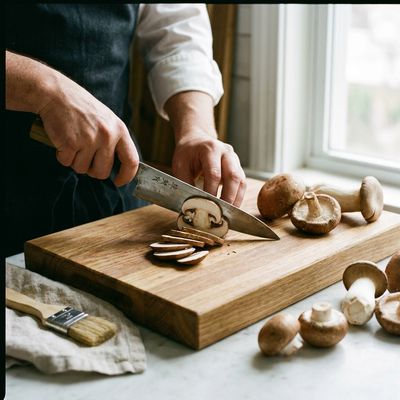
How to Slice Mushrooms
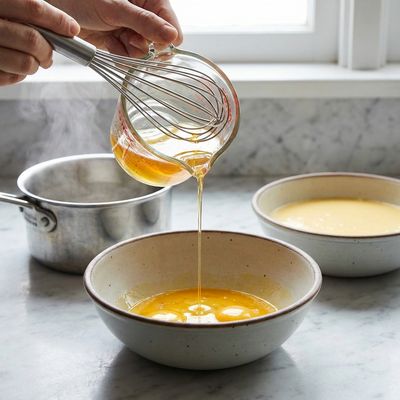
The Science of Tempering Eggs: How to Prevent Curdling in Custards and Sauces
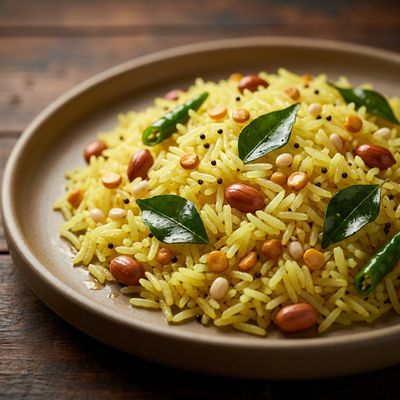
South Indian Lemon Rice with Mustard Seeds
25 min
Why Did My Cheesecake Crack? Prevention and Fixes
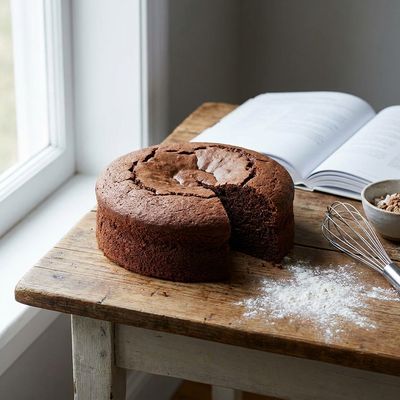
Why Did My Cake Sink in the Middle? Troubleshooting and Fixes
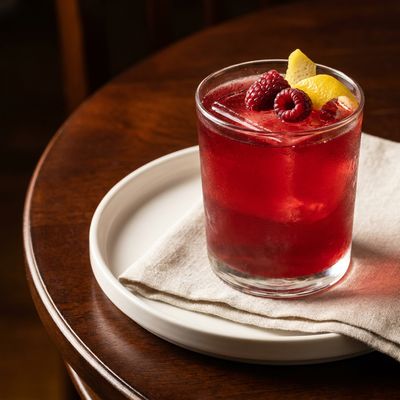
Loganberry Drink Buffalo Style
30 min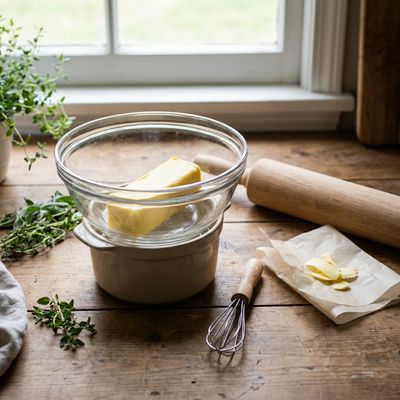
How to Soften Butter Quickly Without Melting It
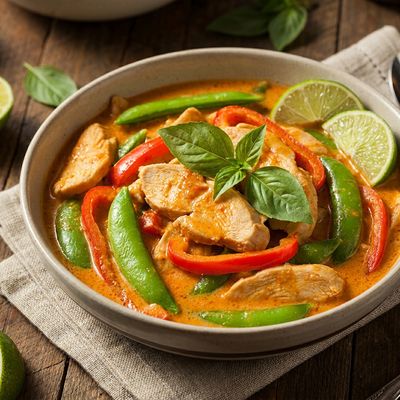
Thai Red Curry Chicken with Snap Peas
30 min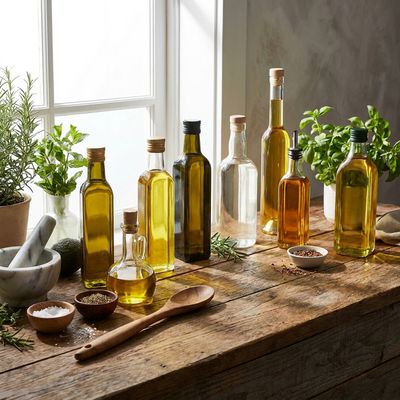
A Beginner's Guide to Buying and Using Different Types of Cooking Oils
Comments (0)
Sign in to leave a comment.
You Might Like
Ad Space Available
Be the first to leave a comment.