The Chemistry of Oil and Water
At the molecular level, water and oil are natural enemies. Water is a polar molecule, while oil is non-polar. Because of these differing electrical charges, they repel one another. When you attempt to mix them, they will eventually separate into distinct layers, with the less dense oil floating to the top. To keep them together, we must introduce a third party: the emulsifier.
The Role of the Emulsifier
An emulsifier is a molecule that acts as a bridge. It has one hydrophilic (water-loving) end and one lipophilic (fat-loving) end. In a classic mayonnaise, the lecithin found in egg yolks serves this purpose. It grabs onto the oil droplets with one hand and the water/vinegar base with the other, preventing the oil droplets from bumping into each other and merging back together.
Common Reasons Sauces Break
A sauce 'breaks' when the emulsion collapses and the fat separates from the liquid. This usually happens for three reasons: adding fat too quickly, incorrect temperature, or lack of agitation. If you pour oil into an egg yolk too fast, the droplets become too large for the emulsifier to coat, causing them to coalesce. Similarly, if a Hollandaise gets too hot, the proteins in the egg yolk denature and lose their ability to hold the butter in suspension.
How to Prevent and Fix a Break
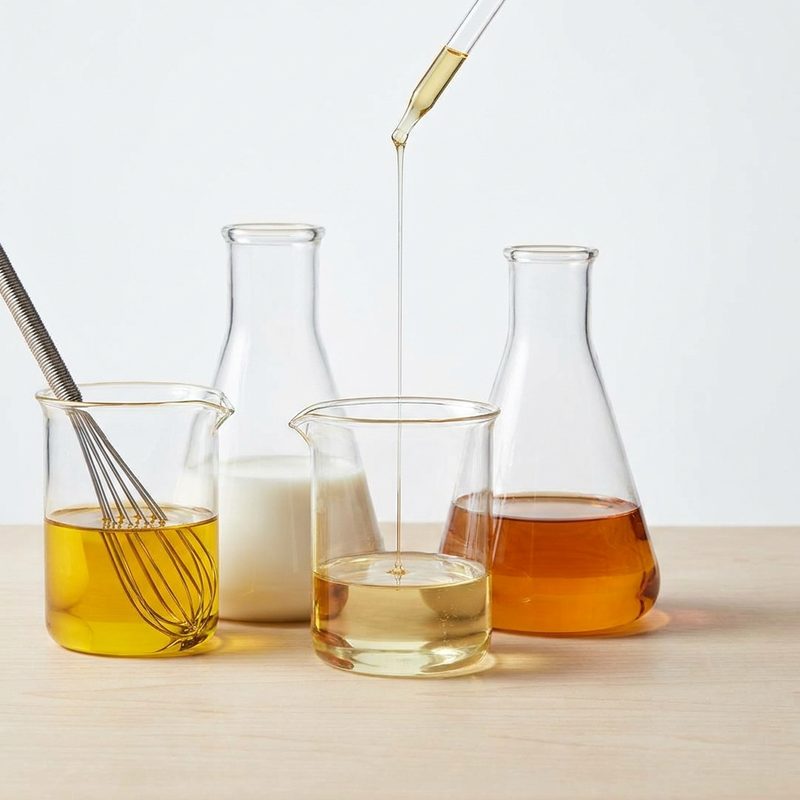
Prevention is all about patience. Start by adding your fat drop-by-drop until the emulsion is established. If a sauce does break, you can often rescue it. For an egg-based sauce, place a teaspoon of water or a fresh egg yolk in a clean bowl and very slowly whisk the broken sauce into it. This allows you to rebuild the structure from scratch using the existing ingredients.
Key Takeaways
- ✓ <html><ul><li>Always start with room temperature ingredients to ensure the emulsifiers are at their most effective.</li><li>Add your fat source drop-by-drop for the first 25% of the process to build a strong foundation.</li><li>Use a high-speed blender or immersion blender for the most stable emulsions, as they create smaller fat droplets than a hand whisk.</li><li>If a sauce looks like it is starting to get too thick or greasy, whisk in a teaspoon of warm water to loosen the tension.</li></ul></html>