Recipe Details
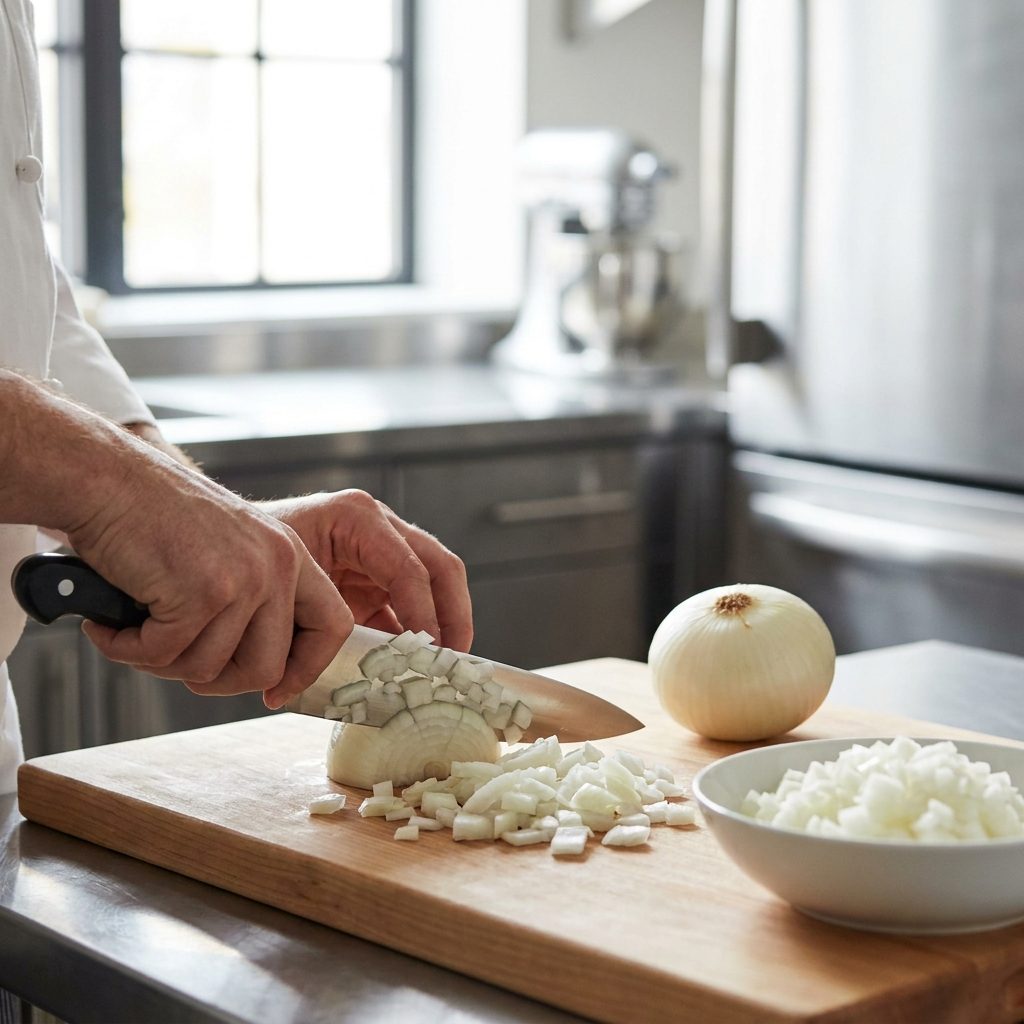
"Dicing an onion is a foundational culinary skill that improves the texture and cook-time of almost any savory dish. This guide teaches you the professional 'root-intact' method for speed, safety, and uniform results every time."
Ingredients
| Qty | Item |
|---|---|
| Ingredient list coming soon. | |
How to Make How to Dice Onions
Step 1: Prepare Your Station and Trim the Stem
Ensure you have a sharp chef's knife (an 8-inch or 10-inch blade works best) and a stable cutting board. A damp paper towel or a silicone mat under the board will prevent slipping. Start by placing the onion on the board and slicing off the stem end (the top) about 1/4 inch below the tip. Leave the hairy root end completely intact, as this holds the layers together while you work. If you accidentally cut into the root, the layers will separate and your dice will be uneven. The cut surface should be flat and even so the onion sits level. For more detail, see our guide to sauté onions. For more detail, see our guide to dice vegetables.
Step 2: Halve and Peel
Place the onion on its newly flat-cut stem end and slice it in half vertically, going straight down through the center of the root. Use a smooth, steady motion; a sawing action can crush the layers. Peel back the papery skin and the first layer of flesh if it appears tough or leathery. If the skin sticks, gently loosen it with your thumbnail. Discard any brown or bruised outer layers. The two halves should now have a flat, stable base from the stem cut and a firm root end holding the layers together.
Step 3: Make Vertical Plunge Cuts
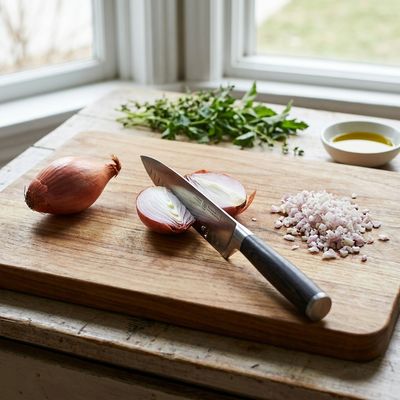
Place one half flat-side down on the board. Position your knife tip near the root (but do not cut through it) and make a series of narrow vertical slices lengthwise across the onion. The closer together these slices are, the smaller your final dice will be. For a medium dice, space cuts about 1/4 inch apart; for a fine dice, space them 1/8 inch apart. Keep your knife perpendicular to the board and use your knuckles as a guide. The slices should be parallel to each other and to the root. If you cut too close to the root, you risk cutting through it; if you stop too far away, you'll waste onion. You should see the layers separate slightly as you cut, but the root should remain intact.
Step 4: The Horizontal Cut (Optional)
For an extra fine dice, carefully make one or two horizontal cuts parallel to the cutting board, slicing toward the root but again, stopping before you reach it. Keep your non-cutting hand flat on top of the onion for stability and safety. For a medium dice, one cut about 1/4 inch above the board is enough; for a fine dice, make two cuts at 1/8 inch and 1/4 inch. Angle the knife slightly upward (about 10 degrees) to avoid cutting through the root. If the onion rolls, use your palm to hold it firmly. This step is optional: if you skip it, the dice will be slightly less uniform but still acceptable for most recipes.
Step 5: Cross-Cut for the Final Dice
Finally, slice across the onion perpendicularly to your initial cuts. Use a 'claw grip' with your non-cutting hand to tuck your fingertips away from the blade. Your knuckles should be against the side of the blade, guiding each cut. Start at the stem end and work toward the root, making slices at the same spacing as your vertical cuts (1/4 inch for medium, 1/8 inch for fine). As you slice, the onion will fall away into perfectly uniform cubes. If the cubes stick together, gently separate them with your fingers. Discard the root end when you reach it. If the root is still intact, you can trim it off and discard. The final dice should be consistent in size, with no large chunks or ragged pieces. If you see uneven cubes, your vertical cuts were likely not parallel or your spacing was inconsistent.
Tips for Best Results
-
·
<html><ul><li>Keep the root intact: This is the 'anchor' that prevents the onion from sliding around while you chop.</li><li>Sharpness is safety: A dull knife is more likely to slip and requires more pressure, which crushes the onion cells and releases more tear-inducing gases.</li><li>The Claw Grip: Always tuck your knuckles out and fingertips in to guide the blade safely without risk of injury.</li><li>Chill the onion: Putting the onion in the fridge for 15-30 minutes before cutting can reduce the volatile enzymes that cause eye irritation.</li></ul></html>
Frequently Asked Questions
Why do onions make me cry when I cut them?
What is the difference between dicing and mincing?
How long do diced onions last in the fridge?
Do I really need to make the horizontal cuts?
What to Cook Next


Next Recipe
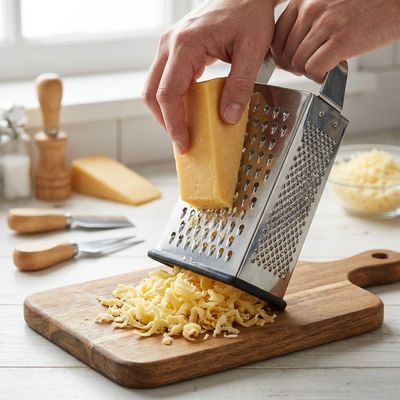
How to Shred Cheddar Cheese
Shredding your own cheddar cheese at home is a simple task that significantly improves the quality of your cooking. By avoiding the anti-caking agents found in pre-shredded bags, you achieve a smoother melt and bolder flavor in every dish.
Similar Recipes to Try

The Science of Tempering Eggs: How to Prevent Curdling in Custards and Sauces

A Taste of Buffalo: 10 Western New York Dishes to Cook at Home

How to Julienne and Dice Vegetables Like a Professional Chef
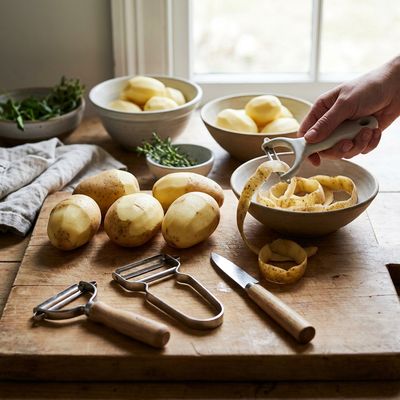
How to Peel Potatoes

Japchae Sweet Potato Glass Noodles
45 min
Mayonnaise: Uses, Substitutes, and How to Store It

How To Make Homemade Tomato Sauce
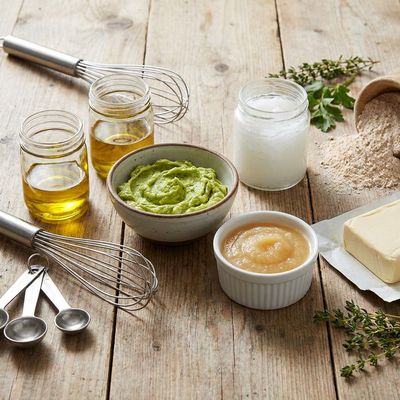
Healthy Butter Substitutes: Best Swaps for Baking and Cooking
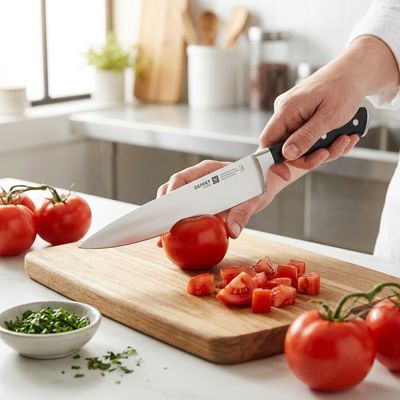
How to Dice Tomatoes

How to Deglaze a Pan to Make Professional Pan Sauces
Comments
(0)Sign in to leave a comment.
You Might Like



Ad Space Available
Be the first to leave a comment.