Recipe Details
"Slicing mushrooms is a fundamental kitchen skill that ensures even cooking and professional presentation in your dishes. This guide walks you through the essential preparation and cutting techniques to handle any variety with confidence."
Ingredients
| Qty | Item |
|---|---|
| Ingredient list coming soon. | |
How to Make How to Slice Mushrooms
Step 1: Clean and Prepare
Avoid soaking mushrooms in water, as they are porous and will absorb liquid, making them rubbery when cooked. Instead, use a damp paper towel or a soft brush to gently wipe away any dirt or debris from the caps and stems. For particularly dirty mushrooms, such as wild morels or chanterelles, use a dry pastry brush first to knock off loose soil, then a barely damp cloth. If you must rinse (e.g., for sandy wild mushrooms), do so quickly under cold running water for no more than 5 seconds, then pat dry immediately with paper towels. Never soak; even a 2-minute soak can cause mushrooms to absorb up to 10% of their weight in water, leading to steaming rather than browning. For white button mushrooms, the thin skin can be peeled if desired, but this is unnecessary for most recipes. Check for any soft spots or dark, slimy patches—these indicate spoilage and should be cut away.
Step 2: Trim the Stems
Place the mushroom on your cutting board. If the stems are particularly woody (like Shiitake) or the ends are dried out, trim the very bottom off with a sharp chef's knife. For button or cremini mushrooms, you can leave the stems attached or pop them out if you prefer a flat cap for slicing. For shiitake, the entire stem is often too tough to eat; cut it off flush with the cap and reserve for stock. For portobello, the stem is edible but can be fibrous; trim the dry end (about 1/4 inch) and slice the rest thinly. For oyster mushrooms, trim the cluster base where they connect—this is often tough and woody. If stems are fresh and tender, like those of enoki or beech mushrooms, trim only the very bottom 1/8 inch. Always use a sharp knife; a dull blade will crush the stem rather than cut cleanly.
Step 3: Create a Stable Base
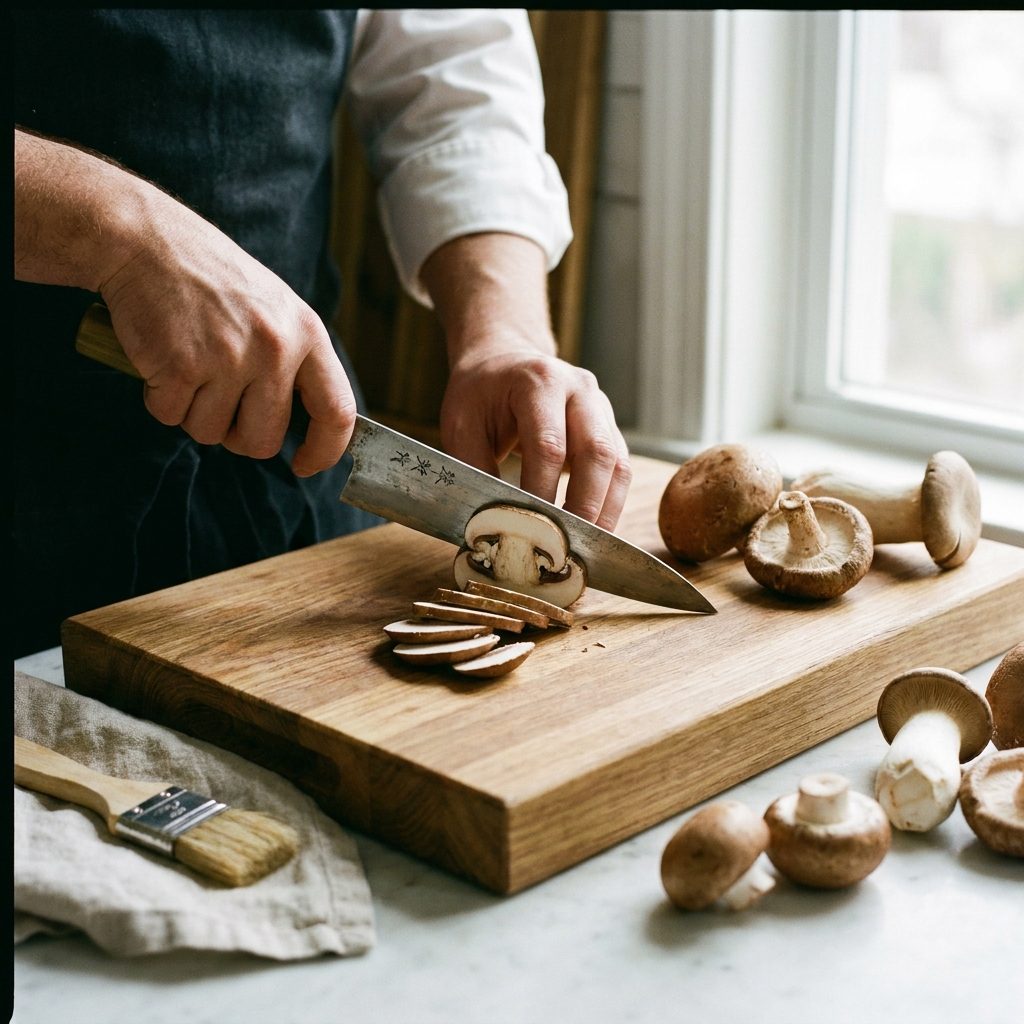
Place the mushroom cap-side up or flat-side down on the board. If the mushroom is large and wobbly, slice it in half first through the center. Lay the flat, cut side down on the board to provide a stable surface that prevents the mushroom from rolling while you cut. For small mushrooms (under 1 inch in diameter), you can skip halving and simply hold them steady with your claw grip. For large portobello caps, you may need to trim a thin slice off one side to create a flat edge. If the mushroom is particularly round and unstable, use your non-dominant hand to press it gently into the board, keeping fingers curled under. The goal is to have the mushroom sit flat without wobbling; a wobbly mushroom can cause uneven slices or a knife slip.
Step 4: Execute the Slices
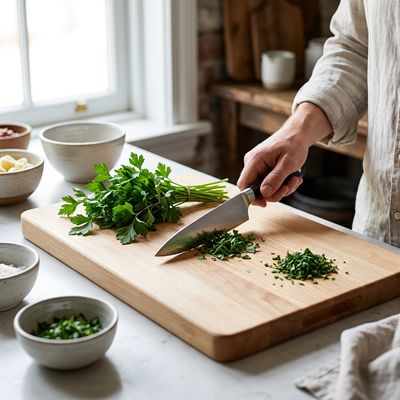
Using a 'claw grip' to protect your fingertips, guide the blade of your knife through the mushroom in even increments. For most recipes, a thickness of 1/8 to 1/4 inch is ideal. Use a gentle rocking motion with the knife, keeping the tip on the board for better control. For very thin slices (e.g., for carpaccio or quick sautés), aim for 1/16 inch—this requires a razor-sharp knife and steady pressure. For thicker slices (e.g., for grilling or stuffing), go up to 1/2 inch. If the mushroom starts to slip, pause and wipe the board dry with a paper towel. For uniform slices, align the mushroom halves so the cut sides are flush against the board. If you are slicing a large batch, work in batches of 4-5 mushrooms at a time to maintain consistency. The slices should be even in thickness to ensure they cook at the same rate; uneven slices will result in some pieces burning while others remain raw.
Step 5: Dicing or Quartering
If your recipe calls for smaller pieces, you can quarter mushrooms by cutting them in half and then in half again. For a dice, stack your slices and cut perpendicularly across them to create uniform cubes. For a fine dice (e.g., for duxelles), cut slices 1/8 inch thick, then stack 3-4 slices and cut into 1/8-inch strips, then rotate and cut into 1/8-inch cubes. For a rough chop, simply cut the mushroom into 1/2-inch pieces without worrying about uniformity. If the mushroom is very large, like a portobello, you may need to cut the cap into strips first, then dice. For quartering small mushrooms (like button or cremini), cut through the stem and cap vertically to create two halves, then cut each half vertically again. For very small mushrooms (like enoki), simply separate the clusters by hand—no knife needed. Always use a sharp knife for dicing; a dull blade will crush the mushroom, releasing moisture and making it difficult to achieve clean cuts.
Tips for Best Results
-
·
<html><ul><li>Always use a sharp knife to ensure clean cuts without bruising the delicate flesh of the mushroom.</li><li>Keep your slices uniform in size so they cook at the same rate in the pan.</li><li>Save your trimmed mushroom stems in a freezer bag; they are excellent for making rich vegetable or beef stocks.</li><li>If you are slicing a large quantity of small button mushrooms, an egg slicer can be a quick and effective tool for perfectly even cuts.</li></ul></html>
Frequently Asked Questions
Should I wash mushrooms before slicing?
What is the best knife for slicing mushrooms?
Do I need to remove the gills before slicing?
How thick should sliced mushrooms be for sautéing?
What to Cook Next

Next Recipe
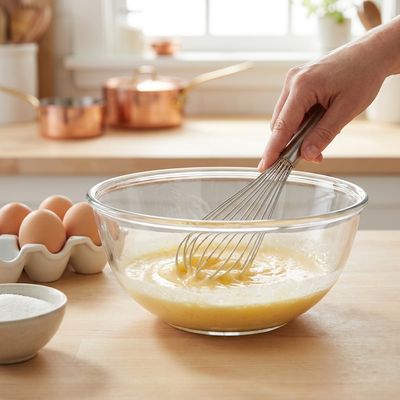
How to Whisk Egg Yolks
Whisking egg yolks is a fundamental culinary skill used to emulsify sauces, thicken custards, and create rich textures in baking. This guide covers everything from choosing the right equipment to achieving the perfect pale-yellow consistency for any recipe.
Similar Recipes to Try
How to Shred Chicken
How to Drain Pasta
How to Slice Garlic
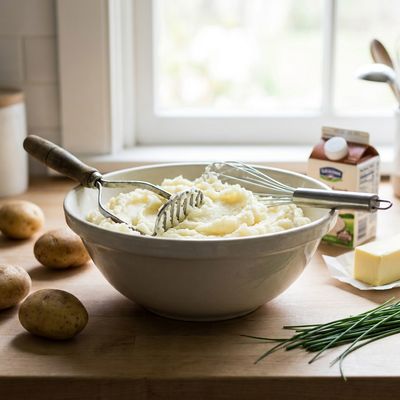
How to Mash Potatoes
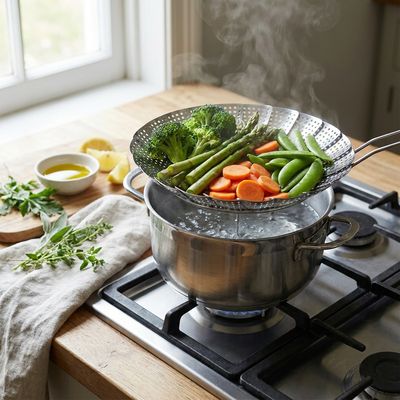
How To Steam Vegetables
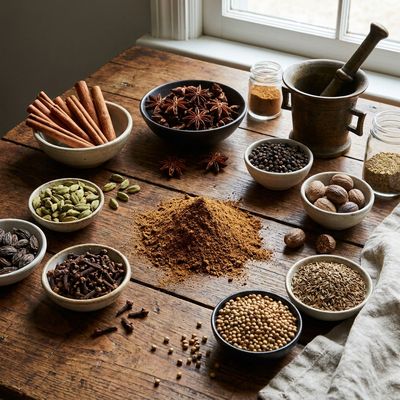
Garam Masala: Uses, Substitutes, and How to Store It
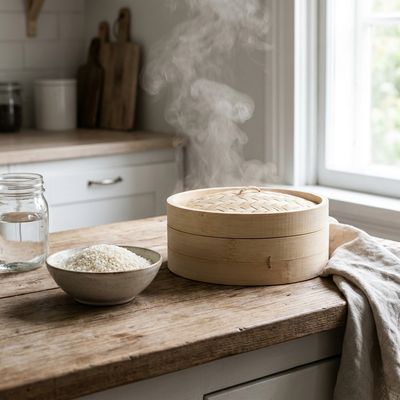
How to Steam White Rice
How to Pan Sear Meat for a Perfect Crust Every Time
How To Make Scrambled Eggs
How to Calibrate an Instant-Read Meat Thermometer
Comments
(0)Sign in to leave a comment.
You Might Like

Ad Space Available
Be the first to leave a comment.