About Food Science
How-to guides and tips: food science.
All Food Science Articles
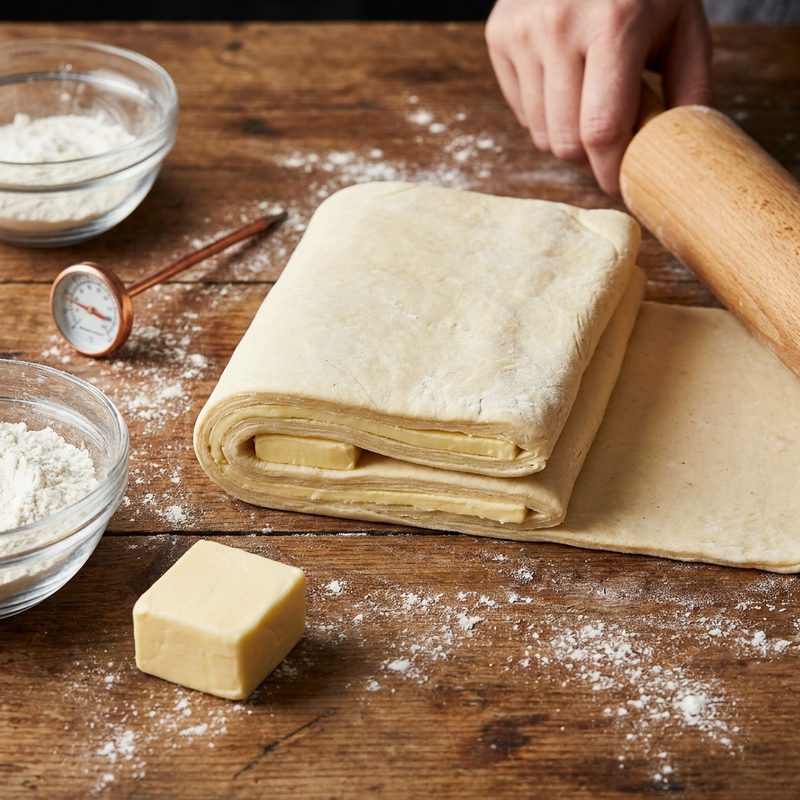
The Science of Flaky Pastry: Why Cold Butter is Non-Negotiable
Achieving a shatteringly crisp pie crust or an airy croissant depends on one critical factor: the temperature of your fat. This deep dive explores the physics of steam and the chemistry of gluten to explain why cold butter is the secret to perfect pastry layers.
Recipe.net Team · Sep 04, 2026
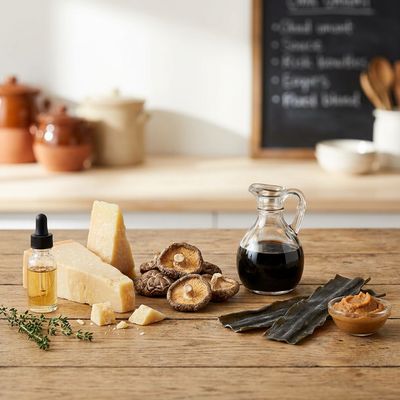
A Guide to Umami: How to Use Savory Flavors to Improve Your Cooking
Often called the "fifth taste," umami is the secret behind deeply satisfying, savory dishes. This guide explores the molecular science of glutamates and provides practical techniques for balancing this complex flavor in your kitchen.
Sep 04, 2026
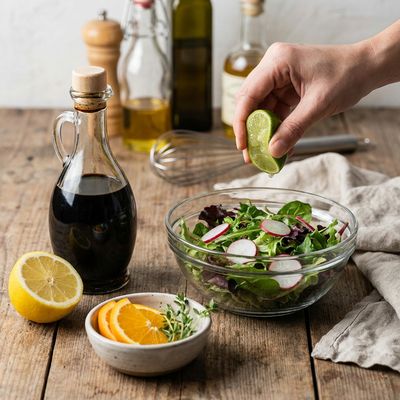
Why Acid is Essential in Cooking: How Vinegar and Citrus Balance Flavor
Acid is often the missing link between a dish that tastes 'okay' and one that tastes 'professional.' This guide explores the science of how citrus and vinegar interact with our taste buds to create balanced, vibrant meals.
Sep 03, 2026
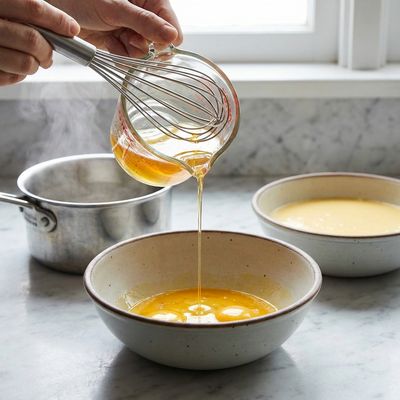
The Science of Tempering Eggs: How to Prevent Curdling in Custards and Sauces
Tempering is the essential culinary technique of slowly raising the temperature of eggs to prevent them from scrambling when added to hot liquids. This guide explores the molecular science behind protein coagulation and provides a foolproof method for silky smooth results.
Sep 03, 2026
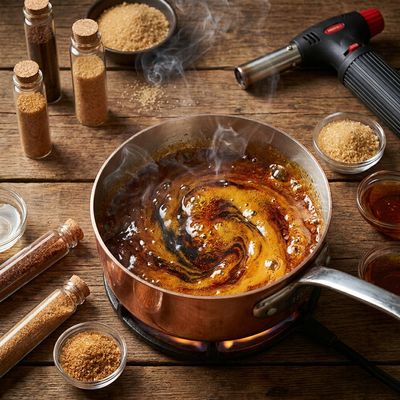
How Caramelization Works: The Science of Cooking Sugar for Flavor and Color
Caramelization is one of the most transformative processes in the kitchen, turning simple, sweet sugar into a complex array of nutty, bitter, and savory flavors. By understanding the chemistry behind the heat, you can master everything from golden pralines to deep, savory sautéed onions.
Sep 03, 2026
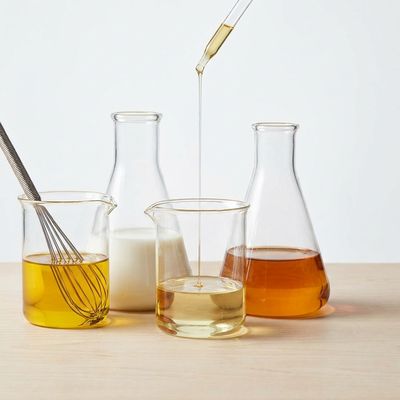
Why Do Sauces Break? A Guide to Mastering Emulsification in the Kitchen
There is nothing more frustrating than a silky sauce suddenly turning into a curdled, oily mess. Understanding the science of emulsification is the key to preventing broken sauces and achieving professional results in your home kitchen.
Sep 02, 2026
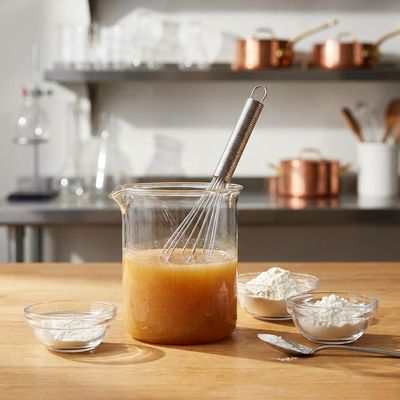
The Science of Thickening: How Starch Gelatinization Works in Gravies and Sauces
Delve into the molecular world of cooking to understand how heat and liquid transform tiny starch granules into the smooth, velvety textures we love in gravies and sauces. This guide explains the step-by-step process of starch gelatinization and why it is the foundation of sauce-making.
Sep 02, 2026
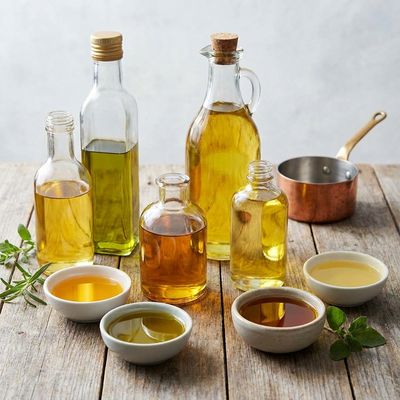
How Smoke Points Affect Your Cooking: A Guide to Choosing the Right Oil
Choosing the right fat is about more than just flavor; it is a matter of chemistry. This guide explains the science of smoke points to help you achieve better textures and safer results in your kitchen.
Sep 02, 2026
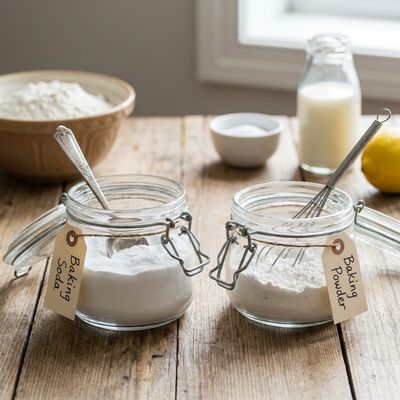
Baking Soda vs. Baking Powder: A Guide to How Leavening Agents Work
Understanding the chemical reactions behind baking soda and baking powder is essential for any home baker. This guide explores the science of carbon dioxide production and how these leavening agents create the light, airy textures in your favorite recipes.
Sep 01, 2026
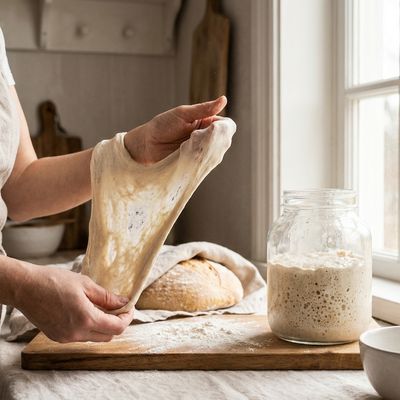
How to Build Gluten for Better Bread: The Science of Kneading and Fermentation
Building a strong gluten network is the foundation of a great loaf of bread. This article breaks down the molecular science of how proteins, water, and time transform simple ingredients into a structural masterpiece.
Sep 01, 2026
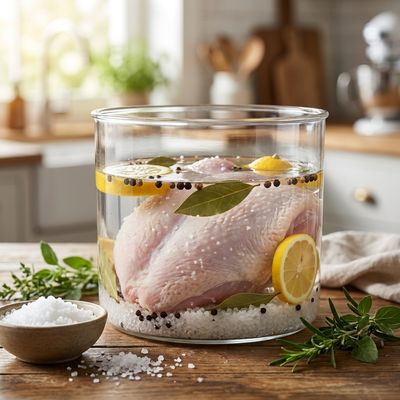
The Science of Brining: Why Salt Makes Meat More Tender and Flavorful
Brining is a fundamental culinary technique that relies on chemical reactions to transform the texture and flavor of meat. By understanding the physics of osmosis and protein denaturation, home cooks can master the art of succulent, well-seasoned poultry and pork.
Sep 01, 2026
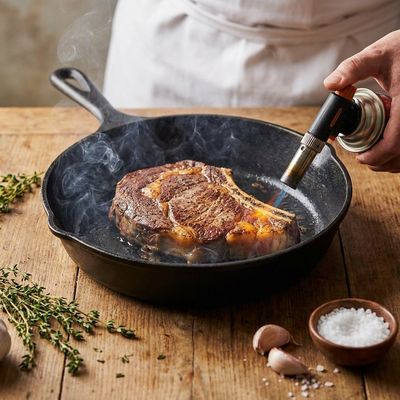
The Science of the Maillard Reaction: How to Get Perfect Searing and Browning
The Maillard reaction is the chemical secret behind the savory, complex flavors of browned food. Understanding how heat, moisture, and pH levels interact allows any cook to achieve restaurant-quality results at home.
Aug 31, 2026
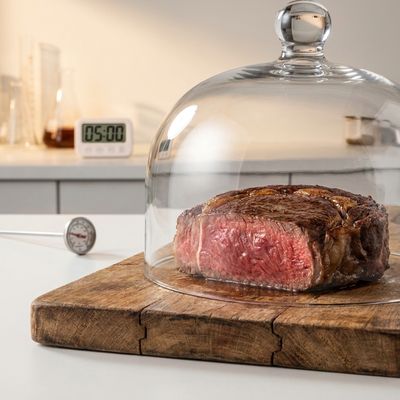
Why You Should Rest Meat After Cooking: The Science of Juicy Steaks
Resting meat is the final, crucial step in the cooking process that many home cooks skip. By understanding the cellular biology of muscle fibers, you can ensure your steaks are succulent rather than dry.
Aug 09, 2026