Recipe Details
"This sesame seeds guide starts with the form you have. It explains how to choose the right option for a recipe, handle it safely and store it without sacrificing quality. The advice is limited to the distinctions, techniques and storage rules supported by the checked sources."
Ingredients
| Qty | Item |
|---|---|
| Ingredient list coming soon. | |
How to Make Sesame seeds: How to Choose, Use and Store It
What It Is and Which Form You Have
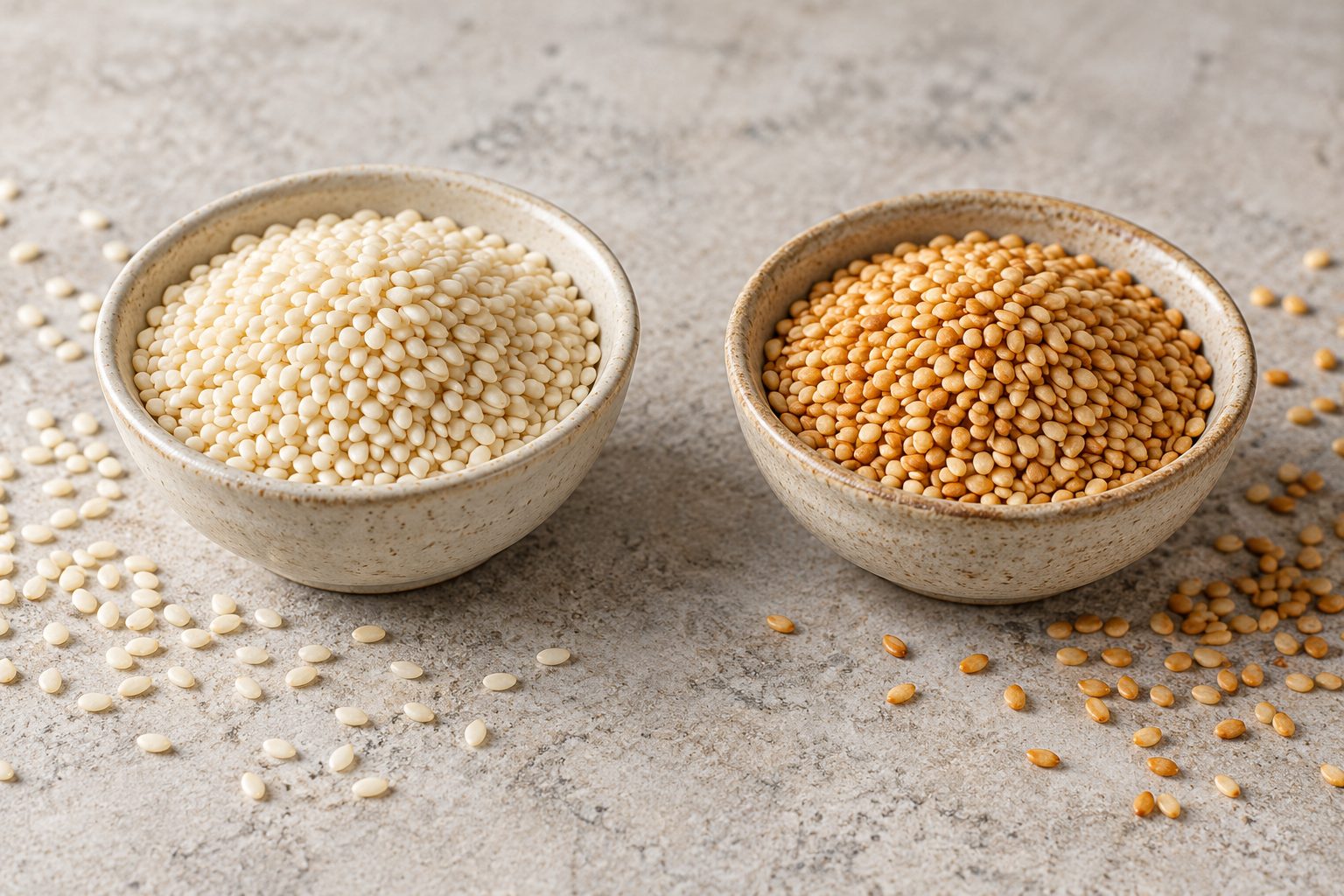
Toasting changes the seed's flavour, so raw and toasted sesame seeds are related but not identical choices. Identify the form before following a recipe: related forms can differ in texture, concentration, heat tolerance or the job they do in a dish.
How to Choose It
Use these concrete cues at the shop and again before preparation. If a sealed product has no source-backed visual test, follow its label and reject damaged packaging rather than guessing from appearance alone.
How to Use It in Recipes
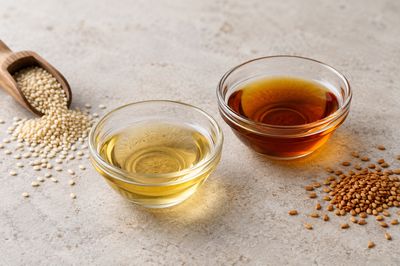
Sesame seeds can be used as a finishing topping, while sesame oil can be whisked into a dressing with rice vinegar, soy sauce, ginger and garlic. Warm temperatures and moisture shorten the useful quality of pantry staples. Let the intended technique decide the form. A finishing ingredient, a blended ingredient and one expected to hold its shape are not always interchangeable, even when their names are similar.
See Homemade Gochugaru Chilli Seasoning for a concrete Recipe.net example. See Mole Poblano con Pollo for a concrete Recipe.net example. See Prawn Toast Bites for a concrete Recipe.net example. See Beef Bulgogi with Pear Marinade for a concrete Recipe.net example. These recipes contain an exact sesame seeds match in their saved instructions, so they are practical next steps rather than loosely related recommendations.
How to Choose a Substitute
Seeds and oil perform different jobs: seeds add whole-seed texture, while oil disperses sesame flavour through a dressing. Whole spices keep their quality longer than ground spices; evaluate ground spices after six months and replace them when their characteristic aroma has faded. Choose a replacement by function, not by appearance alone. Unless the checked sources state a conversion, adjust cautiously and expect a change in flavour, texture or cooking behaviour instead of assuming a universal ratio.
How to Store It
Store spices and herbs in airtight containers in dry places away from sunlight and heat. Apply the instruction to the exact form and condition you have—whole, cut, opened, cooked or frozen. A storage window describes quality under the stated conditions; it never overrides clear signs of deterioration.
Common Mistakes to Avoid
The avoidable mistake is carrying one rule across every form. Keep the ingredient dry or cold where the evidence requires it, and treat an explicit safety instruction as more important than convenience.
Sources
- Farmers Market Cookbook: Sesame Ginger Peas (Utah State University Extension)
- Storing Staple Ingredients in the Kitchen (Penn State Extension)
Tips for Best Results
-
·
Read the recipe's full ingredient line before swapping sesame seeds; the form and intended job matter.
-
·
Store sesame seeds according to its current condition—unopened, opened, cut or cooked—not by one blanket rule.
-
·
Treat a missing ratio, temperature or storage period as unresolved instead of turning an estimate into a rule.
Frequently Asked Questions
What counts as sesame seeds in this guide?
How do I choose sesame seeds?
Can I substitute something else for sesame seeds?
How should I store sesame seeds?
What to Cook Next
Next Recipe
Mayonnaise: Uses, Substitutes, and How to Store It
Mayonnaise is a creamy, tangy emulsion of oil, egg yolks, and acid, used worldwide as a condiment and base for many sauces. This guide covers how to choose quality mayo, ways to cook with it, smart substitutions, and proper storage. You will also learn how to avoid common pitfalls that ruin texture or flavor.
Similar Recipes to Try
Cinnamon: Uses, Substitutes, and How to Store It
Why You Should Wash Your Leeks and How to Do It Properly
Sesame oil: How to Choose, Use and Store It
Sesame Balls with Peanut Filling
40 min
Gochujang: Uses, Substitutes, and How to Store It
Celery: Uses, Substitutes, and How to Store It
Paprika: Uses, Substitutes, and How to Store It
Coconut: Uses, Substitutes, and How to Store It
Lettuce: Uses, Substitutes, and How to Store It
Sheet Pan Sesame Ginger Tofu and Broccoli
40 minComments
(0)Sign in to leave a comment.
You Might Like
Ad Space Available
Be the first to leave a comment.