Recipe Details
"Cinnamon is a versatile spice made from the inner bark of Cinnamomum trees. This guide covers everything you need to know, from selecting the right type to storing it for maximum freshness."
Ingredients
| Qty | Item |
|---|---|
| Ingredient list coming soon. | |
How to Make Cinnamon: Uses, Substitutes, and How to Store It
What Cinnamon Is
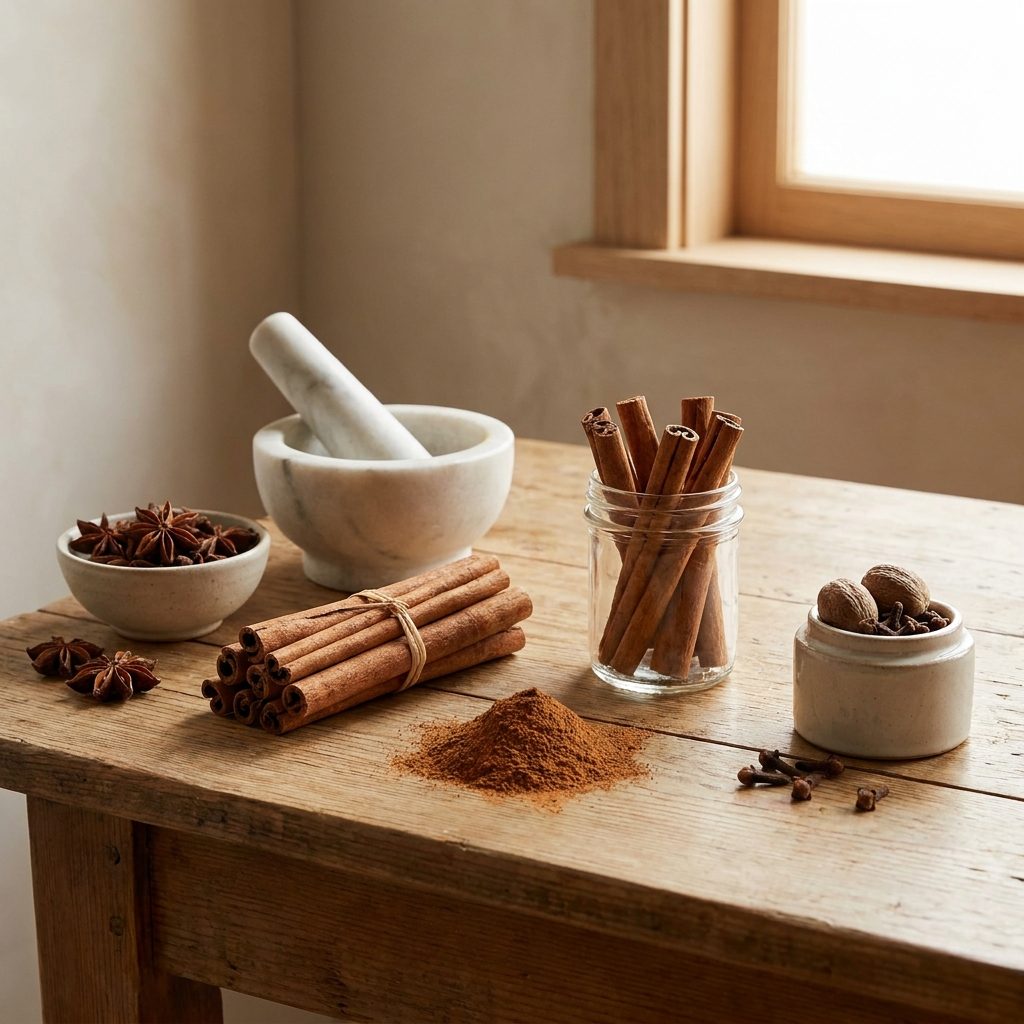
Cinnamon is a spice obtained from the inner bark of several tree species from the genus Cinnamomum. The two main types are Ceylon cinnamon (Cinnamomum verum), also called 'true' cinnamon, and Cassia cinnamon (Cinnamomum cassia), which is more common and less expensive. The bark is harvested, dried, and curls into quills (sticks) or ground into powder. Cassia has a stronger, spicier flavor, while Ceylon is milder, sweeter, and more delicate. Ceylon quills are composed of many thin, papery layers that crumble easily, whereas Cassia quills are thicker, harder, and typically have a single rolled layer. When ground, Ceylon is a light tan color with a fine, powdery texture, while Cassia is a darker reddish-brown and slightly coarser. The essential oil content differs: Cassia contains 1-4% volatile oils, primarily cinnamaldehyde (giving its pungent heat), while Ceylon has 0.5-1% with more eugenol (clove-like notes). Coumarin levels vary dramatically: Ceylon contains trace amounts (0.004 g/kg), while Cassia can have 0.3-4.5 g/kg, which matters for those consuming large quantities regularly.
How to Choose Cinnamon
When buying cinnamon sticks, look for tightly rolled, unbroken quills with a fragrant, sweet aroma. For ground cinnamon, choose a fine, even powder with a rich brown color and no clumps. Cassia is typically darker and thicker; Ceylon has many thin layers and a lighter tan hue. Always check the label: if it just says 'cinnamon,' it is likely Cassia. For baking and everyday use, Cassia works well; for delicate dishes or if you plan to use large amounts, Ceylon is preferable due to its lower coumarin content. When purchasing whole sticks, test flexibility: Cassia sticks are rigid and difficult to break by hand, while Ceylon sticks can be snapped easily into small pieces. For ground cinnamon, perform a simple iodine test: mix 1 teaspoon of ground cinnamon with 5 drops of iodine; Cassia will turn a deep blue-black due to its starch content, while Ceylon will show little to no color change. Smell is key: Cassia has a sharp, spicy aroma reminiscent of red hots candy, while Ceylon smells floral and citrusy with subtle sweetness. Avoid cinnamon with any musty or sour odor, which indicates spoilage or poor storage.
How to Use Cinnamon in Cooking
Cinnamon is used in both sweet and savory dishes. Add whole sticks to simmering liquids like soups, stews, or mulled wine—remove before serving. For ground cinnamon, stir it into batters, doughs, or rubs. Use 1 teaspoon of ground cinnamon for every 2 cups of flour in baked goods. In savory cooking, add ½ teaspoon to a curry or tagine for warmth. To bloom the spice, briefly toast ground cinnamon in a dry pan over medium heat for 30 seconds before adding liquid—this intensifies its flavor. For oatmeal or coffee, start with ¼ teaspoon and adjust. For mulled wine, use 2-3 whole Cassia sticks per 750 ml bottle of red wine, simmering with orange peel and cloves for 15-20 minutes at 180°F (82°C)—do not boil, or the wine becomes bitter. In baking, cream cinnamon with butter and sugar for 2 minutes to ensure even distribution; for cookies, add it with the dry ingredients to avoid overmixing. For rice pilaf, add 1 whole Ceylon stick to 1 cup of basmati rice while cooking; remove before serving. In chai, use 1 teaspoon ground Cassia per 4 cups of milk, simmering for 10 minutes with black tea and ginger. For cinnamon sugar, mix 1 tablespoon ground cinnamon with ½ cup granulated sugar for a classic 1:8 ratio; use on toast or in snickerdoodles (roll dough balls in mixture before baking at 375°F for 10-12 minutes).
Substitutes for Cinnamon
1. Nutmeg: Use half the amount of cinnamon called for (e.g., ½ teaspoon nutmeg for 1 teaspoon cinnamon). Nutmeg is warmer and less sweet, so add a pinch of sugar if needed. Grate fresh nutmeg for best flavor; 1 whole nutmeg yields about 2 teaspoons ground. 2. Allspice: Use the same amount (1:1 ratio). Allspice has a similar warmth but with hints of clove and pepper. Ground allspice loses potency faster than cinnamon, so replace every 6 months. 3. Pumpkin pie spice: Use the same amount (1:1). This blend already contains cinnamon, so the flavor profile will be similar but with added nutmeg and ginger. For a DIY substitute, mix 2 teaspoons ground cinnamon, 1 teaspoon ground ginger, ½ teaspoon ground nutmeg, and ½ teaspoon ground cloves. 4. Cardamom: Use ¾ teaspoon ground cardamom for 1 teaspoon cinnamon. Cardamom is more floral and citrusy, so it works best in sweet dishes like rice pudding or baked apples. 5. Mace: Use ½ teaspoon mace for 1 teaspoon cinnamon. Mace is the outer covering of nutmeg and has a similar warm, nutty flavor but is more delicate. 6. Cloves: Use ¼ teaspoon ground cloves for 1 teaspoon cinnamon. Cloves are much stronger and can overpower a dish, so start with less and adjust. For liquid recipes, add whole cloves and remove before serving.
How to Store Cinnamon
Store cinnamon in an airtight container away from heat, light, and moisture. Whole cinnamon sticks last up to 3-4 years in a cool, dark pantry. Ground cinnamon keeps its best quality for 6-12 months in the pantry, but can be refrigerated for up to 2 years or frozen for up to 3 years—ensure the container is sealed to prevent moisture absorption. To test freshness: if the aroma is weak or the color has faded, replace it. For long-term storage, vacuum-seal whole sticks in Mylar bags with oxygen absorbers; they can last 10+ years. Avoid storing cinnamon near the stove or dishwasher, as heat and humidity accelerate flavor loss. If ground cinnamon forms clumps, it has absorbed moisture—discard it, as it may develop mold. For best flavor, buy whole sticks and grind them as needed using a spice grinder or microplane; 1 stick yields about 1½ teaspoons ground. Label containers with purchase date and type (Ceylon vs. Cassia) to avoid confusion.
Common Mistakes
1. Using old, stale cinnamon: Ground cinnamon loses potency after a year. Always check the smell—if it's faint, it won't flavor your dish. Replace every 6-12 months. A simple test: sprinkle a pinch on your tongue; if it lacks warmth and sweetness, it's stale. 2. Adding cinnamon too early in cooking: For dry rubs or batters, add cinnamon early to blend. But for liquids, add ground cinnamon near the end of cooking (last 5-10 minutes) to avoid a bitter, burnt taste. If added at the beginning of a long simmer (over 30 minutes), the volatile oils evaporate, leaving a flat, dusty flavor. 3. Confusing Cassia and Ceylon: Using Cassia in large amounts (more than 1 teaspoon daily) can be problematic due to coumarin. For frequent use or delicate desserts, choose Ceylon. A common failure: using Cassia in a French dessert like crème brûlée results in a harsh, medicinal flavor instead of the subtle warmth intended. 4. Over-toasting ground cinnamon: Toasting for more than 45 seconds over medium heat burns the sugars, creating a bitter, acrid taste. If you see smoke, discard and start over. 5. Using whole sticks in dishes where they can't be removed: Whole sticks are hard and can crack teeth if bitten into. Always tie them in cheesecloth or use a tea infuser for easy removal. 6. Storing cinnamon in the refrigerator without sealing: Cinnamon absorbs odors from other foods (like onions or garlic), ruining its flavor. Always use an airtight glass jar with a rubber gasket. 7. Substituting without adjusting liquid: Ground cinnamon absorbs moisture; if substituting for whole sticks in a liquid recipe, reduce the liquid by 1 tablespoon per teaspoon of ground cinnamon to avoid thinning the sauce.
Tips for Best Results
-
·
<ul><li>Toast whole cinnamon sticks in a dry pan for 1-2 minutes until fragrant before grinding for a deeper flavour.</li><li>Use a microplane to grate fresh cinnamon sticks directly into dishes for a more intense, aromatic hit.</li><li>Add a pinch of cinnamon to coffee grounds before brewing for a warm, spiced cup.</li><li>Store ground cinnamon in a small jar inside a dark cupboard, not near the stove or sink.</li></ul>
Frequently Asked Questions
What is the difference between Ceylon and Cassia cinnamon?
Can I use cinnamon sticks instead of ground cinnamon?
How long does ground cinnamon last?
Can I substitute cinnamon with nutmeg in baking?
What to Cook Next
Next Recipe
How to Store Fresh Herbs to Make Them Last for Weeks
Fresh herbs are the soul of vibrant cooking, yet they are often the first items to wilt in the refrigerator. This guide provides a comprehensive roadmap for selecting, classifying, and storing herbs to extend their culinary life from days to weeks.
Similar Recipes to Try
Lemon Wedges: Uses, Substitutes, and How to Store It
A Step-by-Step Guide to Meal Prepping Grains and Legumes
Basmati Rice: Uses, Substitutes, and How to Store It
How To Bake Sweet Potatoes
Chives: Uses, Substitutes, and How to Store It
Cinnamon Sugar Air Fryer Apple Chips
30 min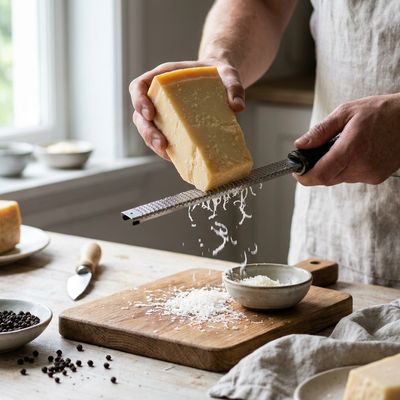
How to Grate Parmesan Cheese
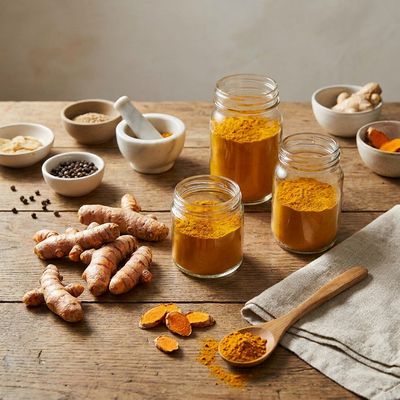
Turmeric: Uses, Substitutes, and How to Store It
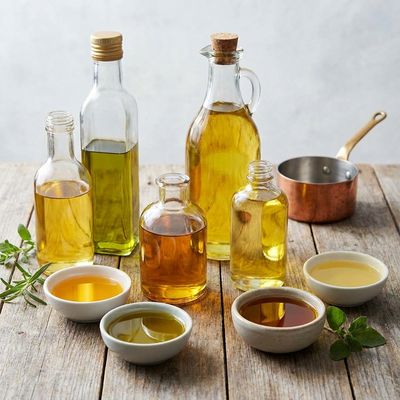
How Smoke Points Affect Your Cooking: A Guide to Choosing the Right Oil
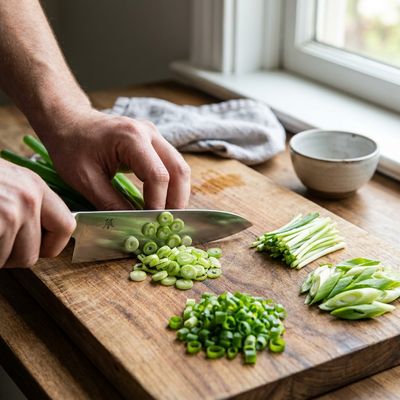
How to Slice Scallions
Comments
(0)Sign in to leave a comment.
You Might Like
Ad Space Available
Be the first to leave a comment.