Recipe Details
"Breadcrumbs are a versatile pantry staple made from dried or fresh bread, used to add crunch, bind ingredients, or extend dishes. This guide covers everything from selecting the right type to storing them properly for maximum freshness."
Ingredients
| Qty | Item |
|---|---|
| Ingredient list coming soon. | |
How to Make Breadcrumbs: Uses, Substitutes, and How to Store It
What Breadcrumbs Is
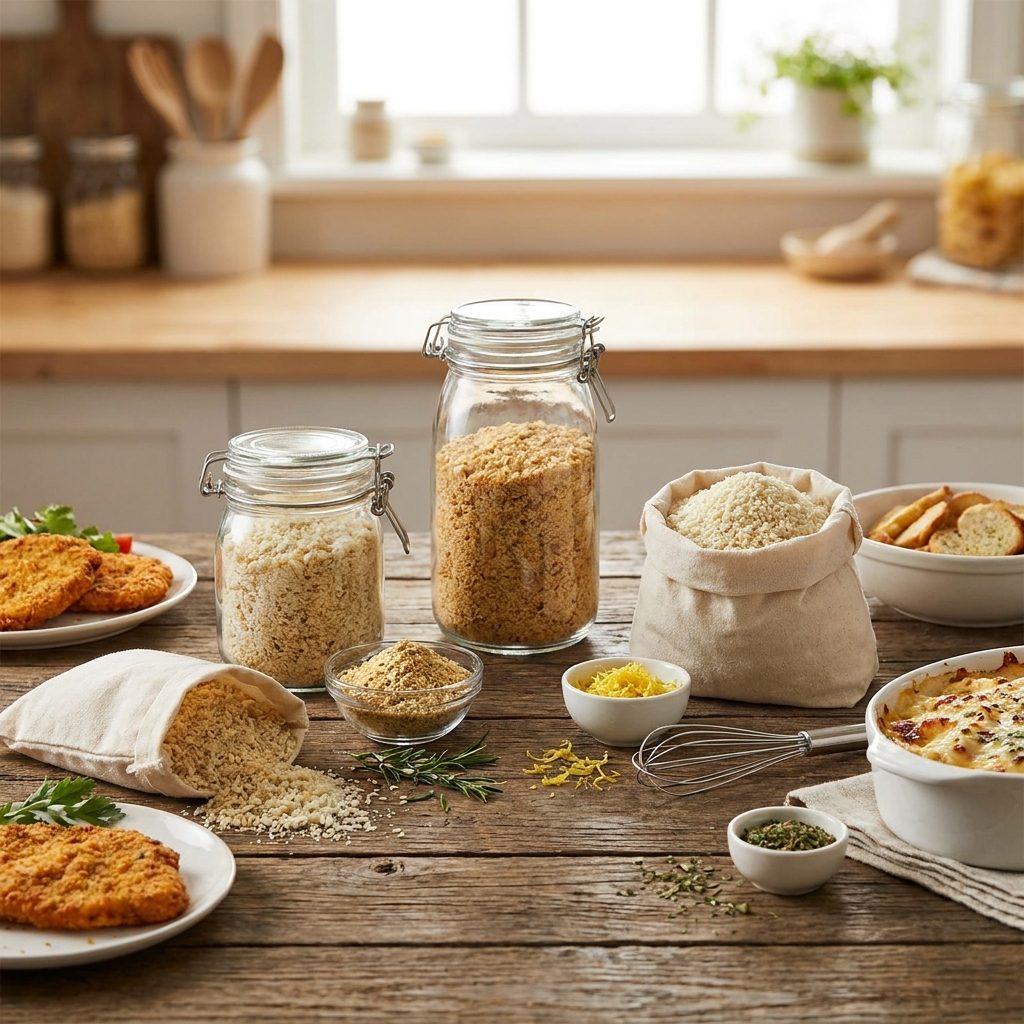
Breadcrumbs are small, crumb-like pieces of bread that have been dried or processed into a granular texture. They originate from stale or leftover bread, which is ground and often toasted to remove moisture. Commercially, breadcrumbs are made from white, whole wheat, or sourdough bread, and can be seasoned or plain. The two main types are fresh breadcrumbs (soft, from fresh bread) and dry breadcrumbs (crisp, from baked or toasted bread). Fresh breadcrumbs are typically made by pulsing day-old bread in a food processor for 10–15 seconds until you have coarse, fluffy crumbs about 2–4 mm in size. Dry breadcrumbs are made by baking fresh crumbs at 120°C (250°F) for 15–20 minutes, stirring halfway, until they are completely dry and pale golden. Panko, a Japanese variety, is made from bread baked with an electric current, producing large, jagged flakes that stay crispy longer—ideal for deep-frying at 180°C (350°F) for 2–3 minutes.
How to Choose Breadcrumbs
When buying breadcrumbs, check the ingredient list: the first ingredient should be bread (like wheat flour, water, yeast), not fillers or preservatives. For a neutral flavour, choose plain unseasoned breadcrumbs. For extra crunch, opt for panko, which are larger, flakier Japanese breadcrumbs. Look for a uniform crumb size—fine for binding, coarse for coating. Avoid breadcrumbs with added sugar or artificial flavours unless your recipe specifically calls for them. For gluten-free needs, look for breadcrumbs made from rice flour or cornmeal; these are often labelled as gluten-free and work well for coating chicken or fish. If you are making your own, use bread that is 1–2 days old—fresh bread will produce gummy crumbs. For a finer texture, sift dry breadcrumbs through a sieve with 1 mm holes; discard any large pieces or re-grind them.
How to Use Breadcrumbs in Cooking
Breadcrumbs serve multiple roles. As a coating: dredge chicken or fish in seasoned breadcrumbs before frying at 175°C (350°F) for 4–6 minutes per side until golden. For a thicker crust, use a three-step breading station: first coat in flour (50 g), then dip in beaten egg (1 large egg mixed with 1 tablespoon water), then press into breadcrumbs (100 g). Let the breaded item rest on a wire rack for 5 minutes before frying to help the coating adhere. As a binder: mix 1/2 cup (60 g) of breadcrumbs with 1 beaten egg and 500 g of minced meat for meatballs or burgers. If the mixture feels too wet, add another 2 tablespoons (15 g) of breadcrumbs; if too dry, add 1 tablespoon of milk. As a topping: sprinkle 1/4 cup (30 g) of breadcrumbs over a casserole or pasta bake before baking at 190°C (375°F) for 15–20 minutes to create a crispy crust. For extra browning, toss the breadcrumbs with 1 tablespoon of melted butter or olive oil before sprinkling. For thickening: stir 2 tablespoons (15 g) of fine breadcrumbs into soups or stews, simmering for 5 minutes. Start with 1 tablespoon per cup of liquid, then add more if needed—too many breadcrumbs can make the soup pasty.
Substitutes for Breadcrumbs
If you run out, three easy swaps work well. Rolled oats: use 1 cup (90 g) of rolled oats for every 1 cup of breadcrumbs. Pulse in a food processor until coarse; they add a slightly nutty flavour and work in meatballs or toppings. For a finer texture, pulse for 20–30 seconds until the oats resemble sand. Crackers: crush 1 cup (120 g) of plain crackers (like saltines) to replace 1 cup of breadcrumbs. They are saltier, so reduce added salt by 1/4 teaspoon. Crush the crackers in a sealed plastic bag using a rolling pin for 2–3 minutes until you have a uniform crumb. Almond flour: use 3/4 cup (85 g) of almond flour for 1 cup of breadcrumbs. It adds richness and works best for coating fish or vegetables, but browns faster—reduce oven temperature by 10°C (25°F). Almond flour also has a higher fat content, so it can clump; mix it with 1 tablespoon of cornstarch per cup to improve texture. Other substitutes include crushed cornflakes (use 1 cup, crushed to 1/2 cm pieces) or grated Parmesan cheese (use 1/2 cup, 50 g, for a savoury coating).
How to Store Breadcrumbs
Store dry breadcrumbs in an airtight container in a cool, dark pantry for up to 6 months. Fresh breadcrumbs should be refrigerated in a sealed bag or container and used within 3–5 days. For long-term storage, freeze both types: place in a freezer-safe bag, press out air, and freeze for up to 3 months. Thaw frozen breadcrumbs at room temperature for 15 minutes before use; no need to re-toast unless they feel damp. If you notice any off-smell or mould, discard immediately. To refresh stale dry breadcrumbs, spread them on a baking sheet and toast at 150°C (300°F) for 5–7 minutes, then cool completely before resealing. For fresh breadcrumbs, you can also freeze them in ice cube trays: pack 2 tablespoons per cube, freeze for 2 hours, then transfer to a bag. Use one cube per recipe as needed.
Common Mistakes
Mistake 1: Using stale breadcrumbs without toasting. Stale breadcrumbs can taste musty. Fix: toast them in a dry pan over medium heat for 3–5 minutes, stirring constantly, until fragrant and golden. Alternatively, spread them on a baking sheet and bake at 160°C (320°F) for 8–10 minutes, shaking the pan halfway. Mistake 2: Over-seasoning when using seasoned substitutes. If swapping with salted crackers or seasoned panko, you may oversalt the dish. Fix: taste the substitute first, then reduce added salt by 1/4 teaspoon per cup. For example, if using salted crackers, omit any additional salt in the recipe. Mistake 3: Using too fine crumbs for coating. Fine breadcrumbs can clump and burn quickly. Fix: use medium or coarse crumbs for frying, and shake off excess before cooking. If you only have fine crumbs, mix them with an equal amount of cornmeal or semolina to improve texture. Mistake 4: Not pressing the coating firmly. Loose breadcrumbs fall off during frying. Fix: after dredging, press the breadcrumbs onto the food with your hands, then let it rest for 5 minutes before cooking. Mistake 5: Over-baking breadcrumb toppings. Toppings can burn if left too long. Fix: add breadcrumb toppings during the last 10 minutes of baking, or cover the dish with foil for the first half of the cooking time.
Tips for Best Results
-
·
<ul><li>Make your own breadcrumbs by processing stale bread in a food processor; dry them in a 150°C (300°F) oven for 10 minutes for a crisp texture.</li><li>For extra flavour, toast breadcrumbs with a tablespoon of olive oil and garlic powder before using as a topping.</li><li>Store fresh breadcrumbs in the freezer in small portions so you can grab exactly what you need.</li><li>When using panko as a coating, press the crumbs firmly onto the food to ensure they stick during frying.</li></ul>
Frequently Asked Questions
Can I use breadcrumbs that are past their expiration date?
What is the difference between panko and regular breadcrumbs?
Can I substitute fresh breadcrumbs for dry in any recipe?
How do I make gluten-free breadcrumbs?
What to Cook Next
Next Recipe
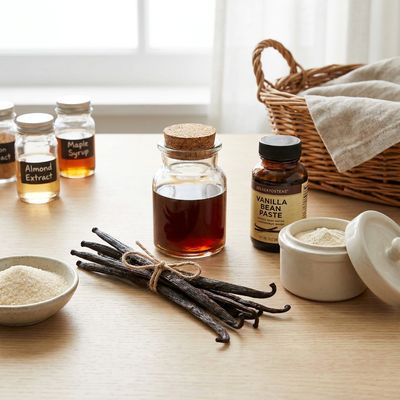
Vanilla: Uses, Substitutes, and How to Store It
Vanilla is a versatile spice derived from orchids of the genus Vanilla. This guide covers its origins, selection, cooking uses, substitutes, storage, and common mistakes to help you get the most out of this essential ingredient.
Similar Recipes to Try
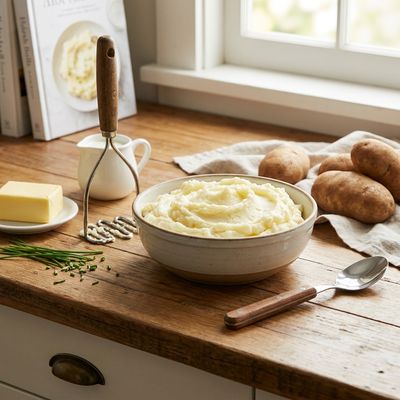
How To Make Mashed Potatoes
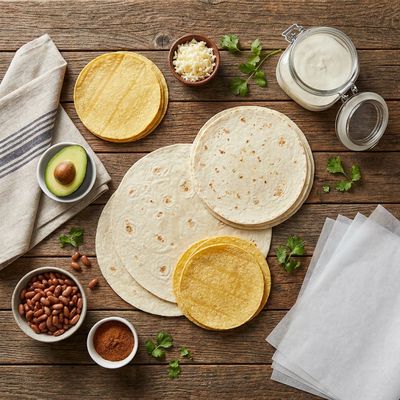
Tortillas: Uses, Substitutes, and How to Store It
Tomato Paste: Uses, Substitutes, and How to Store It
Chives: Uses, Substitutes, and How to Store It

How to Tell if Fish is Fresh: A Seafood Buying Guide
Why You Should Wash Your Leeks and How to Do It Properly
Lettuce: Uses, Substitutes, and How to Store It
Celery: Uses, Substitutes, and How to Store It
The Best Way to Store Leftover Soup and Stew
How to Whisk Egg Yolks
Comments
(0)Sign in to leave a comment.
You Might Like

Ad Space Available
Be the first to leave a comment.