Recipe Details
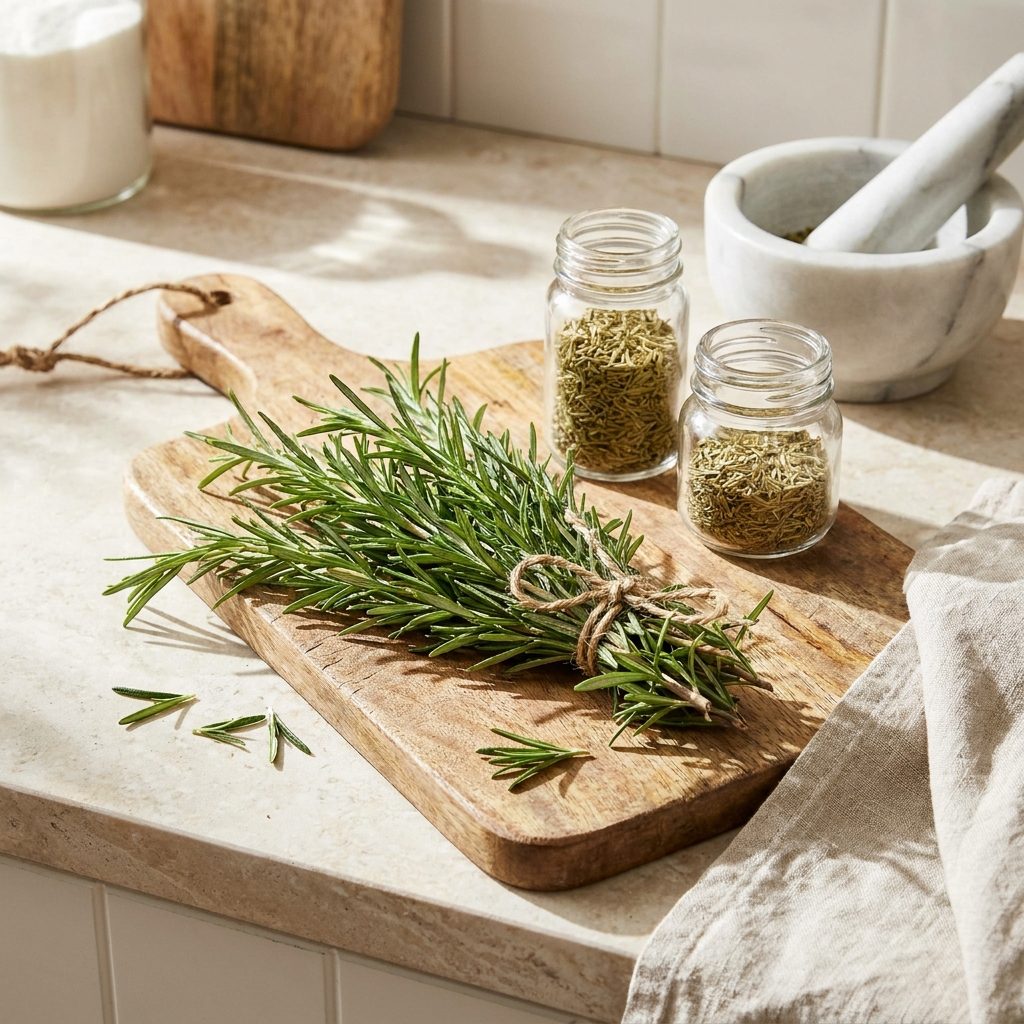
"Rosemary is a fragrant, needle-like herb from the Mediterranean, prized for its piney, slightly peppery flavour. This guide covers how to choose, use, substitute, and store fresh and dried rosemary for the best results in your kitchen."
Ingredients
| Qty | Item |
|---|---|
| Ingredient list coming soon. | |
How to Make Rosemary: Uses, Substitutes, and How to Store It
What Rosemary Is
Rosemary (Salvia rosmarinus) is a woody perennial herb native to the Mediterranean region. Its leaves resemble short, stiff pine needles and are dark green on top with a lighter, silvery underside. The plant belongs to the mint family (Lamiaceae) and has been used in cooking for centuries, particularly in Italian, French, and Spanish cuisines. Fresh rosemary has a strong, pine-like aroma with hints of lemon and camphor, while dried rosemary is more concentrated and slightly bitter. Both forms are widely available in supermarkets and farmers' markets.
How to Choose Rosemary
When buying fresh rosemary, look for sprigs with vibrant green, firm needles that are not wilted or yellowing. The stems should be pliable but not brittle. Avoid any sprigs with dark spots or a musty smell, as these indicate age or spoilage. For dried rosemary, check the jar for uniform colour (pale green to grey-green) and a strong, piney scent. Avoid dried rosemary that looks faded or has lost its aroma; it should be replaced every 6–12 months for best flavour.
How to Use Rosemary in Cooking
Rosemary pairs well with roasted meats, especially lamb, chicken, and pork. For a whole roast chicken, tuck 3–4 sprigs of fresh rosemary under the skin and inside the cavity before roasting at 190°C (375°F) for about 1 hour 15 minutes. It also enhances root vegetables: toss 2 tablespoons of chopped fresh rosemary with 500 g of potatoes, carrots, or parsnips, drizzle with olive oil, and roast at 200°C (400°F) for 30–40 minutes. In stews and soups, add 1–2 sprigs whole and remove before serving, or stir in 1 teaspoon of dried rosemary per litre of liquid. Rosemary can be used in breads and focaccia: sprinkle 1 tablespoon of chopped fresh needles over the dough before baking at 220°C (425°F) for 20–25 minutes. For marinades, combine 2 tablespoons of chopped rosemary with 60 ml olive oil, 2 cloves of minced garlic, and the juice of half a lemon; let meat sit for at least 30 minutes.
Substitutes for Rosemary
Thyme: Use fresh thyme as a 1:1 substitute for fresh rosemary. Thyme is milder and less piney, so add an extra sprig if you want a stronger flavour. Works best in stews, soups, and roasted dishes. Oregano: Use dried oregano as a 1:1 substitute for dried rosemary. Oregano has a more earthy, slightly bitter profile; reduce the quantity by 25% if you prefer a milder taste. Good for tomato-based sauces and grilled meats. Sage: Use fresh sage as a 1:1 substitute for fresh rosemary. Sage has a more pungent, slightly peppery flavour; use 1–2 leaves per sprig of rosemary called for. Best in poultry, pork, and bean dishes.
How to Store Rosemary
Pantry: Dried rosemary should be stored in an airtight container away from light and heat. It will last 6–12 months. Fridge: Fresh rosemary sprigs can be wrapped in a damp paper towel and placed in a plastic bag; they will keep for 1–2 weeks. Alternatively, stand the sprigs upright in a glass with 2.5 cm of water, cover loosely with a plastic bag, and refrigerate; change the water every 2–3 days. Freezer: To freeze fresh rosemary, strip the needles from the stems and place them in a freezer bag. They will last 6–8 months. You can also freeze whole sprigs on a baking sheet for 1 hour, then transfer to a bag; use directly from frozen in cooked dishes.
Common Mistakes
1. Using too much dried rosemary. Dried rosemary is more concentrated than fresh. A common ratio is 1 teaspoon dried for every 1 tablespoon fresh. Too much can make dishes bitter and overpowering. 2. Not removing woody stems. Rosemary stems are tough and unpleasant to chew. Always strip the needles from the stem before chopping, or use whole sprigs and remove them before serving. 3. Adding rosemary too early in cooking. Fresh rosemary can become bitter if cooked for too long. Add it in the last 10–15 minutes of simmering or roasting to preserve its flavour.
Tips for Best Results
-
·
<ul><li>To easily strip rosemary needles, hold the top of the sprig with one hand and run your thumb and forefinger down the stem from top to bottom.</li><li>For a milder flavour, crush the needles lightly with a mortar and pestle before adding to dishes.</li><li>Rosemary sprigs make excellent skewers for grilled meats or vegetables – soak them in water for 30 minutes first to prevent burning.</li><li>Add a sprig of rosemary to the oil when frying eggs or potatoes for a subtle, aromatic lift.</li></ul>
Frequently Asked Questions
Can I use dried rosemary instead of fresh?
How do I chop rosemary without it flying everywhere?
Can I freeze rosemary?
What does rosemary pair well with?
What to Cook Next

Next Recipe
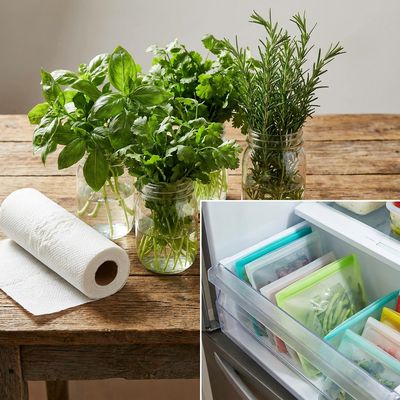
How to Store Fresh Herbs to Make Them Last for Weeks
Fresh herbs are the soul of vibrant cooking, yet they are often the first items to wilt in the refrigerator. This guide provides a comprehensive roadmap for selecting, classifying, and storing herbs to extend their culinary life from days to weeks.
Similar Recipes to Try
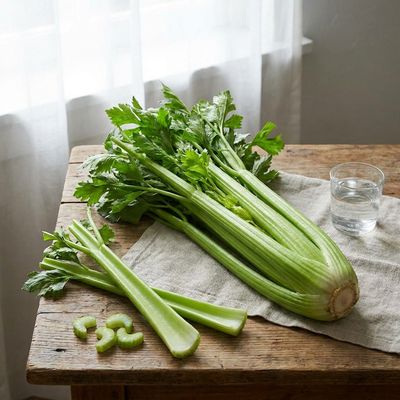
Celery: Uses, Substitutes, and How to Store It

Rosemary Lamb Chops
25 min
Air Fryer Herb-Crusted Pork Chops
30 min
Cider Vinegar: Uses, Substitutes, and How to Store It
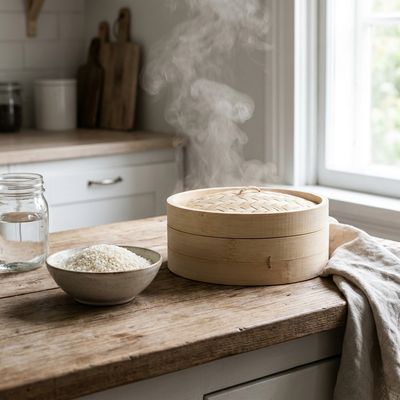
How to Steam White Rice

How to Prep and Store Asparagus to Keep It Crisp

How Smoke Points Affect Your Cooking: A Guide to Choosing the Right Oil

How to Render Fat

A Beginner's Guide to Buying and Using Different Types of Cooking Oils
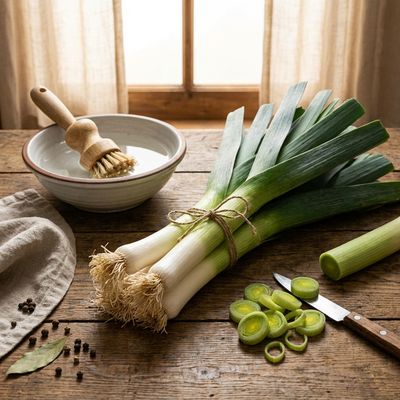
Why You Should Wash Your Leeks and How to Do It Properly
Comments
(0)Sign in to leave a comment.
You Might Like


Ad Space Available
Be the first to leave a comment.