The Starch Retrogradation Problem
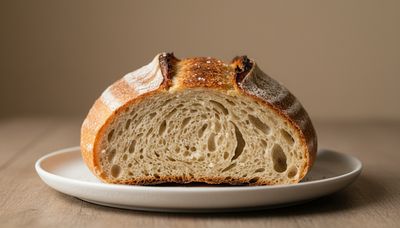
The primary reason baked goods go stale isn't just moisture loss; it is a process called starch retrogradation. In bread, starch molecules recrystallize at cool temperatures, pushing moisture out and making the crumb tough. To fix this, never store crusty artisan breads in the refrigerator, as this accelerates staling by up to six times.
Reviving Hard Bread and Crusty Loaves
If your bread has already turned into a brick, do not throw it away. You can reverse retrogradation by adding heat and moisture. Lightly mist the crust with water and place it in a 350°F oven for 5 to 10 minutes. The heat re-gelatinizes the starches, restoring the soft interior and crisp exterior temporarily.
Soft vs. Crispy: The Cookie Dilemma
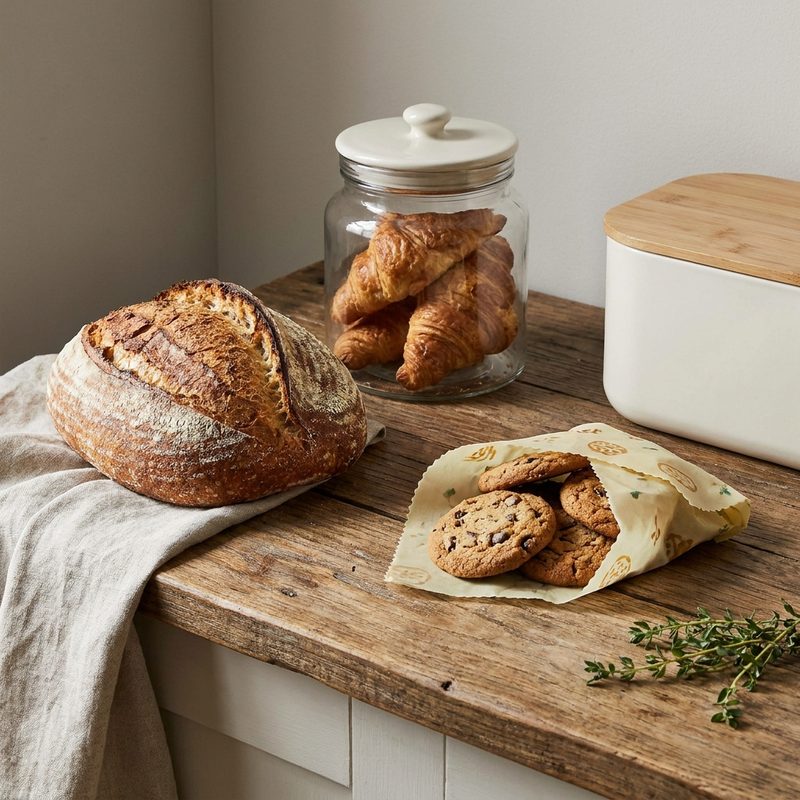
The most common mistake is storing soft cookies and crispy cookies in the same container. Moisture always seeks equilibrium; the soft cookies will lose moisture to the crispy ones, leaving you with dry cookies and soggy ones. To fix this, always store different textures in separate airtight containers. If soft cookies have already hardened, place a slice of plain white bread in the container; the cookies will absorb the bread's moisture overnight.
Fixing Gummy Cake Crusts
Cakes often develop a sticky, gummy surface when wrapped while still slightly warm. This happens because steam becomes trapped, condensing on the surface. To prevent this, ensure cakes are 100% cool to the touch before covering. For frosted cakes, the frosting acts as a natural insulator, so you only need to cover the exposed cut sides with plastic wrap to prevent the sponge from drying out.
Managing Moisture in Pastries and Pies
Fruit pies and puff pastries suffer from 'soggy bottom' syndrome when stored in plastic wrap, which traps humidity. To maintain a crisp crust, store these at room temperature in a cardboard box or loosely covered with a clean tea towel for the first 24 hours. If they lose their crunch, a quick 5-minute toast in a toaster oven will draw out excess moisture and crisp up the fat layers.
Key Takeaways
- ✓ <html><ul><li>Always cool baked goods completely on a wire rack to prevent bottom-side condensation.</li><li>Freeze bread in slices so you can toast only what you need, bypassing the staling phase.</li><li>Use airtight glass containers for cookies to prevent them from absorbing odors from the pantry.</li><li>Avoid the refrigerator for anything that isn't dairy-based, as the cold air strips moisture from starches.</li></ul></html>