Recipe Details
"Fish sauce is a pungent, salty condiment made from fermented fish and salt, essential in Southeast Asian cuisines. This guide covers what it is, how to select quality bottles, and practical tips for cooking with it. You'll also find reliable substitutes and proper storage methods to keep your fish sauce fresh."
Ingredients
| Qty | Item |
|---|---|
| Ingredient list coming soon. | |
How to Make Fish Sauce: Uses, Substitutes, and How to Store It
What Fish Sauce Is
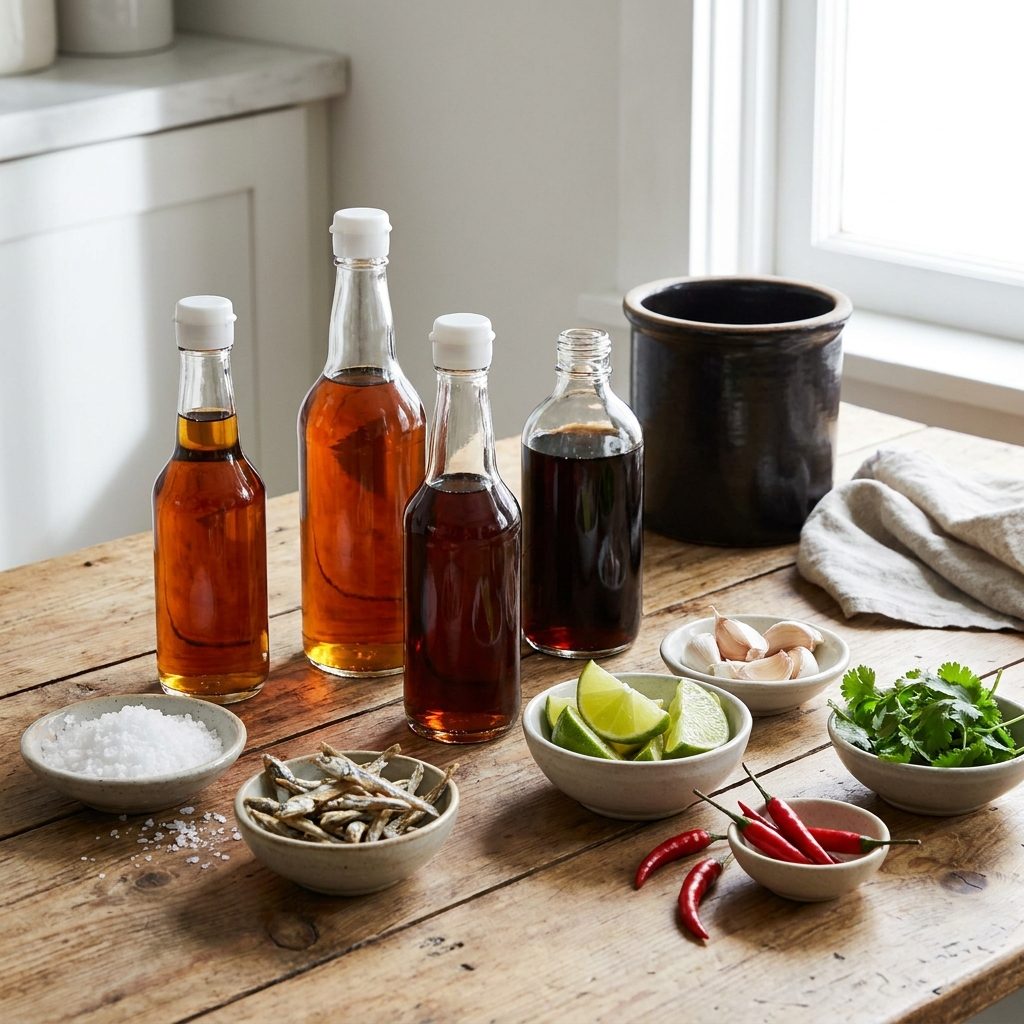
Fish sauce is a liquid condiment produced by layering small fish, typically anchovies, with sea salt at a ratio of roughly 3 parts fish to 1 part salt by weight, and allowing them to ferment for several months to two years. The enzymes from the fish break down proteins into amino acids, creating a deeply savoury, umami-rich liquid. The fermentation temperature is traditionally ambient, around 30–35°C in tropical regions, which accelerates enzyme activity. After fermentation, the liquid is drained and often aged further in ceramic jars for up to 18 months to mellow harsh notes. Originating in Southeast Asia, it is a cornerstone of Thai, Vietnamese, and Filipino cooking, adding a salty, briny depth that cannot be replicated by salt alone. Premium brands like Red Boat (Vietnam) or Megachef (Thailand) use only wild-caught anchovies and sea salt, yielding a protein content of 35–40g per 100ml.
How to Choose Fish Sauce
When buying fish sauce, look for bottles that list only two ingredients: fish and salt. Avoid products with added sugar, preservatives, or hydrolysed vegetable protein, which indicate lower quality. The colour should be a clear, amber-brown; cloudy or dark brown sauces may be over-fermented or contain additives. Check the protein content on the label — a higher protein percentage (typically 30–40g per 100ml) signals a richer, more complex flavour. For the best results, choose a sauce from a reputable producer in Thailand or Vietnam. Avoid bottles with a dark, opaque appearance or a harsh, chemical smell — these often indicate shortcuts like using low-quality fish or excessive salt. A good fish sauce should smell pungent but not ammoniated; if it smells like rotten eggs or ammonia, it has spoiled or been poorly made. Price is also a clue: a 750ml bottle under $5 USD is likely cut with water or additives.
How to Use Fish Sauce in Cooking
Fish sauce is incredibly versatile but must be used judiciously due to its strong aroma. Add it early in cooking for stews, braises, and soups (like pho or tom yum) at a ratio of about 1 tablespoon per 4 servings to build depth. For stir-fries and dipping sauces, add it near the end to preserve its pungency — start with 1 teaspoon and adjust. A splash of fish sauce can also enhance Western dishes: try 1 teaspoon in a bolognese (add with the tomatoes), vinaigrette (1 teaspoon per 3 tablespoons oil and 1 tablespoon vinegar), or even on roasted vegetables (drizzle ½ teaspoon over broccoli before roasting at 200°C for 20 minutes). Always taste before adding more, as different brands vary in saltiness — Red Boat is saltier than Three Crabs, so reduce added salt accordingly. For a classic Vietnamese dipping sauce (nước chấm), mix 3 tablespoons fish sauce, 3 tablespoons lime juice, 2 tablespoons sugar, 1 minced garlic clove, and 1 sliced Thai chili; let sit 10 minutes for flavours to meld.
Substitutes for Fish Sauce
If you run out, three reliable swaps exist. Soy sauce is the simplest: use an equal amount (1:1), but note it lacks the briny, fermented complexity. Worcestershire sauce works well in savoury dishes — substitute 1 tablespoon fish sauce with 1 tablespoon Worcestershire, but expect a sweeter, tangier profile due to tamarind and molasses. For a vegan option, soy sauce mixed with mushroom powder: combine 1 tablespoon soy sauce with ½ teaspoon ground dried shiitake mushrooms. This mimics the umami and depth, though it is less salty — adjust salt to taste. Another vegan alternative: 1 tablespoon soy sauce plus 1 teaspoon miso paste dissolved in 1 tablespoon water, which adds fermented bean complexity. None of these replicate the exact flavour, so adjust other seasonings accordingly.
How to Store Fish Sauce
An unopened bottle of fish sauce can be stored in a cool, dark pantry for up to two years. Once opened, transfer it to the refrigerator; there it will keep for at least one year without significant flavour loss. Do not freeze fish sauce — the high salt content (around 20–25% by weight) prevents freezing solid, and thawing can degrade the flavour. Always seal the bottle tightly after each use to prevent oxidation and odour transfer. If you notice a darkening colour or a stronger, more ammoniated smell after opening, it has begun to degrade; use it within 3–6 months for best quality. Avoid storing near strong-smelling foods like onions or garlic, as the sauce can absorb odours through the cap.
Common Mistakes
Using too much at once. Fish sauce is potent; adding more than 1–2 tablespoons to a dish can overwhelm it. Start with a small amount (½ teaspoon per serving) and build up gradually. Adding it too late in long-cooked dishes. In soups or stews, add fish sauce early (first 10 minutes of simmering) so its harsh raw aroma mellows into a savoury backbone. Storing it in a warm place. After opening, leaving fish sauce in a pantry accelerates spoilage and flavour loss. Always refrigerate it to maintain quality. Using it as a direct salt substitute. Fish sauce adds umami but not the same salinity as table salt — if replacing salt, use 1 tablespoon fish sauce for every 1 teaspoon salt, but reduce other liquids slightly. Not shaking the bottle. Sediment can settle; shake well before each use to distribute flavour evenly.
Tips for Best Results
-
·
<ul><li>Start with 1 teaspoon per serving and adjust — fish sauce is far saltier than soy sauce.</li><li>To reduce the strong smell, add fish sauce early in cooking for long-simmered dishes.</li><li>Use a high-quality fish sauce for dipping sauces where it is uncooked; a cheaper one works fine for cooking.</li><li>Store opened fish sauce in the fridge, not the pantry, to preserve its flavour for up to a year.</li></ul>
Frequently Asked Questions
Can I use fish sauce if I'm allergic to fish?
Does fish sauce need to be refrigerated after opening?
Can I substitute fish sauce with salt?
Is fish sauce gluten-free?
What to Cook Next


Next Recipe
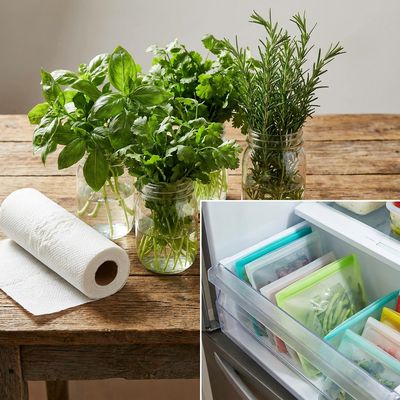
How to Store Fresh Herbs to Make Them Last for Weeks
Fresh herbs are the soul of vibrant cooking, yet they are often the first items to wilt in the refrigerator. This guide provides a comprehensive roadmap for selecting, classifying, and storing herbs to extend their culinary life from days to weeks.
Similar Recipes to Try
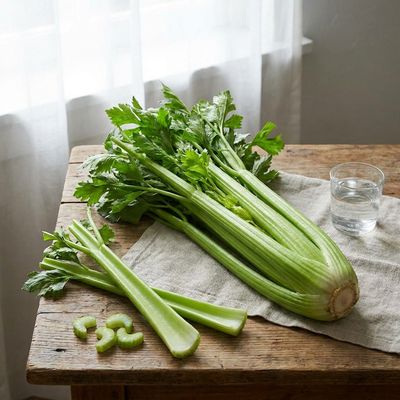
Celery: Uses, Substitutes, and How to Store It

Dairy-Free Milk Substitutes: Which Plant-Based Milk is Best for Cooking?

The Ultimate Guide to Essential Knife Skills for Beginners

How to Grate Parmesan Cheese
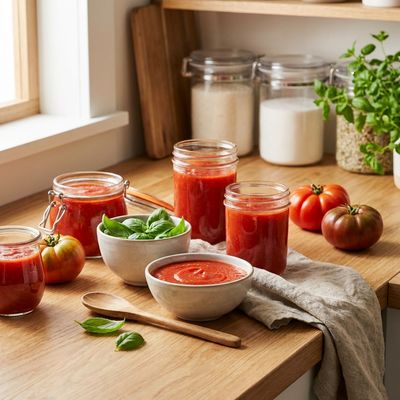
Tomato Puree: Uses, Substitutes, and How to Store It

Parmesan Zucchini Fries with Marinara Dipping Sauce
35 min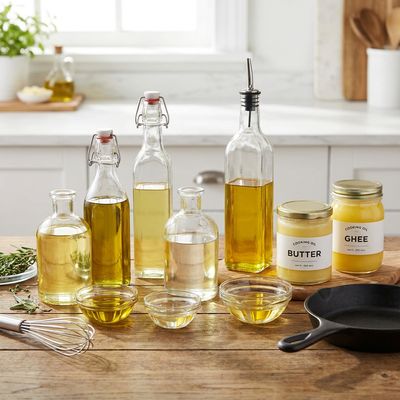
The Best Cooking Oil Substitutes for High-Heat vs. Cold Dishes

Friday Fish Fry with Beer Battered Haddock
45 min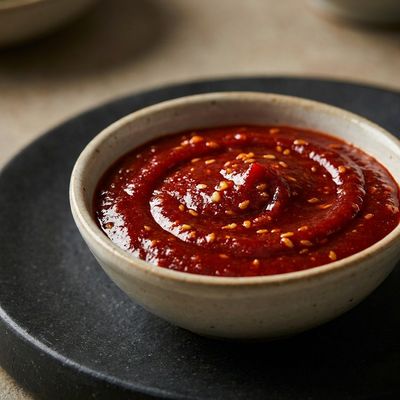
Gochujang Sauce Base for Korean Cooking
15 min
How to Store Kitchen Knives to Keep Them Sharp Longer
Comments
(0)Sign in to leave a comment.
You Might Like

Ad Space Available
Be the first to leave a comment.