Recipe Details
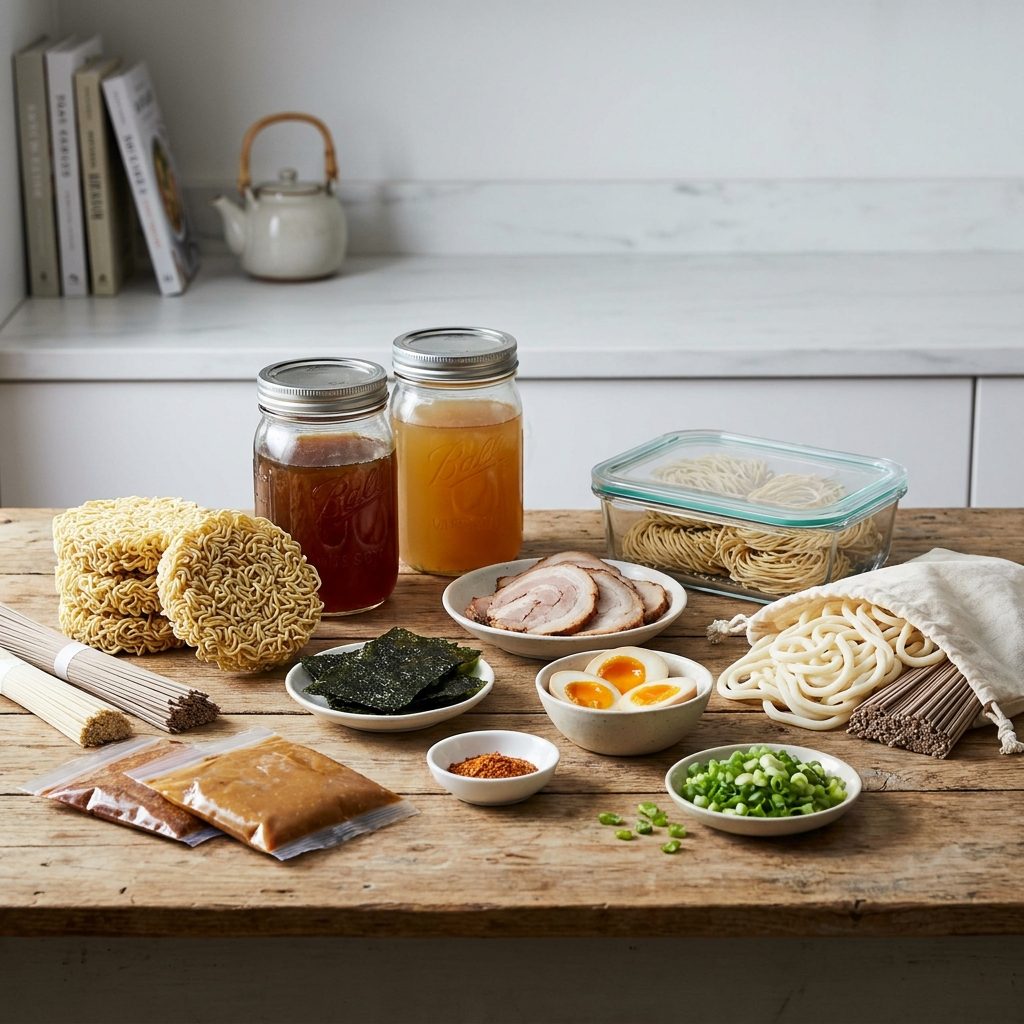
"Ramen noodles are a versatile, wheat-based noodle originally from Japan, known for their springy texture and ability to absorb broth. This guide covers how to choose the best ramen noodles, cooking techniques, substitutes, storage methods, and common mistakes to avoid."
Ingredients
| Qty | Item |
|---|---|
| Ingredient list coming soon. | |
How to Make Ramen Noodles: Uses, Substitutes, and How to Store It
What Ramen Noodles Is
Ramen noodles are thin, wheat-based noodles made from wheat flour, water, salt, and kansui—an alkaline mineral water that gives them their characteristic chewiness and yellow hue. Originating from China but perfected in Japan, ramen noodles are the foundation of the popular soup dish of the same name. Unlike pasta, they contain no eggs, and their alkaline pH helps them hold up in hot broth without turning mushy.
How to Choose Ramen Noodles
Fresh ramen noodles are ideal for the best texture, but dried and instant varieties are more common in home kitchens. Look for fresh noodles in the refrigerated section of Asian grocery stores—they should feel springy and have a short shelf life. Dried ramen noodles (not instant) are a good pantry option; check the ingredient list for kansui or alkaline salts. Avoid noodles with added flavouring packets if you want to control the seasoning yourself. For instant ramen, choose brands that use air-dried rather than fried noodles for a slightly better texture.
How to Use Ramen Noodles in Cooking
To cook fresh ramen noodles, bring a large pot of water to a rolling boil (about 4 litres per 200g of noodles). Add the noodles and cook for 1–3 minutes, stirring gently to separate them. Drain immediately and rinse under cold water to stop cooking and remove excess starch. For dried ramen noodles, boil for 3–4 minutes. Never cook ramen noodles in the broth—they release starch and cloud the liquid. Instead, cook them separately, then add to the finished broth just before serving. For a quick stir-fry, blanch the noodles first, then toss them in a hot wok with oil and vegetables for 1–2 minutes.
Substitutes for Ramen Noodles
1. Udon noodles: Thicker and softer than ramen, with a similar chew. Use a 1:1 ratio by weight. They work well in broths but will be less springy. 2. Soba noodles: Made from buckwheat, soba has a nutty flavour and is more delicate. Use a 1:1 ratio, but cook for only 2–3 minutes and be careful not to overcook them. 3. Spaghetti: In a pinch, use dried spaghetti. Cook it in boiling water with 1 teaspoon of baking soda per litre of water to mimic the alkaline texture of ramen. Use a 1:1 ratio by weight, and cook until just al dente.
How to Store Ramen Noodles
Fresh ramen noodles should be stored in the refrigerator in their original packaging and used within 2–3 days. For longer storage, freeze fresh noodles in a single layer on a baking sheet, then transfer to a freezer bag; they will keep for up to 3 months. Cooked ramen noodles can be stored in the fridge for 2–3 days in an airtight container—toss them with a little sesame oil to prevent sticking. Dried and instant ramen noodles keep in a cool, dry pantry for 6–12 months, but check the package date.
Common Mistakes
1. Overcooking the noodles: Ramen noodles cook quickly—usually in 1–4 minutes. Overcooking makes them mushy. Always set a timer and test a strand a minute before the suggested time. 2. Not rinsing after boiling: Skipping the cold water rinse leaves excess starch on the noodles, making the broth cloudy and the noodles sticky. Rinse thoroughly under cold running water. 3. Cooking noodles in the broth: Boiling ramen noodles directly in the broth releases starch and can make the broth thick and pasty. Always cook them separately in plain water, then add them to the bowl with the broth.
Tips for Best Results
-
·
<ul><li>For extra springy noodles, add a splash of rice vinegar to the boiling water.</li><li>To prevent noodles from clumping after rinsing, toss them with a teaspoon of sesame or vegetable oil.</li><li>If using instant ramen, discard the seasoning packet and make your own broth for better flavour control.</li><li>Always undercook the noodles by 30 seconds if you plan to reheat them in the soup later.</li></ul>
Frequently Asked Questions
Can I use ramen noodles in cold dishes?
What is kansui and can I substitute it?
How do I know when ramen noodles are done?
Can I freeze cooked ramen noodles?
What to Cook Next
Next Recipe
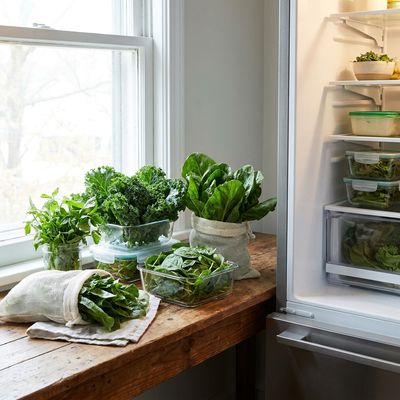
The Best Way to Store Leafy Greens to Keep Them From Wilting
Leafy greens are a nutritional powerhouse, but they are notoriously prone to wilting and spoilage. This guide explores the best methods to maintain crispness and extend the shelf life of your favorite greens through proper selection and storage science.
Similar Recipes to Try
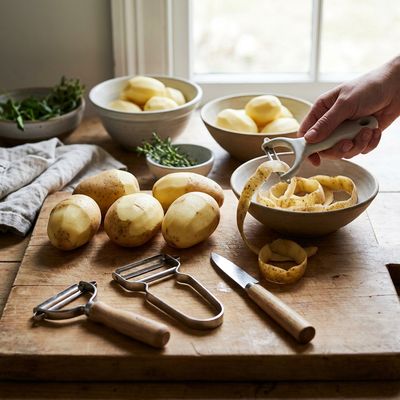
How to Peel Potatoes
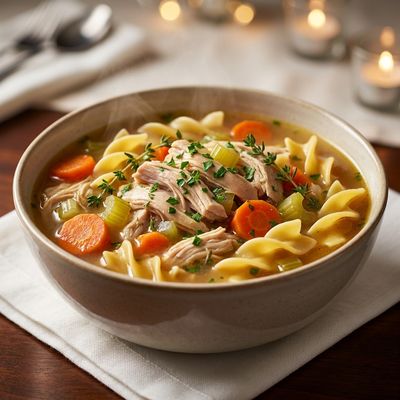
Classic Slow Cooker Chicken Noodle Soup
375 min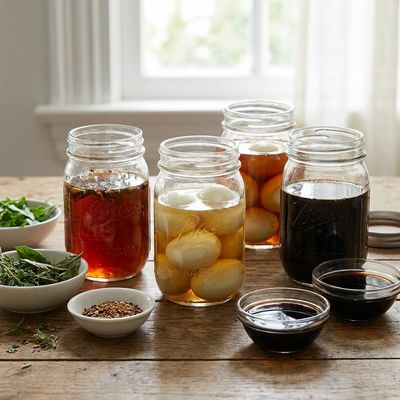
How to Marinate Eggs
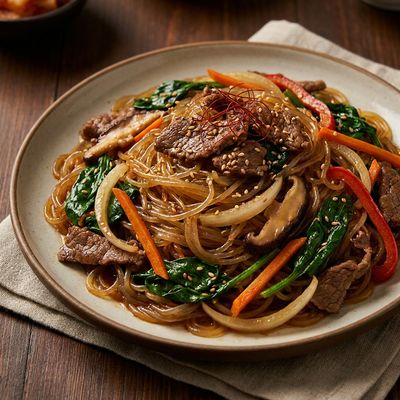
Japchae Sweet Potato Glass Noodles
45 min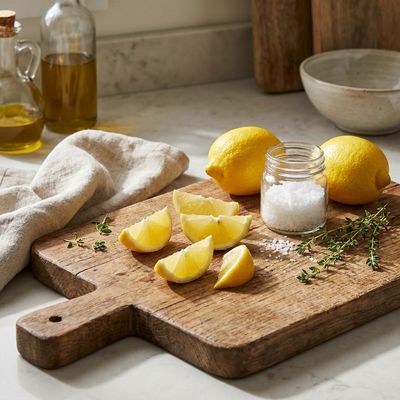
Lemon Wedges: Uses, Substitutes, and How to Store It
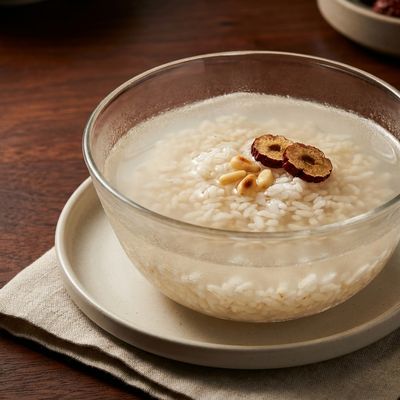
Sikhye Sweet Korean Rice Drink
420 min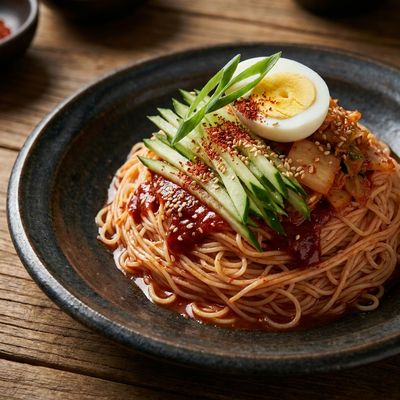
Bibim Guksu Cold Spicy Noodles
25 min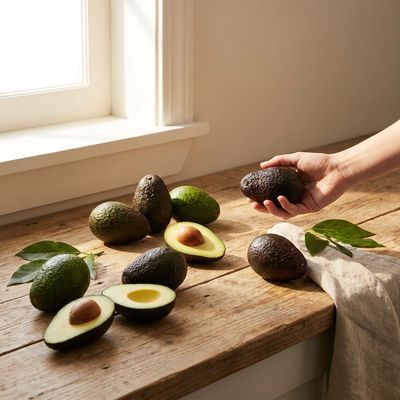
How to Pick a Ripe Avocado Every Time
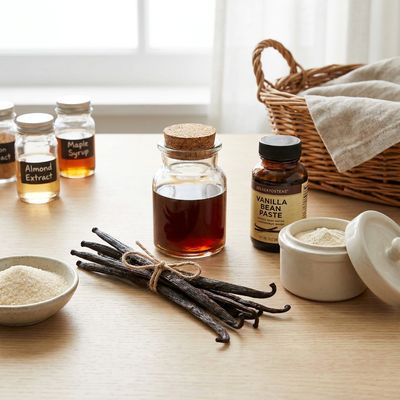
Vanilla: Uses, Substitutes, and How to Store It
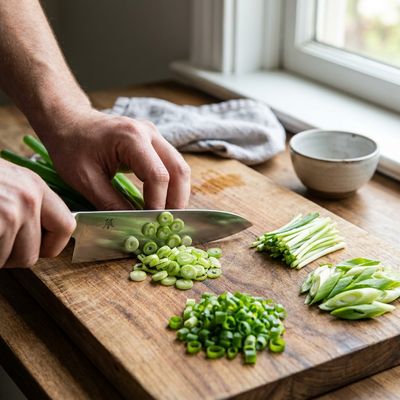
How to Slice Scallions
Comments
(0)Sign in to leave a comment.
You Might Like

Ad Space Available
Be the first to leave a comment.