Recipe Details
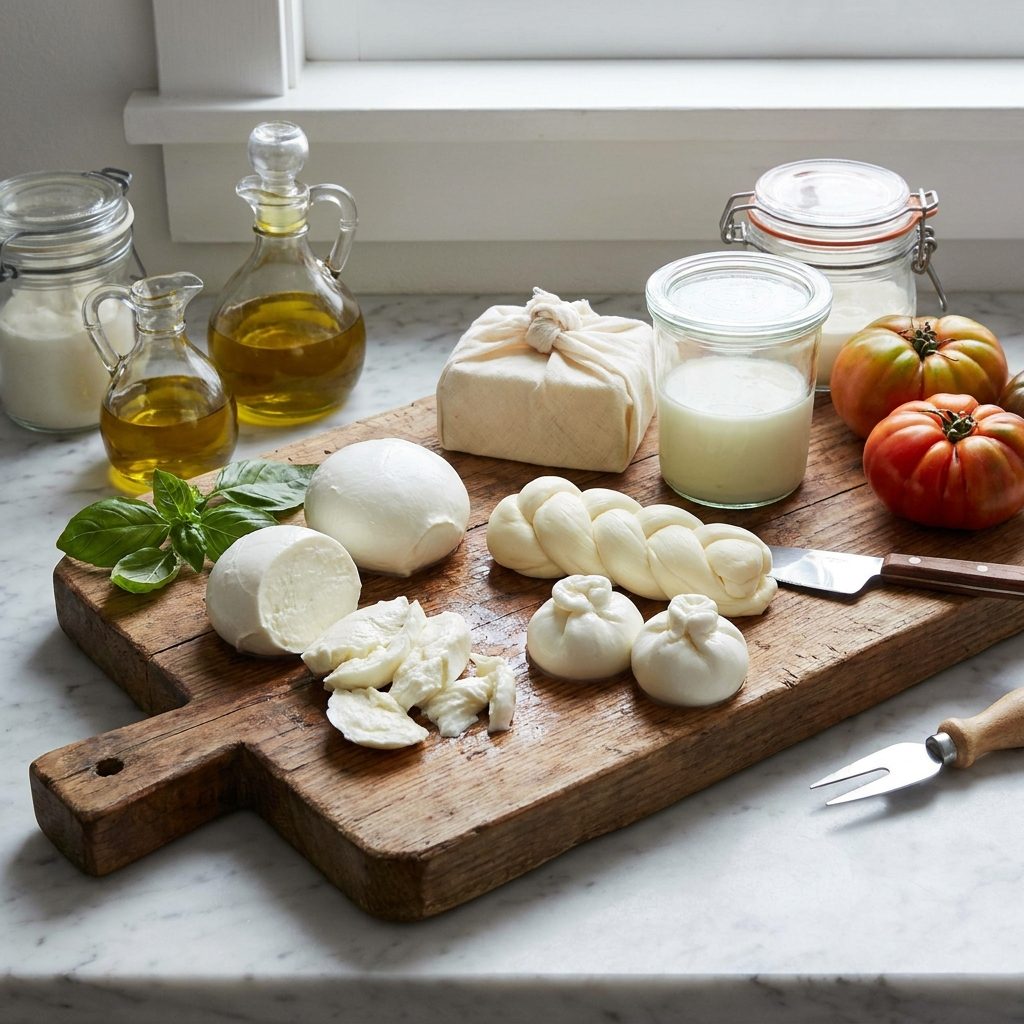
"Mozzarella is a fresh, mild Italian cheese prized for its creamy texture and excellent melting qualities. This guide covers everything you need to know, from selecting the right type to using it in cooking, storing it properly, and finding suitable substitutes."
Ingredients
| Qty | Item |
|---|---|
| Ingredient list coming soon. | |
How to Make Mozzarella: Uses, Substitutes, and How to Store It
What Mozzarella Is
Mozzarella is a soft, unripened cheese traditionally made from Italian buffalo milk (mozzarella di bufala) or cow’s milk (fior di latte). It originated in southern Italy and is made by stretching and kneading curds in hot whey, a process called pasta filata. Fresh mozzarella is sold packed in brine or whey, while low-moisture mozzarella is aged longer and has a firmer, drier texture, often used for pizza. The buffalo version, typically from Campania, has a higher fat content (around 8-9% versus 5-6% for cow’s milk) and a more delicate, grassy flavor. Fresh mozzarella is usually consumed within 48 hours of production for peak quality, though commercial versions can last longer. Low-moisture mozzarella, often labeled 'pizza cheese,' has a moisture content of 45-52% compared to 52-60% for fresh, and is aged for at least a week, giving it a slightly tangy, milky taste and a rubbery, elastic texture when melted.
How to Choose Mozzarella
For fresh mozzarella, look for balls that are plump, moist, and creamy white, packaged in liquid. They should feel springy and not release excess water. Avoid any with a sour smell or slimy surface. The brine should be clear, not cloudy, and the cheese should be free of brown spots. For buffalo mozzarella, the surface should be smooth and slightly glossy; if it looks dull or wrinkled, it’s past its prime. Low-moisture mozzarella should be pale yellow, firm, and free from cracks or mold. Check the sell-by date and choose a block with a smooth, even color—yellowing indicates age or oxidation. For pizza, pre-shredded varieties often contain anti-caking agents like potato starch or cellulose, which inhibit melting and can leave a powdery residue. Buying a block and shredding it yourself gives a better result; shred it cold and use within 30 minutes for optimal melt.
How to Use Mozzarella in Cooking
Fresh mozzarella shines uncooked in Caprese salads with tomatoes and basil, or as a topping for bruschetta. For melted dishes like lasagna or baked pasta, use low-moisture mozzarella; it melts evenly without becoming watery. When adding to pizza, slice or shred it and apply halfway through baking to avoid burning—about 8 minutes into a 12-minute bake at 250°C (480°F). For a creamy finish on pasta, tear fresh mozzarella into small pieces and stir in off the heat just before serving; the residual heat will melt it gently without separating. Fresh mozzarella can also be breaded and fried (mozzarella sticks) but must be frozen solid first to prevent leaking. For grilled cheese, use low-moisture mozzarella blended with cheddar for a better stretch and flavor. In caprese, slice fresh mozzarella 1/4-inch thick and alternate with tomato slices; drizzle with olive oil and balsamic reduction.
Substitutes for Mozzarella
Provolone: Use a 1:1 ratio. It has a slightly sharper, saltier flavor but melts similarly, making it ideal for pizza or baked dishes. For a milder taste, use provolone dolce rather than provolone piccante. Fontina: Substitute in equal amounts for a creamier, nuttier melt; it works best in sauces and gratins. Fontina has a higher moisture content, so it may brown faster—reduce oven temperature by 10°C (25°F) if using it alone. Fresh ricotta: Use 1.5 times the amount of mozzarella called for (e.g., 150g ricotta for 100g mozzarella) in lasagna or stuffed pasta, but note it won’t stretch or brown. For a closer texture, mix ricotta with a little grated Parmesan and an egg to bind. Smoked mozzarella (scamorza): Use 1:1, but expect a smoky flavor that pairs well with grilled vegetables. Vegan mozzarella: Look for brands based on cashews or tapioca starch; they melt but may not stretch. Use 1:1, but add a splash of plant milk to improve creaminess.
How to Store Mozzarella
Fresh mozzarella must be refrigerated in its brine or whey; it keeps for 5–7 days once opened. Change the liquid every 2 days to extend freshness. If the brine is lost, store in a mixture of 1 cup water and 1 teaspoon salt. Low-moisture mozzarella, if unopened, lasts up to 6 months in the fridge; once opened, wrap tightly in plastic and use within 2 weeks. For freezing, low-moisture mozzarella can be frozen in a sealed bag for up to 3 months—thaw in the fridge overnight and use for cooking only, as texture becomes crumbly. Fresh mozzarella does not freeze well; freezing destroys its delicate structure, resulting in a rubbery, watery mess upon thawing. If you must freeze fresh mozzarella, use it in cooked dishes within 1 month, but expect a loss of flavor.
Common Mistakes
Overheating fresh mozzarella: High heat causes it to separate into a greasy curd and watery liquid. Keep cooking at low to moderate temperatures (below 180°C/350°F) and add it near the end. For example, in a baked pasta, add fresh mozzarella in the last 5 minutes of baking. Using pre-shredded cheese for melting: Anti-caking powders prevent smooth melting. Always shred from a block for best results. Shredding fresh mozzarella is difficult; instead, tear it into small pieces. Not draining fresh mozzarella: Excess moisture can make sauces watery or pizza soggy. Pat dry with paper towels and let it sit for 5 minutes before using. For pizza, slice fresh mozzarella and place on a paper towel for 10 minutes to draw out moisture. Adding fresh mozzarella too early in cooking: It will curdle and release whey. Add it at the very end or use low-moisture for long-cooking dishes. Storing fresh mozzarella in water without salt: It will become bland and absorb water. Always keep it in a salted brine (1 teaspoon salt per cup of water).
Tips for Best Results
-
·
<ul><li>For a perfect melt, shred low-moisture mozzarella from a block and let it come to room temperature for 15 minutes before using.</li><li>Fresh mozzarella slices best when chilled; use a sharp knife and wipe the blade between cuts to avoid sticking.</li><li>To reheat leftover pizza, place it in a cold skillet, cover, and warm over medium-low heat for 5–7 minutes to restore crispness.</li><li>Add a pinch of salt to fresh mozzarella before serving to enhance its mild flavor.</li></ul>
Frequently Asked Questions
What is the difference between fresh and low-moisture mozzarella?
Can I freeze mozzarella?
What is the best substitute for mozzarella on pizza?
How long does fresh mozzarella last in the fridge?
What to Cook Next

Next Recipe
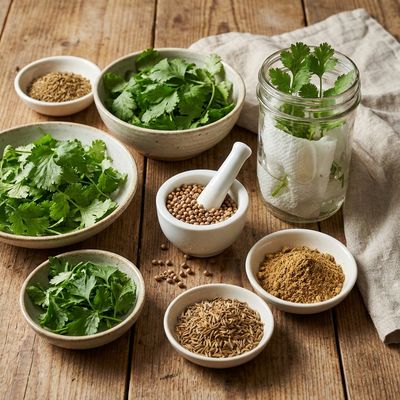
Coriander: Uses, Substitutes, and How to Store It
This guide covers everything you need to know about coriander, from its origins and how to select it to practical cooking techniques, substitutions, and proper storage. Whether you use the fresh leaves or dried seeds, these tips will help you get the most out of this versatile ingredient.
Similar Recipes to Try
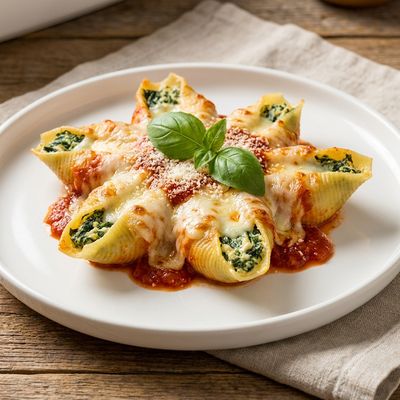
Spinach and Ricotta Stuffed Shells
55 min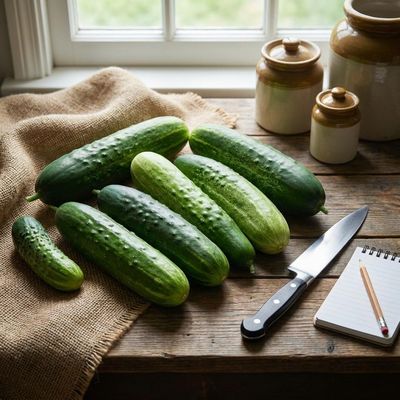
Cucumber: Uses, Substitutes, and How to Store It
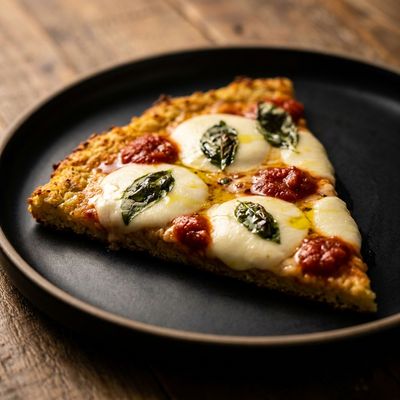
Cauliflower Crust Margherita Pizza
50 min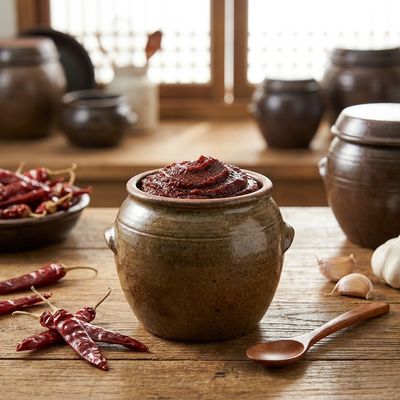
Gochujang: Uses, Substitutes, and How to Store It
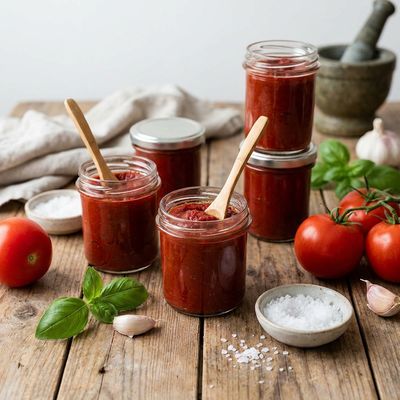
Tomato Paste: Uses, Substitutes, and How to Store It
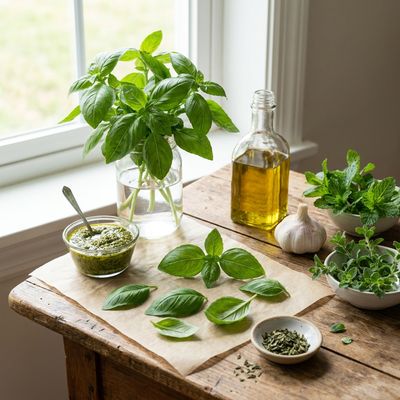
Basil Leaves: Uses, Substitutes, and How to Store It

Cider Vinegar: Uses, Substitutes, and How to Store It
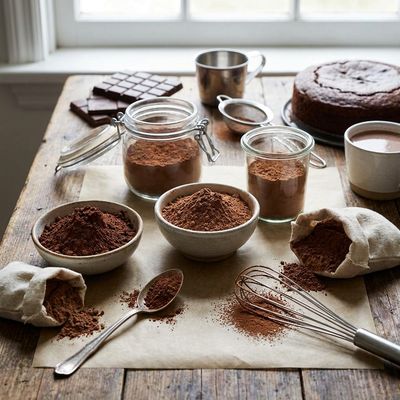
Cocoa Powder: Uses, Substitutes, and How to Store It
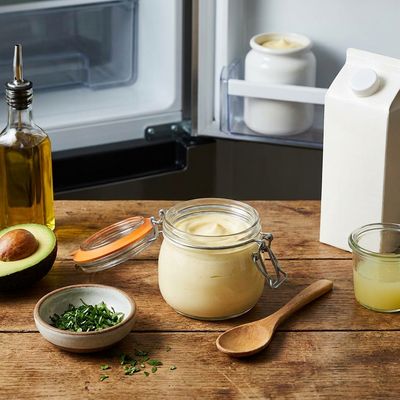
Mayonnaise: Uses, Substitutes, and How to Store It
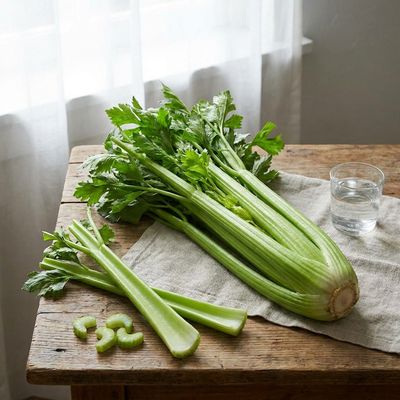
Celery: Uses, Substitutes, and How to Store It
Comments
(0)Sign in to leave a comment.
You Might Like
Ad Space Available
Be the first to leave a comment.