Recipe Details
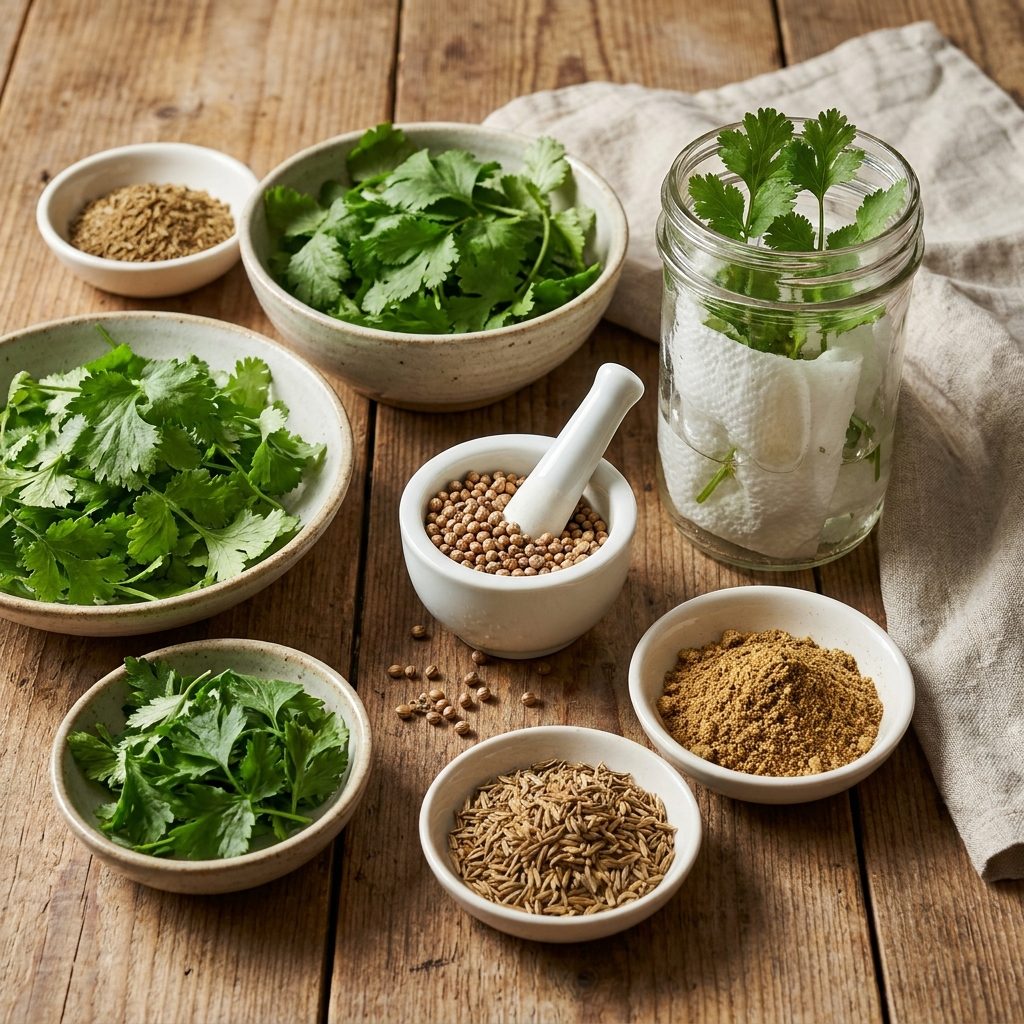
"This guide covers everything you need to know about coriander, from its origins and how to select it to practical cooking techniques, substitutions, and proper storage. Whether you use the fresh leaves or dried seeds, these tips will help you get the most out of this versatile ingredient."
Ingredients
| Qty | Item |
|---|---|
| Ingredient list coming soon. | |
How to Make Coriander: Uses, Substitutes, and How to Store It
What Coriander Is
Coriander refers to both the fresh leaves of the plant Coriandrum sativum (often called cilantro in the Americas) and the dried seeds. The plant is native to regions spanning Southern Europe, North Africa, and Southwestern Asia. Fresh coriander leaves have a bright, citrusy, and slightly peppery flavour, while the seeds are warm, nutty, and lemony with a hint of floral sweetness. Both forms are staples in cuisines worldwide, from Indian curries to Mexican salsas and Middle Eastern spice blends.
How to Choose Coriander
When buying fresh coriander, look for bunches with vibrant green leaves that are crisp, not wilted or yellowing. The stems should be firm and not slimy. Avoid any bunches with dark spots or a strong ammonia-like smell. For dried coriander seeds, check that they are whole, uniform in colour (light brown to tan), and have a fragrant, citrusy aroma when crushed. Avoid seeds that are dull, cracked, or smell musty. Pre-ground coriander should be stored in an airtight container and used within six months for best flavour.
How to Use Coriander in Cooking
Fresh coriander leaves are best added at the end of cooking or as a garnish to preserve their delicate flavour. Stir them into curries just before serving, sprinkle over tacos, or mix into fresh salsas. Use about 2-3 tablespoons of chopped leaves per serving. The stems are also edible and have a stronger flavour, so finely chop them for use in marinades or stir-fries. Dried coriander seeds are typically toasted in a dry pan over medium heat for 1-2 minutes until fragrant, then ground in a spice grinder. Use 1 teaspoon of ground coriander per 500g of meat in curries, or add whole seeds to pickling brines and rice dishes. Toasting brings out their nutty aroma; allow them to cool before grinding.
Substitutes for Coriander
If you run out of fresh coriander, substitute with fresh parsley (use the same amount) combined with a squeeze of lemon or lime juice to mimic the citrus note. For dried coriander seeds, the best substitute is cumin seeds, but note that cumin is more earthy and less citrusy. Use a 1:1 ratio by volume, but reduce the quantity by half if substituting ground cumin for ground coriander because cumin is stronger. Another option is caraway seeds, which have a similar warm, anise-like profile; use half the amount called for in the recipe. For ground coriander, you can also use a mix of equal parts ground cumin and ground fennel seeds for a closer flavour match.
How to Store Coriander
Fresh coriander is best stored in the refrigerator. Trim the stems, place the bunch in a jar with about 2.5 cm of water, cover loosely with a plastic bag, and refrigerate. It will stay fresh for up to 10 days. Alternatively, wrap dry leaves in paper towels and place in a plastic bag in the crisper drawer; use within 5-7 days. For longer storage, freeze chopped leaves in ice cube trays with a little water or oil; use within 3 months. Dried coriander seeds should be kept in an airtight container in a cool, dark pantry for up to 2 years. Ground coriander lasts about 6 months in the pantry; for longer storage, keep it in the freezer in a sealed jar.
Common Mistakes
Mistake 1: Adding fresh coriander too early. The leaves lose flavour and become limp when cooked for long periods. Fix: Add fresh coriander only during the last minute of cooking or as a garnish.
Mistake 2: Using stale coriander seeds. Old seeds have little aroma and taste flat. Fix: Always toast whole seeds before grinding, and replace ground coriander every 6 months.
Mistake 3: Overpowering delicate dishes with too much coriander seed. The flavour can become bitter if overused. Fix: Start with half the amount you think you need, then taste and adjust.
Tips for Best Results
-
·
<ul><li>To revive wilted fresh coriander, soak the stems in ice water for 15 minutes.</li><li>Toast coriander seeds in a dry pan over medium heat until they start to pop and smell fragrant, about 1-2 minutes.</li><li>Use the stems of fresh coriander in stocks and soups for extra flavour—they are more potent than the leaves.</li><li>Freeze leftover fresh coriander in olive oil in ice cube trays for easy addition to cooked dishes.</li></ul>
Frequently Asked Questions
Can I use coriander seeds instead of fresh coriander?
Why does my fresh coriander taste soapy?
How long does ground coriander last?
Can I freeze fresh coriander?
What to Cook Next
Next Recipe
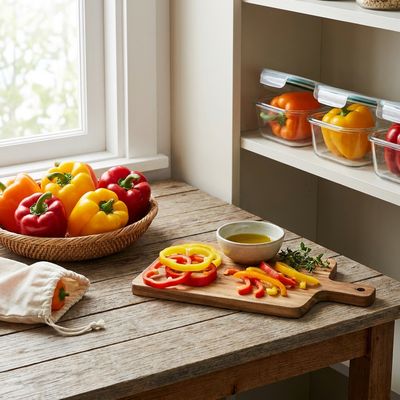
Bell Peppers: Uses, Substitutes, and How to Store It
Bell peppers are a versatile vegetable used in cuisines worldwide, prized for their crisp texture and sweet flavour. This guide covers everything from selecting the perfect pepper to storing it properly and finding the right substitute when needed.
Similar Recipes to Try

Carrots: Uses, Substitutes, and How to Store It
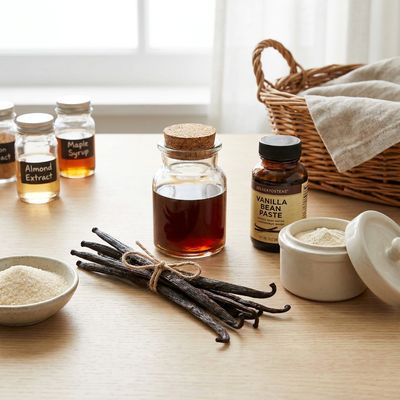
Vanilla: Uses, Substitutes, and How to Store It
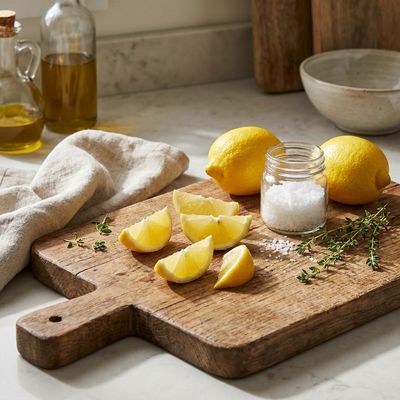
Lemon Wedges: Uses, Substitutes, and How to Store It
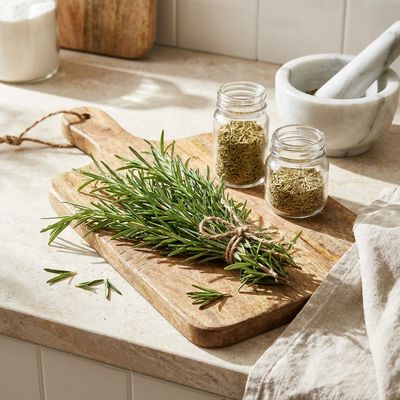
Rosemary: Uses, Substitutes, and How to Store It
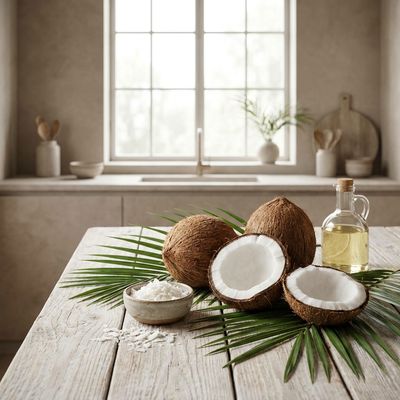
Coconut: Uses, Substitutes, and How to Store It
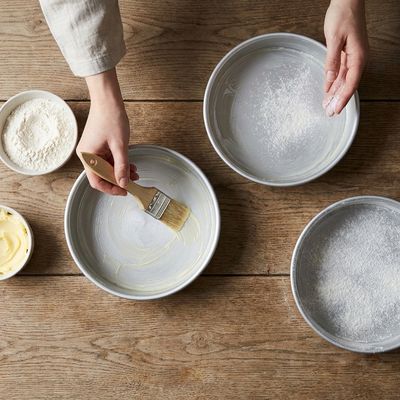
How to Properly Grease and Flour a Cake Pan
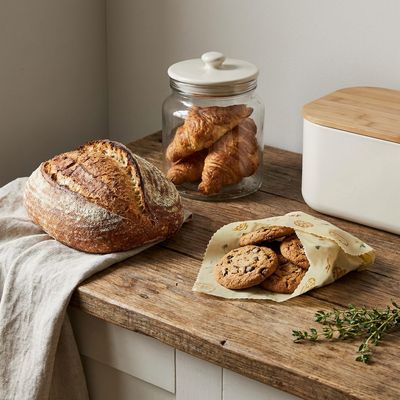
The Best Way to Store Different Types of Baked Goods

A Beginner's Guide to Buying and Using Different Types of Cooking Oils
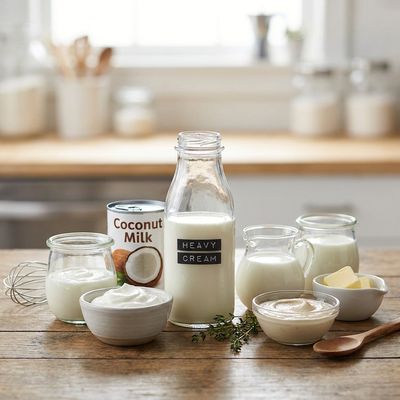
Best Heavy Cream Substitutes for Sauces, Soups, and Baking
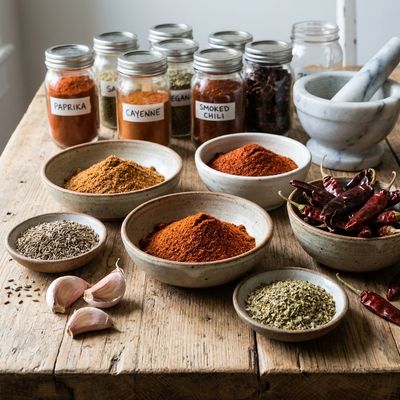
Chili Powder: Uses, Substitutes, and How to Store It
Comments
(0)Sign in to leave a comment.
You Might Like
Ad Space Available
Be the first to leave a comment.