Recipe Details
"Tomato paste is a concentrated tomato product that adds depth and umami to countless dishes. This guide covers what it is, how to choose and use it, the best substitutes, and proper storage methods to reduce waste."
1 Ingredients
| Qty | Item |
|---|---|
| Ingredient list coming soon. | |
2 Instructions
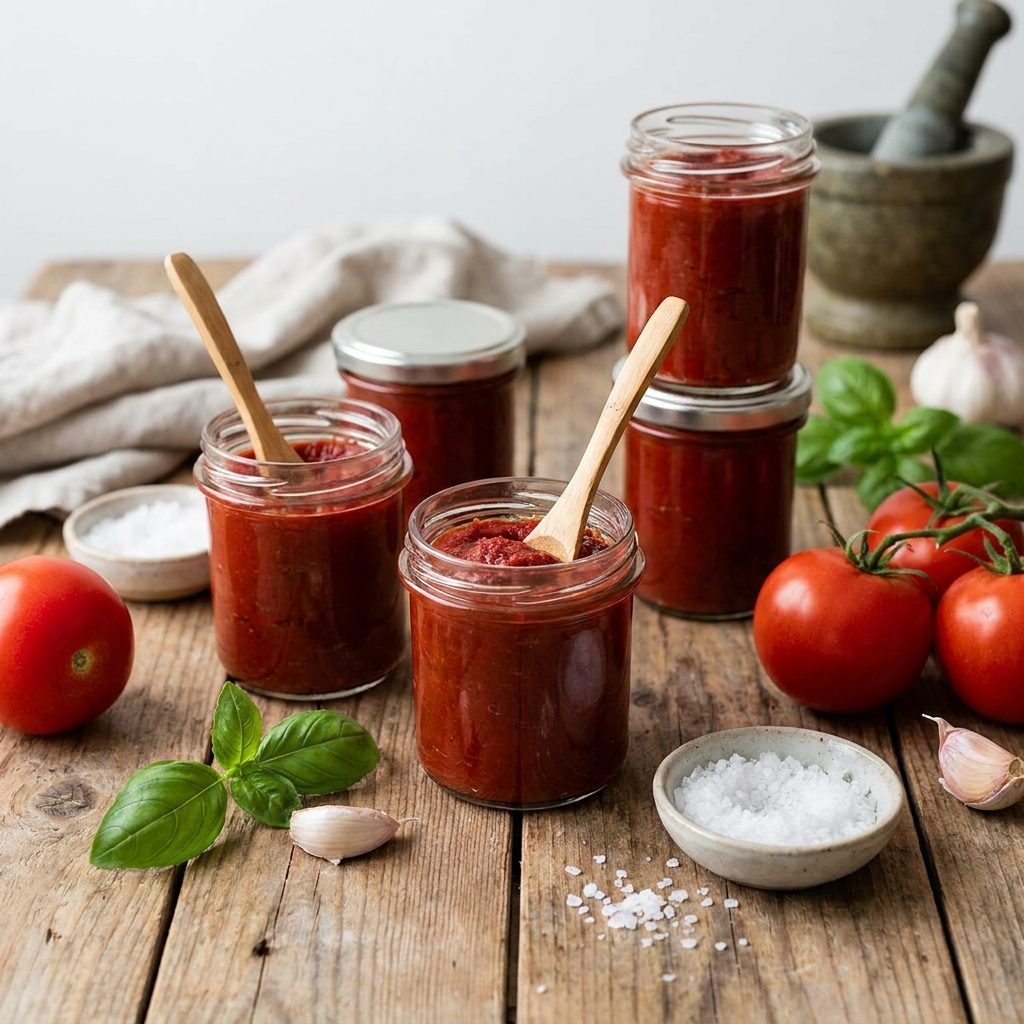
What Tomato Paste Is
Tomato paste is made by cooking down ripe tomatoes for several hours, then straining out the seeds and skins, and cooking the resulting puree until it reduces by about 90% of its original volume. This yields a thick, deep red paste with an intense, concentrated tomato flavour. It originated in Italy and the Mediterranean, where preserving the summer tomato harvest was essential. The paste is typically sold in small cans or tubes, and sometimes in jars. Its low moisture content (around 70–75% water removed) gives it a long shelf life and a powerful savoury punch.
How to Choose Tomato Paste
When buying tomato paste, look for a product with only one ingredient: tomatoes. Avoid brands that add sugar, salt, or preservatives unless you specifically want those additions. The colour should be a deep, rich red, not orange or brown. Canned tomato paste is the most common and economical, but tubes offer convenience because you can squeeze out only what you need and refrigerate the rest. For the best flavour, choose double-concentrated or triple-concentrated paste, which has an even deeper taste and requires less quantity in recipes.
How to Use Tomato Paste in Cooking
Tomato paste is almost always cooked before eating, as cooking caramelises its natural sugars and mellows its acidity. A standard technique is to add 1–2 tablespoons of paste to the pan after sweating onions or garlic, and cook it for 1–2 minutes, stirring constantly, until it darkens slightly and smells fragrant. This step, called “blooming,” deepens the flavour. Tomato paste is used in sauces, soups, stews, braises, and as a base for pizza and pasta sauces. For a quick boost, stir a tablespoon into a simmering soup or stew. It can also be brushed onto meats or vegetables before roasting to add a savoury crust.
Substitutes for Tomato Paste
If you run out of tomato paste, here are three reliable substitutes with exact ratios:
1. Tomato Puree: Use 3 tablespoons of tomato puree for every 1 tablespoon of tomato paste. Simmer the puree in a small saucepan over medium heat for 5–10 minutes, stirring often, until it thickens and reduces by about one-third. This will give a similar consistency and flavour, though slightly less intense.
2. Canned Crushed Tomatoes: Use 4 tablespoons of crushed tomatoes for each tablespoon of tomato paste. Cook them down in a pan over medium heat for 10–15 minutes until most of the liquid evaporates, stirring frequently. The result will be thinner and more acidic, so you may need to simmer your dish a bit longer.
3. Tomato Ketchup: Use 1 tablespoon of ketchup for every tablespoon of tomato paste, but reduce any added sugar or salt in your recipe by about half. Ketchup is sweeter and more vinegary, so it works best in dishes where those flavours complement the other ingredients, such as in barbecue sauces or meatloaf.
How to Store Tomato Paste
Unopened canned or tube tomato paste can be stored in a cool, dark pantry for up to 12 months. Once opened, transfer leftover canned paste to an airtight container and refrigerate; it will keep for 5–7 days. For longer storage, freeze tomato paste. Spoon it into an ice cube tray, freeze until solid, then pop out the cubes and store them in a freezer bag. Each cube is roughly 1 tablespoon, perfect for recipes. Frozen tomato paste stays good for 3–4 months. Tube paste can be refrigerated after opening and used within 2–3 weeks. Always check for mould or off smells before using.
Common Mistakes
1. Not cooking the paste long enough. Adding tomato paste directly to a liquid without sautéing it first leaves a raw, metallic taste. Always cook it in a little oil or butter for 1–2 minutes until it darkens and smells sweet.
2. Using too much. Tomato paste is intensely concentrated. A little goes a long way. Start with 1–2 tablespoons per 4 servings and adjust. Overusing it can make a dish overly sweet or acidic.
3. Storing leftovers poorly. Leaving an opened can of tomato paste in the fridge without transferring it to another container can cause it to dry out or develop mould. Always spoon it into a small glass jar or freeze it in portions.
💡 Tips & Tricks
-
·
<ul><li>For an extra flavour boost, fry tomato paste in olive oil for 2 minutes before adding liquid. This caramelises the sugars and removes any raw taste.</li><li>If a recipe calls for tomato paste and you only have whole canned tomatoes, puree them and simmer until reduced by half to approximate the paste.</li><li>To avoid waste, buy tomato paste in a tube instead of a can. Tubes keep for weeks in the fridge and let you squeeze out just what you need.</li><li>When freezing tomato paste in ice cube trays, spray the tray with a little oil first so the cubes pop out easily.</li></ul>
? Frequently Asked Questions
Can I use tomato paste straight from the can without cooking it?
What is the difference between tomato paste and tomato sauce?
How do I substitute tomato paste in a recipe that calls for tomato puree?
Does tomato paste go bad after opening?
→ Keep Cooking
See All Ingredient Guides

Next Recipe
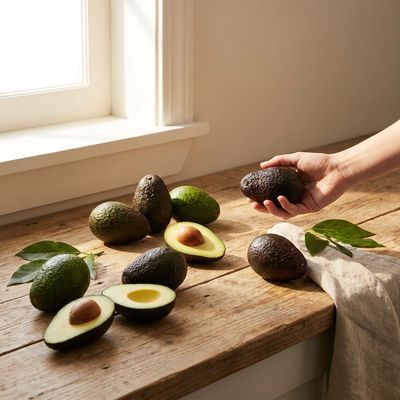
How to Pick a Ripe Avocado Every Time
Selecting a perfect avocado can feel like a high-stakes gamble, but with the right knowledge, you can win every time. This guide covers the history of the fruit, how to judge ripeness through touch and sight, and how to store them for maximum longevity.
You Might Also Like These Recipes
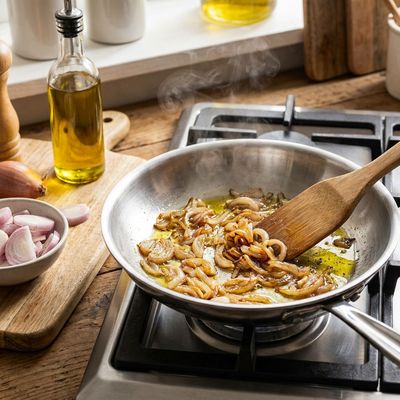
How to Saute Shallots

How to Pan Sear Meat for a Perfect Crust Every Time
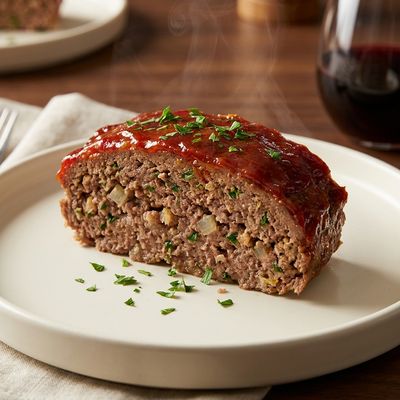
Classic American Meatloaf with Tomato Glaze
80 min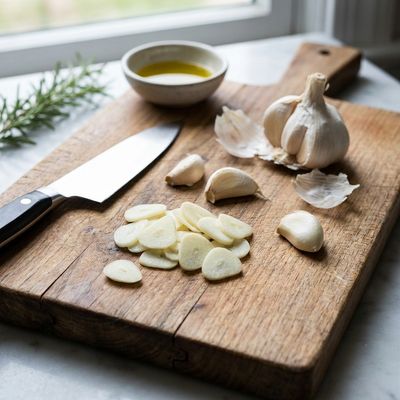
How to Slice Garlic
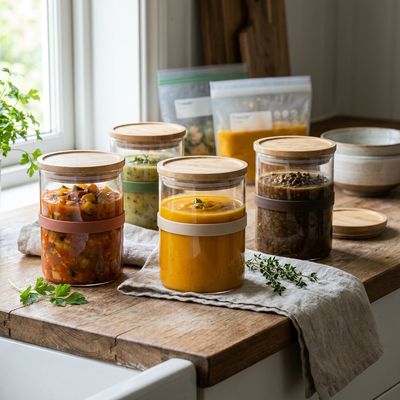
The Best Way to Store Leftover Soup and Stew
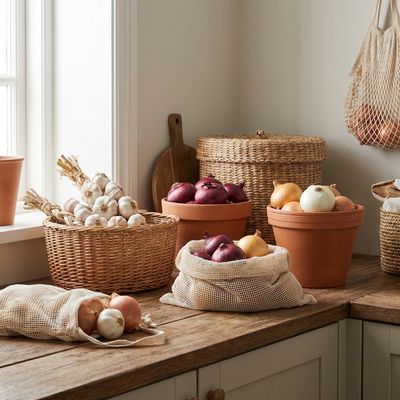
The Best Way to Store Onions and Garlic for Maximum Shelf Life
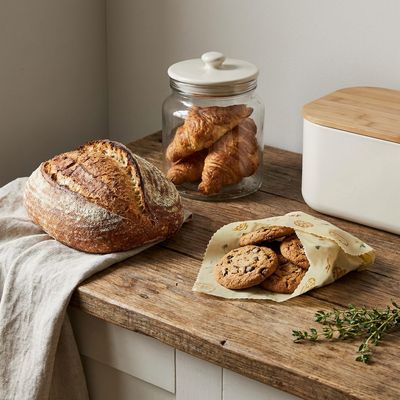
The Best Way to Store Different Types of Baked Goods

How to Tell if Fish is Fresh: A Seafood Buying Guide
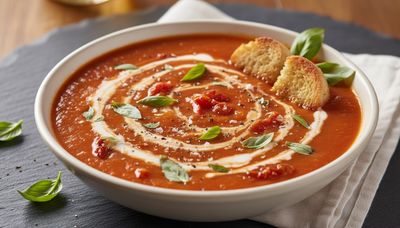
Tomato Basil Soup
55 min
Best Heavy Cream Substitutes for Sauces, Soups, and Baking
Comments (0)
Sign in to leave a comment.
You Might Like

Ad Space Available
Be the first to leave a comment.