Recipe Details
"Gochujang is a fermented Korean chili paste that adds deep, complex heat to countless dishes. This guide covers what it is, how to pick the right one, practical cooking tips, reliable substitutes, storage methods, and common pitfalls to avoid."
Ingredients
| Qty | Item |
|---|---|
| Ingredient list coming soon. | |
How to Make Gochujang: Uses, Substitutes, and How to Store It
What Gochujang Is
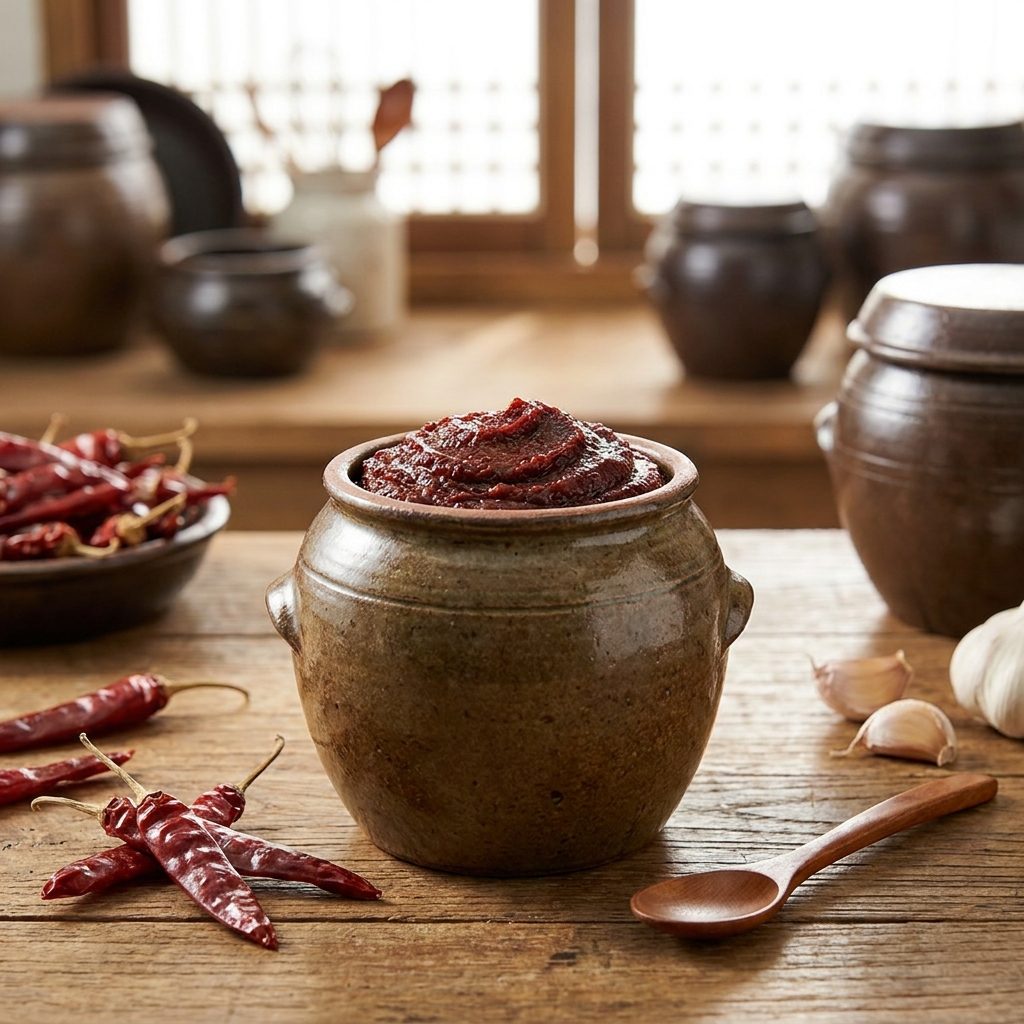
Gochujang is a thick, deep-red fermented chili paste that originates from Korea. It is made from gochugaru (Korean chili powder), glutinous rice powder (chapssal), fermented soybean powder (meju), and salt, which are left to ferment for months or even years. The fermentation process gives gochujang its characteristic umami richness, mild sweetness, and a heat that builds slowly rather than hitting all at once. Traditionally, it was aged in earthenware pots (onggi) outdoors, but modern commercial production uses temperature-controlled fermentation tanks.
How to Choose Gochujang
When buying gochujang, look for a product that lists fermented soybean powder (meju) and glutinous rice as early ingredients. Avoid brands that use corn syrup or artificial colours as the first ingredient — these tend to be overly sweet and lack depth. The colour should be a deep, brick red, not bright orange. Check the ingredient list for the presence of natural fermentation agents like Aspergillus oryzae (koji). Gochujang is sold in plastic tubs or tubes; tubs are more economical for frequent use, while tubes are convenient for occasional use. For the most authentic flavour, choose a Korean brand that specifies a fermentation period of at least 3–6 months.
How to Use Gochujang in Cooking
Gochujang is incredibly versatile. Use it as a base for marinades (mix 2 tablespoons gochujang with 1 tablespoon soy sauce, 1 tablespoon sesame oil, and 1 teaspoon sugar for a classic bulgogi-style marinade). It works beautifully in stews like jjigae: add 1–2 tablespoons per 4 cups of broth for a rich, spicy stew. For a quick sauce, whisk 1 tablespoon gochujang with 1 tablespoon rice vinegar, 1 teaspoon honey, and 1 teaspoon sesame seeds. It can also be stirred into soups, used as a glaze for roasted vegetables or grilled meats, or blended into salad dressings. Because it is thick, always dilute gochujang with liquid (water, broth, vinegar, or oil) before adding to dishes to ensure even distribution. Start with 1 tablespoon per serving and adjust to taste — the heat intensifies as it cooks.
Substitutes for Gochujang
If you don't have gochujang, three reliable substitutes are:
1. Sriracha + miso paste: Mix 1 tablespoon sriracha with 1 tablespoon white miso and ½ teaspoon sugar. This mimics the heat and umami, but lacks the fermented depth and thickness. Use in a 1:1 ratio by volume.
2. Doubanjiang (Chinese chili bean paste): Use 1 tablespoon doubanjiang for every 1 tablespoon gochujang. Doubanjiang is saltier and has a stronger fermented bean flavour, so reduce added salt in the recipe. It works well in stews and stir-fries but is not sweet.
3. Tomato paste + red pepper flakes + soy sauce: Combine 1 tablespoon tomato paste, 1 teaspoon red pepper flakes (or gochugaru), 1 teaspoon soy sauce, and ½ teaspoon sugar. This creates a similar colour and mild heat, but lacks the fermented umami. Use as a direct swap in sauces or marinades.
How to Store Gochujang
Unopened gochujang can be stored in a cool, dark pantry for up to 2 years. Once opened, transfer it to the refrigerator, where it will keep for 12–18 months. Always use a clean, dry spoon to avoid introducing moisture or bacteria. If you want to store it for longer, you can freeze gochujang in an airtight container for up to 3 years; it will not freeze solid due to its sugar and salt content, and can be spooned out directly. Do not leave gochujang at room temperature after opening, as it can develop mould or off-flavours within a few weeks.
Common Mistakes
1. Using it straight from the tub without stirring: Gochujang can separate in the container, with liquid rising to the top. Always stir thoroughly before measuring to ensure consistent flavour and texture.
2. Adding too much at once: Because gochujang's heat builds gradually, it's easy to overdo it. Start with 1 teaspoon per serving and taste before adding more. Remember that the heat intensifies as the dish cooks.
3. Cooking it at high heat for too long: Prolonged high heat can make gochujang bitter and dull its complex flavours. Add it toward the end of cooking, or cook it gently over medium-low heat. If using in a marinade, do not grill at excessively high temperatures — the sugars can burn.
Tips for Best Results
-
·
<ul><li>Stir gochujang well before each use to reincorporate any separated liquid.</li><li>For a smoother sauce, whisk gochujang with a little warm water or broth before adding to dishes.</li><li>Toast gochujang briefly in oil before adding liquid to deepen its flavour.</li><li>Use gochujang as a secret ingredient in chili or barbecue sauce for extra umami.</li></ul>
Frequently Asked Questions
Is gochujang very spicy?
Can I use gochujang in non-Korean dishes?
Does gochujang contain gluten?
How can I tell if gochujang has gone bad?
What to Cook Next

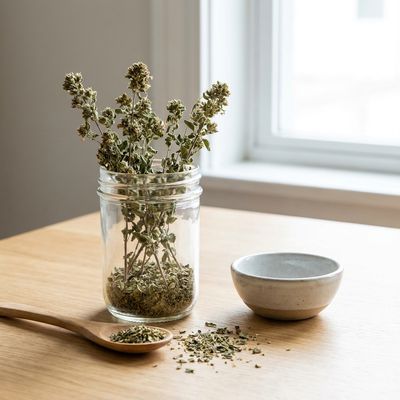
Next Recipe
Dried Oregano: Uses, Substitutes, and How to Store It
Dried oregano is a staple herb in Mediterranean cooking, prized for its robust, slightly peppery flavour. This guide explains what it is, how to select quality jars, and how to cook with it, plus the best substitutes and proper storage methods.
Similar Recipes to Try
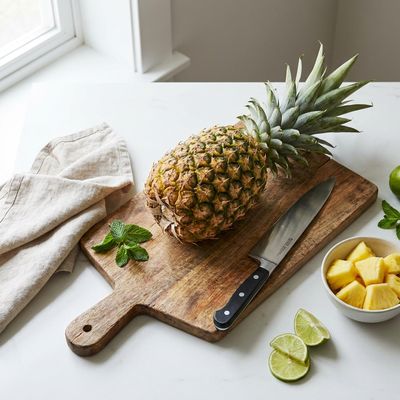
How to Cut a Pineapple: A Step-by-Step Guide
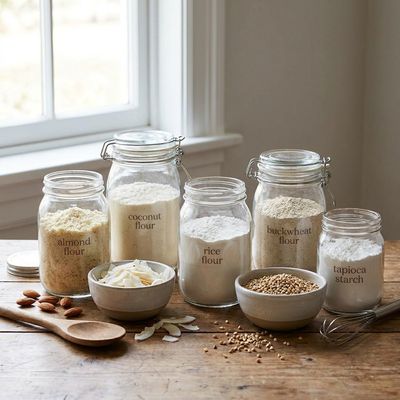
The Best Gluten-Free Flour Substitutes for Every Type of Recipe
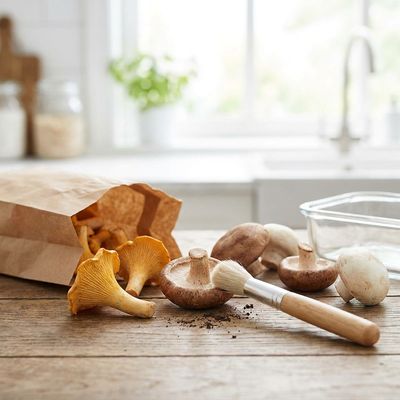
How to Clean and Store Fresh Mushrooms Without Making Them Slimy
Rosemary: Uses, Substitutes, and How to Store It
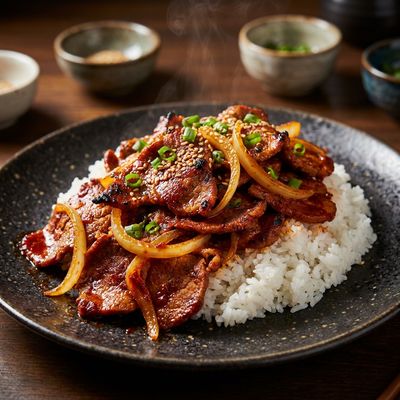
Spicy Pork Bulgogi with Gochujang
30 min
A Guide to Umami: How to Use Savory Flavors to Improve Your Cooking
Worcestershire Sauce: Uses, Substitutes, and How to Store It

Sausage: Uses, Substitutes, and How to Store It

The Best Way to Store Onions and Garlic for Maximum Shelf Life
Lettuce: Uses, Substitutes, and How to Store It
Comments
(0)Sign in to leave a comment.
You Might Like
Ad Space Available
Be the first to leave a comment.