The Golden Ratio: 3 to 1
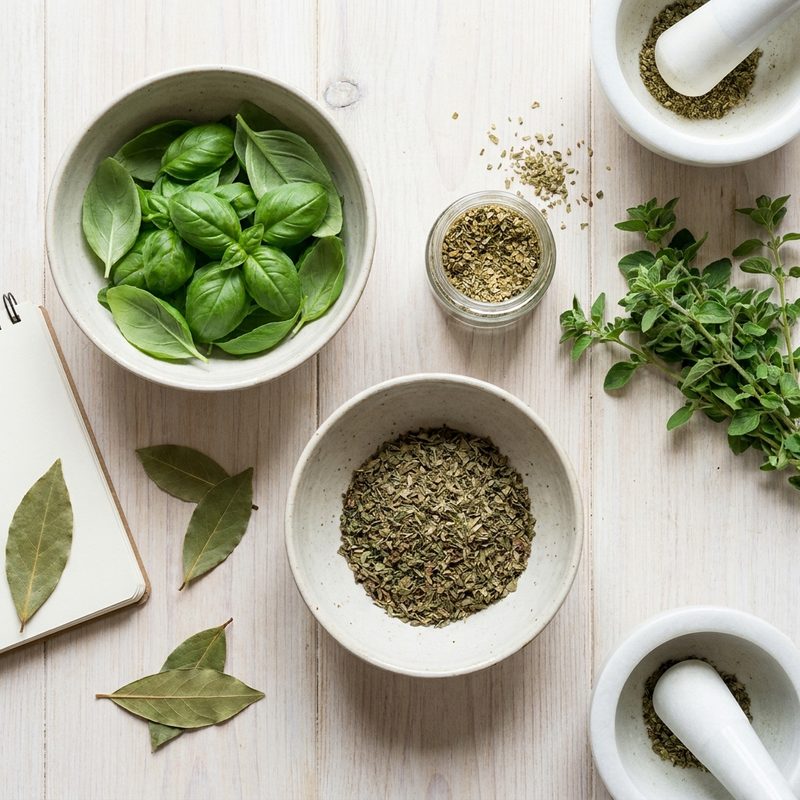
The most important rule in herb substitution is the 3:1 ratio. Because drying herbs concentrates their volatile oils and flavors, you need significantly less dried herb than fresh. As a general rule, use one teaspoon of dried herbs for every tablespoon of fresh herbs. This ensures that the potent dried version doesn't overpower the other ingredients in your dish.
When to Choose Dried over Fresh
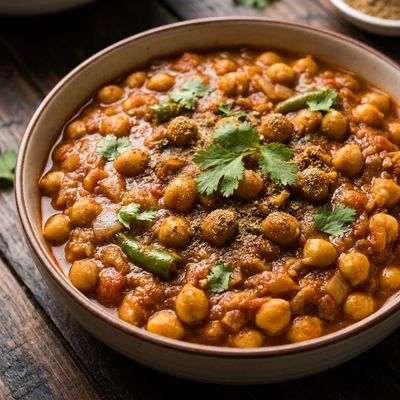
Dried herbs are ideal for long-simmering dishes like stews, soups, and braises. Because they are dehydrated, they require heat and moisture to 're-activate' their flavors. Hard, woody herbs like rosemary, thyme, oregano, and bay leaves hold up exceptionally well to the drying process and can often be more cost-effective for slow-cooked meals. However, for delicate herbs like cilantro, parsley, or chives, the drying process often results in a loss of flavor, making fresh the superior choice.
Adapting for Dietary Needs
Using herbs is a primary strategy for low-sodium or heart-healthy dietary adaptations. When reducing salt, increasing the ratio of dried herbs can provide the 'punch' needed to satisfy the palate without the bloat of sodium. For those following strict gluten-free or allergen-free diets, always check pre-mixed dried herb blends, as some manufacturers use anti-caking agents or fillers that may contain hidden gluten.
Timing Your Additions
The timing of your substitution is just as important as the quantity. Dried herbs should be added early in the cooking process (such as during the sautéing of aromatics) to allow their flavors to infuse the fat and liquid. Fresh herbs, conversely, are best added at the very end or as a garnish to preserve their vibrant color, delicate texture, and bright, volatile aromatics which would otherwise be destroyed by prolonged heat.
Key Takeaways
- ✓ <ul><li>Rub dried herbs between your palms before adding them to the pot to release trapped oils.</li><li>Store dried herbs in a cool, dark place; heat and light are the enemies of potency.</li><li>If your dried herbs no longer have a strong scent when crushed, it's time to replace them.</li><li>For cold dishes like salad dressings or dips, let the mixture sit for at least 30 minutes if using dried herbs to allow them to hydrate.</li></ul>