Recipe Details
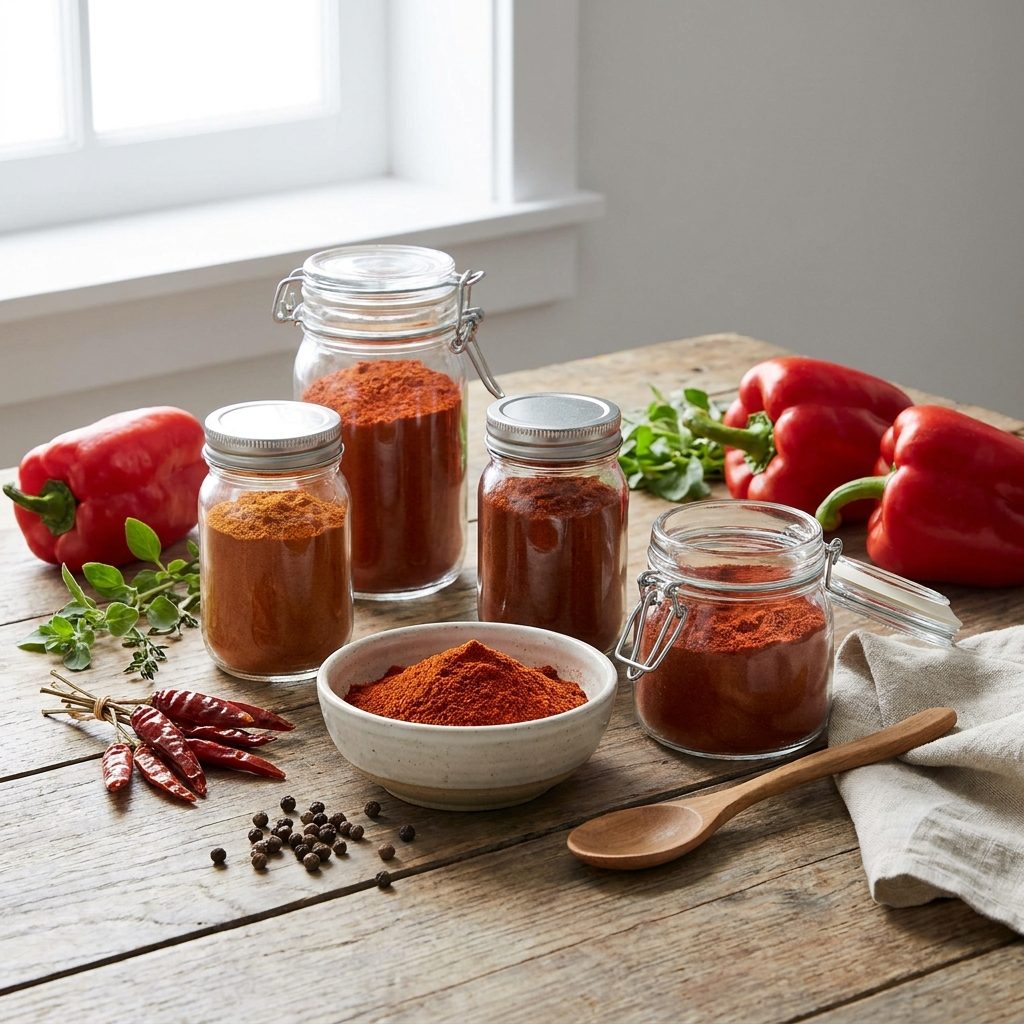
"Paprika is a vibrant spice made from dried, ground peppers, ranging from sweet and mild to hot and smoky. This guide covers everything a home cook needs to know: how to select the right paprika, techniques for using it in dishes, suitable substitutes, and the best ways to store it to preserve its flavour and colour."
Ingredients
| Qty | Item |
|---|---|
| Ingredient list coming soon. | |
How to Make Paprika: Uses, Substitutes, and How to Store It
What Paprika Is
Paprika is a spice made by grinding dried peppers from the Capsicum annuum family, typically bell peppers or chili peppers. It originates from Central and South America but is most famously associated with Hungarian and Spanish cuisines. The flavour and heat level vary widely depending on the pepper variety and processing method. Sweet paprika is mild and slightly sweet, hot paprika adds a moderate kick, and smoked paprika (often from Spain) is dried over oak fires for a deep, smoky aroma. The colour of paprika can range from bright red to deep burgundy, and it is prized as much for its visual appeal as for its taste.
How to Choose Paprika
When buying paprika, look for a vibrant, uniform colour and a fresh, pungent aroma. Avoid jars that appear dull or brownish, as this indicates age and loss of flavour. For the best quality, purchase from a store with high turnover, and check the packaging date if available. Smoked paprika should have a distinct, campfire-like scent without any bitterness. Choose sweet paprika for colour and mild flavour, hot paprika for heat in dishes like goulash, and smoked paprika for adding a barbecue or rustic depth to stews, rubs, and vegetables. If possible, buy whole dried peppers and grind them at home for maximum freshness.
How to Use Paprika in Cooking
Paprika is versatile but delicate. To release its full flavour, briefly bloom the spice in hot oil or fat for 30–60 seconds before adding other ingredients. This technique works well for sofrito, stews, or salad dressings. Use sweet paprika generously in egg dishes, potato salads, and rice (such as Spanish paella). Smoked paprika shines in dry rubs for meats (use 1–2 teaspoons per pound of meat), in chili, or sprinkled over roasted vegetables. Hot paprika is best for Hungarian goulash or spicy soups. Avoid adding paprika to a dry pan over high heat, as it burns quickly and turns bitter. Stir it into dishes near the end of cooking, or bloom it at a medium-low temperature.
Substitutes for Paprika
If you run out of paprika, several spices can step in. For sweet paprika, use a mix of 1 part cayenne pepper to 4 parts sweet red chili powder (or just sweet chili powder) – this works well in rubs and sauces, though it will be slightly less sweet. For smoked paprika, substitute 1 part chipotle powder (ground smoked jalapeño) for 1 part smoked paprika – the heat will be higher, so reduce the quantity by half if you prefer mild. For hot paprika, use an equal amount of cayenne pepper mixed with a pinch of sugar (to mimic the mild heat and sweetness). Alternatively, a 1:1 swap of ancho chili powder can work in many recipes, as it has a mild, sweet heat similar to hot paprika. Keep in mind that substitutions may alter the colour slightly – paprika gives a distinctive red hue that substitutes may not replicate exactly.
How to Store Paprika
Store paprika in an airtight container in a cool, dark place away from direct sunlight, heat, and moisture. A pantry or cupboard is ideal. Properly stored, ground paprika retains optimal flavour for 6–12 months, but it will begin to fade after 3–6 months. Do not store paprika in the refrigerator unless your climate is very humid, as condensation can cause clumping and mould. For long-term storage (up to 2 years), you can freeze paprika in an airtight, moisture-proof container or vacuum-sealed bag – the cold temperature preserves colour and flavour, but avoid repeated thawing. Always use a dry spoon to scoop out the spice to prevent moisture contamination.
Common Mistakes
1. Burning the spice: Adding paprika to a very hot, dry pan causes it to scorch and become acrid. Fix: Always bloom paprika in oil over medium-low heat for no more than 30 seconds, or stir it into a liquid-based dish. 2. Using old, faded paprika: Paprika loses its vibrant colour and flavour after a year on the shelf. Fix: Buy smaller quantities, replace every 6–12 months, and store properly to extend freshness. 3. Using the wrong type for the dish: Using hot paprika in a recipe that calls for sweet paprika can throw off the balance of a dish. Fix: Read the recipe carefully and taste a pinch of your paprika before adding it – adjust the amount or choose a milder variety if needed.
Tips for Best Results
-
·
<ul><li>To test freshness: a pinch of paprika should be bright red and smell sweet or smoky, not musty.</li><li>For a deeper colour in stews, add paprika early but at a low temperature to prevent burning.</li><li>Toast dry paprika in a pan for 10 seconds (shake constantly) to intensify flavour before adding oil.</li><li>Always use a dry spoon when scooping paprika to avoid introducing moisture that leads to clumps.</li></ul>
Frequently Asked Questions
Can I use sweet paprika instead of smoked paprika?
Does paprika expire?
What is the difference between Hungarian and Spanish paprika?
Can I freeze paprika to keep it fresh longer?
What to Cook Next
Next Recipe
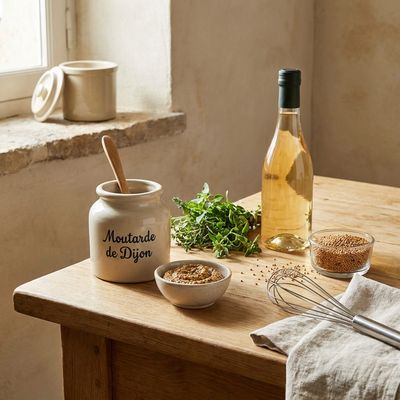
Dijon Mustard: Uses, Substitutes, and How to Store It
Dijon mustard is a smooth, pale yellow condiment made from brown or black mustard seeds, white wine, and verjuice (or vinegar). This guide covers how to choose a good jar, use it in vinaigrettes and sauces, swap it when you run out, and store it properly to keep it fresh.
Similar Recipes to Try
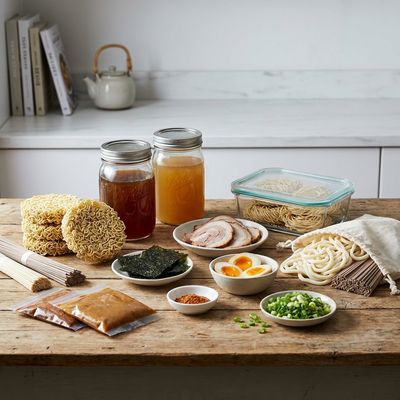
Ramen Noodles: Uses, Substitutes, and How to Store It
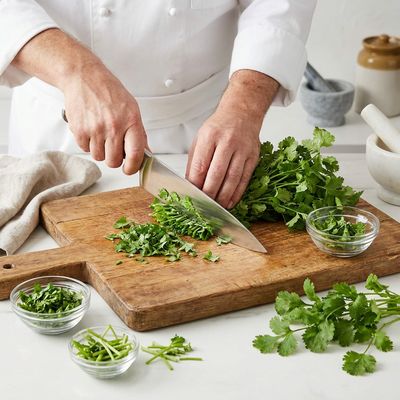
How to Chop Cilantro
Vanilla: Uses, Substitutes, and How to Store It
Coconut: Uses, Substitutes, and How to Store It
How to Stock a Basic Pantry: Must-Have Ingredients for New Cooks
The Best Way to Store Different Types of Baked Goods
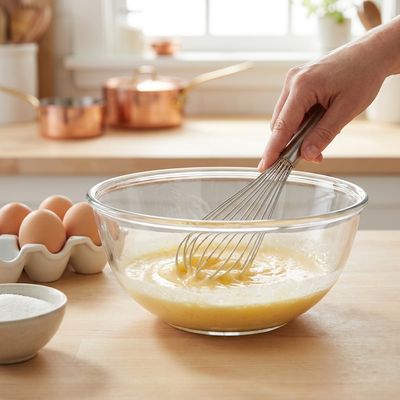
How to Whisk Egg Yolks
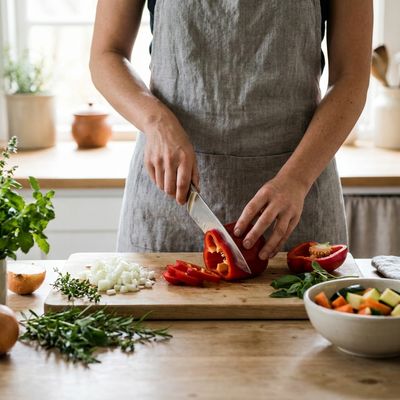
The Ultimate Guide to Essential Knife Skills for Beginners
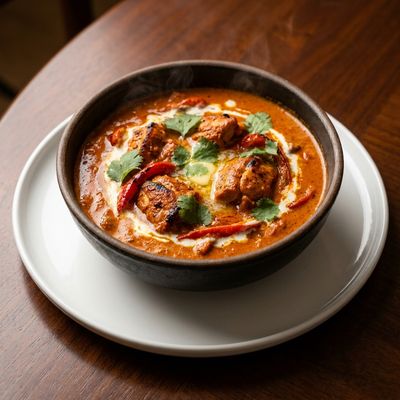
Chicken Tikka Masala with Charred Peppers
55 min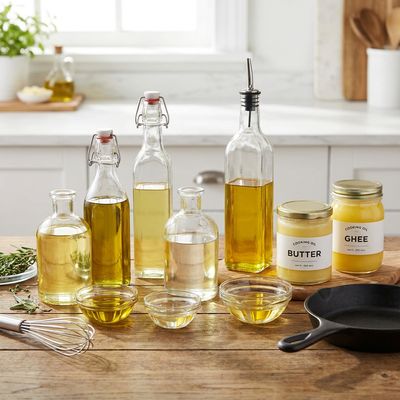
The Best Cooking Oil Substitutes for High-Heat vs. Cold Dishes
Comments
(0)Sign in to leave a comment.
You Might Like
Ad Space Available
Be the first to leave a comment.