Recipe Details
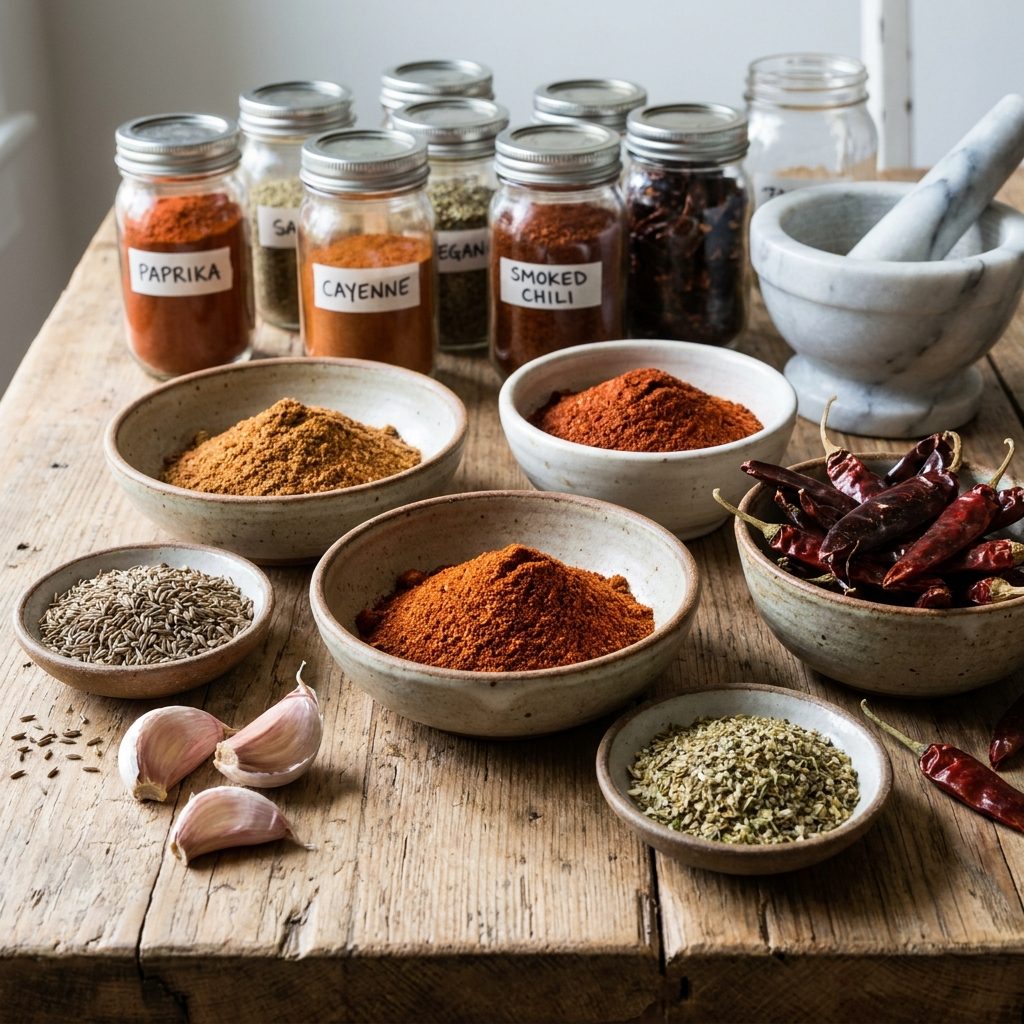
"Chili powder is a blend of ground dried chilies and other spices, essential for adding heat and depth to countless dishes. This guide covers what it is, how to select a quality blend, practical cooking tips, three reliable substitutes, and proper storage to maximize its shelf life."
Ingredients
| Qty | Item |
|---|---|
| Ingredient list coming soon. | |
How to Make Chili Powder: Uses, Substitutes, and How to Store It
What Chili Powder Is
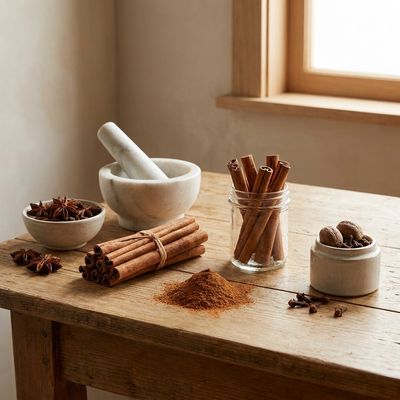
Chili powder is a spice blend made primarily from dried, ground chili peppers, typically ancho or cayenne, mixed with cumin, garlic powder, oregano, and sometimes paprika or salt. It originated in the American Southwest and is a cornerstone of Tex-Mex cuisine. Unlike pure chili powder (which is just ground chilies), the blend is milder and more complex, designed for ease of use in recipes like chili con carne, tacos, and enchiladas. A typical commercial blend might contain 40% ground ancho chilies, 20% cumin, 15% garlic powder, 10% oregano, 10% paprika, and 5% salt. The Scoville heat units (SHU) of a standard chili powder range from 500 to 2,000, depending on the proportion of cayenne used. For reference, pure cayenne powder registers 30,000–50,000 SHU. The blend was popularized in the late 19th century by German immigrants in Texas who adapted Mexican chile con carne for American palates.
How to Choose Chili Powder
Look for chili powder that is deep red or brick-red in color, with a fragrant, earthy aroma. Avoid blends that smell dusty or have no scent. Check the ingredient list: quality brands list whole spices without additives, anticaking agents, or excess salt. If possible, buy from stores with high turnover to ensure freshness. Specialty or Mexican grocery stores often have fresher, more authentic options. When possible, buy chili powder in small quantities—2 to 4 ounces at a time—so you use it within six months. To test freshness at home, place a pinch in hot oil: it should sizzle and release a pungent, fruity aroma within 10 seconds. If it smells flat or like old hay, discard it. Brands like Gebhardt, Badia, and Morton & Bassett are reliable; avoid blends that list "spices" generically or contain silicon dioxide as an anticaking agent.
How to Use Chili Powder in Cooking
Chili powder is typically added early in cooking to allow its flavors to bloom. For a pot of chili (serving 6-8), use 2 to 3 tablespoons. Toast it in hot oil for 30-60 seconds before adding liquid to deepen its flavour. Stir it into marinades for beef or chicken, rub it on meat before grilling, or whisk it into tomato-based sauces for tacos or enchiladas. Start with 1 teaspoon per serving, then adjust to taste. For a classic Texas chili, brown 2 pounds of cubed chuck in 2 tablespoons of oil over medium-high heat, then remove the meat. Sauté 1 diced onion and 4 cloves of minced garlic for 3 minutes, then add 3 tablespoons of chili powder and stir for 45 seconds until fragrant. Add 1 can (14.5 oz) of crushed tomatoes, 1 cup of beef broth, and the browned meat. Simmer uncovered for 1.5 hours at a gentle bubble (around 190°F). If the chili becomes too thick, add broth ¼ cup at a time. For a dry rub on 2 pounds of pork shoulder, mix 2 tablespoons chili powder with 1 tablespoon brown sugar, 1 teaspoon salt, and ½ teaspoon black pepper. Apply the rub and let it rest for 30 minutes before grilling at 350°F for 20 minutes per side. For enchilada sauce, whisk 2 tablespoons chili powder into 2 tablespoons hot oil in a saucepan, cook for 30 seconds, then add 2 tablespoons flour and cook for 1 minute. Gradually whisk in 2 cups of chicken broth and 1 can (8 oz) of tomato sauce. Simmer for 10 minutes until thickened. If the sauce tastes raw or metallic, you under-toasted the chili powder; if it's bitter, you toasted it too long (over 90 seconds) or at too high heat (above 350°F).
Substitutes for Chili Powder
1. Ancho chili powder + cumin + garlic powder: For 1 tablespoon chili powder, use 2 teaspoons ancho powder + 1 teaspoon cumin + ½ teaspoon garlic powder. This swap is slightly sweeter and less pungent. Ancho powder has a raisin-like sweetness and measures about 1,000 SHU. 2. Cayenne pepper + paprika + cumin + oregano: For 1 tablespoon chili powder, mix ¼ teaspoon cayenne, 2 teaspoons paprika, ½ teaspoon cumin, and ½ teaspoon oregano. This gives a hotter, smokier profile. The cayenne adds 30,000–50,000 SHU per teaspoon, so adjust downward if you prefer mild heat. 3. Chipotle powder + cumin + garlic powder: For 1 tablespoon chili powder, use 1½ teaspoons chipotle powder + 1 teaspoon cumin + ½ teaspoon garlic powder. Expect a smoky, spicier result. Chipotle powder is made from smoked jalapeños and ranges from 2,500 to 8,000 SHU. If you have whole dried chilies, you can make your own blend: stem and seed 2 ancho, 1 guajillo, and 1 pasilla, toast them in a dry skillet over medium heat for 2 minutes per side until fragrant, then grind in a spice grinder with 1 tablespoon cumin seeds, 1 teaspoon garlic powder, and 1 teaspoon dried oregano. This yields about ¼ cup of custom chili powder.
How to Store Chili Powder
Store chili powder in an airtight container in a cool, dark pantry — it will keep for 2 to 3 years at best quality. For extended storage, freeze it in a sealed jar: it remains potent for up to 5 years. Avoid storing near the stove or above the fridge, where heat and light degrade flavor quickly. If the powder loses its vibrant color or aroma, replace it. To test: rub a small amount between your fingers; if it leaves a stain and smells pungent, it's still good. If it feels dusty and smells like cardboard, it's past its prime. For maximum shelf life, transfer chili powder to a glass jar with a tight-fitting lid and store it in a cupboard away from the oven. Do not store it in the refrigerator, where condensation can introduce moisture and cause clumping. If clumps form, sift the powder through a fine-mesh strainer before use; clumps that are hard and dark indicate moisture damage and should be discarded.
Common Mistakes
1. Using old chili powder: Old powder tastes dusty and flat. Replace any that is more than 3 years old or lacks a strong scent. A simple test: mix 1 teaspoon of powder with 1 tablespoon of hot water; if the water turns a deep red-brown and smells fruity, it's fresh. If it turns a dull brown and smells like hay, it's expired. 2. Adding too much early: Chili powder can turn bitter if cooked for too long. Add it after cooking aromatics (onions, garlic) and toast it only briefly. If you add chili powder at the beginning of a 2-hour simmer, the volatile oils will degrade and produce a harsh, bitter taste. Instead, add it after the first 30 minutes of simmering, or toast it for no more than 60 seconds. 3. Confusing chili powder with chili seasoning blend: Ready-made seasoning mixes often contain sugar, MSG, or more salt. Use pure chili powder or your own blend for better control. For example, a packet of "chili seasoning" may contain 2 teaspoons of sugar and 1 teaspoon of salt per tablespoon, which can throw off the balance of your recipe. Always read the label: if the first ingredient is not chili pepper, it's a seasoning mix, not pure chili powder. 4. Not blooming the spices: Adding chili powder directly to liquid without blooming in oil results in a flat, raw flavor. Always bloom in oil for 30–60 seconds at medium heat (around 325°F) before adding any liquid. 5. Overheating during blooming: If the oil smokes (above 400°F), the chili powder will burn and turn acrid. If you see smoke, remove the pan from heat immediately and let it cool for 30 seconds before proceeding.
Tips for Best Results
-
·
<ul><li>Toast chili powder in hot oil for 30–60 seconds to unlock deeper, smokier flavor.</li><li>Mix 1 tablespoon chili powder with 2 teaspoons lime juice for a quick taco seasoning paste.</li><li>Store chili powder away from direct light and heat — a dark cabinet is best.</li><li>Label your container with the purchase or expiry date to track freshness.</li></ul>
Frequently Asked Questions
Can I use chili powder in place of cayenne pepper?
Does chili powder expire?
Can I make my own chili powder at home?
Is chili powder gluten-free?
What to Cook Next
Next Recipe
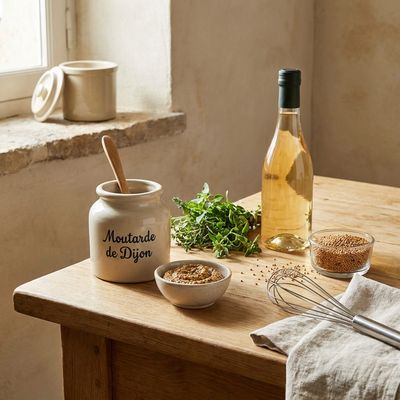
Dijon Mustard: Uses, Substitutes, and How to Store It
Dijon mustard is a smooth, pale yellow condiment made from brown or black mustard seeds, white wine, and verjuice (or vinegar). This guide covers how to choose a good jar, use it in vinaigrettes and sauces, swap it when you run out, and store it properly to keep it fresh.
Similar Recipes to Try

White Wine: Uses, Substitutes, and How to Store It
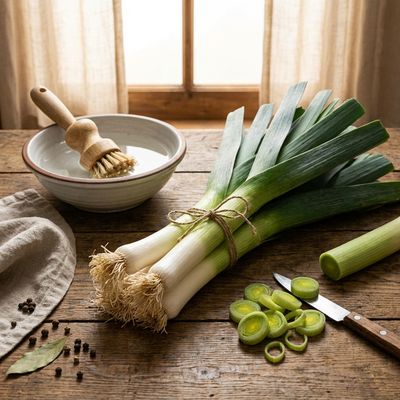
Why You Should Wash Your Leeks and How to Do It Properly

Chili Con Carne
110 min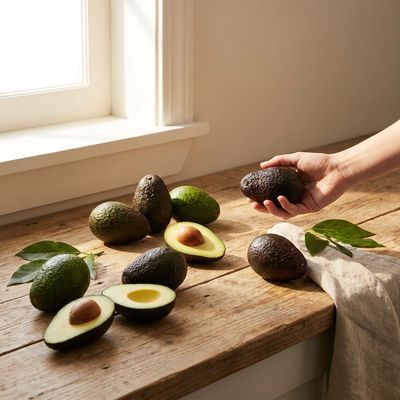
How to Pick a Ripe Avocado Every Time
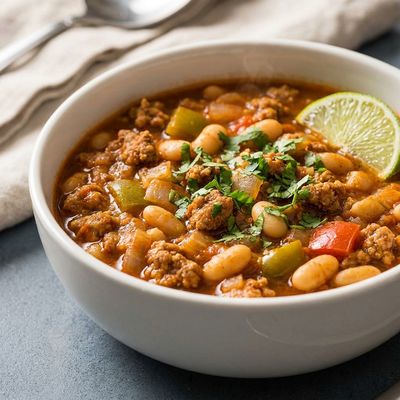
One-Pot Turkey and White Bean Chili
45 min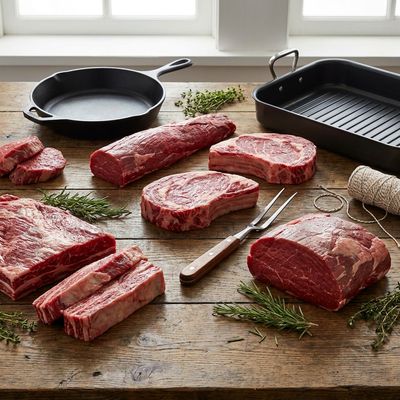
A Guide to Choosing the Best Cuts of Beef for Every Cooking Method
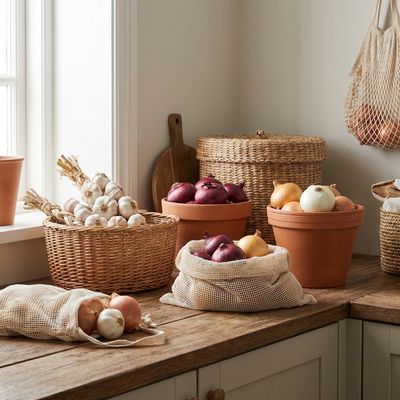
The Best Way to Store Onions and Garlic for Maximum Shelf Life
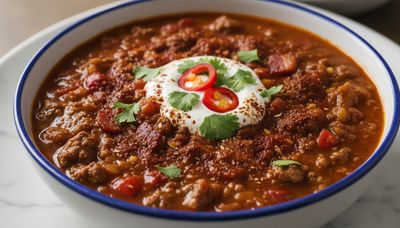
Venison Chili
110 min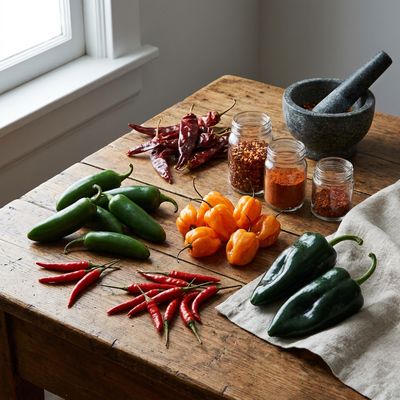
Chilies: Uses, Substitutes, and How to Store It
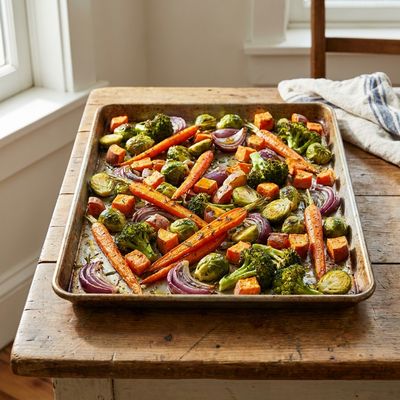
How to Roast Any Vegetable: Temperature, Oil, and Timing
Comments
(0)Sign in to leave a comment.
You Might Like

Ad Space Available
Be the first to leave a comment.