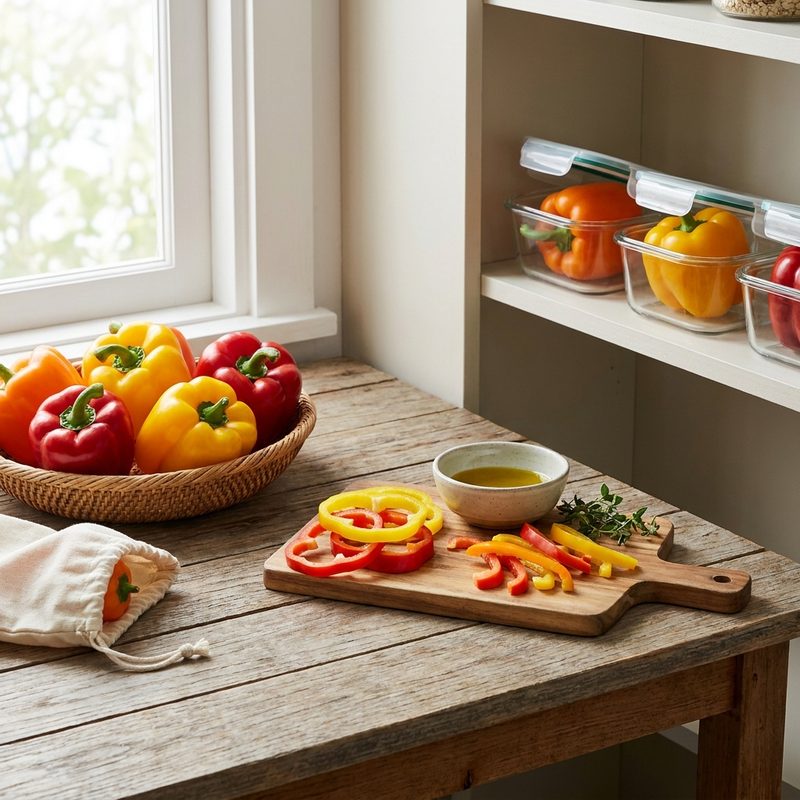
What Bell Peppers Is
Bell peppers (Capsicum annuum) are a type of sweet pepper native to Central and South America. Unlike their spicy relatives, bell peppers contain a recessive gene that eliminates capsaicin, the compound responsible for heat. They are grown in a range of colours—green, red, yellow, orange, and even purple or white—each representing a different stage of ripeness. Green peppers are harvested early, while red peppers are fully ripened and sweeter. On the Scoville scale, bell peppers register 0 SHU, compared to jalapeños at 2,500–8,000 SHU. A medium red bell pepper (about 120 g) contains roughly 32 mg of vitamin C, more than an orange. Yellow and orange peppers fall between green and red in sugar content: green peppers have about 2.5 g of sugar per 100 g, red peppers about 4.2 g, and yellow/orange about 3.5 g. Purple and white varieties are less common; purple peppers turn green when cooked due to anthocyanin breakdown.
How to Choose Bell Peppers
Look for peppers that feel heavy for their size, with smooth, firm skin and no wrinkles or soft spots. The stem should be fresh and green, not dried out. Avoid peppers with cuts, bruises, or signs of mould. For the best flavour, choose red, orange, or yellow peppers over green ones, as they have had more time to develop sugars. A ripe red pepper should yield slightly to gentle pressure, similar to a ripe tomato. Check the bottom of the pepper: a four-lobed pepper is generally sweeter and better for stuffing, while a three-lobed pepper is more uniform for slicing. If buying pre-packaged, inspect the bottom of the bag for moisture or decay; a single mouldy pepper can spoil the rest within 24 hours at room temperature.
How to Use Bell Peppers in Cooking
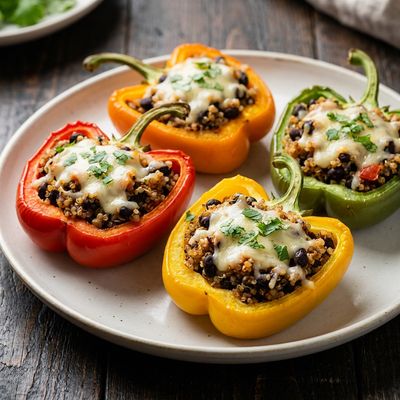
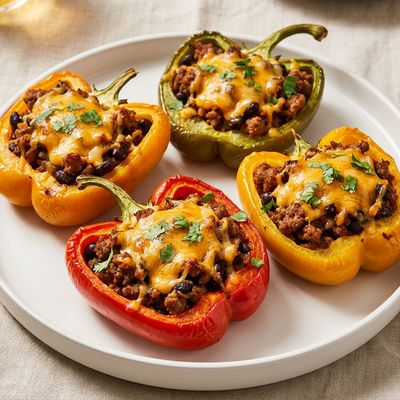
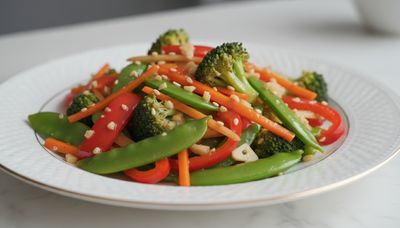
Bell peppers can be eaten raw in salads, sliced into strips for stir-fries, or roasted until charred for a smoky sweetness. For roasting, place whole peppers under a broiler or on a gas flame, turning occasionally until the skin is blackened, then steam in a covered bowl for 10 minutes before peeling. Broil at 260°C (500°F) for 12–15 minutes, turning every 4 minutes. For gas flame roasting, use tongs and hold each pepper 2–3 cm above the flame for 8–10 minutes total. After steaming, the skin should slip off easily; if it sticks, the pepper was not charred enough. They can also be stuffed with rice and meat, then baked at 180°C (350°F) for 25–30 minutes. For stuffed peppers, parboil the whole peppers for 3 minutes in boiling water to soften them before filling. For a quick sauté, slice into 1-cm strips and cook over medium-high heat with oil for 4–5 minutes until tender-crisp. Use a neutral oil with a smoke point above 200°C, such as avocado or grapeseed. If the peppers begin to brown too quickly, reduce heat to medium and add 1 tablespoon of water to deglaze. For raw applications, slice into 5-mm julienne for salads or 1-cm dice for salsas; toss with a vinaigrette within 30 minutes of serving to prevent wilting.
Substitutes for Bell Peppers
If you need a substitute, try these three options: 1) Poblano peppers – use a 1:1 ratio; they are mild but slightly spicier, so remove the seeds and ribs for less heat. Poblanos have thicker walls, so increase roasting time by 3–5 minutes. 2) Celery – use a 1:1 ratio for raw crunch in salads or slaws; it lacks sweetness, so add a pinch of sugar (about 1/4 teaspoon per 100 g celery). Celery has a higher water content, so it will release liquid when cooked; for stir-fries, add it 2 minutes later than you would bell peppers. 3) Roasted red peppers from a jar – use 1:1 by weight, but note they are softer and more acidic, so reduce cooking time by half. Drain and pat dry before using to avoid excess liquid; if substituting in a raw dish, rinse briefly to reduce brine flavour. For stuffed pepper recipes, use parboiled zucchini halves (scooped out) as a substitute; bake at 180°C for 20 minutes instead of 25–30.
How to Store Bell Peppers
Store whole, unwashed bell peppers in the refrigerator's crisper drawer in a plastic bag with small holes for airflow; they will keep for 1–2 weeks. To create holes, poke a fork into the bag 8–10 times. Keep peppers away from ethylene-producing fruits like apples and bananas, which accelerate ripening and spoilage. For longer storage, wash, dry, and slice into strips, then freeze in a single layer on a baking sheet before transferring to a freezer bag; frozen peppers last up to 6 months and are best for cooked dishes. Freeze at -18°C; do not thaw before adding to soups or stir-fries to avoid sogginess. Do not store peppers at room temperature for more than 2 days, as they will soften and shrivel. If you have cut peppers, store them in an airtight container with a paper towel to absorb moisture; use within 3 days. For fermented peppers (e.g., for hot sauce), submerge in a 3% brine (30 g salt per 1 L water) and ferment at 18–21°C for 2–4 weeks.
Common Mistakes
1) Storing peppers in a sealed plastic bag – this traps moisture and causes rot; use a perforated bag or leave the bag slightly open. If you only have a sealed bag, open it once daily to exchange air. 2) Overcooking peppers – they become mushy and lose their vibrant colour; cook only until tender-crisp, about 4–5 minutes for stir-fries. Overcooked peppers also lose up to 50% of their vitamin C content. For roasted peppers, if the skin does not peel easily after steaming, the pepper was under-charred; return to the flame for 2–3 more minutes. 3) Not removing the white pith and seeds – these parts are bitter; always cut out the core and scrape away the seeds before cooking. The pith contains most of the residual capsaicin in bell peppers (though still negligible), and the seeds can add a gritty texture. To core efficiently, slice off the top 1 cm, then cut around the stem and pull out the core in one piece. 4) Adding peppers too early to a dish – in slow-cooked recipes like stews, add peppers in the last 15 minutes of cooking to retain texture and colour. 5) Not drying peppers before sautéing – wet peppers will steam instead of sear; pat them dry with a clean kitchen towel before adding to hot oil.
Key Takeaways
- ✓ <ul><li>To easily peel roasted peppers, place them in a bowl covered with plastic wrap for 10 minutes after charring.</li><li>For a sweeter flavour, choose red, orange, or yellow peppers over green ones.</li><li>Freeze leftover peppers in a single layer on a tray first to prevent clumping.</li><li>Use a vegetable peeler to remove thin strips of skin from raw peppers if you prefer a smoother texture.</li></ul>