Recipe Details
"Cucumber is a crisp, refreshing vegetable widely used in salads, sandwiches, and pickles. This guide covers how to select, prepare, and store cucumbers, along with practical substitutes and common pitfalls to avoid."
Ingredients
| Qty | Item |
|---|---|
| Ingredient list coming soon. | |
How to Make Cucumber: Uses, Substitutes, and How to Store It
What Cucumber Is
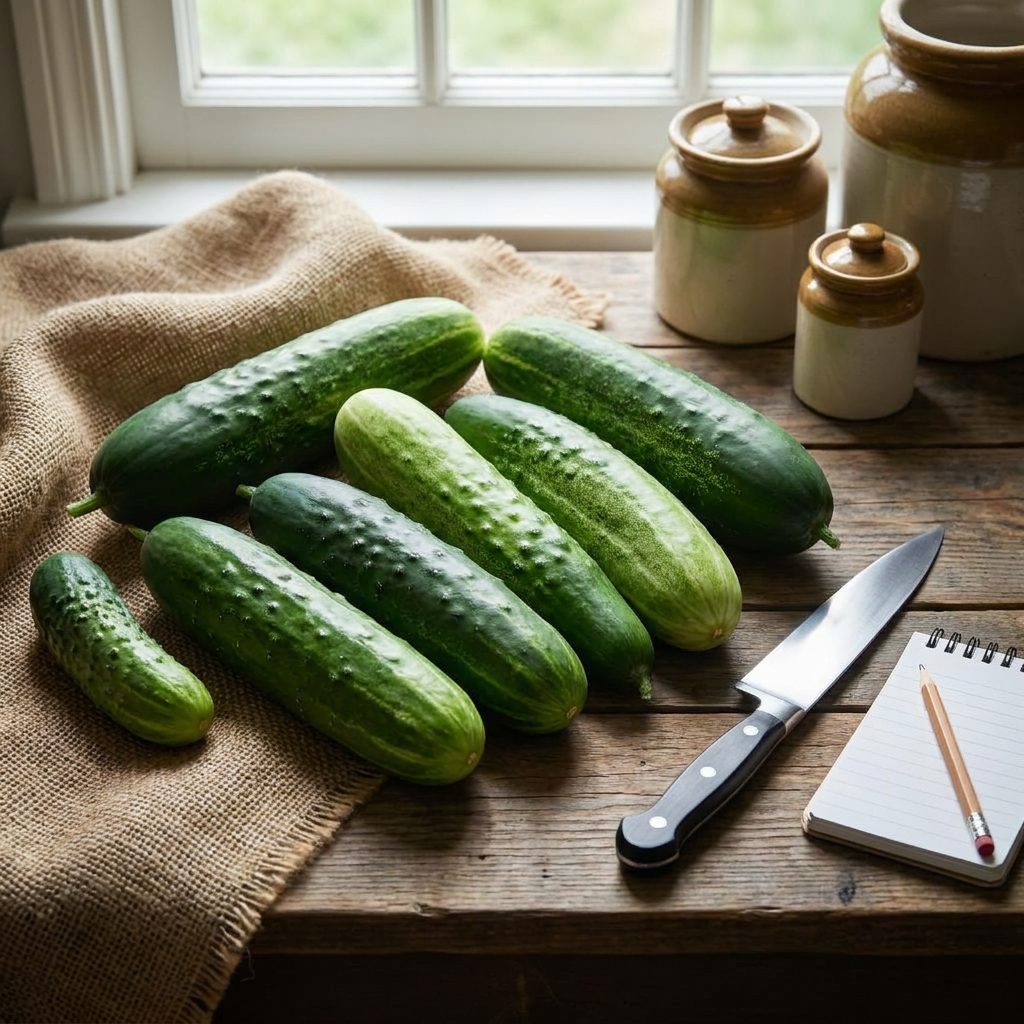
Cucumber (Cucumis sativus) is a creeping vine plant in the gourd family, Cucurbitaceae, which also includes melons, squash, and pumpkins. Originating in South Asia, it has been cultivated for thousands of years and is now grown worldwide. Botanically a fruit, it is treated as a vegetable in cooking. The edible part is the elongated, cylindrical fruit with a dark green skin and pale, watery flesh dotted with small seeds. Common varieties include slicing cucumbers (long, smooth-skinned) and pickling cucumbers (shorter, bumpier).
How to Choose Cucumber
When buying cucumbers, look for firm, bright green specimens without soft spots, wrinkles, or yellowing. The skin should be taut and free of cuts or bruises. For slicing cucumbers, choose ones that feel heavy for their size—this indicates high water content and freshness. Avoid any that are limp or have a rubbery texture. If buying English (hothouse) cucumbers, they are often wrapped in plastic to retain moisture; check that the plastic is intact. Pickling cucumbers should be small (2–4 inches), firm, and evenly green.
How to Use Cucumber in Cooking
Cucumber is most often eaten raw, but it can also be lightly cooked. For raw use, wash thoroughly, then slice or dice as desired. To reduce bitterness, peel the skin if it is thick or waxed, and remove the seeds by cutting the cucumber lengthwise and scraping them out with a spoon. For salads, slice thinly and toss with salt to draw out excess water—let sit for 10 minutes, then pat dry. This prevents a watery dressing. For pickling, use a 1:1 ratio of water to vinegar (e.g., 1 cup each) with 1 tablespoon salt and 1 tablespoon sugar per pint jar; pack cucumber slices and refrigerate for at least 2 hours. Cucumber can also be blended into cold soups (like gazpacho) or used as a base for tzatziki sauce (grated, salted, and drained).
Substitutes for Cucumber
If you need a substitute for cucumber, three good options are:
Zucchini – Use raw, sliced or diced, in a 1:1 ratio. It has a similar texture but a milder flavour; it works best in salads or as a crunchy element.
Celery – Use chopped, 1:1 by volume. Celery is crunchier and more fibrous, with a distinct herbal taste; good in salads or as a dipper.
Jicama – Use peeled, sliced or julienned, 1:1. Jicama is crisp and slightly sweet, with a texture very close to cucumber; excellent in slaws or with lime juice.
How to Store Cucumber
Store whole, unwashed cucumbers in the refrigerator crisper drawer. They keep best at 45–50°F (7–10°C) and 95% humidity. Wrapped in a paper towel inside a perforated plastic bag, they last 5–7 days. Do not store near ethylene-producing fruits like apples or tomatoes, as this accelerates spoilage. Once cut, wrap tightly in plastic wrap or place in an airtight container; use within 2–3 days. Cucumbers do not freeze well because of their high water content—they become mushy upon thawing. If you must freeze, blanch slices for 1 minute, then shock in ice water; they will only be suitable for cooked dishes or smoothies, and should be used within 3 months.
Common Mistakes
Mistake 1: Not removing seeds before cooking. Cucumber seeds contain extra water and can make dishes watery. Fix: Halve lengthwise and scrape out seeds with a spoon before slicing or grating.
Mistake 2: Storing cucumbers in the warmest part of the fridge. The door is too warm and causes premature softening. Fix: Place cucumbers in the crisper drawer, away from the door.
Mistake 3: Adding cucumber to a salad too early. The salt in dressing draws out water, making the salad soggy. Fix: Add cucumber just before serving, or salt and drain it first.
Tips for Best Results
-
·
<ul><li>To remove bitterness from cucumber skin, rub the cut end of a slice in a circular motion—a white foam will appear; wipe it off.</li><li>For extra crunch in salads, soak cucumber slices in ice water for 15 minutes before using.</li><li>Use a mandoline slicer for uniform, thin slices perfect for sandwiches or garnishes.</li><li>If you have too many cucumbers, make quick pickles: slice, cover with vinegar-salt-sugar solution, refrigerate 2 hours.</li></ul>
Frequently Asked Questions
Can you eat cucumber skin?
Why are my cucumbers bitter?
How do you keep cucumber slices fresh for lunch?
Can you freeze whole cucumbers?
What to Cook Next

Next Recipe
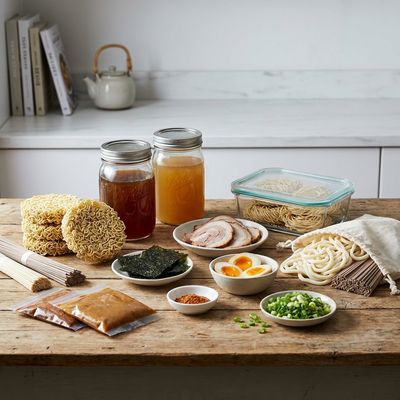
Ramen Noodles: Uses, Substitutes, and How to Store It
Ramen noodles are a versatile, wheat-based noodle originally from Japan, known for their springy texture and ability to absorb broth. This guide covers how to choose the best ramen noodles, cooking techniques, substitutes, storage methods, and common mistakes to avoid.
Similar Recipes to Try
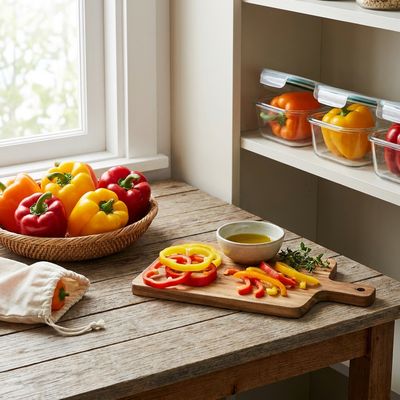
Bell Peppers: Uses, Substitutes, and How to Store It
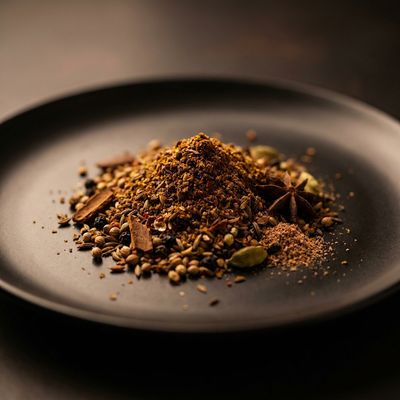
Homemade Garam Masala Spice Blend
15 min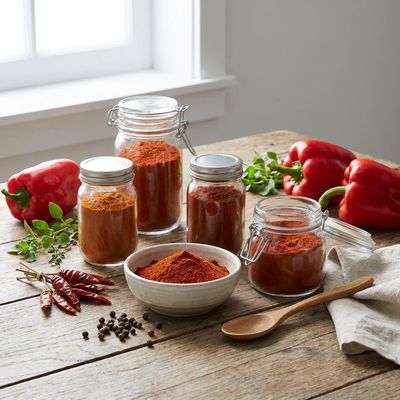
Paprika: Uses, Substitutes, and How to Store It
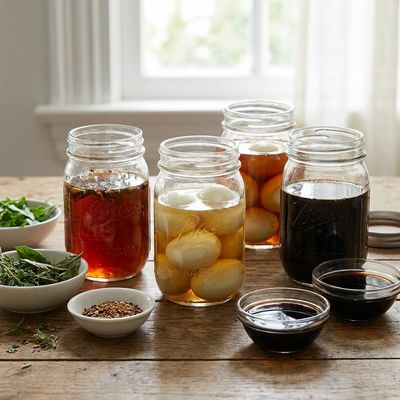
How to Marinate Eggs
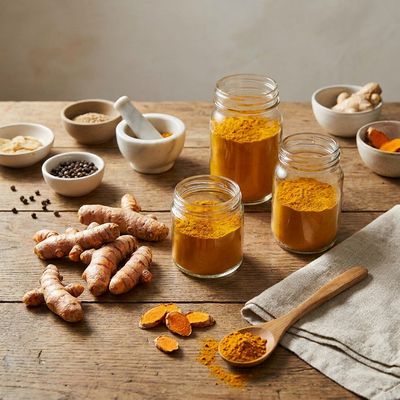
Turmeric: Uses, Substitutes, and How to Store It
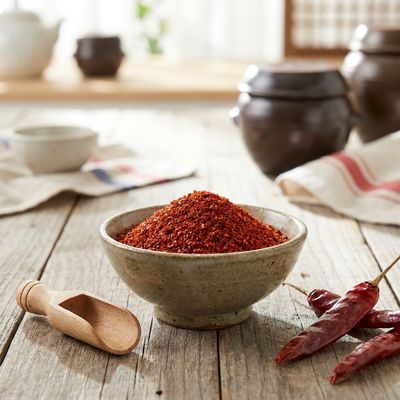
Gochugaru: Uses, Substitutes, and How to Store It
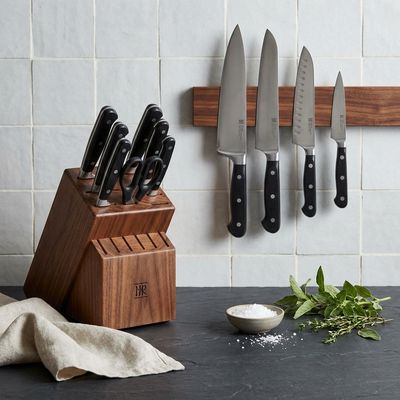
How to Store Kitchen Knives to Keep Them Sharp Longer
Rosemary: Uses, Substitutes, and How to Store It

Worcestershire Sauce: Uses, Substitutes, and How to Store It
Basil Leaves: Uses, Substitutes, and How to Store It
Comments
(0)Sign in to leave a comment.
You Might Like

Ad Space Available
Be the first to leave a comment.