Recipe Details
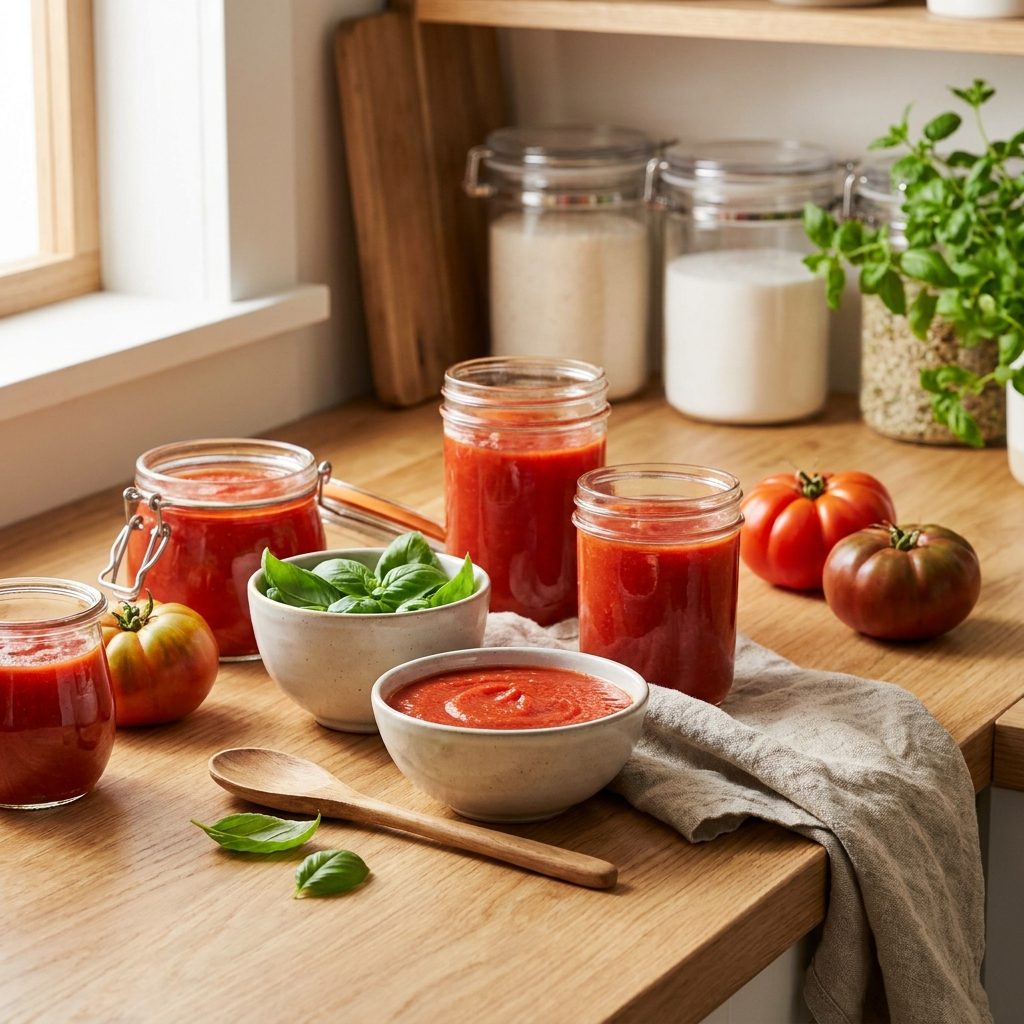
"Tomato puree is a smooth, thick product made from cooked and strained tomatoes, free of seeds and skins. This guide explains what it is, how to choose the best one, and how to use it in everyday cooking. You will also find reliable substitutes and proper storage methods to avoid waste."
Ingredients
| Qty | Item |
|---|---|
| Ingredient list coming soon. | |
How to Make Tomato Puree: Uses, Substitutes, and How to Store It
What Tomato Puree Is
Tomato puree is a concentrated product made by cooking down whole tomatoes, then straining out the seeds and skins to create a smooth, thick consistency. It typically has a lower viscosity than tomato paste — think of it as the middle ground between crushed tomatoes and tomato paste. Commercial varieties are often lightly seasoned with salt, but plain versions are also available. Tomato puree originates from basic food preservation methods, where surplus tomatoes were cooked and processed to be stored for later use.
How to Choose Tomato Puree
When buying tomato puree, look for a product with as few additives as possible. The ingredient list should ideally contain only tomatoes and maybe salt. Avoid brands that add sugar, citric acid, or stabilisers, as these can affect the flavour and texture of your dish. Check the colour: a deep red indicates well-ripened tomatoes, while a brownish tint may signal poor quality. If the puree is sold in a glass jar, inspect it for any separation or browning, which can be a sign of age.
How to Use Tomato Puree in Cooking
Tomato puree is versatile and works well in soups, stews, sauces, and braises. Use it as a base for pasta sauces: start by sautéing aromatics like onion and garlic in olive oil, then add 1 cup (240 ml) of tomato puree per 4 servings and simmer for 15-20 minutes. It can also be used to thicken chilis or lentil soups — substitute 1 cup (240 ml) of puree for 1 can of diced tomatoes for a smoother texture. When making a quick flatbread or pizza sauce, spread a thin layer (about 3 tablespoons per pizza) directly onto the dough.
Substitutes for Tomato Puree
If you do not have tomato puree, you can use one of these three substitutes. 1. Tomato paste thinned with water: Mix 1 part tomato paste with 2 parts water (by volume). For example, 1/4 cup tomato paste plus 1/2 cup water yields about 3/4 cup puree. This swap works in any cooked dish but adds a deeper, more concentrated flavour. 2. Canned crushed tomatoes: Use them straight from the can in equal volume. Crushed tomatoes are slightly chunkier, so the final sauce may be more rustic and less smooth. 3. Fresh blended tomatoes: Blanch and peel 2 large fresh tomatoes, then blend until smooth. For each 1 cup of puree, use about 1 1/2 cups of blended fresh tomatoes, then simmer for 5-10 minutes to reduce excess liquid and concentrate flavour.
How to Store Tomato Puree
Store an unopened can or jar of tomato puree in a cool, dark pantry for up to 18 months. Once opened, transfer it to an airtight container and refrigerate at 4°C (40°F) or below; it will stay fresh for 5-7 days. For longer storage, spoon the puree into ice cube trays, freeze until solid (about 2-3 hours), then pop out the cubes and store them in a freezer bag. Each cube is roughly 2 tablespoons (30 ml) and will keep for up to 3 months. Thaw frozen cubes in the refrigerator or add them directly to hot soups and sauces.
Common Mistakes
1. Using too much puree without adjusting liquid: Tomato puree is thicker than crushed tomatoes, so adding it cup-for-cup to a recipe that calls for canned tomatoes can make the dish too dense. Fix by diluting with water or broth — add 1/4 cup (60 ml) of liquid per 1 cup (240 ml) of puree. 2. Not cooking the puree long enough: Raw puree can taste acidic and metallic. Always simmer tomato puree for at least 10-15 minutes to mellow the acidity and deepen the flavour. 3. Storing in a metal container after opening: The acids in tomato puree can react with metal, creating a metallic taste. Always transfer the puree to a glass or plastic container before refrigerating or freezing.
Tips for Best Results
-
·
<ul><li>Always taste your puree before using — some brands are saltier than others, so adjust your seasoning accordingly.</li><li>For a richer flavour, sauté tomato puree in olive oil for 2-3 minutes before adding other liquids.</li><li>To avoid splatters when blending hot puree, let it cool slightly and blend in small batches.</li><li>Use leftover puree as a quick base for a simple pasta sauce: sauté garlic, add puree, and simmer with dried oregano and basil.</li></ul>
Frequently Asked Questions
Can I use tomato puree in place of tomato sauce?
Is tomato puree the same as tomato paste?
How long can I keep an opened jar of tomato puree in the fridge?
Can I freeze tomato puree in its original can?
What to Cook Next
Next Recipe
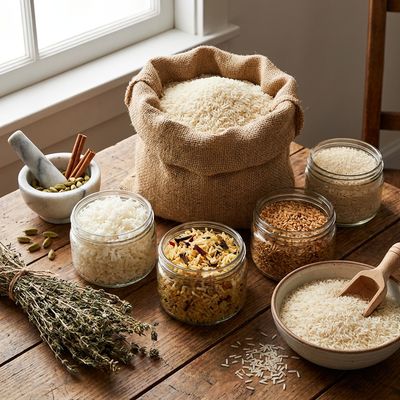
Basmati Rice: Uses, Substitutes, and How to Store It
Basmati rice is a long-grain aromatic rice prized for its distinct fragrance and fluffy texture. This guide covers everything from selecting the best grains to cooking, storing, and swapping it in your favourite dishes.
Similar Recipes to Try
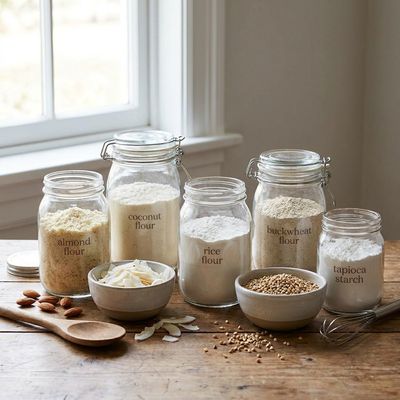
The Best Gluten-Free Flour Substitutes for Every Type of Recipe
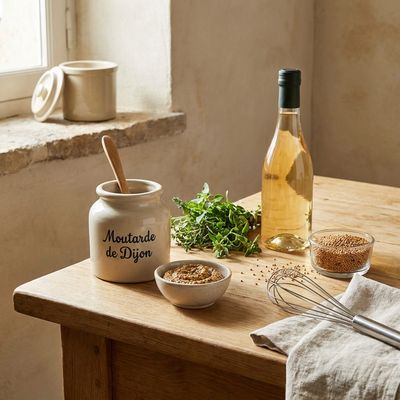
Dijon Mustard: Uses, Substitutes, and How to Store It

How to Peel and Mince Fresh Ginger Easily
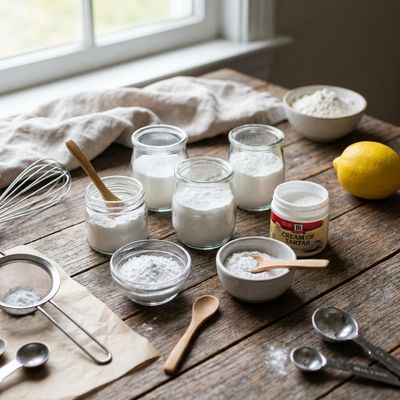
Emergency Baking Swaps: What to Use When You Are Out of Baking Powder or Soda
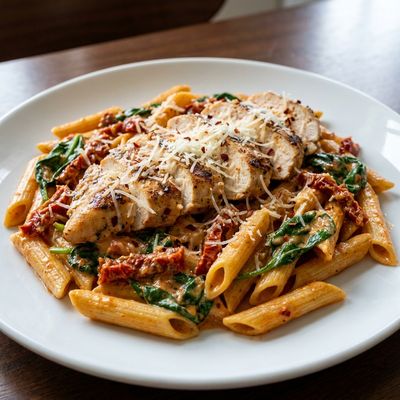
Creamy Sun-Dried Tomato Chicken Pasta
40 min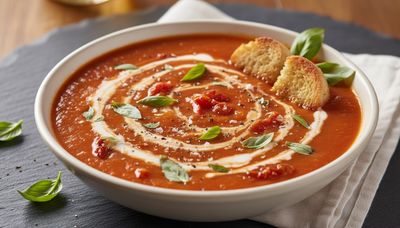
Tomato Basil Soup
55 min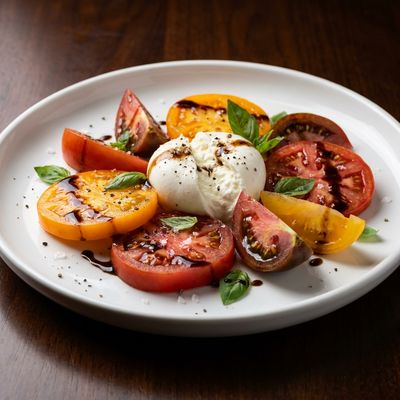
Heirloom Tomato and Burrata Salad with Balsamic Glaze
30 min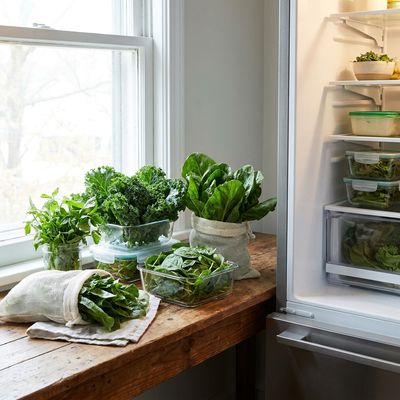
The Best Way to Store Leafy Greens to Keep Them From Wilting

Lecso Hungarian Pepper and Tomato Stew
50 min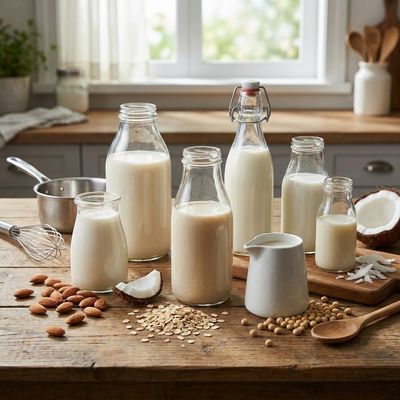
Dairy-Free Milk Substitutes: Which Plant-Based Milk is Best for Cooking?
Comments
(0)Sign in to leave a comment.
You Might Like


Ad Space Available
Be the first to leave a comment.