Step 1: Prepare Your Ingredients
Start by cleaning and portioning your food. For meats, pat them thoroughly dry with paper towels; excess moisture can interfere with the heat seal. For vegetables, always blanch them in boiling water for 1-2 minutes followed by an ice bath to deactivate enzymes that cause spoilage, even in an airtight environment.
Step 2: Pre-Freezing Liquids and Soft Items
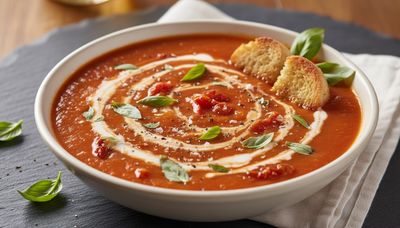
One of the biggest challenges in vacuum sealing is managing liquids. If you are sealing soups, stews, or marinated meats, pre-freeze them in a container or a bag until they are solid. This prevents the vacuum motor from sucking up liquid, which can damage the machine and ruin the seal. For soft berries or delicate breads, flash-freeze them on a baking sheet for 2 hours before sealing to maintain their structure.
Step 3: Bag Selection and Placement
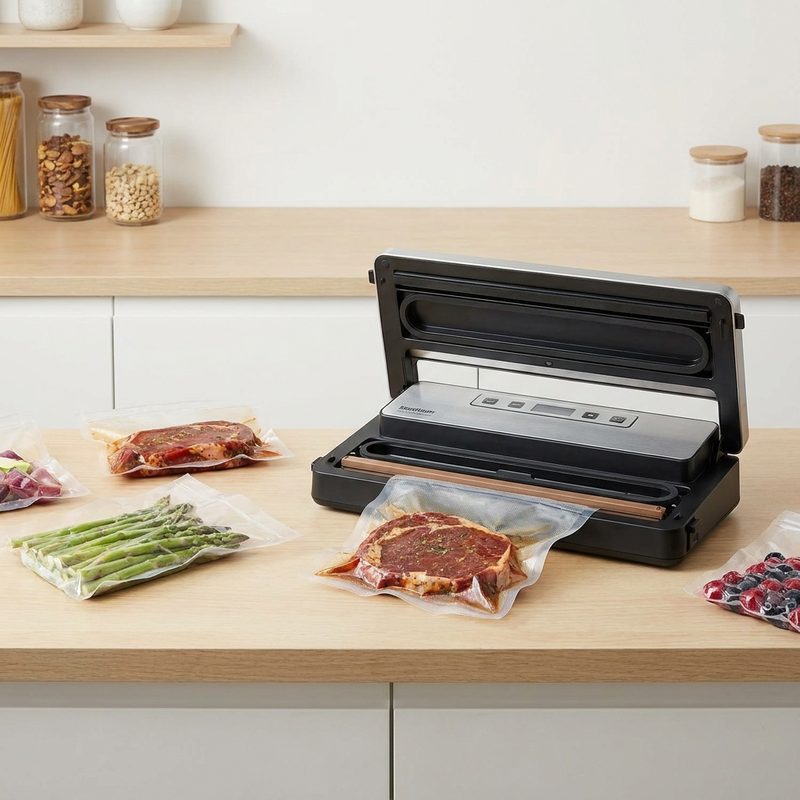
Cut your vacuum sealer bag to size, leaving at least 3-4 inches of extra space at the top. This extra room ensures a clean seal and allows for re-sealing later. Place the food in the bag, ensuring there are no wrinkles along the sealing area. If you are using an external suction sealer, place the open end of the bag inside the vacuum channel according to your manufacturer's markings.
Step 4: Executing the Seal
Close the lid and lock it into place. Select the 'Dry' or 'Moist' setting based on your food type. Press the 'Vacuum & Seal' button. As the air is removed, guide the bag with your hands to ensure the food stays flat and the bag doesn't fold. Once the machine finishes the heat seal, wait a few seconds before opening the lid to allow the plastic to set.
Step 5: Quality Check and Labeling
Inspect the seal; it should be a solid, translucent line across the bag. If you see bubbles or gaps, cut the seal and try again. Immediately label the bag with a permanent marker, noting the contents and the date of storage. This is crucial for maintaining an organized freezer and practicing 'First-In, First-Out' inventory management.
Key Takeaways
- ✓ <html><ul><li><b>Use the Paper Towel Trick:</b> For slightly moist foods, place a folded paper towel inside the bag between the food and the sealer to catch stray moisture.</li><li><b>Blanch Your Greens:</b> Cruciferous vegetables like broccoli and cabbage emit gases; if not blanched first, the bag will expand and spoil the food.</li><li><b>Double Seal:</b> For long-term freezer storage (over 6 months), run the sealing cycle twice to create two parallel heat lines for extra security.</li><li><b>Protect the Pump:</b> Never seal items with sharp bones or edges without wrapping the sharp parts in a piece of wax paper first to prevent punctures.</li></ul></html>