Recipe Details
"Choosing the right oil substitute is about more than just flavor; it requires an understanding of smoke points and culinary chemistry. This guide explores the best swaps for searing, roasting, and cold preparations to ensure your dishes are both delicious and safe to eat."
Ingredients
| Qty | Item |
|---|---|
| Ingredient list coming soon. | |
How to Make The Best Cooking Oil Substitutes for High-Heat vs. Cold Dishes
The Science of Smoke Points
Before swapping one oil for another, you must consider the smoke point—the temperature at which an oil begins to break down and smoke. When an oil passes its smoke point, it loses nutritional value and develops a bitter, burnt taste while releasing harmful free radicals. For high-heat methods like searing or deep-frying, you need an oil with a smoke point above 400°F. For cold dishes, flavor and viscosity are the primary concerns.
Top High-Heat Substitutes
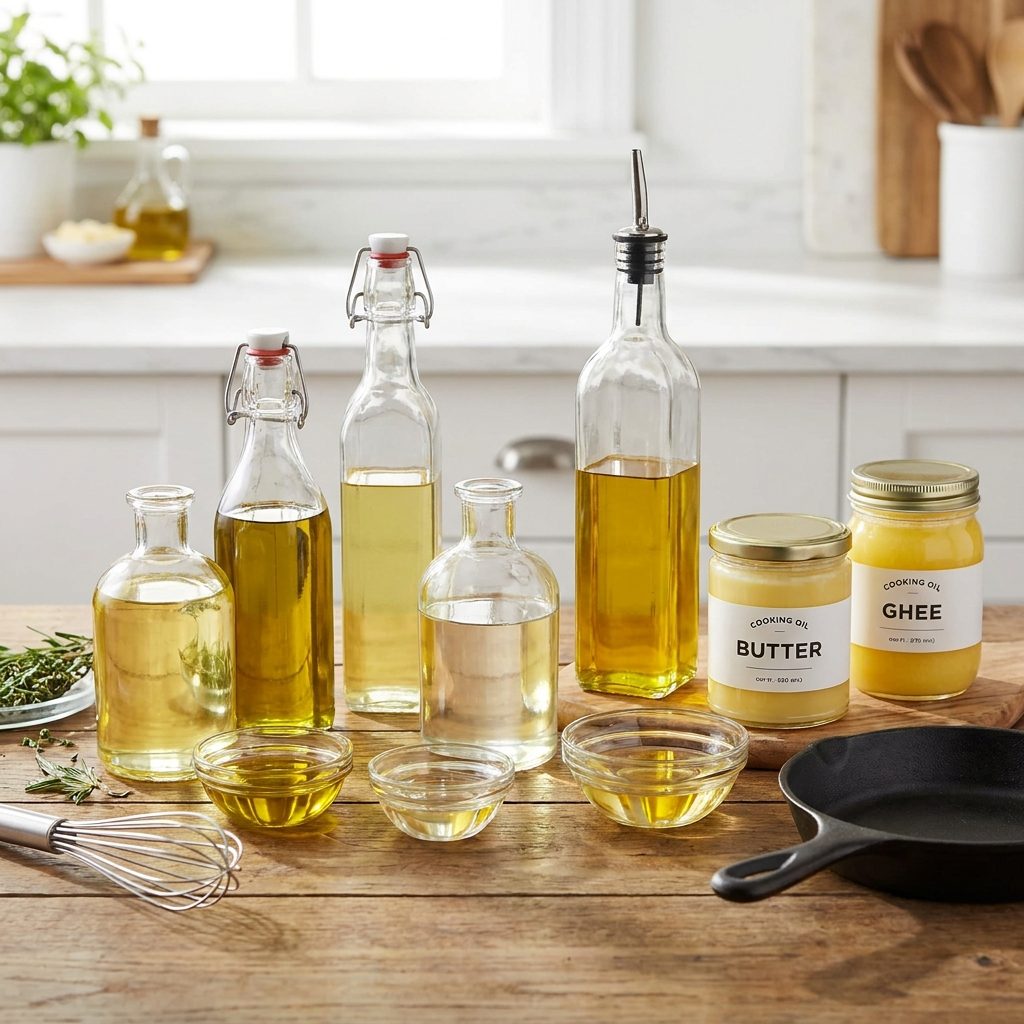
If a recipe calls for vegetable oil or canola oil for frying but you want a healthier or different alternative, avocado oil is the gold standard. It boasts one of the highest smoke points (520°F) and a neutral profile. Refined coconut oil is another excellent swap; unlike its virgin counterpart, the refined version has a higher heat threshold and lacks the strong coconut aroma. Ghee, or clarified butter, is a fantastic lactose-free swap for butter that can handle high temperatures without burning the milk solids.
Best Swaps for Cold Dishes and Dressings
In cold preparations like vinaigrettes or finishing drizzles, the oil is a primary flavor component. If you are out of extra-virgin olive oil, consider walnut oil or toasted sesame oil for a nutty, complex profile. If you are looking for a lower-fat or vegan alternative for creamier dressings, tahini or Greek yogurt can provide the necessary body and emulsification that oil typically offers. These substitutions change the texture but can significantly enhance the nutrient density of the dish.
Dietary and Specialty Adaptations
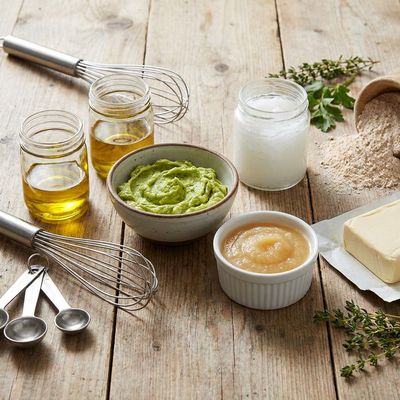
For those following specific dietary paths, oil swaps can be transformative. In vegan baking, applesauce or mashed bananas can often replace oil to reduce fat content while maintaining moisture. For those avoiding highly processed seed oils, animal fats like tallow or lard are traditional high-heat alternatives that offer stability and a savory depth, though they are not suitable for plant-based diets.
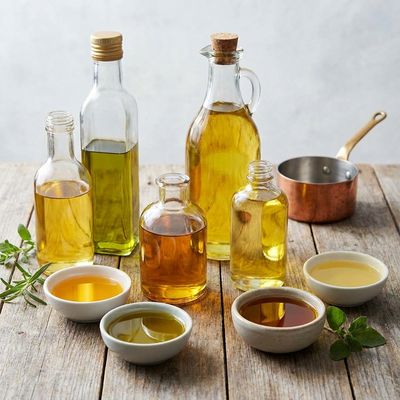
General cooking-oil reference: Compare the main types of cooking oils before selecting a substitute.
Tips for Best Results
-
·
<html><ul><li>Always store delicate oils like flaxseed or walnut oil in the refrigerator to prevent rancidity.</li><li>If using a high-heat oil for flavor, add it as a finishing touch after the cooking is complete to preserve its delicate aromatics.</li><li>Test the temperature of your oil with a single kernel of corn; if it pops, the oil is ready for high-heat frying.</li><li>When substituting solids for liquids in baking (like coconut oil for vegetable oil), ensure all other ingredients are at room temperature to prevent clumping.</li></ul></html>
Frequently Asked Questions
Can I use extra-virgin olive oil for high-heat frying?
What is the best neutral substitute for vegetable oil in baking?
Is it safe to cook with flaxseed oil?
How do I know if my oil has gone bad?
What to Cook Next

Next Recipe
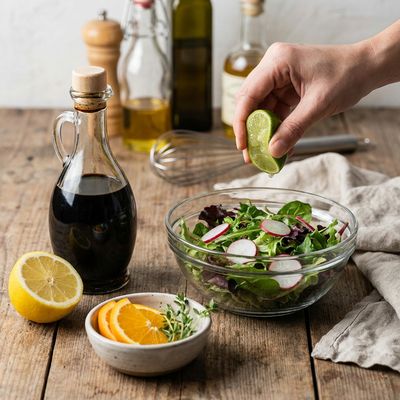
Why Acid is Essential in Cooking: How Vinegar and Citrus Balance Flavor
Acid is often the missing link between a dish that tastes 'okay' and one that tastes 'professional.' This guide explores the science of how citrus and vinegar interact with our taste buds to create balanced, vibrant meals.
Similar Recipes to Try

Why Cold Butter is Key to Flaky Pastry: The Science of Lamination

A Taste of Phoenix: 12 Sonoran Desert Dishes to Cook at Home
Chicken Breasts: Uses, Substitutes, and How to Store It
Chili Powder: Uses, Substitutes, and How to Store It
Basmati Rice: Uses, Substitutes, and How to Store It
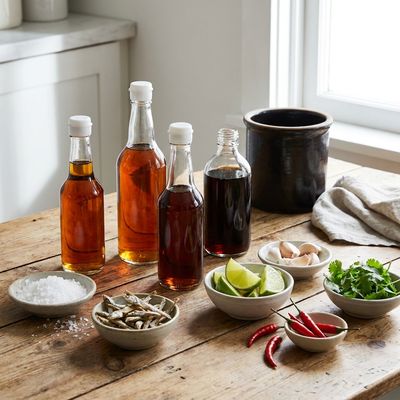
Fish Sauce: Uses, Substitutes, and How to Store It

How to Substitute Sugar: A Guide to Natural and Low-Calorie Sweeteners

A Taste of Eger: 10 Hungarian Dishes and the Wine They Belong With
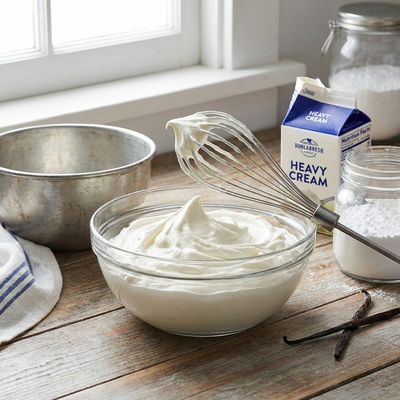
How to Whip Heavy Cream
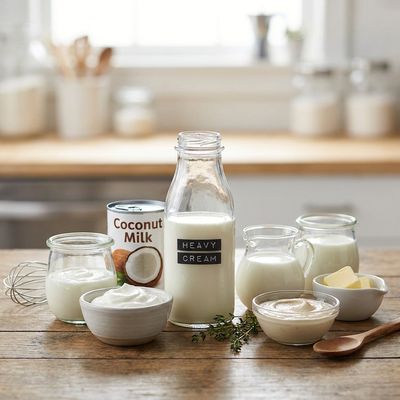
Best Heavy Cream Substitutes for Sauces, Soups, and Baking
Comments
(0)Sign in to leave a comment.
You Might Like

Ad Space Available
Be the first to leave a comment.