Recipe Details
"Vanilla is a versatile spice derived from orchids of the genus Vanilla. This guide covers its origins, selection, cooking uses, substitutes, storage, and common mistakes to help you get the most out of this essential ingredient."
Ingredients
| Qty | Item |
|---|---|
| Ingredient list coming soon. | |
How to Make Vanilla: Uses, Substitutes, and How to Store It
What Vanilla Is
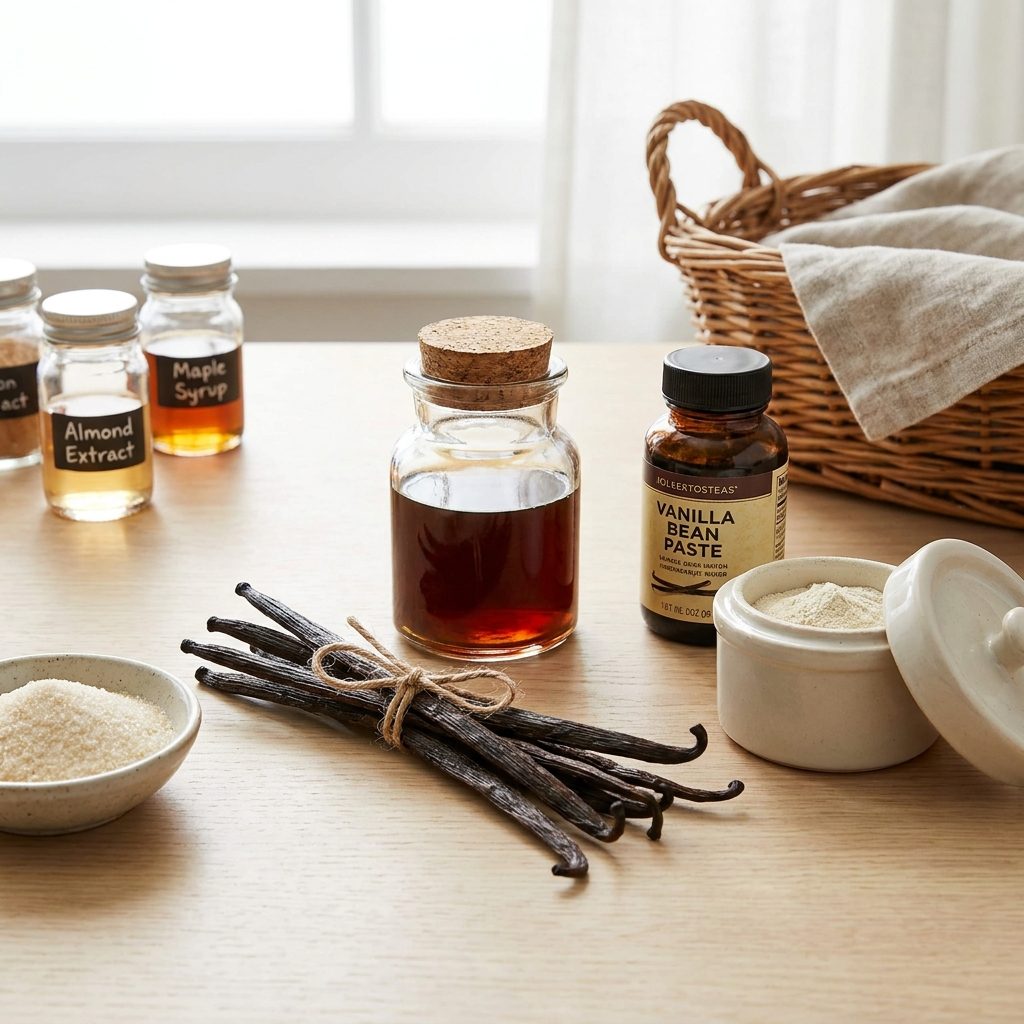
Vanilla is a flavoring derived from orchids of the genus Vanilla, primarily the flat-leaved vanilla (Vanilla planifolia). These orchids grow as vines in tropical regions, with Mexico and Madagascar being major producers. The fruit, a long thin pod called a bean, is harvested green and then undergoes a curing process of sweating, drying, and conditioning to develop its characteristic aroma and flavor. Vanilla extract is made by macerating cured vanilla beans in alcohol and water, while vanilla paste includes ground seeds for a stronger flavor.
How to Choose Vanilla
When buying vanilla beans, look for plump, moist, and oily pods that are supple and bend easily without breaking. A high-quality bean will have a strong, sweet aroma. For extracts, choose pure vanilla extract (not imitation) that lists alcohol, water, and vanilla bean extractives as ingredients. Vanilla paste, which contains ground seeds, is ideal for recipes where you want visible specks. Avoid beans that are dry, brittle, or have a weak scent.
How to Use Vanilla in Cooking
Vanilla is used in both sweet and savory dishes. For baking, add vanilla extract to batters and doughs at the same time as the wet ingredients; use 1 teaspoon per 2 cups of flour for a standard recipe. To infuse custards, ice creams, or sauces, split a vanilla bean lengthwise and scrape the seeds into the liquid; then simmer the pod in the mixture for 15-20 minutes. One bean equals about 3 teaspoons of extract. Vanilla can also be used in savory dishes like braised meats or seafood; add 1/4 teaspoon per serving to enhance umami without overpowering.
Substitutes for Vanilla
Three common substitutes for 1 teaspoon vanilla extract: (1) 1 tablespoon maple syrup – adds a distinct maple flavor, best in pancakes or cookies; (2) 1 teaspoon almond extract – use half the amount in recipes where almond complements the flavor (e.g., fruit desserts); (3) 1/2 teaspoon vanilla powder or 1 inch vanilla bean (split and scraped) – use in recipes where liquid extract would alter consistency, like buttercream. Each substitute will change the final flavor profile, so adjust expectations.
How to Store Vanilla
Store vanilla beans in an airtight container in a cool, dark place (like a pantry) for up to 6 months. For longer storage, place them in a sealed bag in the refrigerator for up to 1 year, or freeze for up to 2 years (thaw at room temperature before use). Vanilla extract and paste should be kept in a sealed bottle in a cool, dark cabinet indefinitely – they do not spoil but may lose potency over time. Avoid storing beans in the refrigerator unless absolutely necessary, as moisture can cause mold.
Common Mistakes
Mistake 1: Using imitation vanilla instead of pure extract. Imitation vanilla is made from synthetic vanillin and lacks the complex flavor of real vanilla. Fix: Always use pure vanilla extract or real beans for authentic flavor.
Mistake 2: Overheating vanilla extract. Adding extract to hot mixtures can cause the alcohol to evaporate and the flavor to dissipate. Fix: Stir extract into batters or sauces after they have cooled slightly (below 140°F/60°C).
Mistake 3: Storing vanilla beans incorrectly. Beans left in a humid environment or exposed to air will dry out and lose flavor. Fix: Keep beans in an airtight container in a cool, dark place, and use within 6 months for best quality.
Tips for Best Results
-
·
<ul><li>To get the most flavor from a vanilla bean, split it lengthwise and scrape the seeds into your recipe; the pod can be steeped in milk or cream for extra depth.</li><li>For a stronger vanilla flavor in baked goods, use vanilla paste instead of extract – it contains ground seeds and is more concentrated.</li><li>If your vanilla extract has crystallized, gently warm the bottle in a bowl of warm water (not boiling) to dissolve the crystals.</li><li>When substituting vanilla extract with another flavoring, start with half the amount and taste before adding more, as substitutes are often stronger.</li></ul>
Frequently Asked Questions
What is the difference between vanilla extract and vanilla essence?
Can I use vanilla extract in place of vanilla beans?
How long does vanilla extract last?
Why did my vanilla beans become brittle?
What to Cook Next
Next Recipe
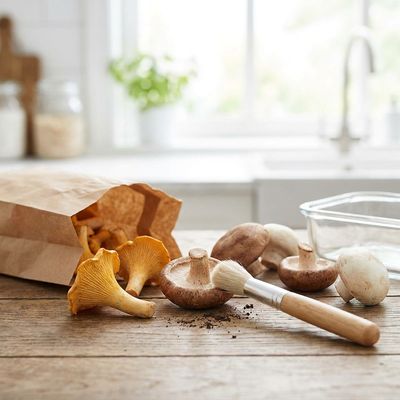
How to Clean and Store Fresh Mushrooms Without Making Them Slimy
Mushrooms are unique culinary organisms that act like sponges, absorbing water and deteriorating quickly if handled incorrectly. This guide teaches you how to maintain their texture and flavor from the market to the frying pan.
Similar Recipes to Try
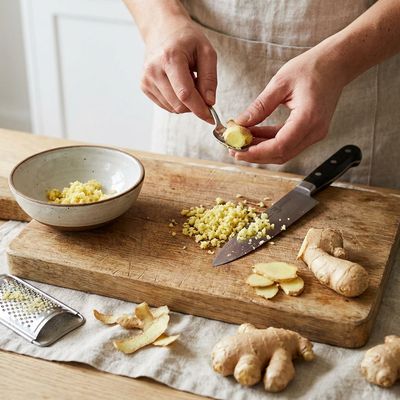
How to Peel and Mince Fresh Ginger Easily
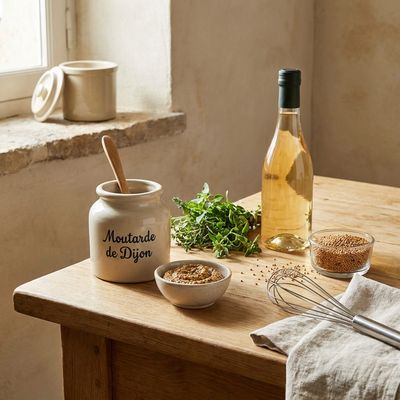
Dijon Mustard: Uses, Substitutes, and How to Store It
A Guide to Choosing the Best Cuts of Beef for Every Cooking Method
Basmati Rice: Uses, Substitutes, and How to Store It
How to Store Kitchen Knives to Keep Them Sharp Longer
How to Marinate Eggs

How to Tell if Fish is Fresh: A Seafood Buying Guide
Cocoa Powder: Uses, Substitutes, and How to Store It
Fish Sauce: Uses, Substitutes, and How to Store It
Basil Leaves: Uses, Substitutes, and How to Store It
Comments
(0)Sign in to leave a comment.
You Might Like
Ad Space Available
Be the first to leave a comment.