Recipe Details
"Carrots are a versatile root vegetable used in everything from soups and salads to cakes and roasts. This guide covers how to select the best carrots, cook them properly, store them to maximise freshness, and swap them when needed."
Ingredients
| Qty | Item |
|---|---|
| Ingredient list coming soon. | |
How to Make Carrots: Uses, Substitutes, and How to Store It
What Carrots Is
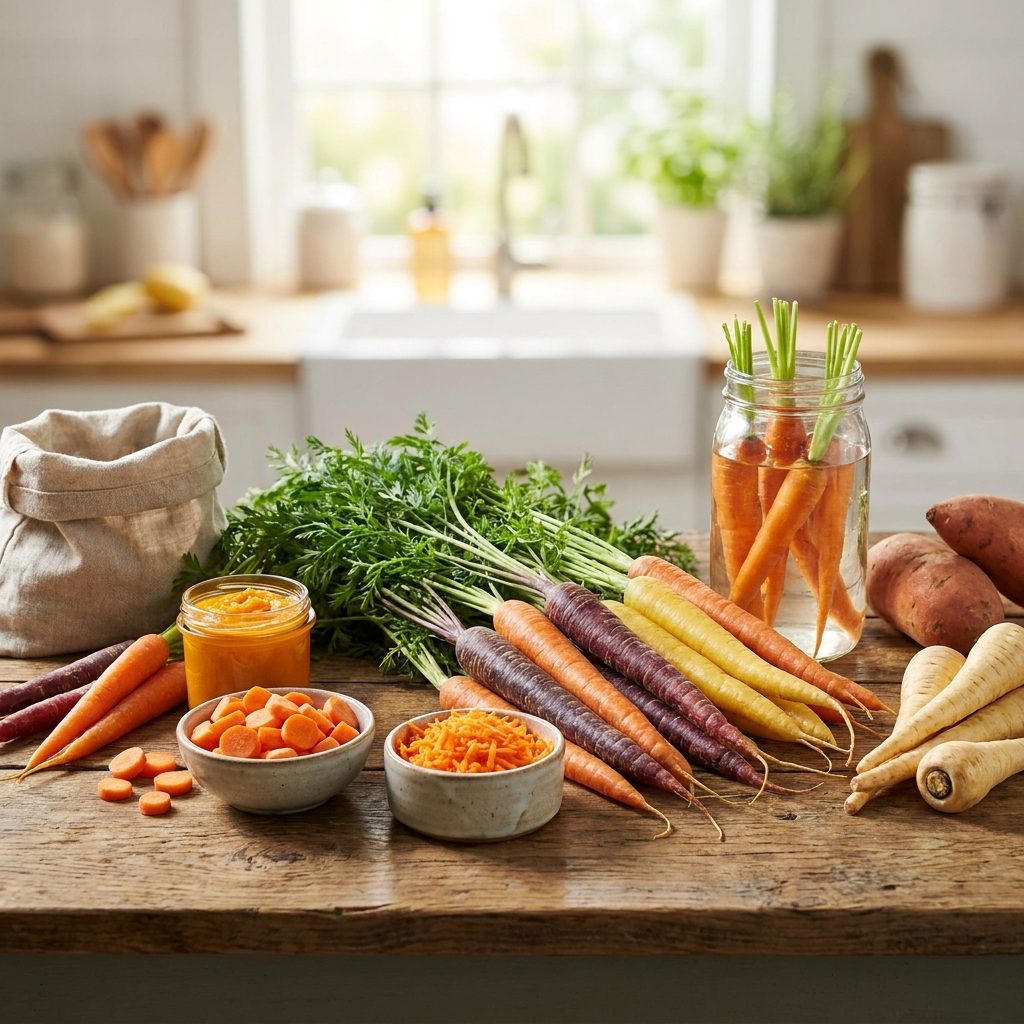
Carrots are the taproot of the plant Daucus carota, a member of the Apiaceae family that also includes parsley, celery, and fennel. Originating in Central Asia, carrots were originally purple or white; the familiar orange variety was developed in the Netherlands in the 17th century. Today, carrots are grown worldwide and are prized for their natural sweetness, crunchy texture, and ability to add colour and flavour to both savoury and sweet dishes.
How to Choose Carrots
Look for firm, smooth carrots without cracks or soft spots. The colour should be bright and uniform — orange carrots should be deep orange, not pale. Avoid carrots that are limp or have wilted green tops; if the tops are attached, they should be fresh and green, not yellowed. Smaller carrots tend to be sweeter and more tender, while larger ones can be woody or bitter. For the best flavour, choose carrots that are about 1 to 1.5 inches in diameter at the thickest point.
How to Use Carrots in Cooking
Carrots can be eaten raw, roasted, boiled, steamed, sautéed, or braised. For roasting, cut carrots into uniform ½-inch sticks or coins, toss with olive oil and salt, and roast at 400°F (200°C) for 20–30 minutes, flipping halfway. For soups and stews, dice carrots into ¼-inch cubes and sauté with onions and celery as a base (mirepoix) at a 2:1:1 ratio by volume. To make carrot purée, boil peeled, sliced carrots in salted water until very tender, then blend with butter and a splash of cream. For salads, shred raw carrots on a box grater or use a mandoline for thin ribbons. Carrots can also be pickled: combine 1 cup vinegar, 1 cup water, 1 tablespoon sugar, and 1 teaspoon salt, bring to a boil, pour over sliced carrots, and refrigerate for at least 2 hours.
Substitutes for Carrots
1. Parsnips — Use 1:1 by weight. Parsnips are slightly sweeter and more earthy; they work well roasted or in soups but not in raw salads. 2. Celery — Use 1:1 by volume in mirepoix or soups. Celery is less sweet and more watery, so add a pinch of sugar if needed. 3. Sweet potatoes — Use 1:1 by weight in purées, roasted dishes, or baked goods. Sweet potatoes are starchier and sweeter; reduce added sugar by 1 tablespoon per cup of substitute.
How to Store Carrots
Remove the green tops before storing, as they draw moisture from the roots. Place unpeeled carrots in a perforated plastic bag or wrapped in a damp paper towel inside a sealed container in the refrigerator crisper drawer; they will keep for 3–4 weeks. For longer storage, submerge whole, unpeeled carrots in a container of water and refrigerate — change the water every 5 days, and they can last up to 2 months. To freeze, blanch peeled, sliced carrots in boiling water for 2 minutes, then plunge into ice water, drain, and pack in freezer bags. Frozen carrots keep for 10–12 months. Do not store carrots at room temperature for more than 2 days, as they will become limp and lose sweetness.
Common Mistakes
1. Not peeling properly — Older or thick-skinned carrots can be bitter. Always peel carrots unless they are young, thin-skinned, and labelled as “baby” or “garden” carrots. 2. Overcooking — Boiling carrots for more than 15 minutes makes them mushy and dulls their flavour. For tender-crisp results, steam or boil for 5–7 minutes, or roast until just fork-tender. 3. Storing with the tops on — The greens leach moisture from the root, causing carrots to wilt within days. Cut off the tops immediately and store them separately.
Tips for Best Results
-
·
<ul><li>For maximum sweetness, roast carrots at high heat (400°F/200°C) to caramelise their natural sugars.</li><li>If your carrots are limp, revive them by soaking in ice water for 30 minutes.</li><li>Grate carrots finely for even distribution in cakes and muffins; coarse shreds can leave wet spots.</li><li>Use the green tops to make pesto or stock — they are edible and flavourful.</li></ul>
Frequently Asked Questions
Can I eat carrot skins?
Why are my carrots bitter?
Can I substitute carrots for potatoes?
How do I know if a carrot has gone bad?
What to Cook Next
Next Recipe
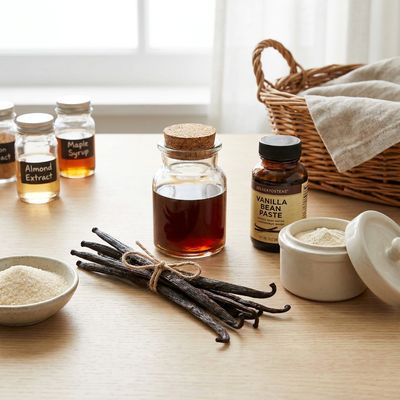
Vanilla: Uses, Substitutes, and How to Store It
Vanilla is a versatile spice derived from orchids of the genus Vanilla. This guide covers its origins, selection, cooking uses, substitutes, storage, and common mistakes to help you get the most out of this essential ingredient.
Similar Recipes to Try
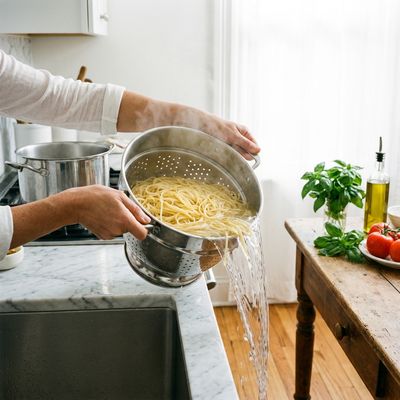
How to Drain Pasta
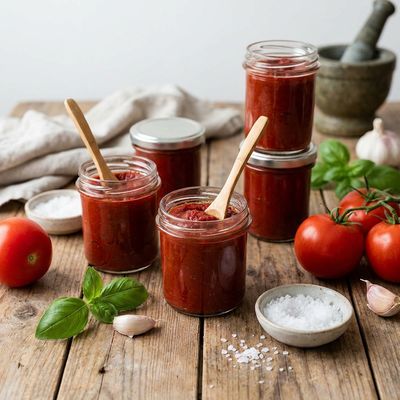
Tomato Paste: Uses, Substitutes, and How to Store It
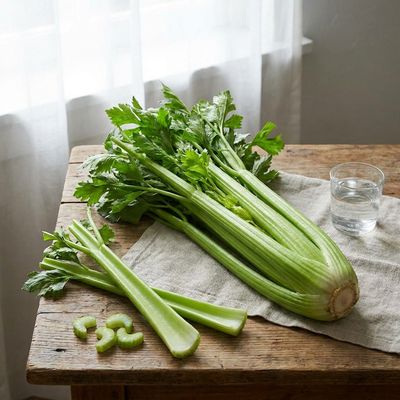
Celery: Uses, Substitutes, and How to Store It
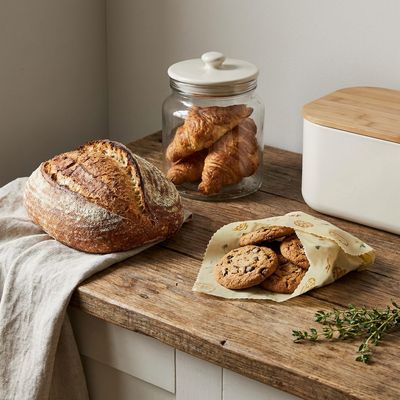
The Best Way to Store Different Types of Baked Goods
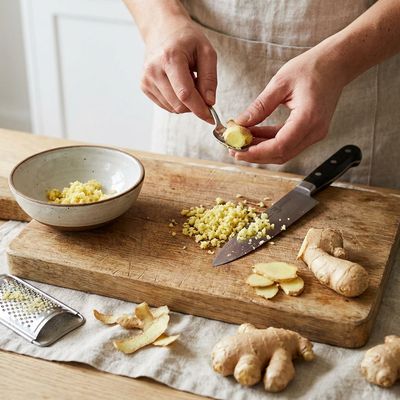
How to Peel and Mince Fresh Ginger Easily
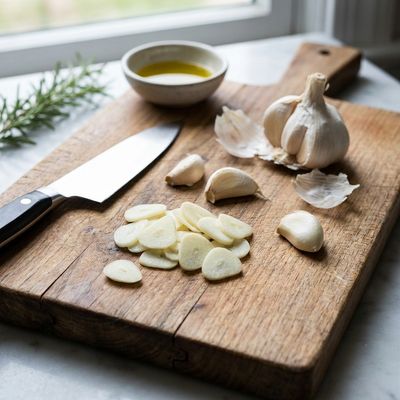
How to Slice Garlic
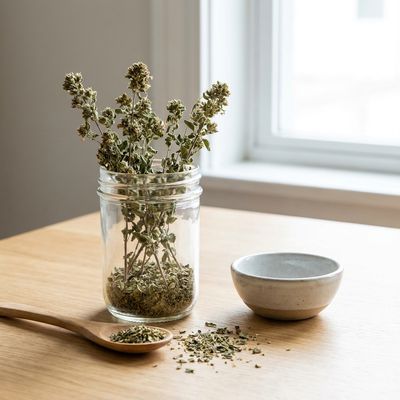
Dried Oregano: Uses, Substitutes, and How to Store It
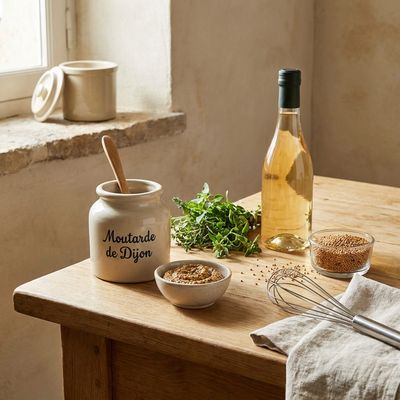
Dijon Mustard: Uses, Substitutes, and How to Store It
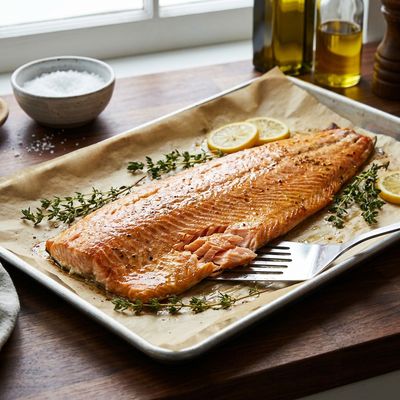
How To Bake Salmon
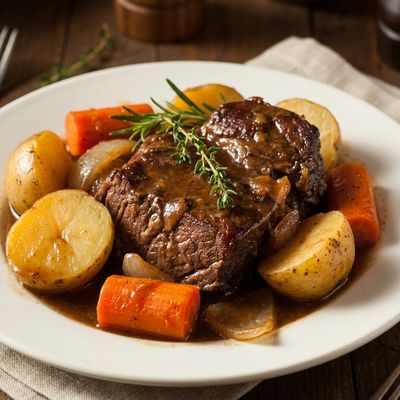
Slow Cooker Pot Roast with Carrots and Potatoes
500 minComments
(0)Sign in to leave a comment.
You Might Like
Ad Space Available
Be the first to leave a comment.