Recipe Details
"This mushrooms guide starts with the form you have. It explains how to choose the right option for a recipe, handle it safely and store it without sacrificing quality. The advice is limited to the distinctions, techniques and storage rules supported by the checked sources."
Ingredients
| Qty | Item |
|---|---|
| Ingredient list coming soon. | |
How to Make Mushrooms: How to Choose, Use and Store It
What It Is and Which Form You Have
Identify the form before following a recipe: related forms can differ in texture, concentration, heat tolerance or the job they do in a dish.
How to Choose It
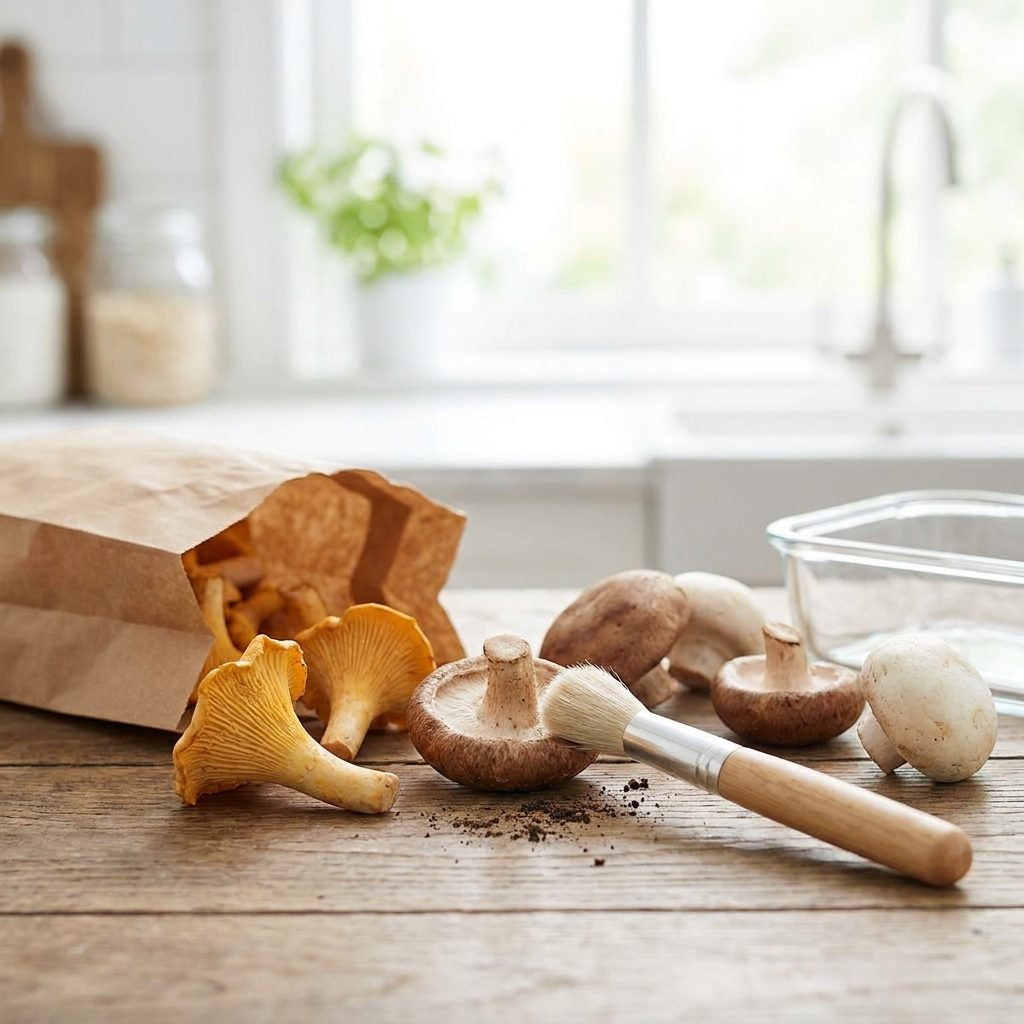
Buy mushrooms from a reputable grower or grocer because wild mushroom misidentification can cause serious illness or death. Choose firm, unblemished, mould-free mushrooms without surface moisture. Use these concrete cues at the shop and again before preparation. If a sealed product has no source-backed visual test, follow its label and reject damaged packaging rather than guessing from appearance alone.
How to Use It in Recipes
Clean mushrooms only when ready to use, with cold running water or a damp cloth, paper towel or soft brush. Keep cut produce at 41 degrees Fahrenheit or below and use cut or cooked produce within seven days. Let the intended technique decide the form. A finishing ingredient, a blended ingredient and one expected to hold its shape are not always interchangeable, even when their names are similar.
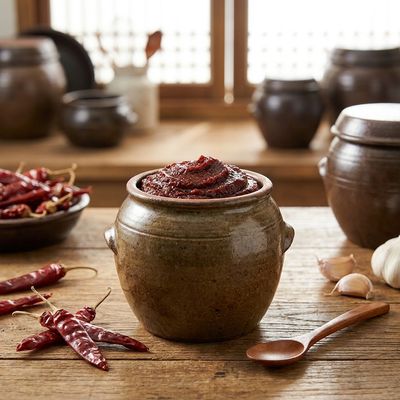
See Balsamic Marinated Grilled Portobello Mushrooms for a concrete Recipe.net example. See Garlic Butter Stuffed Mushrooms for a concrete Recipe.net example. See Gungjung Tteokbokki Royal Court Rice Cakes for a concrete Recipe.net example. See Individual Beef Wellington with Mushroom Duxelles for a concrete Recipe.net example. These recipes contain an exact mushrooms match in their saved instructions, so they are practical next steps rather than loosely related recommendations.
How to Choose a Substitute
Choose a replacement by function, not by appearance alone. Unless the checked sources state a conversion, adjust cautiously and expect a change in flavour, texture or cooking behaviour instead of assuming a universal ratio.
How to Store It
Keep loose mushrooms in a paper bag in the refrigerator; airtight plastic retains moisture and speeds spoilage. Wait to wash produce until preparation when practical because this helps preserve quality and shelf life. Apply the instruction to the exact form and condition you have—whole, cut, opened, cooked or frozen. A storage window describes quality under the stated conditions; it never overrides clear signs of deterioration.
Common Mistakes to Avoid
Wash produce under cool running water; do not use soap, bleach or household cleaning products. The avoidable mistake is carrying one rule across every form. Keep the ingredient dry or cold where the evidence requires it, and treat an explicit safety instruction as more important than convenience.
Sources
- Fruit and Vegetable Guide Series: Mushrooms (Utah State University Extension)
- Washing Fresh Fruits and Vegetables Safely (University of Minnesota Extension)
Tips for Best Results
-
·
Read the recipe's full ingredient line before swapping mushrooms; the form and intended job matter.
-
·
Store mushrooms according to its current condition—unopened, opened, cut or cooked—not by one blanket rule.
-
·
Treat a missing ratio, temperature or storage period as unresolved instead of turning an estimate into a rule.
Frequently Asked Questions
What counts as mushrooms in this guide?
How do I choose mushrooms?
Can I substitute something else for mushrooms?
How should I store mushrooms?
What to Cook Next
Next Recipe
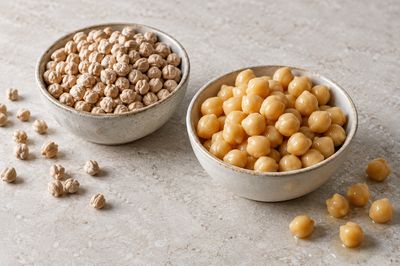
Chickpeas: How to Choose, Use and Store It
This chickpeas guide starts with the form you have. It explains how to choose the right option for a recipe, handle it safely and store it without sacrificing quality. The advice is limited to the distinctions, techniques and storage rules supported by the checked sources.
Similar Recipes to Try
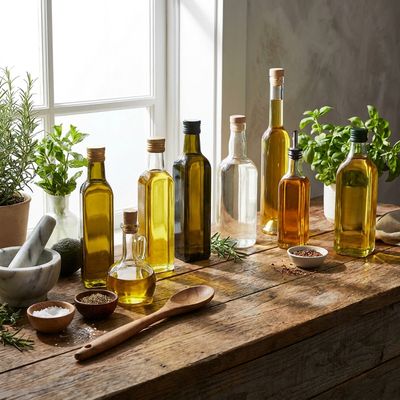
A Beginner's Guide to Buying and Using Different Types of Cooking Oils
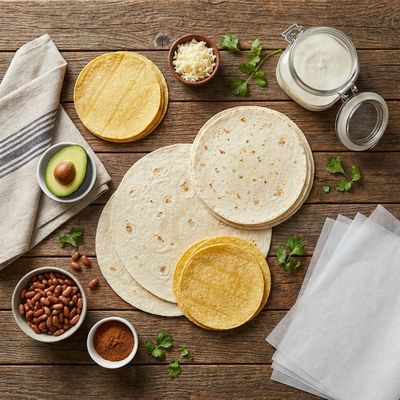
Tortillas: Uses, Substitutes, and How to Store It
Fish Sauce: Uses, Substitutes, and How to Store It
Mozzarella: Uses, Substitutes, and How to Store It
Dijon Mustard: Uses, Substitutes, and How to Store It
The Best Way to Store Leafy Greens to Keep Them From Wilting
Lettuce: Uses, Substitutes, and How to Store It
How to Store Bread to Keep It Fresh and Crusty
Cucumber: Uses, Substitutes, and How to Store It
Tomato Puree: Uses, Substitutes, and How to Store It
Comments
(0)Sign in to leave a comment.
You Might Like
Ad Space Available
Be the first to leave a comment.