Recipe Details
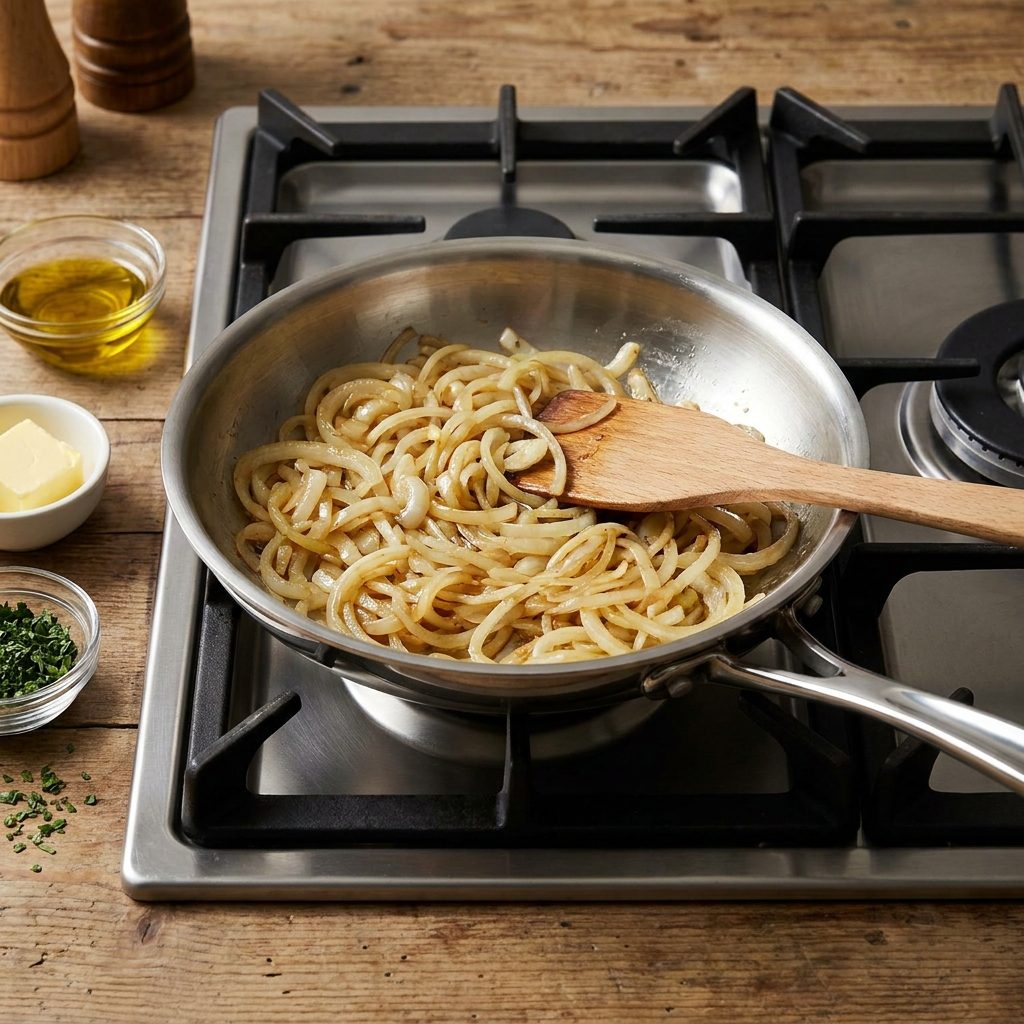
"Sautéing onions is a fundamental culinary skill that forms the flavor base for countless dishes. This guide covers everything from choosing the right onion to achieving the perfect translucent texture without burning."
Ingredients
| Qty | Item |
|---|---|
| Ingredient list coming soon. | |
How to Make How to Saute Onions
1. Prepare the Onions
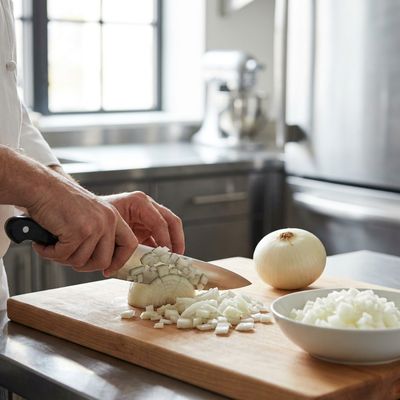
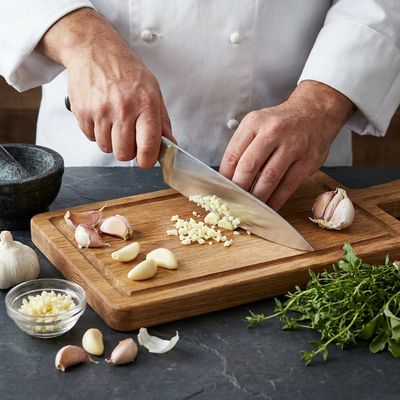
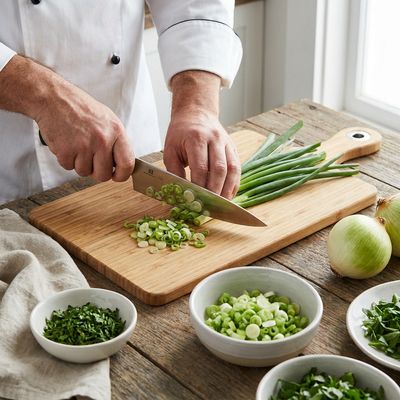
Start by peeling the outer papery skin off your onions. For a classic saute, slice the onions into thin half-moons or dice them into uniform pieces. Consistency is key here; even pieces ensure that every bit of onion cooks at the same rate, preventing some from burning while others remain raw. Use a sharp chef's knife (8-10 inch blade) and a stable cutting board. For half-moons, cut the onion in half through the root, then slice crosswise into 1/8-inch thick arcs. For dice, make parallel cuts lengthwise (leaving the root intact to hold the onion together), then horizontal cuts, then slice down for 1/4-inch cubes. A medium yellow onion yields about 1 cup sliced. If you prefer sweeter results, try Vidalia or Walla Walla; for more pungency, use white or red onions. Avoid slicing too thick (over 1/4 inch) as they will steam rather than saute, or too thin (under 1/16 inch) as they may burn before softening. For more detail, see our guide to sauté shallots.
2. Choose Your Fat and Heat the Pan
Place a wide skillet or sauté pan over medium heat. Use a pan with a heavy bottom (stainless steel, cast iron, or nonstick) for even heat distribution. Add about one tablespoon of fat (such as olive oil, butter, or a combination of both) per large onion. For a neutral flavor, use grapeseed or canola oil; for richness, use clarified butter or ghee (which has a higher smoke point than whole butter). Wait until the oil shimmers or the butter foam subsides before adding the onions. This ensures the sautéing process begins immediately upon contact. Test the heat by flicking a drop of water into the pan; if it sizzles and evaporates quickly, the pan is ready. If the fat smokes, the pan is too hot—remove it from the heat briefly and lower the burner. For butter, watch for the foam to turn from vigorous to gentle bubbles; this takes about 30-45 seconds over medium heat.
3. Sautéing the Onions
Add the onions to the pan in an even layer. You should hear a gentle sizzle—if it's loud and popping, the heat is too high; if silent, the pan is too cool. Stir frequently with a wooden spoon or heat-resistant spatula to coat the onions in the fat. Sprinkle a pinch of salt over them (about 1/4 teaspoon per large onion); the salt helps draw out moisture, which prevents them from browning too quickly and encourages them to soften. Stir every 30 seconds for the first 2 minutes, then every minute after. If the onions start to stick, add a teaspoon of water or broth to release them. For a deeper flavor, add a small pat of butter (1/2 tablespoon) halfway through cooking. If you see dark spots forming, reduce heat by one notch and stir more often.
4. Achieving Translucency
Continue cooking the onions for about 5 to 8 minutes. You are looking for the onions to turn translucent, meaning they look clear or semi-transparent rather than opaque white. They should be soft to the touch and have a mild, sweet aroma. If they start to brown around the edges, lower the heat slightly. At the 4-minute mark, check for doneness: press a piece against the side of the pan; it should yield easily. The onions will have reduced in volume by about half. If they remain crunchy after 8 minutes, increase heat to medium-high for 30 seconds while stirring constantly. If they brown too fast, add 2 tablespoons of water and cover the pan for 1 minute to steam them. For a more caramelized result, continue cooking for another 10-15 minutes at low heat, stirring every 2 minutes.
5. Finishing Touches
Once the onions are tender and translucent, they are ready to be used as a base for sauces, soups, or stews. If your recipe calls for deglazing, this is the time to add a splash of wine or broth to pick up any flavorful bits stuck to the bottom of the pan. Use about 1/4 cup of liquid (dry white wine, chicken broth, or vegetable stock) per large onion. Pour it in while scraping the pan with a wooden spoon; the liquid should bubble and steam immediately. Cook for 30-60 seconds until reduced by half. For a richer finish, stir in 1 teaspoon of balsamic vinegar or a pinch of sugar. If the onions are too wet, increase heat to high for 1 minute to evaporate excess moisture. Taste and adjust salt—add up to 1/8 teaspoon more if needed. Use immediately or cool and refrigerate in an airtight container for up to 3 days.
Tips for Best Results
-
·
<html><ul><li>Use a wide pan to avoid overcrowding, which causes onions to steam rather than sauté.</li><li>Add a pinch of salt immediately to speed up the softening process by drawing out water.</li><li>Maintain medium heat; high heat will sear and brown the onions before they can soften properly.</li><li>A combination of butter and oil offers the rich flavor of butter with the higher smoke point of oil.</li></ul></html>
Frequently Asked Questions
How do I know when the onions are done?
What is the best onion for sautéing?
Can I sauté onions in water instead of oil?
Why did my onions turn brown so quickly?
What to Cook Next
Next Recipe
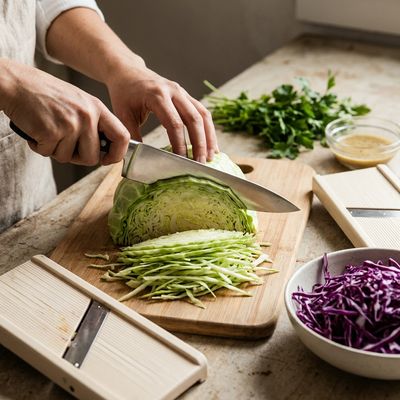
How to Shred Cabbage
Shredded cabbage is a foundational skill for making everything from crunchy coleslaw to fermented sauerkraut. This guide walks you through the essential techniques for achieving uniform, restaurant-quality results at home.
Similar Recipes to Try
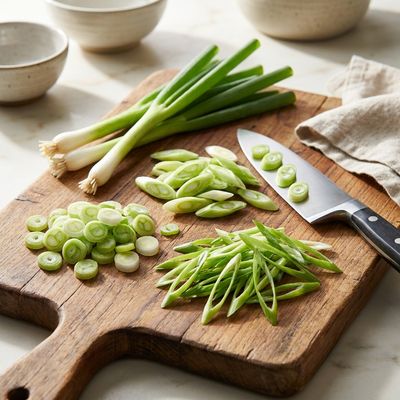
How to Slice Green Onions
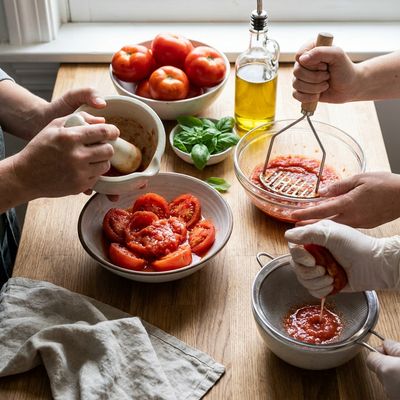
How to Crush Tomatoes
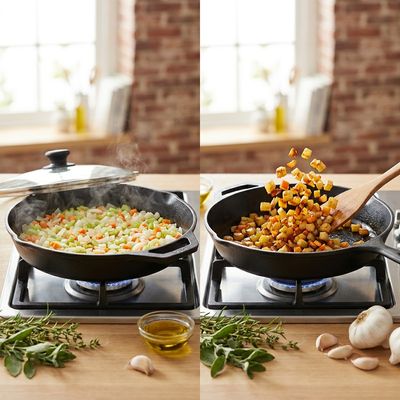
Why You Should Be Sweating Your Aromatics Instead of Sauteing
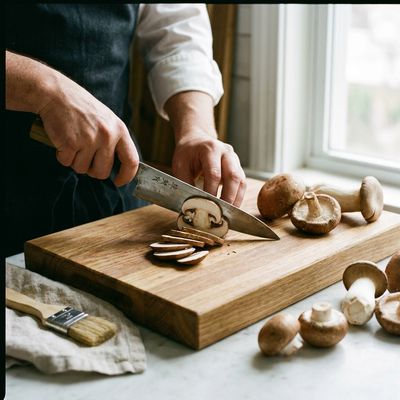
How to Slice Mushrooms
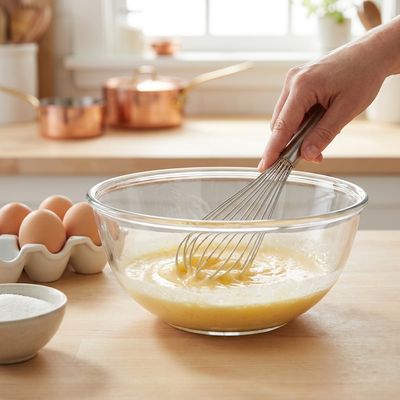
How to Whisk Egg Yolks
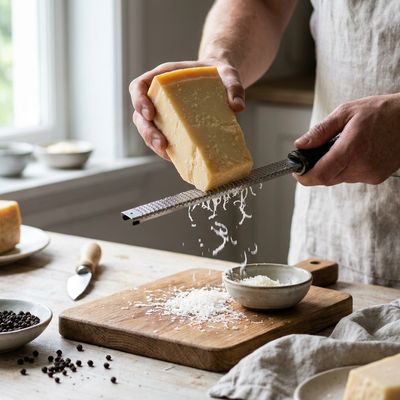
How to Grate Parmesan Cheese

Chicken Biryani with Saffron and Fried Onions
90 min
How To Sharpen Kitchen Knives
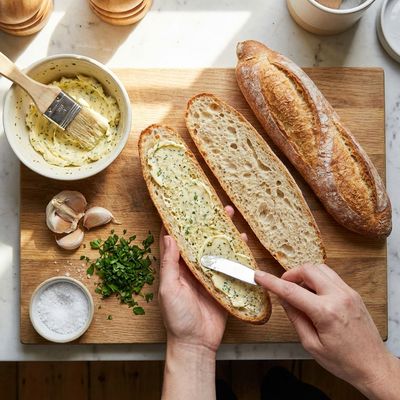
How To Make Garlic Bread
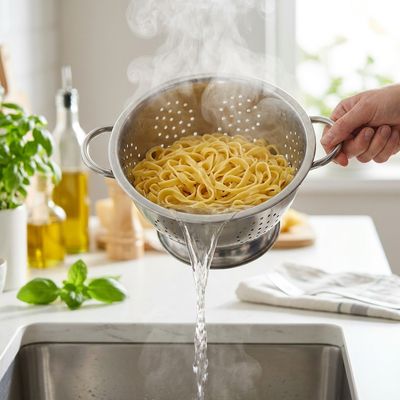
How to Drain Noodles
Comments
(0)Sign in to leave a comment.
You Might Like
Ad Space Available
Be the first to leave a comment.