Recipe Details
"Crushing tomatoes is a foundational culinary skill that transforms simple ingredients into the base for rich sauces, stews, and salsas. This guide explores the best methods to achieve the ideal texture, whether you prefer a rustic chunky finish or a smoother consistency."
Ingredients
| Qty | Item |
|---|---|
| Ingredient list coming soon. | |
How to Make How to Crush Tomatoes
Method 1: The Rustic Hand-Crush
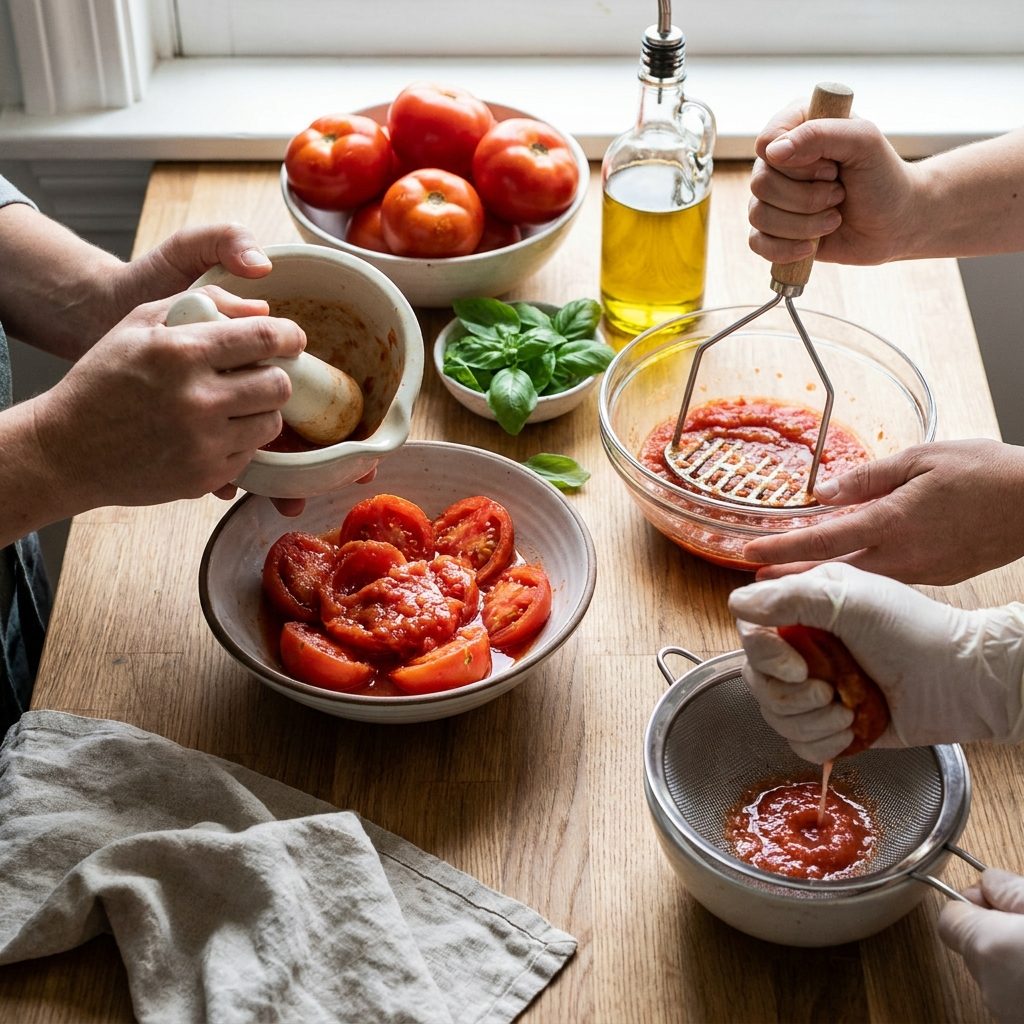
For the most traditional texture, especially when using whole peeled canned tomatoes, hand-crushing is the gold standard. Start with a 28-ounce (794 g) can of whole peeled San Marzano tomatoes. Pour the entire contents—tomatoes and their juices—into a deep stainless-steel or glass bowl. Roll up your sleeve to the elbow, wash your hands thoroughly, and submerge your dominant hand into the cold, slippery tomatoes. Gently squeeze each tomato between your thumb and fingers until it breaks apart into irregular, bite-sized pieces, typically 1 to 2 inches across. You should feel the firm flesh yield and the seeds pop out; aim to leave about 30% of the tomatoes in slightly larger chunks for textural contrast. Work through the entire can, scraping the sides of the bowl with your fingertips to catch any stray whole tomatoes. This method allows you to control the exact size of the chunks, which is perfect for a classic Pomodoro or marinara sauce. If the tomatoes are too slippery and squirt juice, tilt the bowl away from you and crush with your palm facing down. A common mistake is crushing too vigorously, which turns the tomatoes into a watery mush; instead, use a slow, deliberate squeeze. You should hear a soft squelch as each tomato gives way, and the final mixture should look like a chunky, rustic salsa with visible seeds and pulp. If you find the texture too watery, let the crushed tomatoes rest for 5 minutes, then pour off 2 to 3 tablespoons of the clear liquid that separates at the top.
Method 2: Using a Potato Masher
If you prefer a more uniform but still chunky texture, a potato masher is an excellent tool. Use a 28-ounce (794 g) can of whole peeled or diced tomatoes, or 2 pounds (907 g) of fresh Roma tomatoes that have been blanched for 45 seconds in boiling water, shocked in an ice bath, and peeled. Place the tomatoes in a large pot or wide-bottomed bowl—a 4-quart (3.8 L) stainless-steel pot works well. Press down firmly with the masher, using about 10 to 12 pounds of force (the weight of your upper body leaning slightly forward). Rotate the masher 90 degrees after each press, working from the center outward in a spiral pattern. This provides more leverage than your hands and is much faster for large batches while keeping the seeds intact for a natural flavor profile. You should see the tomatoes flatten and split, releasing their juices; the mixture will become a coarse, chunky puree with pieces ranging from 1/4 inch to 1 inch. Mash for 30 to 45 seconds total, checking the texture after every 10 seconds. If you over-mash, the seeds will break and release bitter tannins, and the sauce will become a thin, watery paste. To avoid this, stop as soon as you see no whole tomatoes remaining but still feel small, firm pieces under the masher. For a slightly smoother result, switch to a pastry cutter or a fork for the final 5 seconds. If the tomatoes are too firm and won't break, they may be under-ripe; add 1 tablespoon of olive oil and heat the pot over medium-low heat for 2 minutes to soften them before mashing again.
Method 3: The Food Mill
For a professional, seedless, and skinless result, use a food mill. Choose a stainless-steel food mill with a medium disk (holes about 3/32 inch or 2.4 mm in diameter). Set the mill over a clean bowl—a 2-quart (1.9 L) glass or ceramic bowl works best. For fresh tomatoes, use 2 pounds (907 g) of ripe Roma or beefsteak tomatoes that have been halved lengthwise. For canned, use a 28-ounce (794 g) can of whole peeled tomatoes, drained of their juices (reserve the juice for another use). Working in batches of about 1 cup (240 ml) at a time, add the tomatoes to the mill. Turn the crank clockwise at a steady speed of about one full rotation per second. You should feel resistance as the flesh is pressed through the disk; the sound is a wet, grinding noise. The puree that collects in the bowl will be a smooth, velvety liquid with no seeds or skin, about the consistency of heavy cream but thicker. This technique is ideal for fresh tomatoes as it simultaneously crushes the flesh and filters out the skins and seeds, resulting in a velvety texture that is still significantly thicker than a standard puree. After each batch, scrape the underside of the disk with a silicone spatula to collect any clinging puree. When the crank becomes hard to turn, stop and empty the mill of the accumulated skins and seeds—this usually happens after 2 to 3 cups of tomatoes. A common mistake is using a disk that is too fine (1/16 inch or 1.6 mm), which produces a watery, baby-food-like consistency; stick to the medium disk. If the puree is too thin, let it drain through a fine-mesh sieve for 10 minutes, then discard the liquid that collects. For a richer flavor, add 1/4 teaspoon of salt to the puree and let it sit for 5 minutes before using.
Method 4: Pulse in a Food Processor
When time is of the essence, a food processor or blender can do the work in seconds. Use a 28-ounce (794 g) can of whole peeled tomatoes, drained of half their juice (about 1/2 cup or 120 ml reserved). Add the tomatoes to the bowl of a 14-cup (3.3 L) food processor fitted with the standard S-blade. Use the 'pulse' setting 3 to 5 times, with each pulse lasting exactly 1 second. It is vital not to run the machine continuously, as this will aerate the tomatoes and incorporate air, turning the sauce pink and thin rather than a vibrant, chunky crush. After the third pulse, stop and lift the lid: you should see irregular pieces ranging from 1/4 inch to 3/4 inch, with some whole seeds visible. If you see a uniform, smooth paste, you have pulsed too many times. For a chunkier result, pulse only 2 times and then stir by hand with a rubber spatula. If the mixture looks too dry, add 1 to 2 tablespoons of the reserved tomato juice and pulse once more. A common mistake is overfilling the processor bowl—never fill it more than half full, or the tomatoes will be forced up the sides and not chopped evenly. For a blender, use a 64-ounce (1.9 L) container and pulse 2 to 3 times, then stir with a long spoon to redistribute the tomatoes before pulsing once more. If the blender has a 'chop' setting, use that instead of 'puree' to avoid aeration. The final texture should be a thick, chunky crush that holds its shape on a spoon, not a liquid that pours like water. If the sauce turns pink, it has been over-processed; add 1 tablespoon of tomato paste and stir vigorously to restore color and thickness.
Tips for Best Results
-
·
<html><ul><li>Always use a deep bowl when hand-crushing to prevent acidic tomato juice from splattering across your kitchen.</li><li>If using fresh tomatoes, blanch them in boiling water for 30 seconds and shock in ice water to easily remove the skins before crushing.</li><li>For a thicker, more concentrated sauce, drain the excess watery liquid from canned tomatoes before you begin crushing.</li><li>Remove the tough 'core' or stem end of the tomato before crushing to ensure there are no hard bits in your final dish.</li></ul></html>
Frequently Asked Questions
Can I crush tomatoes with their skins on?
What is the difference between crushed and pureed tomatoes?
Should I drain canned tomatoes before crushing?
How long do crushed tomatoes stay fresh?
What to Cook Next


Next Recipe
The Ultimate Guide to Emulsifying Homemade Sauces and Vinaigrettes
Emulsification is the culinary bridge that allows oil and water-based liquids to coexist in a stable, creamy state. This guide provides the foundational science and practical techniques required to master everything from simple balsamic vinaigrettes to complex hollandaise.
Similar Recipes to Try
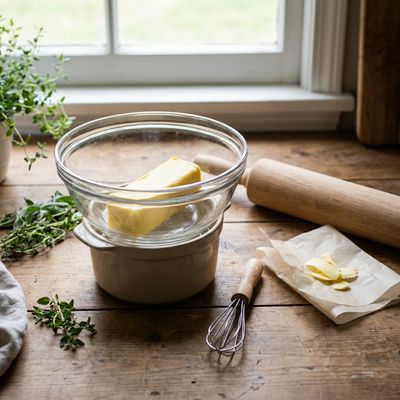
How to Soften Butter Quickly Without Melting It
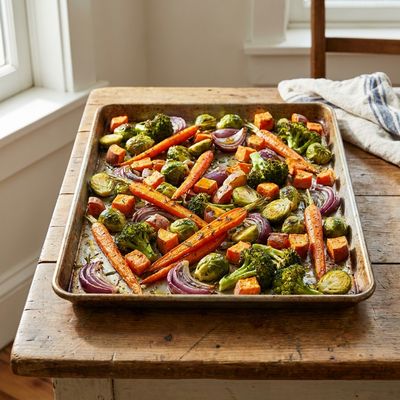
How to Roast Any Vegetable: Temperature, Oil, and Timing
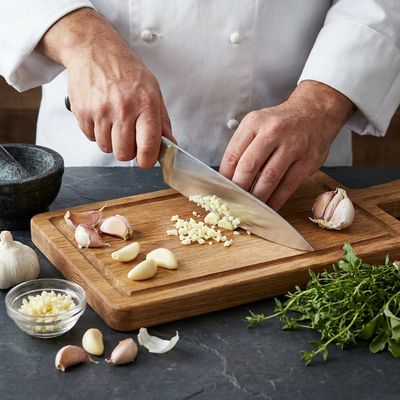
How to Mince Garlic
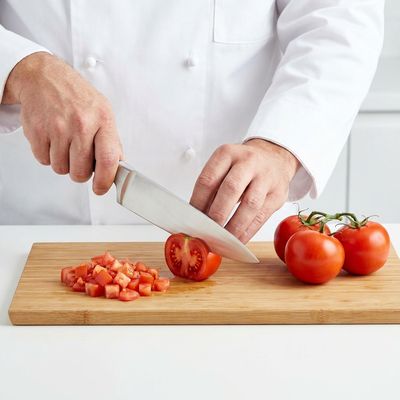
How to Chop Tomatoes
How to Steam Jasmine Rice
How to Shred Chicken
How to Peel Potatoes

Nokedli Hungarian Egg Dumplings
20 min
How To Cook Pasta
14 min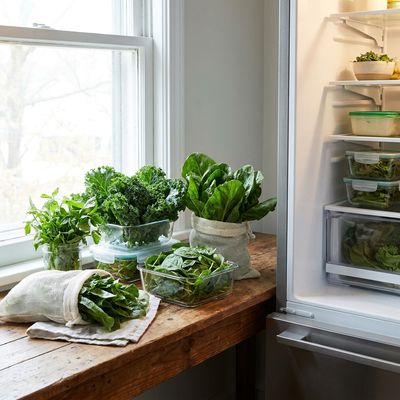
The Best Way to Store Leafy Greens to Keep Them From Wilting
Comments
(0)Sign in to leave a comment.
You Might Like

Ad Space Available
Be the first to leave a comment.