Recipe Details
"Scrambled eggs are often the first dish a cook learns, yet they are one of the most difficult to perfect. This guide breaks down the science and technique behind achieving a custardy, soft-scramble texture every single time."
Ingredients
| Qty | Item |
|---|---|
| Ingredient list coming soon. | |
How to Make How To Make Scrambled Eggs
Step 1: Proper Preparation and Whisking
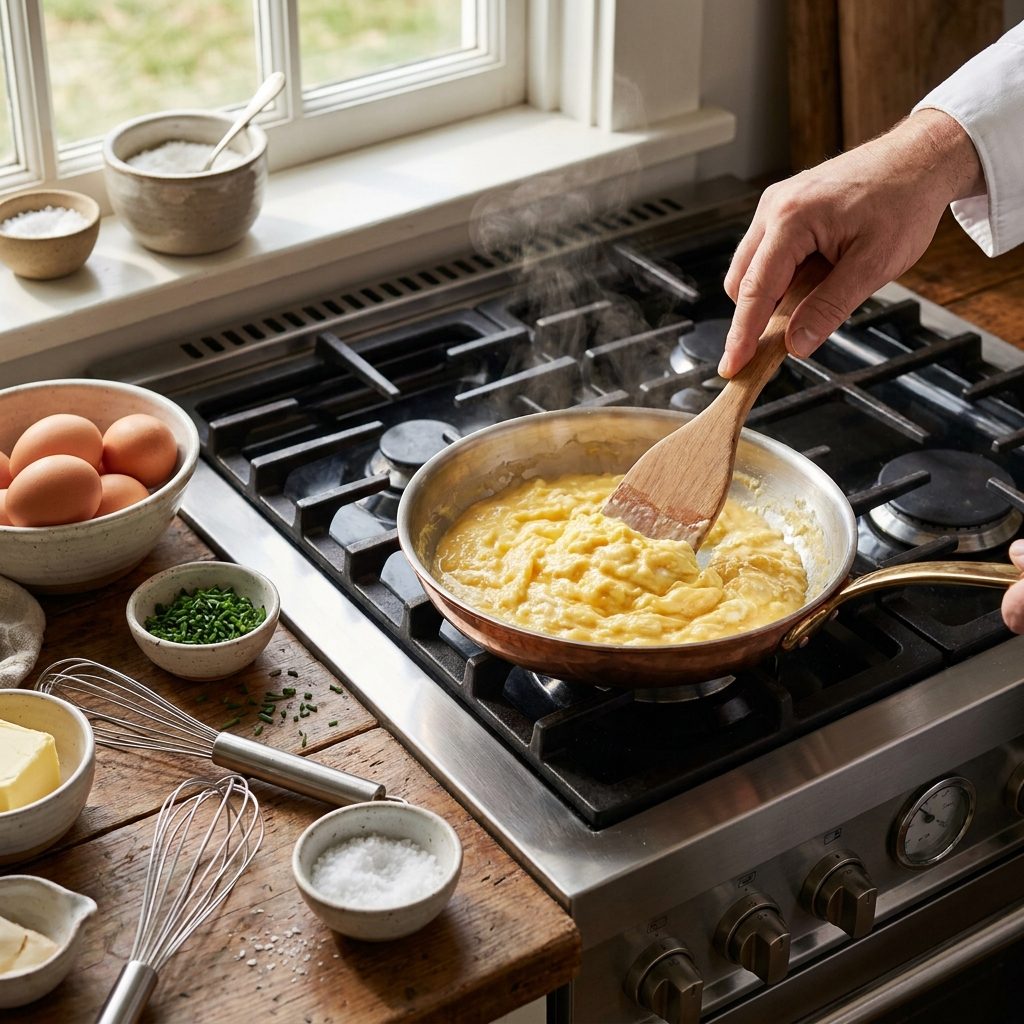
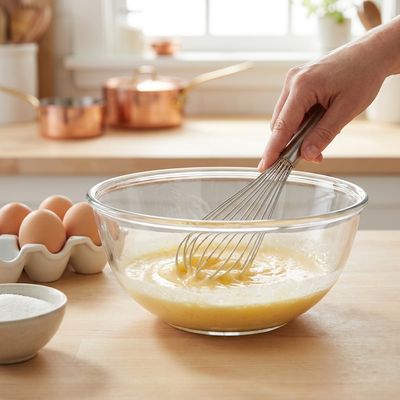
Begin by cracking fresh, room-temperature eggs into a bowl. Use a fork or a balloon whisk to beat the eggs vigorously until the whites and yolks are completely combined and no streaks remain. Incorporating air at this stage ensures a lighter, fluffier result. Avoid adding salt until just before they hit the pan to prevent the proteins from breaking down too early.
Step 2: Selecting the Right Pan and Heat
Use a non-stick skillet to ensure the eggs glide across the surface without tearing. Set your burner to low or medium-low heat. High heat is the enemy of creamy eggs, as it causes the proteins to tighten and expel moisture, leading to a rubbery texture. Add a knob of unsalted butter and let it melt until it begins to foam but does not brown.
Step 3: The Low and Slow Method
Pour the egg mixture into the center of the pan. Let them sit for about 20-30 seconds until the edges begin to set. Using a heat-resistant silicone spatula, gently push the cooked curds from the edges toward the center. This allows the raw egg to flow onto the hot surface. Continue this folding motion slowly, creating large, soft folds rather than small, shattered bits.
Step 4: Managing Carry-over Cooking
The most important rule of scrambled eggs is to remove the pan from the heat when the eggs still look slightly wet and glistening. The residual heat in the pan and within the eggs themselves will continue to cook the proteins for another 30 to 60 seconds after they are plated. If they look finished in the pan, they will be overdone on the plate.
Tips for Best Results
-
·
<ul><li>Always use high-quality, cold butter for the best fat-to-protein emulsion.</li><li>Avoid adding milk or water; they dilute the rich egg flavor and can cause the eggs to 'weep' liquid.</li><li>Use a silicone spatula to ensure you can cleanly scrape the bottom of the pan.</li><li>For an extra creamy finish, stir in a teaspoon of crème fraîche or a small cube of cold butter right before serving.</li></ul>
Frequently Asked Questions
Should I add milk to my scrambled eggs?
Why are my scrambled eggs dry and rubbery?
What is the best pan for scrambled eggs?
When should I season my eggs?
What to Cook Next
Next Recipe
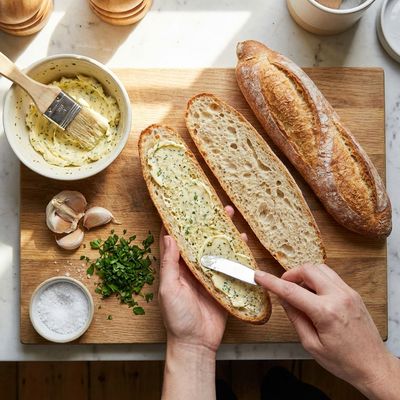
How To Make Garlic Bread
Elevate your next meal with the irresistible aroma and flavor of perfectly toasted garlic bread. This guide covers the fundamental techniques of choosing the right bread, crafting a balanced garlic butter, and achieving the ideal golden crunch.
Similar Recipes to Try
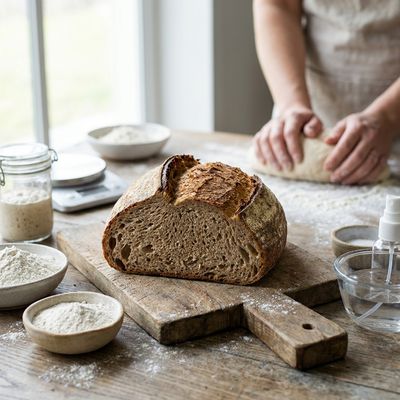
Why is My Bread Dense? 5 Common Troubleshooting Tips
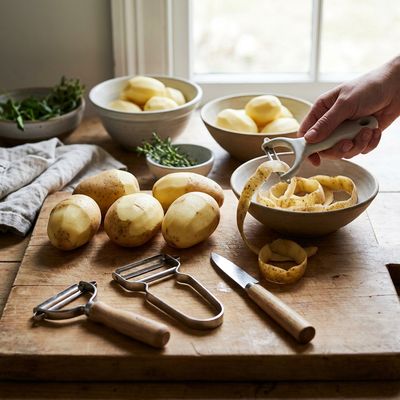
How to Peel Potatoes
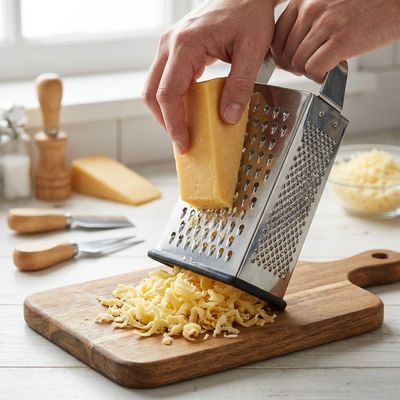
How to Shred Cheddar Cheese
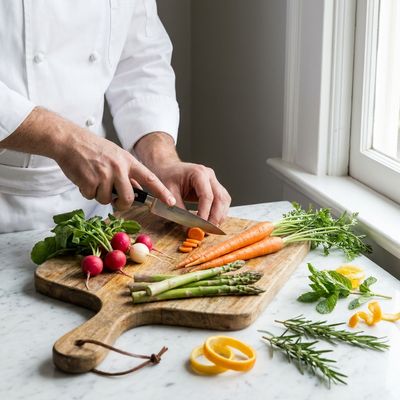
How to Trim Edges
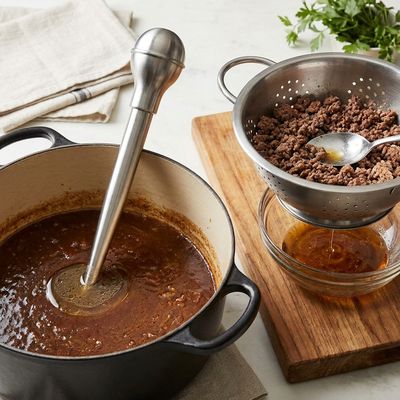
How to Drain Excess Fat
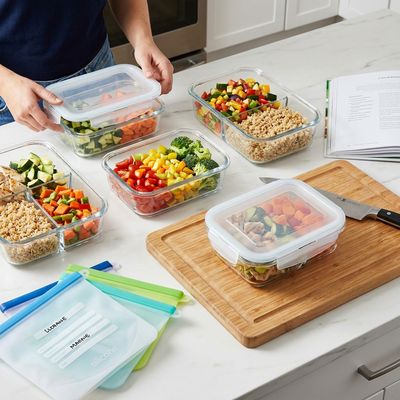
The Ultimate Guide to Meal Prepping for Beginners
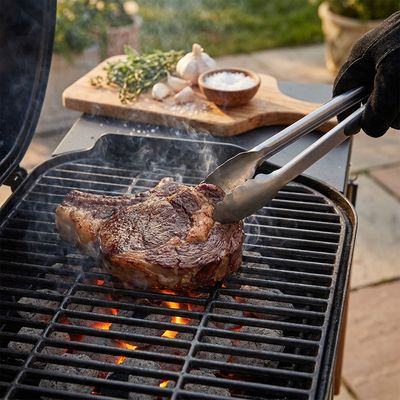
How To Grill Steak
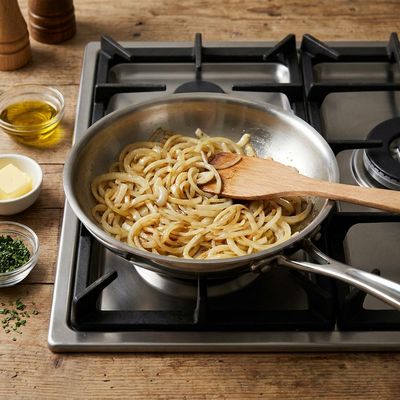
How to Saute Onions
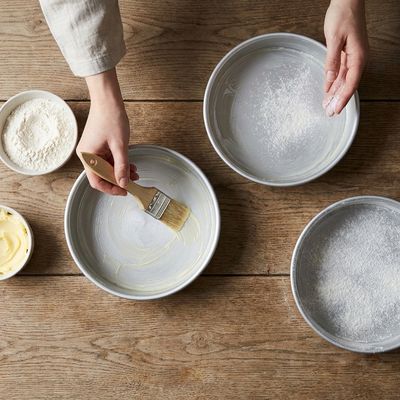
How to Properly Grease and Flour a Cake Pan
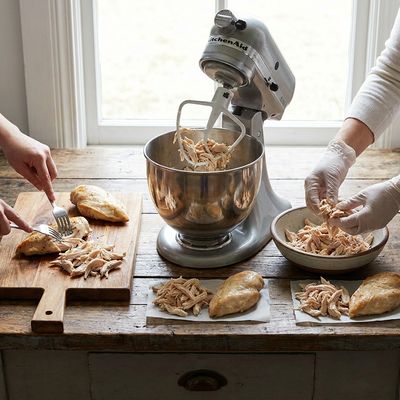
How to Shred Chicken
Comments
(0)Sign in to leave a comment.
You Might Like
Ad Space Available
Be the first to leave a comment.