What White Wine Is
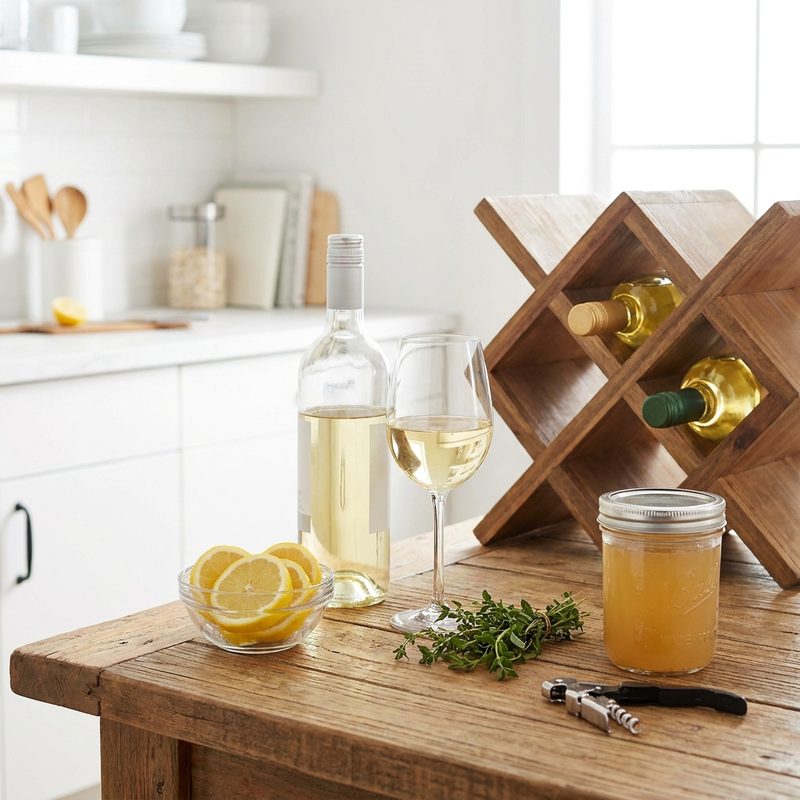
White wine is an alcoholic beverage made from fermented grape juice, typically from green or yellow-skinned grapes. The juice is separated from the skins before fermentation, which gives white wine its pale colour. It is produced worldwide, with major regions including France, Italy, Spain, the United States, and Australia. The flavour profile ranges from dry and crisp (like Sauvignon Blanc) to rich and oaky (like Chardonnay). For cooking, dry white wines are almost always preferred because they add acidity without unwanted sweetness.
How to Choose White Wine
When buying white wine for cooking, look for a dry, unoaked or lightly oaked bottle. Avoid wines labelled as 'cooking wine' — they often contain added salt and preservatives that ruin a dish. A good rule is to use a wine you would be happy to drink, but it doesn't need to be expensive. A $10–$15 bottle of Sauvignon Blanc, Pinot Grigio, or unoaked Chardonnay works well. Check the label for terms like 'dry', 'crisp', or 'unoaked'. If the recipe calls for a specific variety, match it: use Sauvignon Blanc for seafood dishes and Chardonnay for cream-based sauces.
How to Use White Wine in Cooking
White wine is primarily used to deglaze pans, add acidity to sauces, and poach delicate foods. To deglaze, after searing meat or vegetables, pour about 60–120 ml (¼–½ cup) of white wine into the hot pan, scraping up the browned bits. Let it reduce by half before adding stock or cream. For poaching, use enough wine to submerge the food — about 500 ml (2 cups) for four fish fillets — and keep the liquid at a gentle simmer (80–85°C / 175–185°F). White wine is also used in marinades (mix 60 ml wine with oil and herbs) and in risotto (add 120 ml after the first toast of rice). Always add wine early in the cooking process so the alcohol cooks off, leaving only flavour.
Substitutes for White Wine
If you don't have white wine, three reliable substitutes are:
1. Dry Vermouth: Use a 1:1 ratio. Dry vermouth is a fortified wine with similar acidity and herbal notes. It works well in sauces and deglazing, but it has a slightly stronger flavour, so use it in dishes that can handle it.
2. White Wine Vinegar + Water: Mix 1 tablespoon white wine vinegar with 3 tablespoons water (or broth) to replace ¼ cup white wine. This adds acidity but lacks the complexity of wine. Best for quick pan sauces or salad dressings.
3. Chicken or Vegetable Broth + Lemon Juice: Use ½ cup broth mixed with 1–2 teaspoons lemon juice per ½ cup wine. This mimics the acidity and savoury depth of wine. It is ideal for soups, stews, and braises.
How to Store White Wine
An opened bottle of white wine should be stored in the refrigerator, tightly sealed with its original cork or a wine stopper. It will keep for 3–5 days. For longer storage, pour the wine into an airtight container (like a small mason jar) to minimise oxygen exposure, and it will last up to a week. You can freeze white wine in ice cube trays — 1 cube is about 30 ml (2 tablespoons). Transfer frozen cubes to a freezer bag and use within 3 months. Thaw cubes in the fridge or add directly to hot dishes. Unopened white wine should be stored in a cool, dark place (10–15°C / 50–59°F) and can last for 1–2 years past its vintage date, though it is best consumed within a year.
Common Mistakes
1. Using sweet wine in a savoury dish. Sweet wines like Riesling or Moscato add unwanted sugar. Always use a dry wine unless the recipe explicitly calls for sweet.
2. Adding wine too late. If you add wine at the end of cooking, the alcohol will taste harsh and the wine won't integrate. Add it early and let it reduce for at least 2–3 minutes.
3. Storing wine in the pantry after opening. White wine oxidises quickly at room temperature, turning it brown and flat. Always refrigerate after opening, and use within 5 days.
Key Takeaways
- ✓ <ul><li>Keep a bottle of dry white wine in the fridge specifically for cooking — it will last longer and be ready when you need it.</li><li>If a recipe calls for a splash of wine, use about 30–60 ml (2–4 tablespoons) — enough to add flavour without making the dish watery.</li><li>For a quick pan sauce, deglaze with wine, then swirl in a knob of cold butter to emulsify and enrich the sauce.</li><li>When poaching fruit, use a sweet white wine like Riesling or Moscato and add a cinnamon stick or vanilla pod for extra flavour.</li></ul>