What Balsamic Vinegar Is
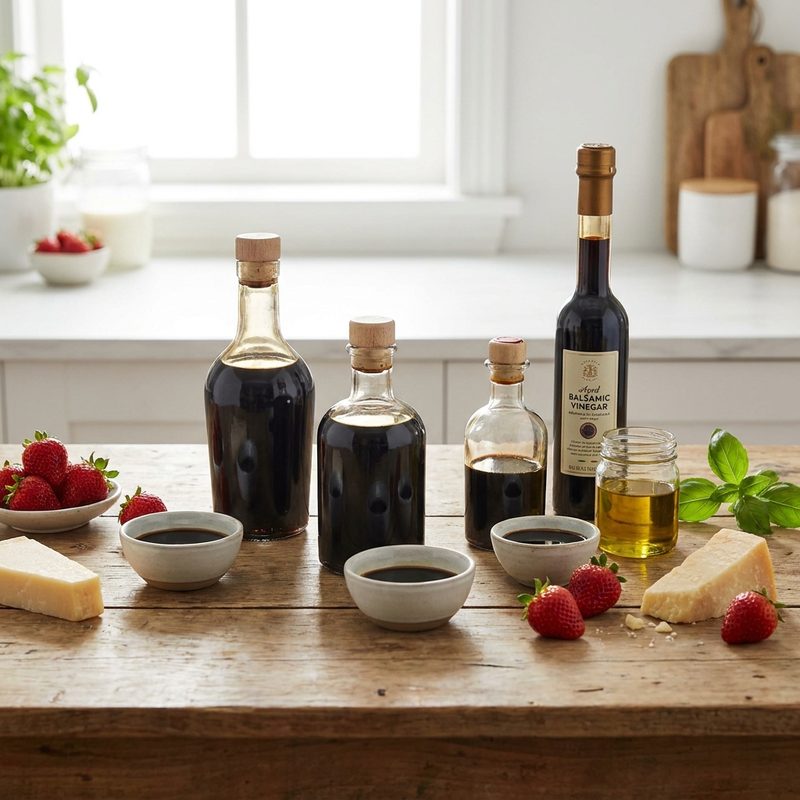
Balsamic vinegar originates from the Modena and Reggio Emilia regions of Italy. Traditional balsamic vinegar (Aceto Balsamico Tradizionale) is made solely from cooked, concentrated grape must — the freshly crushed grape juice including skins, seeds, and stems. It is aged for a minimum of 12 years in a series of progressively smaller wooden barrels, often made from oak, cherry, chestnut, mulberry, or juniper. This slow aging concentrates the flavours and develops its characteristic syrupy texture and complex balance of sweet and tart.
Commercial-grade balsamic vinegar, sometimes labelled "balsamic vinegar of Modena," is a more affordable blend that typically includes wine vinegar and grape must, plus caramel colouring and thickeners. It is aged for a much shorter period, often just a few months to a few years, and is far more acidic and thinner in body than the traditional version. Both types are widely used, but they behave very differently in cooking.
How to Choose Balsamic Vinegar
For everyday cooking — salad dressings, marinades, and reductions — a mid-range balsamic vinegar of Modena works well. Look for bottles labelled "Aceto Balsamico di Modena IGP," which guarantees the vinegar is produced in the Modena region and meets minimum ageing standards (usually 60 days or more). Check the ingredient list: grape must should be listed first, and wine vinegar should be present. Avoid products that list caramel colour or glucose syrup as primary ingredients, as these are lower-quality imitations.
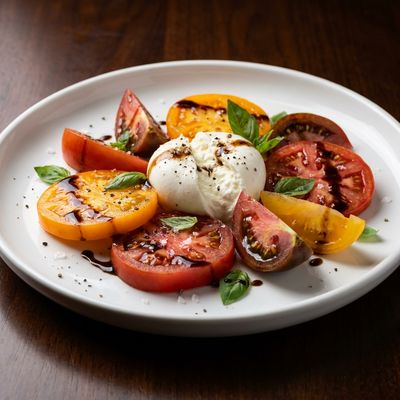
For finishing dishes — drizzling over strawberries, aged Parmesan, or vanilla ice cream — invest in a traditional balsamic vinegar (Aceto Balsamico Tradizionale DOP). These are aged 12, 18, or 25 years and come in distinctive bulb-shaped bottles sealed with a numbered wax cap. They are intensely sweet, thick, and syrupy, with no added wine vinegar or thickeners. A little goes a long way, and the price reflects the decades of ageing.
How to Use Balsamic Vinegar in Cooking
Balsamic vinegar is both a finishing ingredient and a cooking component. For dressings, whisk 1 part balsamic vinegar with 3 parts extra-virgin olive oil, a pinch of salt, and a crack of black pepper. For a creamy variation, add 1 teaspoon of Dijon mustard per 60 ml (¼ cup) of dressing.
To make a balsamic reduction, simmer 250 ml (1 cup) of balsamic vinegar in a small saucepan over medium-low heat until it reduces by half — about 10 to 12 minutes. The reduction should coat the back of a spoon. Use it to glaze roasted vegetables, grilled meats, or even fresh fruit. For a sweet-tart pan sauce, deglaze a hot skillet with 60 ml (¼ cup) of balsamic vinegar after searing chicken or pork, scraping up the browned bits, then whisk in 30 g (2 tablespoons) of cold butter until melted.
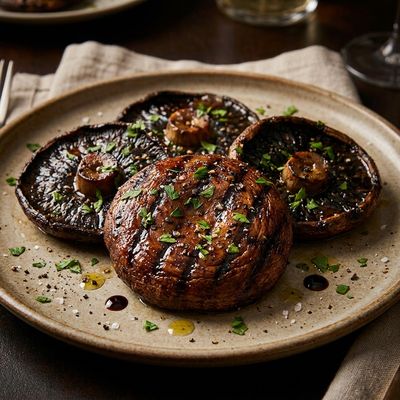
Balsamic vinegar also shines in marinades: combine 60 ml (¼ cup) balsamic vinegar, 60 ml (¼ cup) olive oil, 2 minced garlic cloves, and 1 teaspoon dried rosemary. Marinate beef, lamb, or portobello mushrooms for at least 30 minutes or up to 4 hours before grilling.
Substitutes for Balsamic Vinegar
If you run out of balsamic vinegar, three common substitutes work well, each with a slightly different outcome.
1. Red wine vinegar + maple syrup or brown sugar. Mix 1 tablespoon red wine vinegar with 1 teaspoon maple syrup or packed brown sugar. This mimics the acidity and sweetness of balsamic vinegar but lacks the syrupy body. Use it in dressings and marinades at a 1:1 ratio. The flavour will be brighter and less complex.
2. Sherry vinegar + honey. Combine 1 tablespoon sherry vinegar with 1 teaspoon honey. Sherry vinegar has a similar nuttiness and depth, while honey adds sweetness and a touch of viscosity. Substitute at a 1:1 ratio. This works especially well in reductions and glazes, though the final sauce will be slightly thinner.
3. Apple cider vinegar + date syrup or molasses. Mix 1 tablespoon apple cider vinegar with 1 teaspoon date syrup or unsulphured molasses. This yields a fruity, sweet-sour profile that works in salad dressings and roasted vegetable glazes. Use at a 1:1 ratio. The result will be less refined and more tangy than authentic balsamic.
How to Store Balsamic Vinegar
Store balsamic vinegar in a cool, dark pantry away from direct sunlight and heat sources. The ideal temperature range is 15°C to 21°C (59°F to 70°F). Properly stored, an unopened bottle of commercial balsamic vinegar will last indefinitely; once opened, it remains good for 3 to 5 years, though its flavour will slowly fade. Traditional balsamic vinegar, because of its high sugar content and low acidity, is best used within 2 years of opening.
Do not refrigerate balsamic vinegar — cold temperatures can cause sediment and cloudiness, and the thick texture may become too viscous to pour easily. Freezing is not recommended, as the water content can separate upon thawing, altering the flavour and consistency. If you notice a change in smell, a dull colour, or the presence of mould, discard the vinegar.
Common Mistakes
1. Using expensive traditional balsamic vinegar for cooking. High-quality traditional balsamic is meant for finishing, not simmering. Heat destroys its nuanced flavours and turns it into a generic sweet syrup. Reserve the expensive stuff for drizzling, and use a commercial balsamic for reductions and marinades.
2. Boiling balsamic vinegar too hard when making a reduction. High heat can scorch the sugar, resulting in a bitter, burnt flavour. Always reduce over medium-low heat and watch closely. If you see smoke or smell caramelised sugar, remove the pan immediately and start over.
3. Adding balsamic vinegar too early to a hot pan. When deglazing, add the vinegar after the pan has cooled slightly — about 30 seconds off the heat. Adding it to a screaming-hot pan can cause it to evaporate too quickly and leave a sticky, burnt residue. Let the pan cool for a moment, then pour in the vinegar and scrape up the fond.
Key Takeaways
- ✓ <ul><li>Always taste balsamic vinegar before using it in a recipe — acidity and sweetness vary widely between brands.</li><li>For a quick balsamic glaze, simmer 250 ml (1 cup) of vinegar with 1 tablespoon of brown sugar until reduced by half.</li><li>Store balsamic vinegar away from the stove to avoid heat and steam degrading its flavour.</li><li>When substituting, adjust the sweetness to your taste — start with the recommended ratio and add more sweetener if needed.</li></ul>