Recipe Details
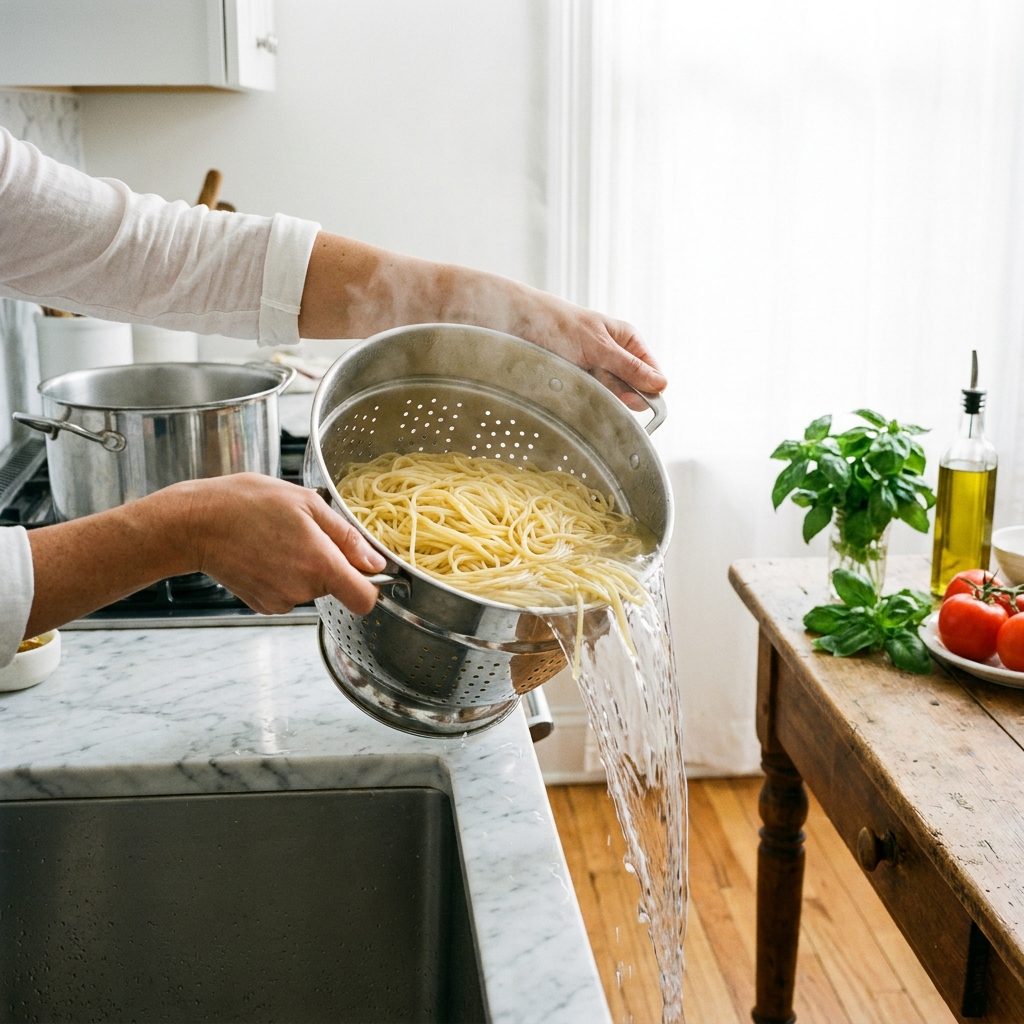
"Draining pasta is a fundamental kitchen skill that can make or break your final dish. This guide explains how to properly separate your noodles from the water while preserving the starchy liquid needed for a silky, cohesive sauce."
Ingredients
| Qty | Item |
|---|---|
| Ingredient list coming soon. | |
How to Make How to Drain Pasta
Step 1: Check for Doneness
Before you even think about draining, ensure your pasta is cooked 'al dente'—firm to the bite. Use a slotted spoon to retrieve a single piece of pasta, let it cool for a second, and taste it. It should have a slight resistance in the center, as it will continue to cook briefly once combined with the sauce. For dried pasta, follow the package timing but start testing 2 minutes before the suggested time. For fresh pasta, test after 1 minute. The ideal texture is a white, opaque dot at the very core when you bite through—this means it's perfectly al dente. If the center is still hard and crunchy, it needs more time. If it's soft and mushy throughout, you've overcooked it. When testing, also check the outer surface: it should be slightly rough, not slick, so the sauce can cling. For shapes like farfalle or fusilli, test two pieces from different spots in the pot to account for uneven heat distribution. If the water is boiling too vigorously, reduce the heat slightly to prevent the pasta from bouncing and breaking.
Step 2: Reserve the Liquid Gold
One of the biggest mistakes home cooks make is pouring all the pasta water down the drain. Before draining, use a heat-proof measuring cup to scoop out at least one cup of the starchy cooking water. This liquid is essential for emulsifying your sauce and helping it cling to the noodles. For a pound of pasta, reserve 1.5 to 2 cups—more if you're making a thin, broth-based sauce like aglio e olio. The water should be cloudy and slightly viscous; if it's clear, your pasta was undercooked or you used too much water. The ideal ratio is 1 gallon of water per pound of pasta, which yields the right starch concentration. If you forget to reserve water before draining, you can scoop it from the colander as the pasta drains, but it will be less starchy. Alternatively, dissolve 1 tablespoon of cornstarch in 1 cup of cold water as a substitute, but use half the amount to avoid a gluey texture. Never use tap water to thin a sauce—it lacks the starch to bind.
Step 3: The Colander Method
Place a sturdy colander in your kitchen sink. Carefully lift the heavy pot and pour the contents into the colander. Give the colander a gentle shake to remove excess water trapped inside tubular shapes like penne or rigatoni. Do not let the pasta sit in the colander for too long, or it will begin to stick together as it cools. Aim to transfer the pasta to the sauce within 30 seconds of draining. If you see steam rising from the colander, that's good—it means the pasta is still hot. If the pasta starts clumping, rinse it briefly with hot tap water (not cold) to separate the strands, but this washes away starch, so only do this for cold pasta salads. For shapes with crevices like shells or orecchiette, tilt the colander at a 45-degree angle and tap the side to dislodge trapped water. If the colander is too small and pasta piles up, work in batches: drain half, transfer to a bowl, then drain the rest. Never dump the pasta directly into the colander without shaking—water pockets can dilute your sauce.
Step 4: The Tongs or Spider Method
For long strands like spaghetti or fettuccine, many chefs prefer using tongs or a spider strainer to transfer the pasta directly from the boiling water into a pan of simmering sauce. This method naturally carries over just enough starchy water to help the sauce bind without the need for a colander at all. Use tongs with a scalloped edge for better grip; a spider strainer works for shorter strands like linguine. Lift the pasta in small bundles—about 1/4 of the total at a time—and let excess water drip back into the pot for 2 seconds before transferring. The pasta should be dripping but not streaming water. If the sauce pan is too small, the pasta may clump; use a pan at least 12 inches wide for a pound of pasta. Toss the pasta in the sauce immediately, using a rocking motion with the tongs to coat each strand. If the sauce seems dry, add 1/4 cup of reserved pasta water and toss again. This method is ideal for carbonara or cacio e pepe, where the sauce relies on the hot pasta water to melt cheese without scrambling eggs. If the pasta sticks to the tongs, dip them in the boiling water first to lubricate.
Step 5: Immediate Incorporation
Once drained, immediately add the pasta to your prepared sauce. Avoid letting the pasta sit dry in the colander. If the sauce is too thick, add small splashes of your reserved pasta water and toss vigorously until the sauce reaches a glossy, creamy consistency. For a pound of pasta, start with 1/4 cup of water and add 1 tablespoon at a time, tossing for 30 seconds between additions. The sauce should coat the back of a spoon and slide off slowly—if it drips off quickly, it's too thin; if it clings in a thick glob, add more water. Toss the pasta with a pair of tongs and a wooden spoon, lifting and folding from the bottom to incorporate air, which lightens the sauce. For chunky sauces like bolognese, use a gentle folding motion to avoid breaking the pasta. If the pasta is sticking to the pan, reduce heat to low and add a splash of water, then stir constantly for 1 minute. The final texture should be silky, with each strand or shape evenly coated, and no puddle of liquid at the bottom of the pan. Serve immediately, as the sauce will continue to thicken as it cools. If you need to hold the pasta for a few minutes, toss it with a teaspoon of olive oil to prevent sticking, but this can make the sauce slide off, so it's a last resort.
Tips for Best Results
-
·
<html><ul><li>Never rinse your pasta with cold water after draining; this removes the starch that helps the sauce stick.</li><li>If you are making a cold pasta salad, rinsing is the only time it is encouraged to stop the cooking process and prevent sticking.</li><li>Warm your serving bowls before adding the drained pasta to keep the meal hot for longer.</li><li>Add a splash of olive oil to the pasta only if you are serving it plain; otherwise, oil will prevent the sauce from adhering.</li></ul></html>
Frequently Asked Questions
Should I rinse pasta after draining it?
Why should I save pasta water?
Is it better to use a colander or a spider strainer?
How long can pasta sit in the colander?
What to Cook Next


Next Recipe
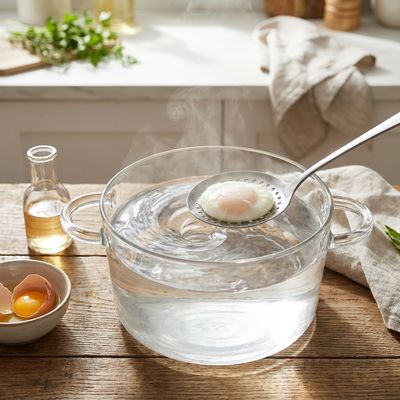
How To Poach Eggs
Poaching an egg is a foundational culinary skill that transforms a simple ingredient into an elegant centerpiece for brunch or dinner. This guide provides a clear, fail-safe method to achieve a tender set white and a rich, golden liquid yolk every time.
Similar Recipes to Try
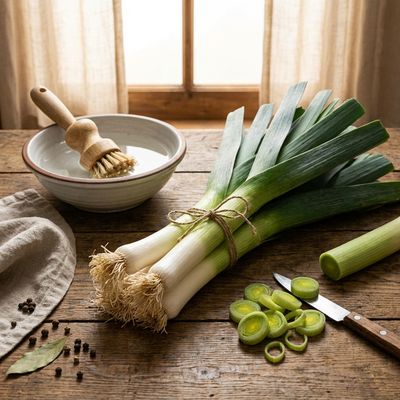
Why You Should Wash Your Leeks and How to Do It Properly
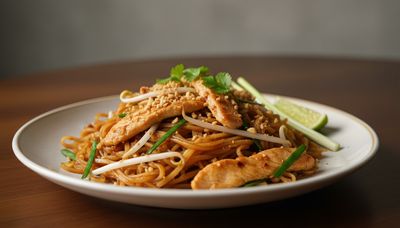
Chicken Pad Thai
35 min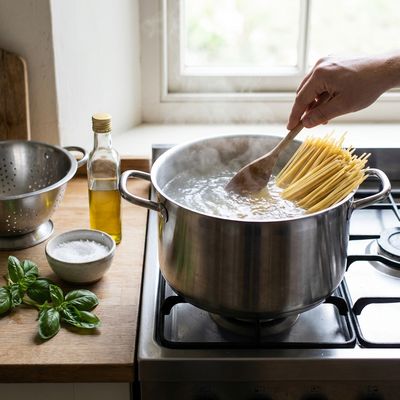
How To Cook Pasta
14 min
Indian Chicken Tikka Masala
50 min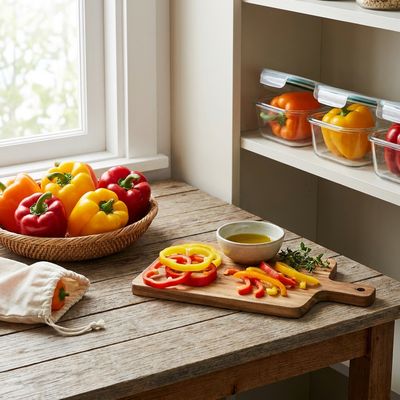
Bell Peppers: Uses, Substitutes, and How to Store It
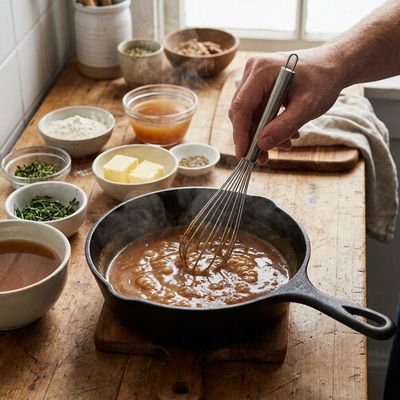
How To Make Gravy
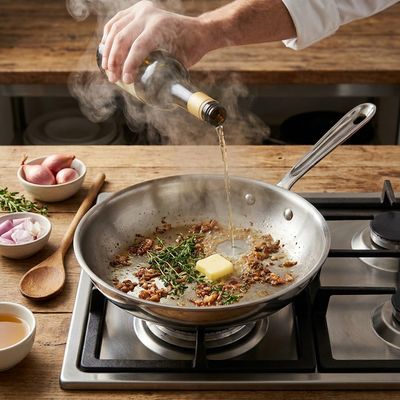
How to Deglaze a Pan to Make Professional Pan Sauces

A Beginner's Guide to Cooking Oils and Smoke Points
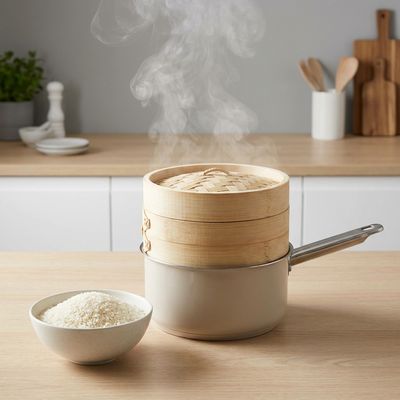
How to Steam Jasmine Rice
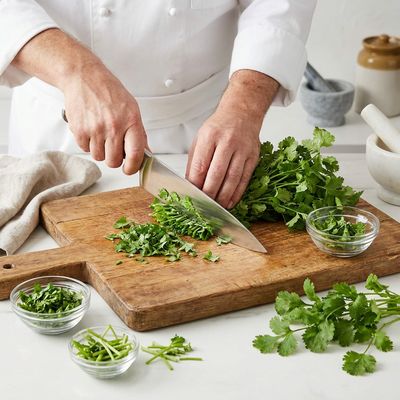
How to Chop Cilantro
Comments
(0)Sign in to leave a comment.
You Might Like
Ad Space Available
Be the first to leave a comment.