Recipe Details
"This asparagus guide starts with the form you have. It explains how to choose the right option for a recipe, handle it safely and store it without sacrificing quality. The advice is limited to the distinctions, techniques and storage rules supported by the checked sources."
Ingredients
| Qty | Item |
|---|---|
| Ingredient list coming soon. | |
How to Make Asparagus: How to Choose, Use and Store It
What It Is and Which Form You Have
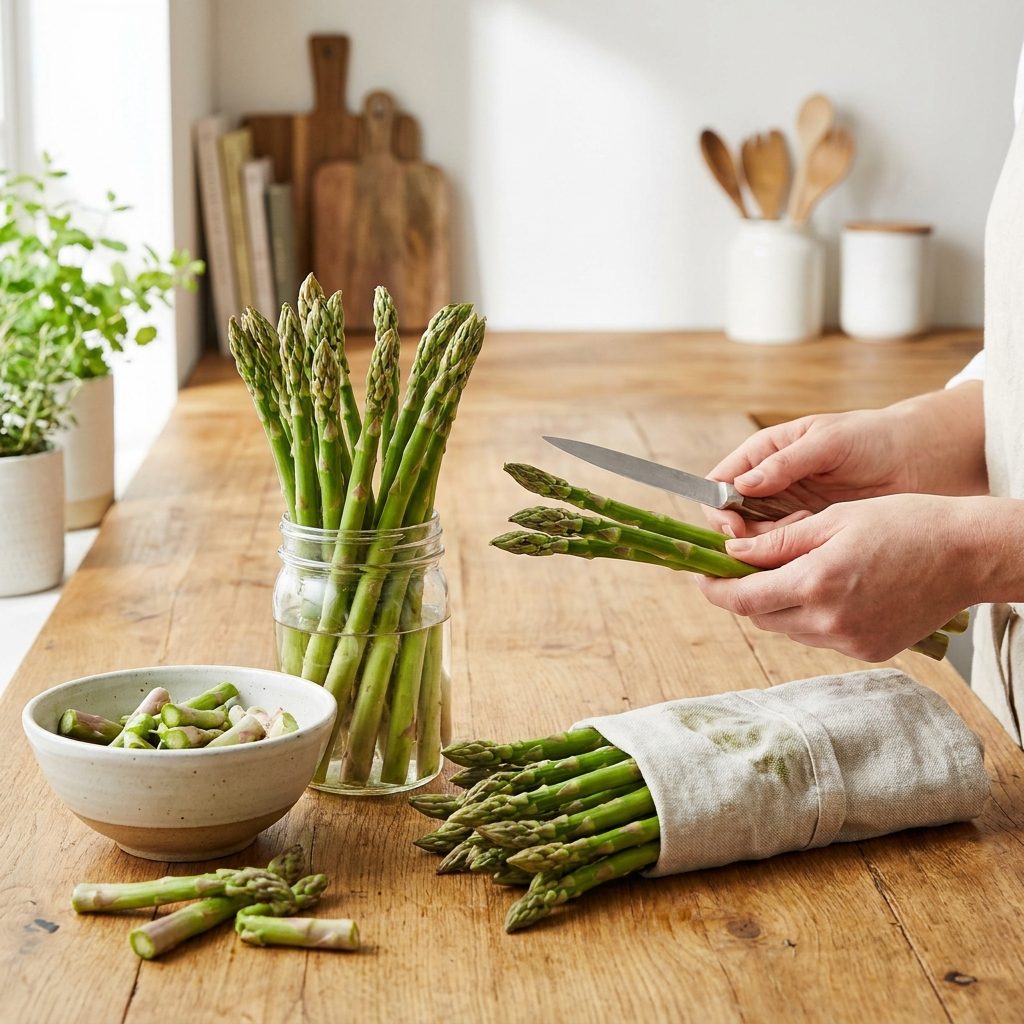
Rinse with cold water and snap off woody ends; thick stalks may need the lower third peeled. Identify the form before following a recipe: related forms can differ in texture, concentration, heat tolerance or the job they do in a dish.
How to Choose It
Choose asparagus with tightly closed tips and store the cut ends wrapped in a damp paper towel inside moisture-proof wrapping. Freshness and initial condition affect the useful storage period. Use these concrete cues at the shop and again before preparation. If a sealed product has no source-backed visual test, follow its label and reject damaged packaging rather than guessing from appearance alone.
How to Use It in Recipes
Steam, roast, grill or microwave only until the thickest stalk is easily pierced but still has some bite. Fresh asparagus should be used within two to three days under the guide's home-storage method. Let the intended technique decide the form. A finishing ingredient, a blended ingredient and one expected to hold its shape are not always interchangeable, even when their names are similar.
See Bacon Wrapped Asparagus for a concrete Recipe.net example. See Garlic Butter Roasted Asparagus and New Potatoes for a concrete Recipe.net example. See Lemon Garlic Roasted Asparagus and Chicken for a concrete Recipe.net example. See Lemon Herb Roasted Cod with Asparagus for a concrete Recipe.net example. These recipes contain an exact asparagus match in their saved instructions, so they are practical next steps rather than loosely related recommendations.
How to Choose a Substitute
Choose a replacement by function, not by appearance alone. Unless the checked sources state a conversion, adjust cautiously and expect a change in flavour, texture or cooking behaviour instead of assuming a universal ratio.
How to Store It
Store asparagus refrigerated in a plastic bag for three to five days. Apply the instruction to the exact form and condition you have—whole, cut, opened, cooked or frozen. A storage window describes quality under the stated conditions; it never overrides clear signs of deterioration.
Common Mistakes to Avoid
Discard slimy, mouldy or badly deteriorated spears rather than trying to rescue them by cooking. The avoidable mistake is carrying one rule across every form. Keep the ingredient dry or cold where the evidence requires it, and treat an explicit safety instruction as more important than convenience.
Sources
- How to Nourish With Asparagus (Utah State University Extension)
- Harvest and Storage of Vegetables and Fruits (Utah State University Extension)
Tips for Best Results
-
·
Read the recipe's full ingredient line before swapping asparagus; the form and intended job matter.
-
·
Store asparagus according to its current condition—unopened, opened, cut or cooked—not by one blanket rule.
-
·
Treat a missing ratio, temperature or storage period as unresolved instead of turning an estimate into a rule.
Frequently Asked Questions
What counts as asparagus in this guide?
How do I choose asparagus?
Can I substitute something else for asparagus?
How should I store asparagus?
What to Cook Next
Next Recipe
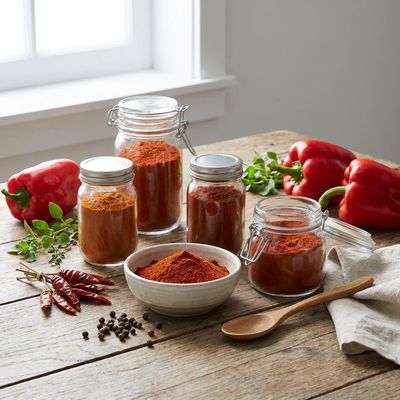
Paprika: Uses, Substitutes, and How to Store It
Paprika is a vibrant spice made from dried, ground peppers, ranging from sweet and mild to hot and smoky. This guide covers everything a home cook needs to know: how to select the right paprika, techniques for using it in dishes, suitable substitutes, and the best ways to store it to preserve its flavour and colour.
Similar Recipes to Try
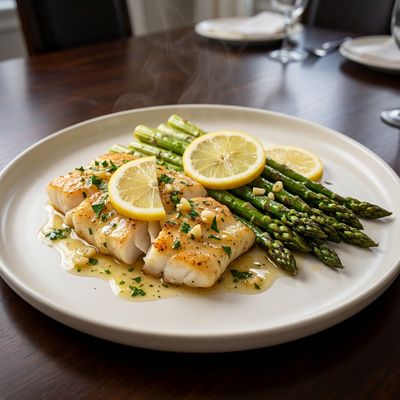
Lemon Herb Roasted Cod with Asparagus
30 min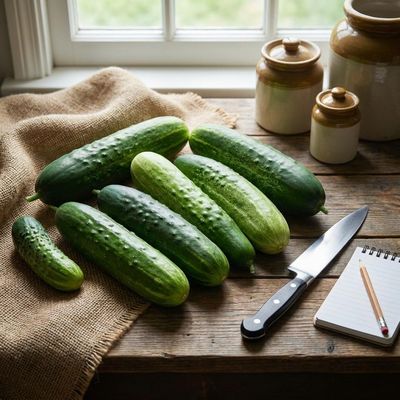
Cucumber: Uses, Substitutes, and How to Store It
Maple Syrup: Uses, Substitutes, and How to Store It
A Beginner's Guide to Buying and Using Different Types of Cooking Oils
Chili Powder: Uses, Substitutes, and How to Store It
Cinnamon: Uses, Substitutes, and How to Store It
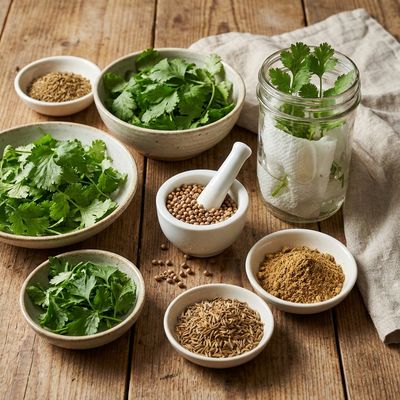
Coriander: How to Choose, Use and Store It
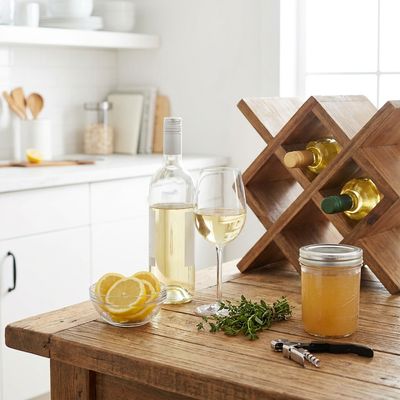
White Wine: Uses, Substitutes, and How to Store It
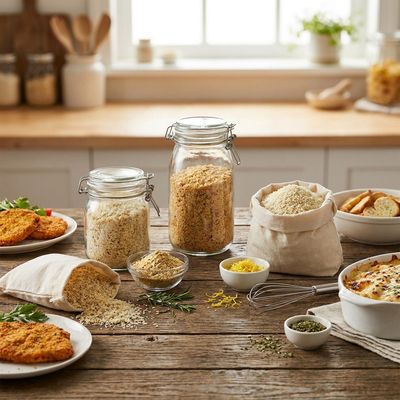
Breadcrumbs: Uses, Substitutes, and How to Store It
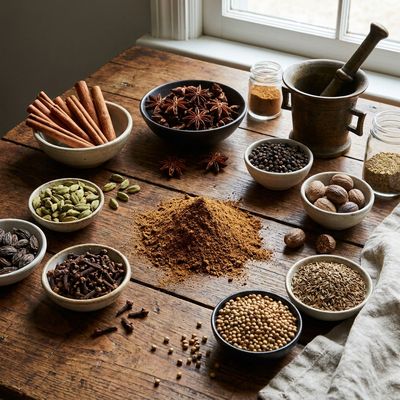
Garam Masala: Uses, Substitutes, and How to Store It
Comments
(0)Sign in to leave a comment.
You Might Like

Ad Space Available
Be the first to leave a comment.