Recipe Details
"Garam masala is a warm, aromatic spice blend that forms the backbone of many Indian dishes. This guide covers its origins, how to select quality blends, practical cooking techniques, reliable substitutes, and proper storage to keep it fresh. You'll also learn three common mistakes to avoid for the best flavor."
Ingredients
| Qty | Item |
|---|---|
| Ingredient list coming soon. | |
How to Make Garam Masala: Uses, Substitutes, and How to Store It
What Garam Masala Is
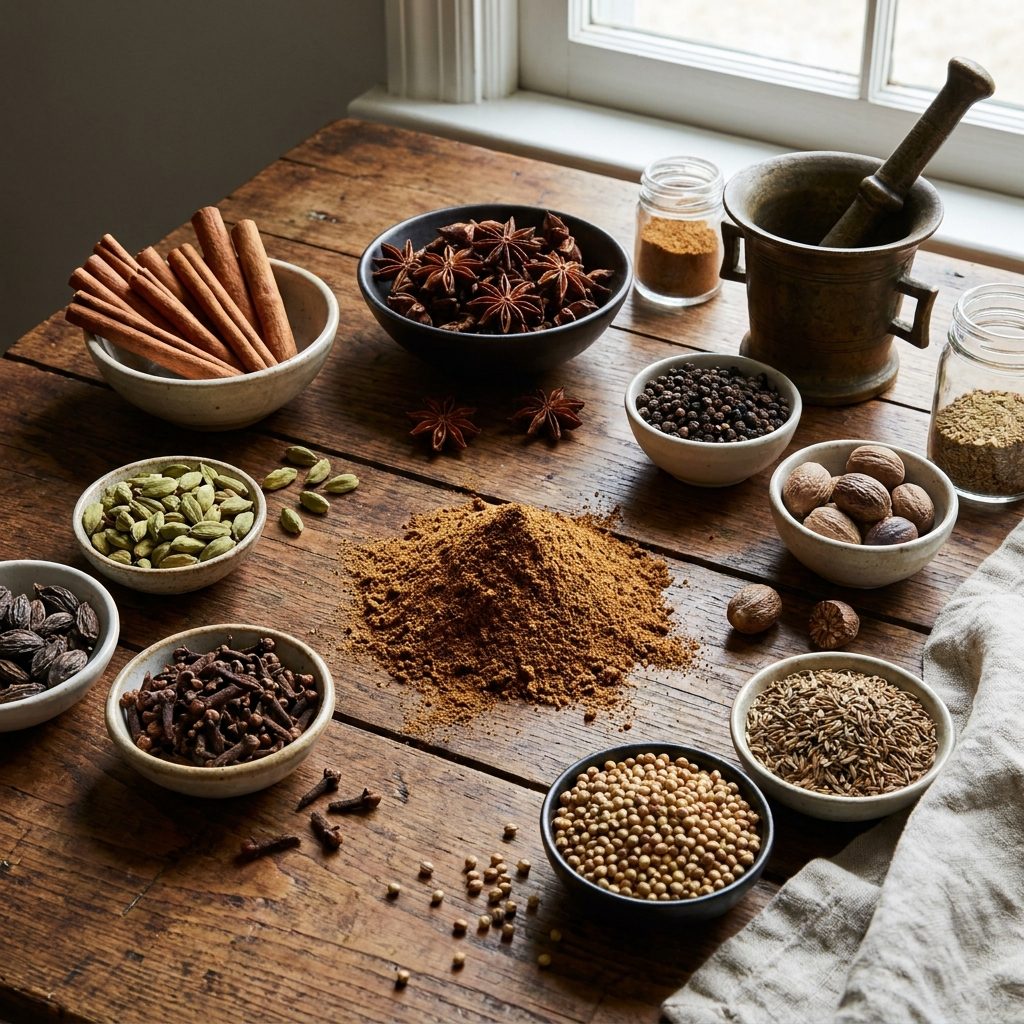
Garam masala is a spice blend originating from the Indian subcontinent, with variations across regions and families. The name translates to 'hot spice' — not in heat, but in warming intensity. A typical blend includes cinnamon, cardamom, cloves, cumin, coriander, black pepper, and nutmeg, though recipes can contain a dozen or more spices. The spices are dry-roasted and ground together, creating a complex, fragrant mix that adds depth to curries, stews, and rice dishes. For example, a Punjabi garam masala might use 2 tablespoons each of cumin seeds and coriander seeds, 1 tablespoon of black peppercorns, 1 teaspoon of cloves, 2 black cardamom pods, 4 green cardamom pods, 2 cinnamon sticks (each 2 inches long), and 1 teaspoon of grated nutmeg. A Lucknowi version might omit cumin and add mace and star anise. The spices are dry-roasted in a heavy pan over medium-low heat (about 275°F) for 3 to 5 minutes, until fragrant but not smoking, then cooled completely before grinding to a fine powder. The resulting blend should be used within 2 weeks for peak flavor, though it remains usable for up to 6 months.
How to Choose Garam Masala
When buying garam masala, look for a deep, even color and a strong, sweet-spicy aroma. Check the ingredient list: a quality blend will list whole spices (like cinnamon sticks and cardamom pods) rather than pre-ground versions. Avoid blends with added salt, sugar, or anti-caking agents. For the freshest flavor, buy from a store with high turnover or a reputable online spice merchant. Whole-spice blends that you grind at home offer the best taste and shelf life. A good test: rub a pinch between your fingers — it should release a potent, layered fragrance that lingers for several seconds. If the aroma is faint or smells like dust, the blend is old. For whole-spice blends, look for cinnamon sticks that are tightly rolled and reddish-brown, cardamom pods that are pale green and not split, and cloves that are oily and snap cleanly when bent. Avoid any blend with visible clumping or discoloration, which indicates moisture exposure. A typical 100g bag of whole-spice garam masala costs $8 to $15 online, while pre-ground blends are usually $4 to $8 for the same weight.
How to Use Garam Masala in Cooking
Add garam masala toward the end of cooking to preserve its volatile aromatics. For a curry serving 4, stir in 1 to 2 teaspoons during the last 5 minutes of simmering. You can also sprinkle a pinch over finished dishes like dal, roasted vegetables, or biryani. For marinades, mix 1 tablespoon with yogurt and lemon juice for 500g of meat or paneer. Avoid boiling garam masala for long periods, as heat can make it bitter. For a chickpea curry (serves 4), add 1½ teaspoons of garam masala after the tomatoes have cooked down and the curry has been simmering for 15 minutes; then simmer for only 3 more minutes before removing from heat. For roasted cauliflower, toss 1 head of cauliflower (cut into florets) with 2 tablespoons of oil, 1 teaspoon of garam masala, and ½ teaspoon of salt, then roast at 425°F for 20 to 25 minutes, flipping halfway. For biryani, layer ½ teaspoon of garam masala into the rice and meat layers before the final dum cooking. If you accidentally add garam masala too early, the dish may taste flat or slightly bitter; to salvage it, add a pinch of sugar and a squeeze of lemon juice to brighten the flavors.
Substitutes for Garam Masala
1. Curry powder: Use 1 teaspoon curry powder for every 1 teaspoon garam masala. It is milder and more turmeric-forward, so the dish will have a yellower color and less depth. For a 4-serving curry, add 1 teaspoon of curry powder in the last 5 minutes, then taste and add up to 1 more teaspoon if needed. 2. Pumpkin pie spice: Substitute 1:1; it contains cinnamon, ginger, nutmeg, and cloves, but lacks cumin and coriander, so the result will be sweeter and less savory. This works best in dishes with sweet vegetables like sweet potatoes or butternut squash. 3. DIY blend: Mix 1 part ground cumin, 1 part ground coriander, ½ part ground cinnamon, ½ part ground cardamom, and ¼ part ground cloves. This approximates the complexity of garam masala without black pepper. For a small batch, combine 2 teaspoons cumin, 2 teaspoons coriander, 1 teaspoon cinnamon, 1 teaspoon cardamom, and ½ teaspoon cloves. Toast the ground spices in a dry pan over low heat for 30 seconds to refresh them before using. 4. Ras el hanout: Use 1 teaspoon for every 1 teaspoon garam masala; it is more floral and includes rose petals and lavender, so it works in Moroccan-inspired dishes but may clash with Indian recipes. 5. Chinese five-spice: Use ½ teaspoon for every 1 teaspoon garam masala; it is much stronger in star anise and fennel, so reduce the quantity and add a pinch of black pepper to balance.
How to Store Garam Masala
Store garam masala in an airtight container away from heat, light, and moisture. In a pantry (cool, dark place), it keeps for 6 months to 1 year. For longer storage, refrigerate in a sealed jar for up to 2 years, or freeze for up to 3 years — freezing is best for whole-spice blends. Always use a dry spoon to avoid introducing moisture, and check aroma before using; if it smells flat, replace it. For whole-spice blends, store them in a glass jar with a tight lid, and grind only what you need for a week at a time. If you freeze garam masala, let the jar come to room temperature for 10 minutes before opening to prevent condensation. A good container is a 4-ounce mason jar with a plastic lid (metal lids can rust). Label the jar with the date of purchase or grinding. If you notice any clumping, spread the powder on a baking sheet and dry it in a 200°F oven for 5 minutes, then sift it through a fine-mesh strainer. Never store garam masala near the stove or above the refrigerator, as heat and humidity accelerate flavor loss.
Common Mistakes
1. Adding it too early: Simmering garam masala for more than 10 minutes dulls its aroma. Fix: add it in the last 5 minutes of cooking. If you forget and add it at the beginning, the dish will taste flat; to compensate, add a fresh ½ teaspoon of garam masala just before serving. 2. Using stale spices: Old garam masala loses potency and can taste dusty. Fix: replace any blend older than 1 year, or grind fresh from whole spices. A simple test: if the powder no longer stains your fingers yellow (from turmeric) or leaves a strong scent on your palm, it's too old. 3. Overpowering the dish: Too much garam masala can make food taste muddy or bitter. Fix: start with 1 teaspoon for a 4-serving curry, then taste and adjust. If you've added too much, balance it with 1 tablespoon of yogurt or coconut milk, or add a pinch of salt and a squeeze of lemon. 4. Grinding too fine: Over-grinding can heat the spices and cause them to clump or lose volatile oils. Fix: grind in short 5-second pulses, letting the grinder rest for 10 seconds between pulses. The final powder should be fine but not dusty. 5. Storing in a warm place: Keeping garam masala near the stove or in direct sunlight can cause it to lose flavor within 2 months. Fix: store in a dark cabinet away from the oven, or in the refrigerator if your kitchen is consistently above 75°F.
Tips for Best Results
-
·
<ul><li>Toast whole spices before grinding for a deeper, more complex garam masala.</li><li>Store garam masala in a dark glass jar to protect it from light degradation.</li><li>For a quick substitute, combine equal parts ground cumin and ground coriander with a pinch of cinnamon.</li><li>Add garam masala at the very end of cooking for the brightest flavor.</li></ul>
Frequently Asked Questions
Can I make garam masala at home?
Is garam masala spicy hot?
What dishes use garam masala?
How do I know if my garam masala has gone bad?
What to Cook Next
Next Recipe
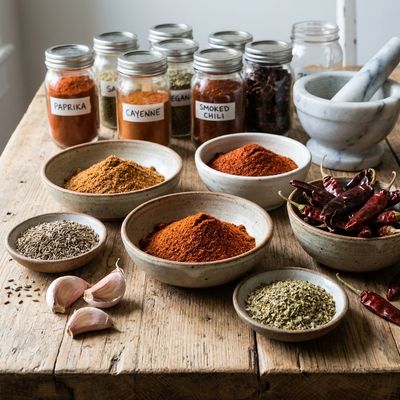
Chili Powder: Uses, Substitutes, and How to Store It
Chili powder is a blend of ground dried chilies and other spices, essential for adding heat and depth to countless dishes. This guide covers what it is, how to select a quality blend, practical cooking tips, three reliable substitutes, and proper storage to maximize its shelf life.
Similar Recipes to Try
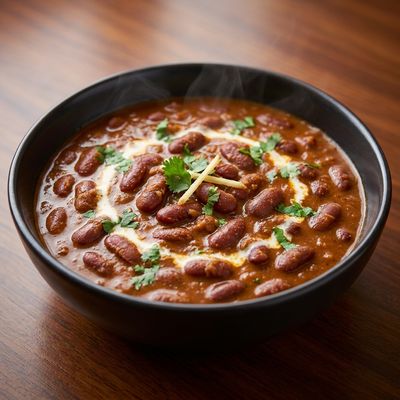
Rajma Masala with Red Kidney Beans
60 min
Fish Sauce: Uses, Substitutes, and How to Store It
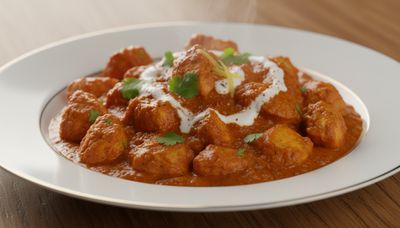
Indian Chicken Tikka Masala
50 min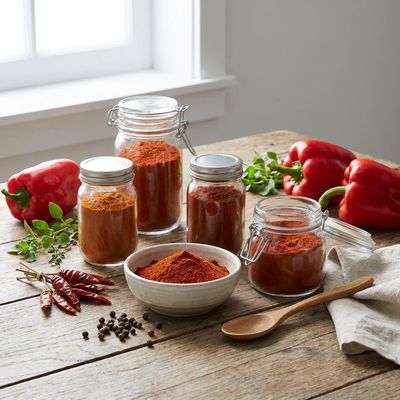
Paprika: Uses, Substitutes, and How to Store It

How to Tell if Fish is Fresh: A Seafood Buying Guide
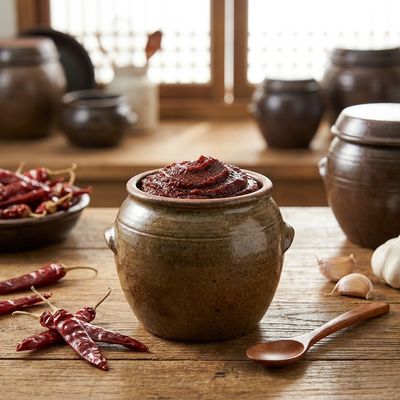
Gochujang: Uses, Substitutes, and How to Store It

Chicken Tikka Masala with Charred Peppers
55 min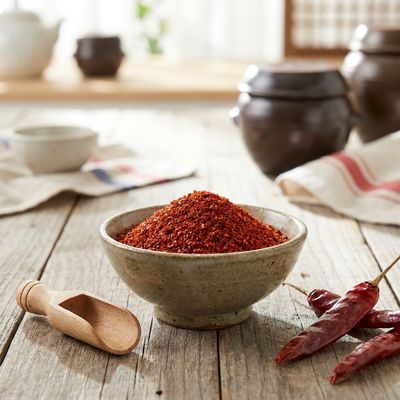
Gochugaru: Uses, Substitutes, and How to Store It
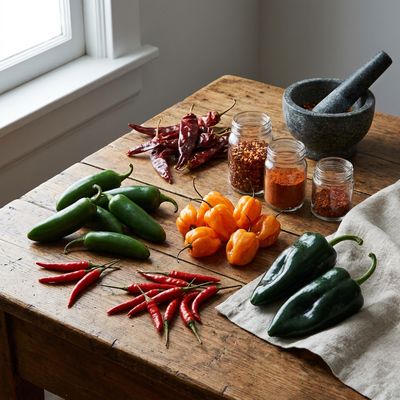
Chilies: Uses, Substitutes, and How to Store It

Chicken Breasts: Uses, Substitutes, and How to Store It
Comments
(0)Sign in to leave a comment.
You Might Like

Ad Space Available
Be the first to leave a comment.