Recipe Details
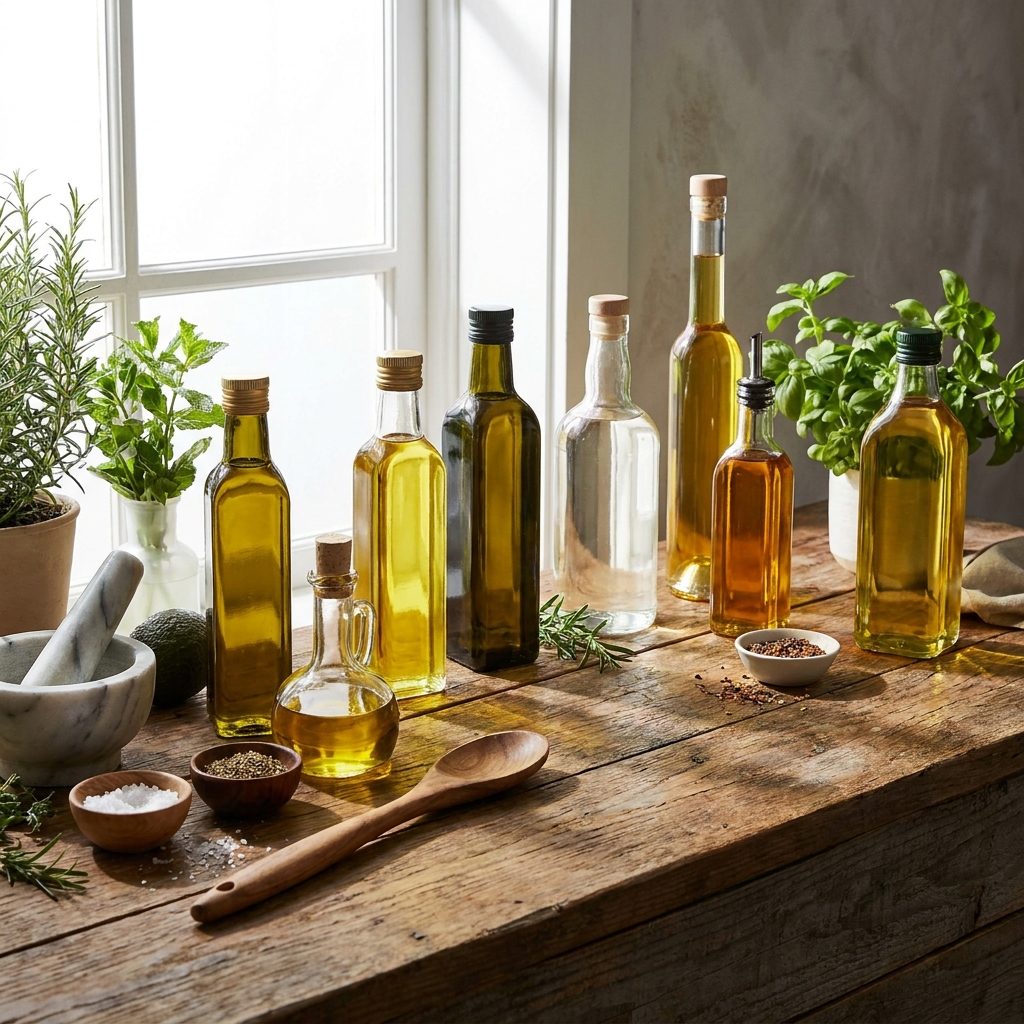
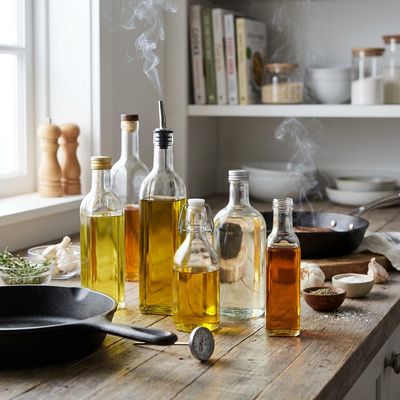
"Navigating the oil aisle can be overwhelming with dozens of options ranging from extra virgin olive oil to avocado oil. This guide simplifies the process, teaching you how to select, store, and swap oils like a professional chef."
Ingredients
| Qty | Item |
|---|---|
| Ingredient list coming soon. | |
How to Make A Beginner's Guide to Buying and Using Different Types of Cooking Oils
Understanding Smoke Points
The most critical concept in using cooking oils is the smoke point. This is the temperature at which an oil stops shimmering and starts to burn, releasing smoke and developing a bitter, acrid taste. High-heat cooking like searing or deep-frying requires oils with smoke points above 400°F (204°C), such as avocado, peanut, or refined canola oil. Low-heat cooking and finishing, such as salad dressings, are best suited for unrefined oils like extra virgin olive oil or toasted sesame oil.
Origins and Types of Oils
Cooking oils are generally extracted from seeds, nuts, or fruits. Seed oils like sunflower and grapeseed are prized for their neutral flavor, making them versatile for baking. Fruit-based oils like olive and avocado offer heart-healthy monounsaturated fats. Nut oils, such as walnut or hazelnut, are typically cold-pressed and used as finishing oils because their delicate flavors and nutrients are easily destroyed by heat.
How to Choose the Right Oil
When shopping, consider flavor and application. If you want the oil to be the star of the dish, choose a high-quality extra virgin olive oil. If you are making a delicate cake where you don't want the fat to be tasted, reach for a neutral oil like vegetable or corn oil. Check labels for 'refined' versus 'unrefined'—refined oils have been processed to remove impurities, giving them a higher smoke point but less nutritional value and flavor.
Smart Substitutions and Swaps
If a recipe calls for butter in sautéing, you can swap it for olive oil to reduce saturated fat. In baking, if you run out of vegetable oil, melted coconut oil or even unsweetened applesauce can work, though they may slightly alter the texture. For high-heat frying, if you don't have peanut oil, refined sunflower or avocado oil are excellent 1:1 replacements.
Proper Storage and Preservation
Heat, light, and oxygen are the enemies of oil. Store your oils in a cool, dark pantry rather than on the counter next to the stove. Most oils will last about six months to a year once opened. Delicate nut oils, like walnut oil, should be stored in the refrigerator to prevent them from becoming rancid too quickly.
Common Mistakes to Avoid
One of the most frequent errors is using extra virgin olive oil for high-heat frying. Not only is it expensive, but it also burns quickly, creating harmful free radicals and ruining the dish's flavor. Another mistake is keeping oil for too long; if your oil smells like crayons or old cardboard, it has oxidized and should be discarded immediately.
Oil cluster navigation: Learn how smoke points affect cooking or compare cooking oil substitutes.
Tips for Best Results
-
·
<html><ul><li>Always do a 'scent test' before cooking; rancid oil can ruin an entire meal.</li><li>Use a spray bottle for oils to control the amount you use and reduce calorie intake.</li><li>Match the 'origin' of the oil to the cuisine; use peanut oil for stir-frys and olive oil for Mediterranean dishes.</li><li>Don't pour used oil down the drain; collect it in a jar and dispose of it in the trash to avoid plumbing issues.</li></ul></html>
Frequently Asked Questions
Can I use olive oil for baking cakes?
What is the healthiest oil for daily cooking?
Why does my coconut oil turn from liquid to solid?
Is it safe to reuse frying oil?
What to Cook Next
Next Recipe
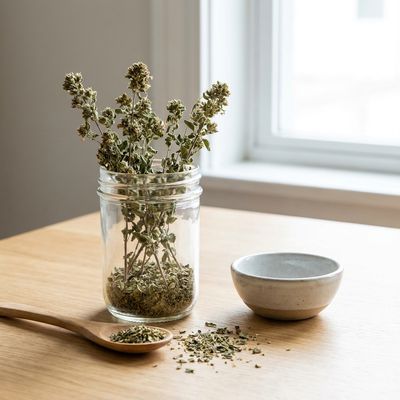
Dried Oregano: Uses, Substitutes, and How to Store It
Dried oregano is a staple herb in Mediterranean cooking, prized for its robust, slightly peppery flavour. This guide explains what it is, how to select quality jars, and how to cook with it, plus the best substitutes and proper storage methods.
Similar Recipes to Try
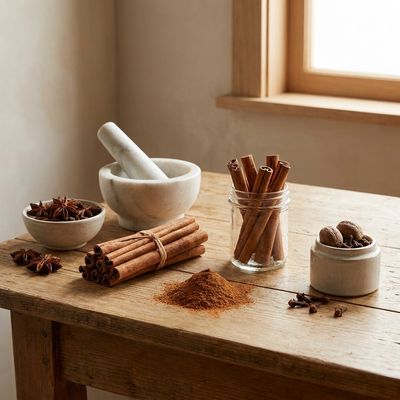
Cinnamon: Uses, Substitutes, and How to Store It
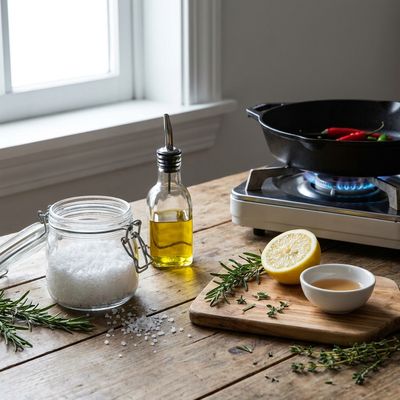
How to Balance Flavors in Cooking: Salt, Fat, Acid, and Heat
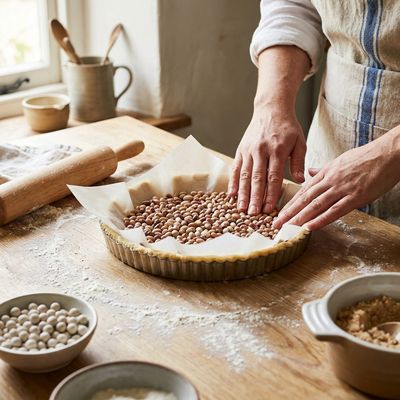
The Ultimate Guide to Blind Baking Pie Crust
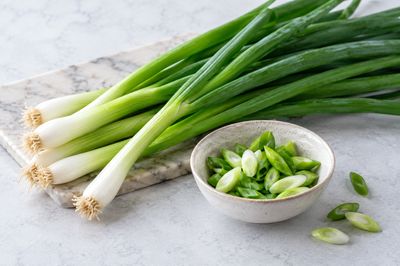
Green onions: How to Choose, Use and Store It
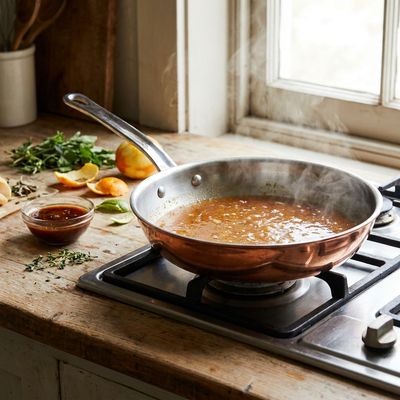
A Complete Guide to Reducing Liquids for Intense Flavor
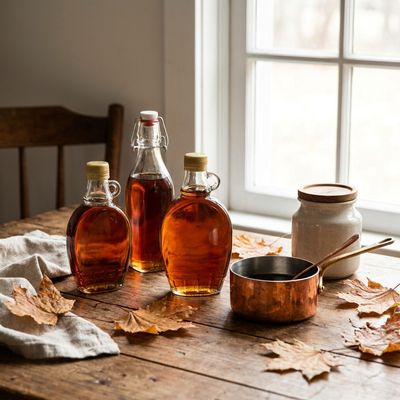
Maple Syrup: Uses, Substitutes, and How to Store It
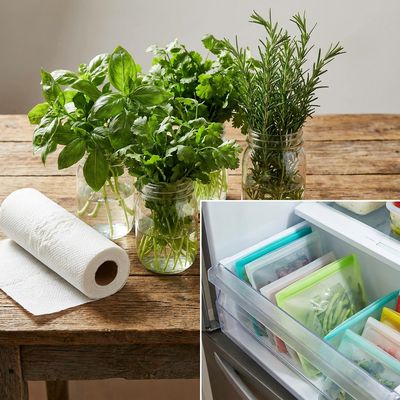
How to Store Fresh Herbs to Make Them Last for Weeks
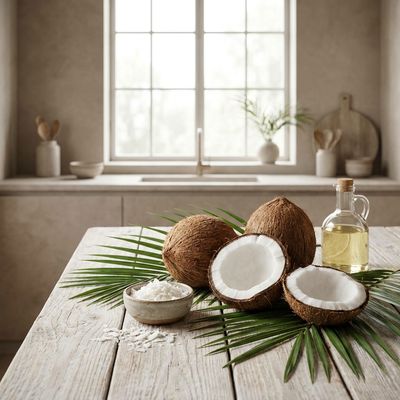
Coconut: Uses, Substitutes, and How to Store It
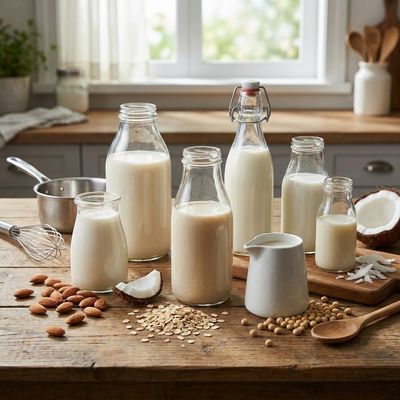
Dairy-Free Milk Substitutes: Which Plant-Based Milk is Best for Cooking?
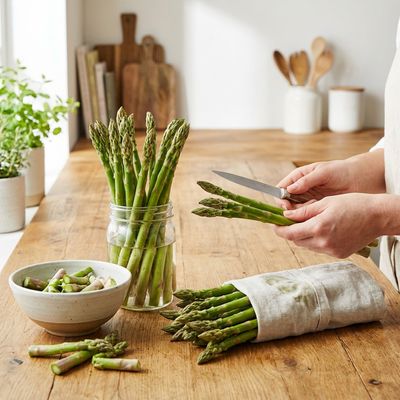
Asparagus: How to Choose, Use and Store It
Comments
(0)Sign in to leave a comment.
You Might Like
Ad Space Available
Be the first to leave a comment.