Recipe Details
"Deglazing is a foundational culinary skill that transforms browned food bits into a rich, flavorful sauce. This guide will teach you how to unlock the hidden potential of your cookware to elevate every meal with professional-grade sauces."
Ingredients
| Qty | Item |
|---|---|
| Ingredient list coming soon. | |
How to Make How to Deglaze a Pan to Make Professional Pan Sauces
Step 1: Create Your Fond
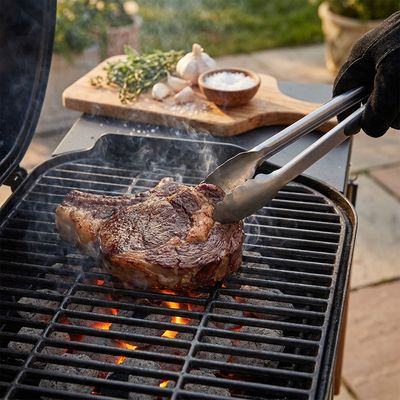
The foundation of any great pan sauce is 'fond,' the browned bits of protein and sugars left at the bottom of the pan after searing meat or vegetables. Ensure you are using a stainless steel or cast iron pan, as non-stick surfaces prevent fond from forming effectively.
Step 2: Remove Excess Fat
Once your protein is cooked and resting, inspect the pan. If there is more than a tablespoon of rendered fat, carefully pour it off or soak it up with a paper towel. You want the concentrated flavor of the fond, but too much grease will make your sauce oily and prevent it from emulsifying properly.
Step 3: Sauté Aromatics
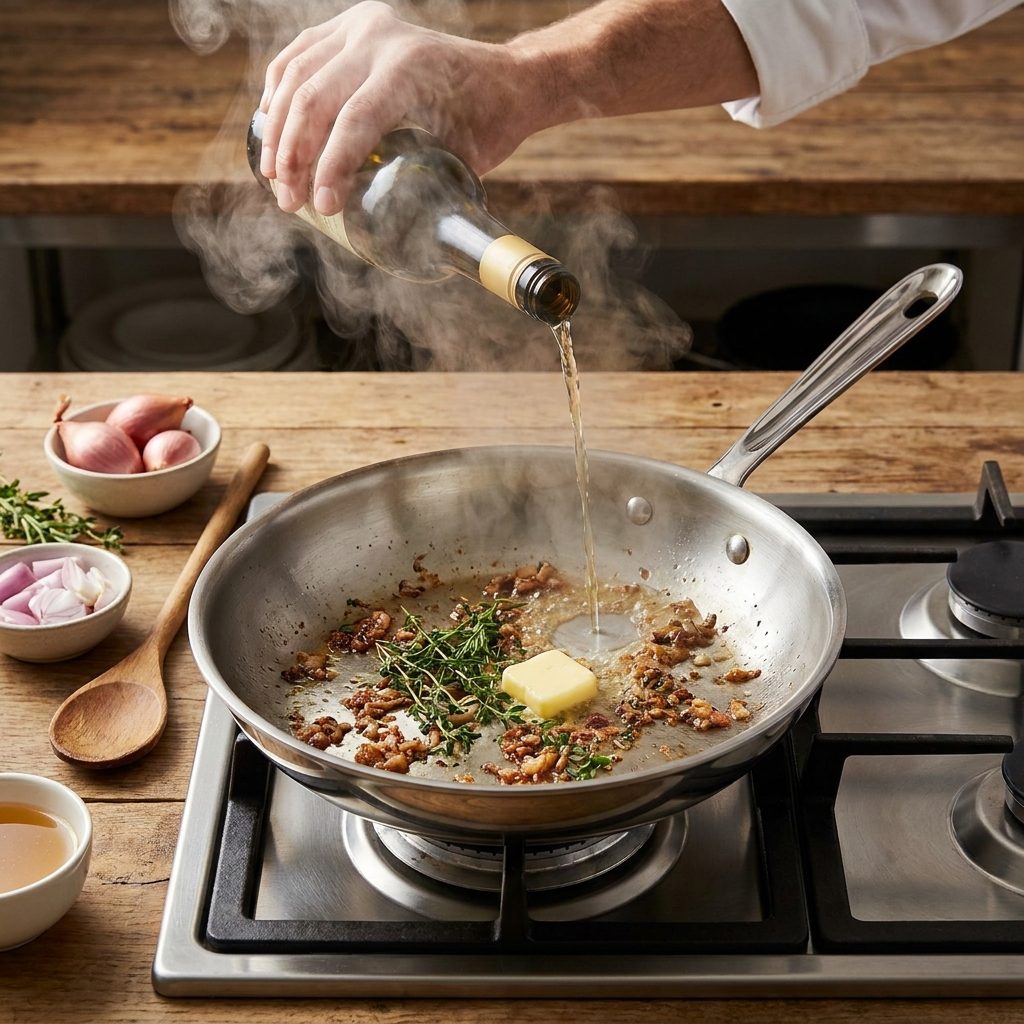
Before adding liquid, toss in finely minced shallots, garlic, or fresh herbs. Sauté them for 30 to 60 seconds until fragrant. This adds a layer of aromatic complexity that differentiates a simple deglaze from a professional-style sauce.
Step 4: Add the Deglazing Liquid
Turn the heat to medium-high and pour in your chosen liquid—usually wine, stock, or verjus. Use about 1/2 cup for a standard skillet. As the liquid hits the hot surface, it will steam and bubble, which helps loosen the stuck-on bits.
Step 5: Scrape and Reduce
Using a wooden spoon or a heat-resistant spatula, scrape the bottom of the pan vigorously. The fond will dissolve into the liquid, turning it a deep, rich color. Continue to simmer the liquid until it has reduced by at least half, which concentrates the flavors and creates body.
Step 6: Mount with Butter
Remove the pan from the heat and whisk in a few pats of cold, unsalted butter. This technique, known as 'monter au beurre,' creates a silky, glossy emulsion that gives the sauce a professional finish and a luxurious mouthfeel.
Tips for Best Results
-
·
<html><ul><li><b>Avoid Non-Stick:</b> Stainless steel is the gold standard for deglazing because its surface encourages the formation of a rich fond.</li><li><b>Use Cold Butter:</b> For the thickest, glossiest emulsion, ensure your butter is refrigerator-cold when whisking it in at the very end.</li><li><b>Watch the Color:</b> Fond should be a deep brown. If the bits are black, they are burnt and will make the sauce taste bitter; in this case, it is better to start over.</li><li><b>Deglaze Off the Heat:</b> If you are using high-proof alcohol like brandy, remove the pan from the flame before pouring to prevent accidental flare-ups.</li></ul></html>
Frequently Asked Questions
What is the best liquid to use for deglazing?
Can I deglaze a pan with water?
Why did my sauce break or look curdled?
Does deglazing work with vegetables?
What to Cook Next
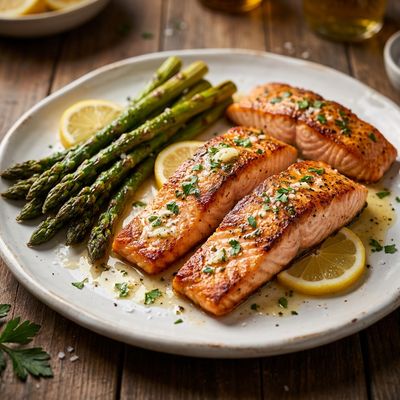
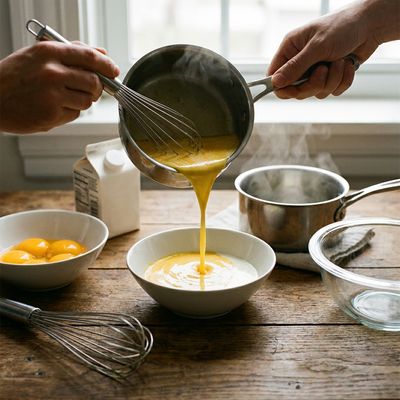
Next Recipe
How to Temper Eggs for Smooth Custards and Sauces
Tempering is a vital kitchen skill that prevents eggs from scrambling when introduced to heat. This guide breaks down the science and steps needed to ensure your desserts and sauces are velvety every time.
Similar Recipes to Try
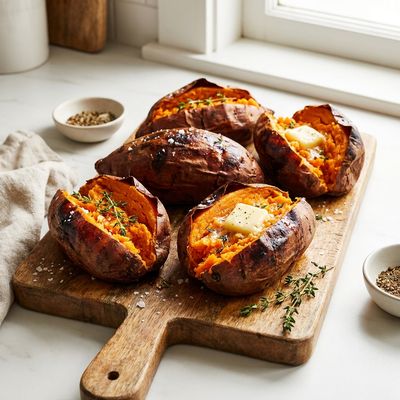
How To Bake Sweet Potatoes

A Taste of Brussels: 8 Classic Belgian Dishes to Cook at Home
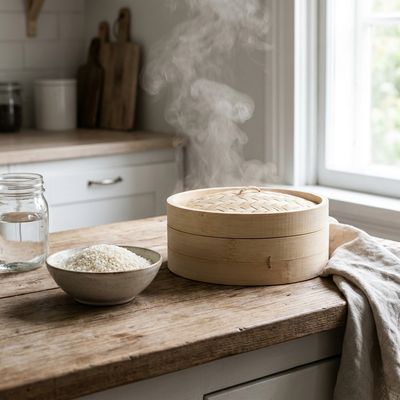
How to Steam White Rice
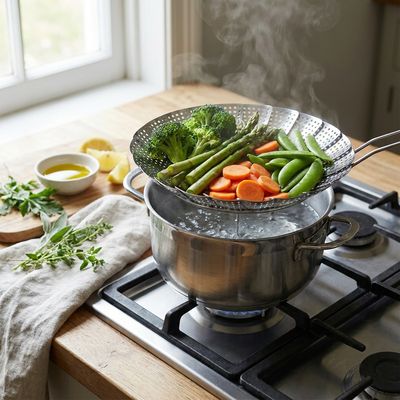
How To Steam Vegetables
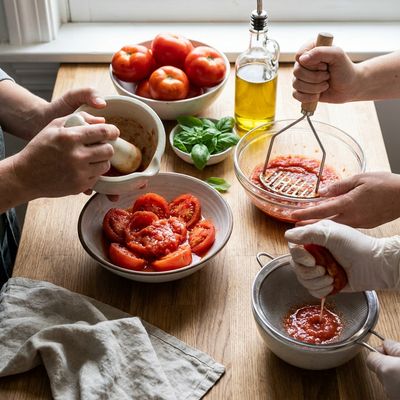
How to Crush Tomatoes
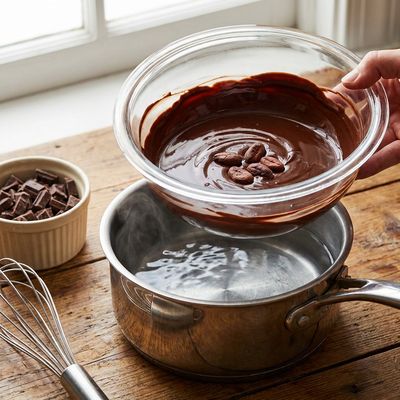
How To Melt Chocolate
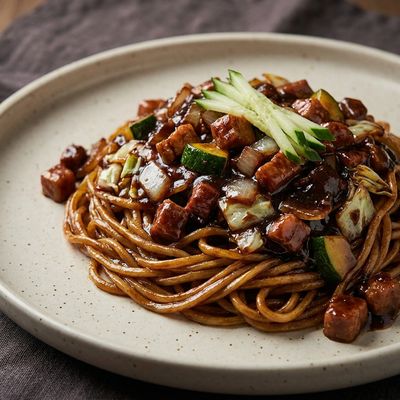
Jajangmyeon Korean Black Bean Noodles
45 min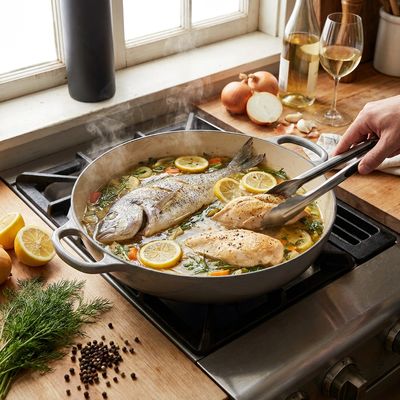
The Secret to Poaching Fish and Poultry in Flavorful Liquids
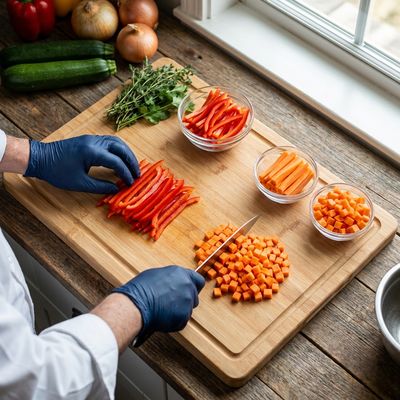
How to Julienne and Dice Vegetables Like a Professional Chef
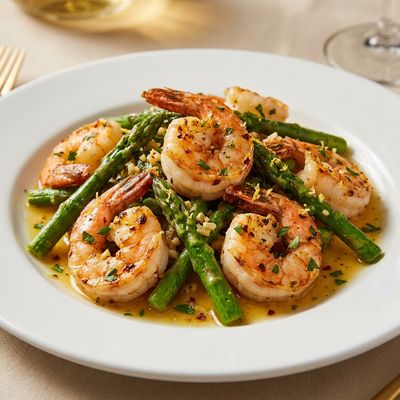
One-Pan Lemon Garlic Butter Shrimp and Asparagus
20 minComments
(0)Sign in to leave a comment.
You Might Like
Ad Space Available
Be the first to leave a comment.