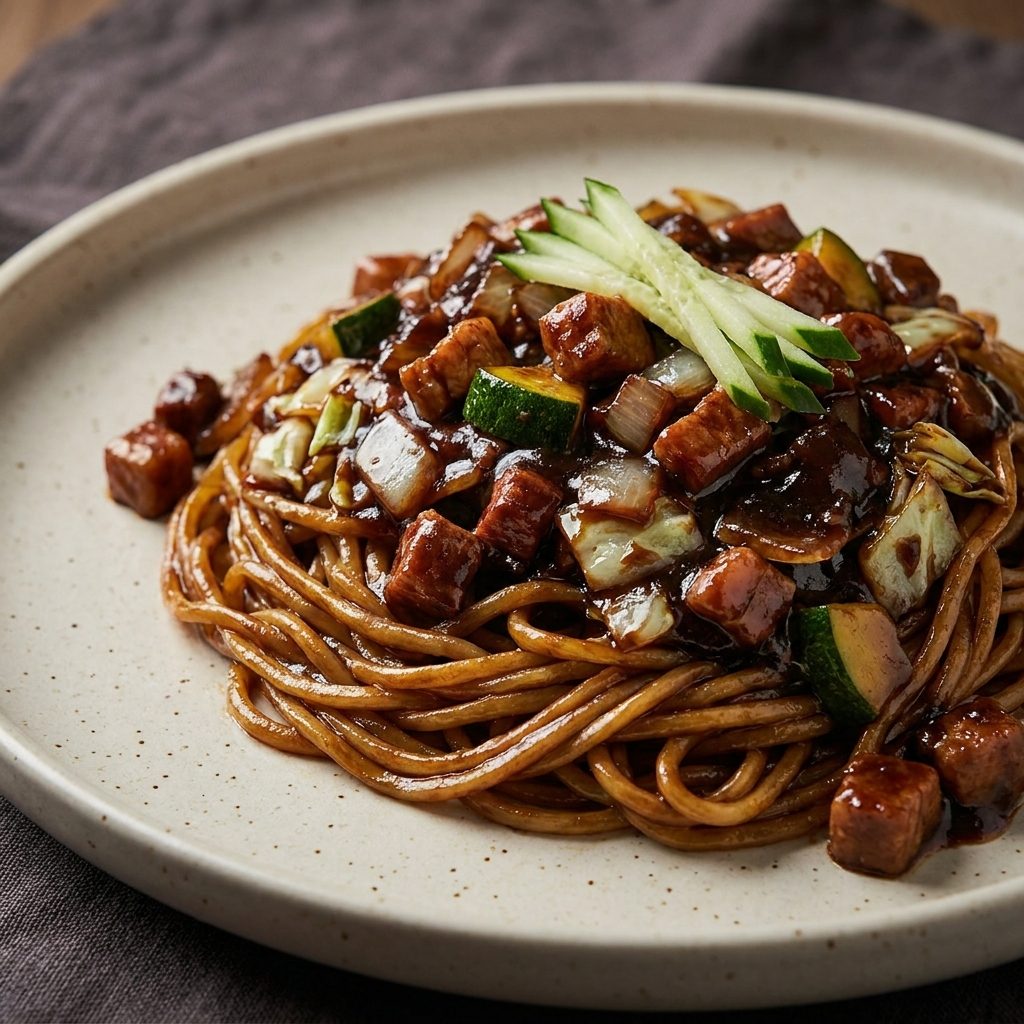
Recipe Details
"Indulge in a classic Korean-Chinese comfort food featuring thick, chewy wheat noodles smothered in a rich, savory, and slightly sweet black bean sauce. This recipe balances succulent pork belly with earthy vegetables for a deeply satisfying meal that rivals any takeout."
Ingredients
| Qty | Item |
|---|---|
| 1.5 lbs | Fresh Jajangmyeon noodles |
| 0.5 cup | Chunjang (Korean black bean paste) |
| 0.5 lb | Pork belly or shoulder, diced |
| 1 cup | Zucchini, diced |
| 2 cups | Onion, large diced |
| 1 cup | Green cabbage, chopped |
| 3 tbsp | Vegetable oil |
| 1 tbsp | Sugar |
| 1 tbsp | Oyster sauce |
| 2 tbsp | Cornstarch |
| 2 cups | Water |
| 0.25 cup | Cucumber, julienned |
How to Make Jajangmyeon Korean Black Bean Noodles
Prepare the black bean paste by heating 2 tablespoons of oil in a small pan. Add the chunjang (black bean paste) and stir-fry over medium heat for about 3-5 minutes to remove its bitter edge. Set aside.
In a large wok or deep skillet, heat the remaining tablespoon of oil. Add the diced pork and cook until browned and the fat has rendered.
Add the onions to the pan and cook until translucent. Follow with the zucchini and cabbage, sautéing for another 3-4 minutes until the vegetables are slightly softened.
Pour the fried black bean paste into the wok with the meat and vegetables. Stir well to coat everything evenly.
Add the sugar, oyster sauce, and 1.5 cups of water. Bring to a simmer, cover, and cook for about 10 minutes.
Mix the cornstarch with the remaining 0.5 cup of water to create a slurry. Gradually stir the slurry into the sauce until it thickens to a glossy, gravy-like consistency.
Boil the fresh noodles according to package instructions (usually 3-4 minutes). Drain and rinse briefly under warm water to remove excess starch.
Divide the noodles into bowls, ladle a generous amount of sauce over the top, and garnish with julienned cucumber.
Tips for Best Results
-
·
Frying the black bean paste in oil first is essential; it transforms the paste from bitter and harsh to savory and smooth.
-
·
Do not overcook the vegetables; they should still have a slight bite to provide texture contrast against the soft noodles.
-
·
If you prefer a 'dry' version (Ganjajang), use less water and skip the cornstarch slurry.
-
·
Serve with yellow pickled radish (danmuji) to cleanse the palate between bites.
Frequently Asked Questions
Can I make this vegetarian?
What is Chunjang?
Can I use dried noodles?
How do I store leftovers?
What to Cook Next
Next Recipe
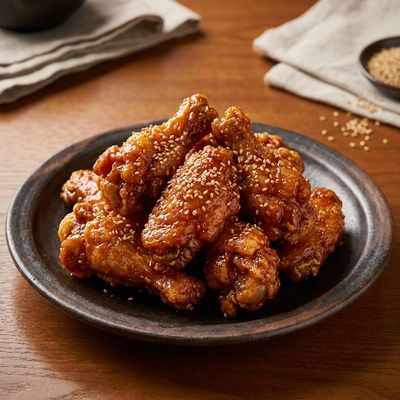
Yangnyeom Korean Fried Chicken in Sweet Chilli Glaze
This Yangnyeom Korean Fried Chicken features an impossibly crispy, double-fried crust coated in a thick, glossy glaze that hits every flavor note: sweet, spicy, and savory. It's the quintessential Korean soul food that is perfect for sharing at any gathering.
Similar Recipes to Try
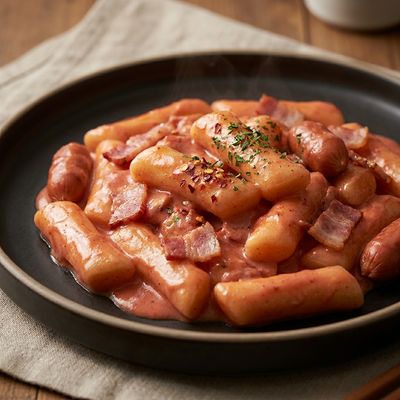
Rose Tteokbokki with Cream and Gochujang
35 min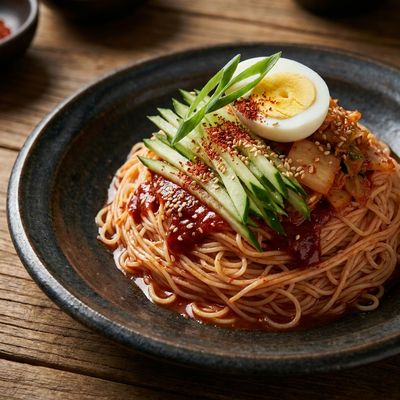
Bibim Guksu Cold Spicy Noodles
25 min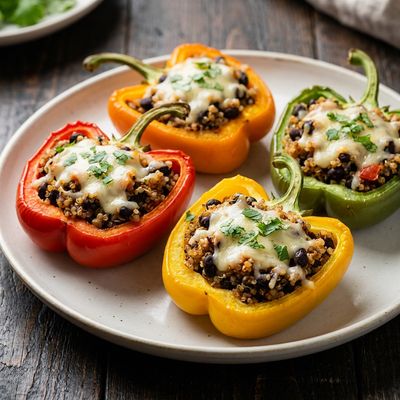
Quinoa and Black Bean Stuffed Bell Peppers
55 min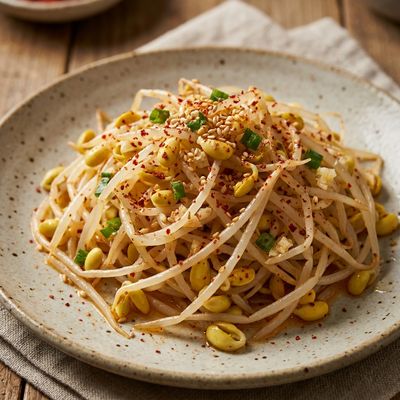
Kongnamul Muchim Seasoned Bean Sprouts
15 min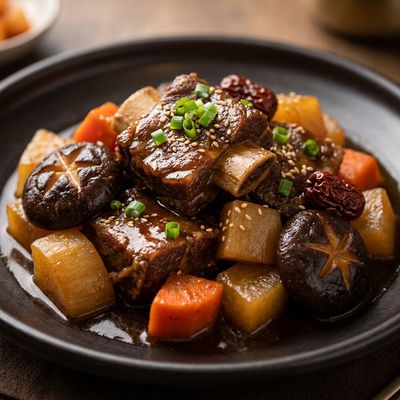
Galbijjim Braised Beef Short Ribs
135 min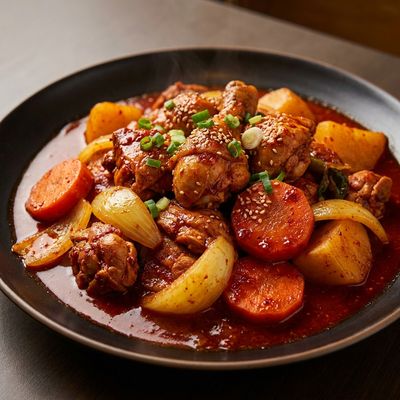
Dakbokkeumtang Braised Spicy Chicken
60 min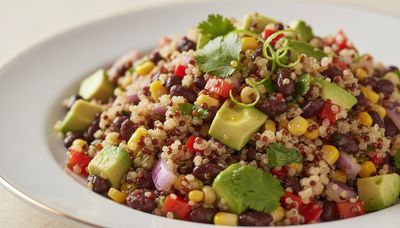
Quinoa And Black Bean Salad
30 min
Crock Pot Sweet Potato and Black Bean Chili
500 min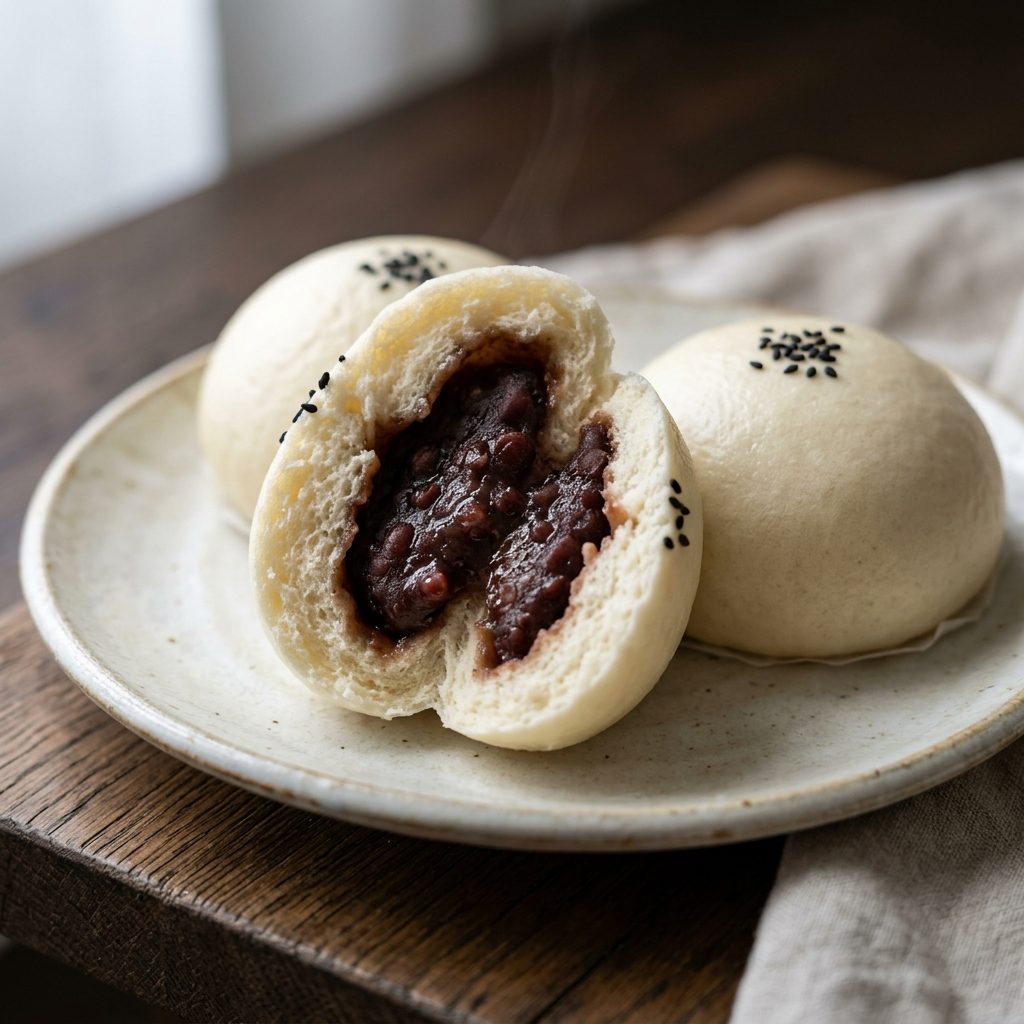
Red Bean Steamed Buns
105 min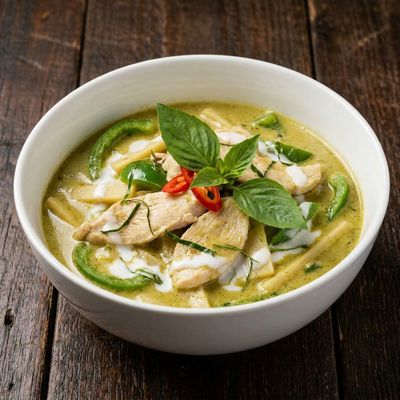
Creamy Coconut Thai Green Curry with Chicken
40 minComments
(0)Sign in to leave a comment.
You Might Like

Ad Space Available
Be the first to leave a comment.