Recipe Details
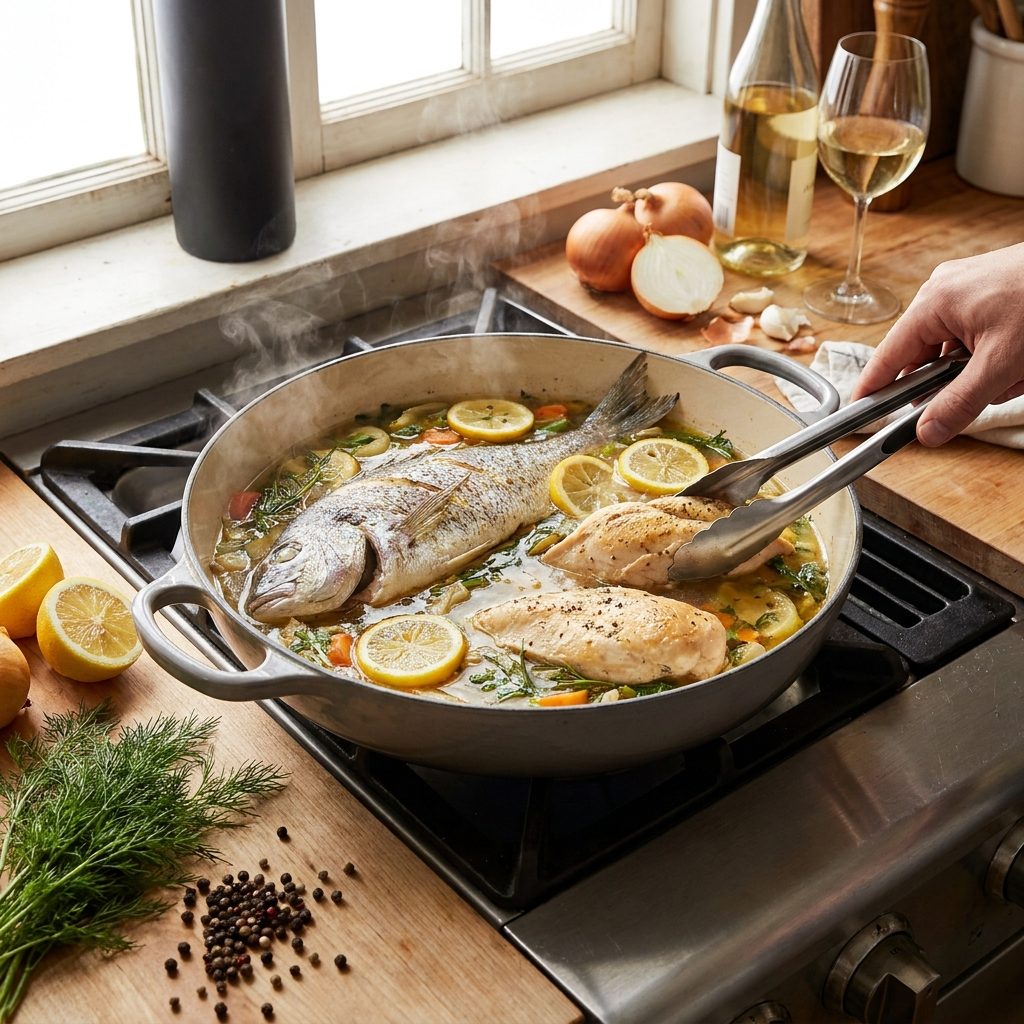
"Poaching is a gentle cooking technique that relies on low heat and aromatic liquids to produce incredibly tender proteins. This guide reveals the secrets to mastering 'the shiver' for restaurant-quality fish and poultry at home."
Ingredients
| Qty | Item |
|---|---|
| Ingredient list coming soon. | |
How to Make The Secret to Poaching Fish and Poultry in Flavorful Liquids
Step 1: Constructing the Flavor Base
The secret to successful poaching lies in the liquid, often called a court bouillon. Begin by filling a wide, shallow pan with water, stock, or coconut milk. Add aromatics such as smashed garlic, sliced ginger, peppercorns, and fresh herbs like thyme or parsley. For fish, always include an acidic component like dry white wine or lemon juice to help firm the proteins. Simmer these aromatics for 10-15 minutes before adding your protein to ensure the liquid is fully infused with flavor.
Step 2: Preparing the Protein
Consistency is vital for even cooking. For poultry, choose boneless, skinless breasts and consider lightly pounding the thicker end so the entire piece is of uniform height. For fish, keep fillets intact and check for pin bones. Ensure the protein is at room temperature for about 15 minutes before poaching to prevent a drastic temperature drop in the liquid.
Step 3: Achieving the Shiver
Lower the heat until the liquid is between 160°F and 180°F. You are looking for a 'shiver'—tiny bubbles that occasionally rise to the surface but do not break it. Gently submerge the fish or chicken into the liquid. If the liquid doesn't fully cover the protein, add a bit more warm stock or water. This low-temperature environment prevents the muscle fibers from tightening and becoming rubbery.
Step 4: The Cartouche Technique
To ensure even cooking and prevent the top of the protein from drying out, use a 'cartouche.' This is a circle of parchment paper cut to the size of your pan with a small hole in the center. Place it directly on the surface of the liquid. It traps steam and keeps the protein fully submerged without the agitation of a heavy lid.
Step 5: Monitoring and Resting
Use an instant-read thermometer to check for doneness. Fish is typically perfect at 140°F, while poultry must reach 165°F. Once reached, remove the protein immediately with a slotted spatula. Let it rest on a warm plate for 3-5 minutes. This allows the juices to redistribute, ensuring every bite is succulent.
Tips for Best Results
-
·
<html><ul><li>Always start poultry in cool or room temperature liquid to ensure even heat penetration to the center.</li><li>Never let the liquid boil; boiling toughens the exterior while leaving the inside raw.</li><li>Strain and save your poaching liquid; it is essentially an enriched stock that makes a fantastic base for sauces or soups.</li><li>For extra flavor, 'butter-poach' by whisking cold butter cubes into the poaching liquid to create a rich, emulsified environment.</li></ul></html>
Frequently Asked Questions
What is the best temperature for poaching?
Can I reuse poaching liquid?
How long does it take to poach a chicken breast?
Why did my poached fish fall apart?
What to Cook Next

Next Recipe
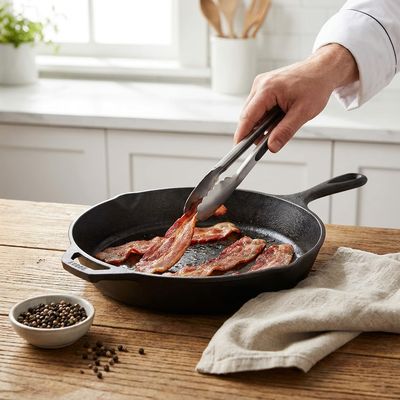
How To Fry Bacon
Frying bacon may seem simple, but achieving the perfect balance of rendered fat and crispy texture requires specific techniques. This guide covers the best methods for stovetop and oven-frying to ensure your breakfast protein is never burnt or soggy.
Similar Recipes to Try
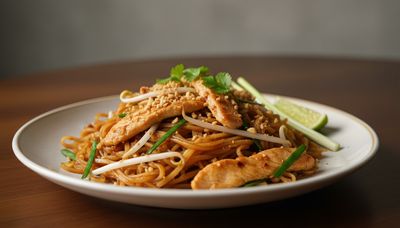
Chicken Pad Thai
35 min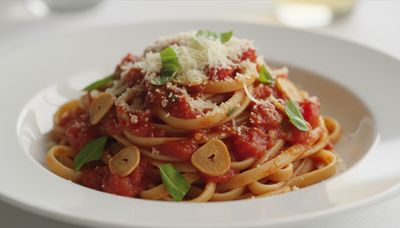
Pasta With Marinara Sauce
40 min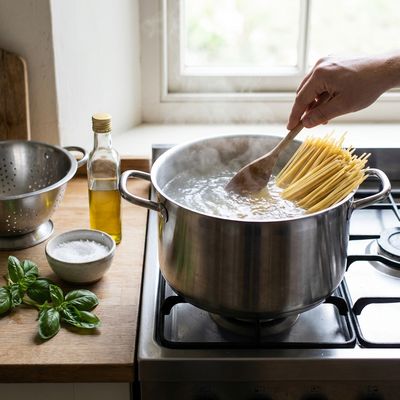
How To Cook Pasta
14 min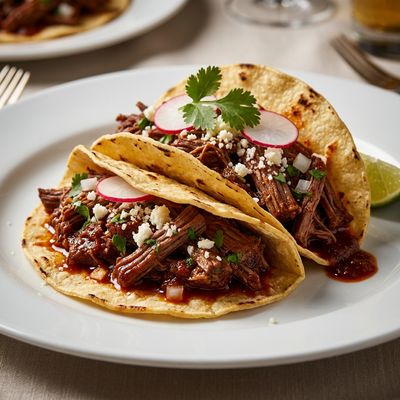
Slow Cooker Mexican Shredded Beef Tacos
495 min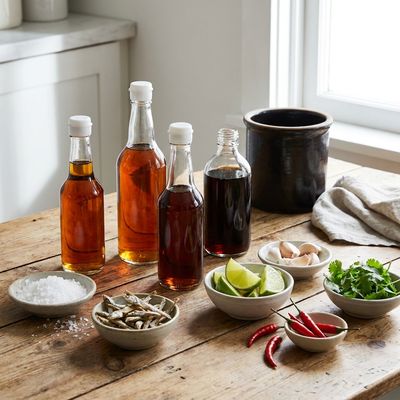
Fish Sauce: Uses, Substitutes, and How to Store It
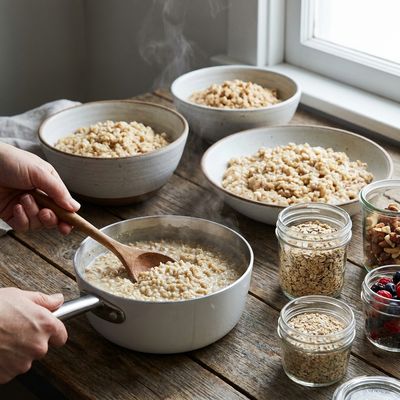
How To Make Oatmeal

How to Stock a Basic Pantry: Must-Have Ingredients for New Cooks
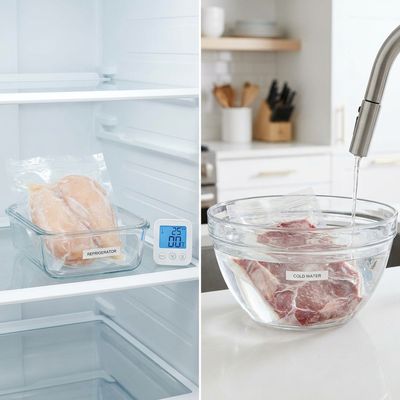
How to Safely Thaw Frozen Meat and Poultry
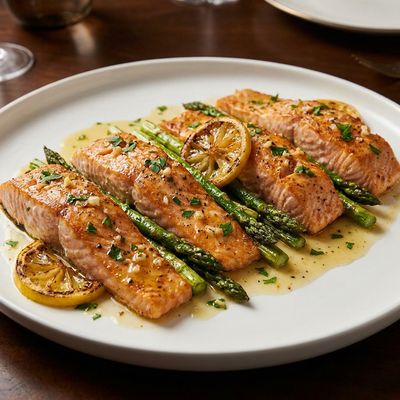
Lemon Garlic Butter Baked Salmon with Asparagus
25 min
Chicken Tikka Masala with Charred Peppers
55 minComments
(0)Sign in to leave a comment.
You Might Like
Ad Space Available
Be the first to leave a comment.