Recipe Details
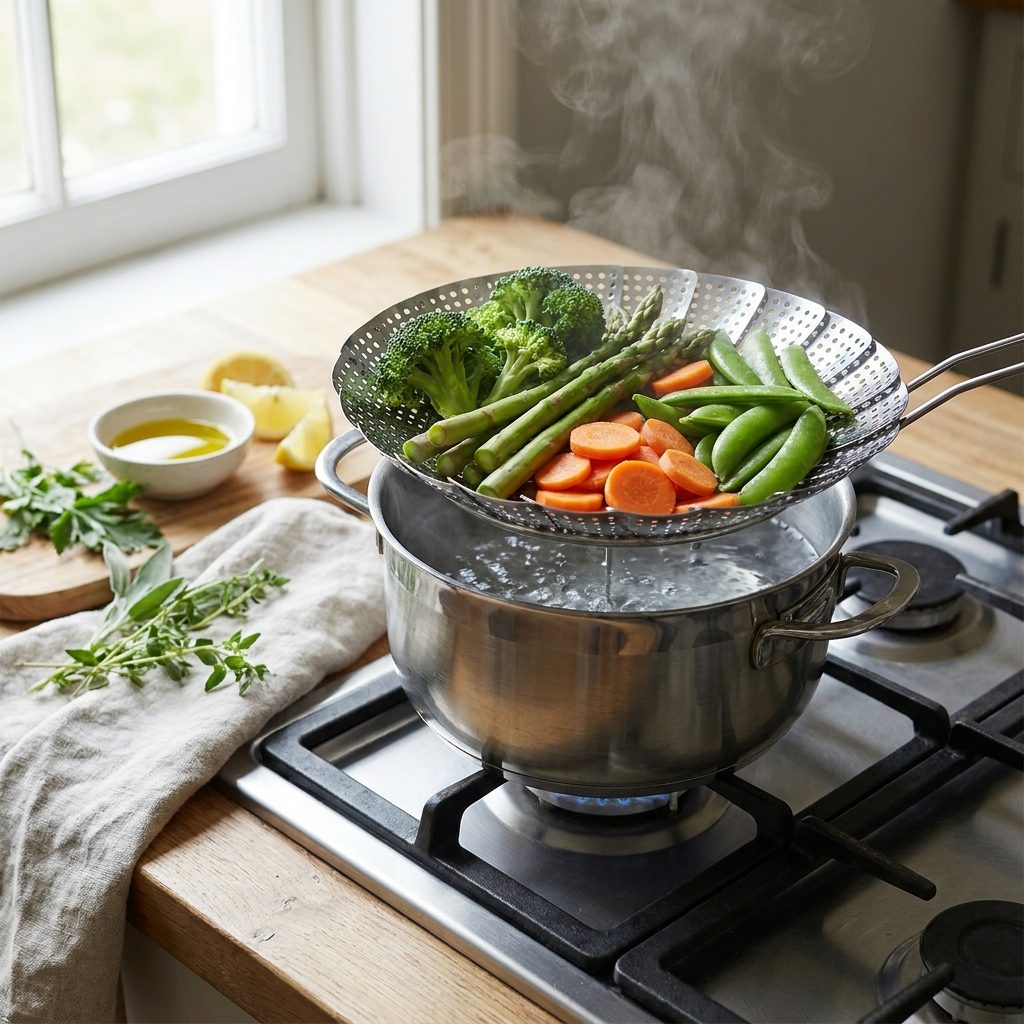
"Steaming is a foundational culinary skill that preserves the vibrant color, crunch, and nutritional integrity of your produce. This guide provides step-by-step instructions for mastering this gentle cooking method using various kitchen tools."
Ingredients
| Qty | Item |
|---|---|
| Ingredient list coming soon. | |
How to Make How To Steam Vegetables
Step 1: Prep Your Vegetables
Start by washing your vegetables thoroughly under cold water. To ensure even cooking, cut your vegetables into uniform sizes; for example, keep broccoli florets roughly the same diameter and slice carrots into consistent rounds. This prevents some pieces from becoming mushy while others remain raw.
Step 2: Set Up the Steamer
Fill a large pot with about 1 to 2 inches of water, ensuring the water level remains below the bottom of your steamer basket. Bring the water to a boil over medium-high heat. Once boiling, place your prepared vegetables into the steamer basket and carefully set the basket into the pot.
Step 3: The Steaming Process
Cover the pot with a tight-fitting lid to trap the steam. Reduce the heat slightly to maintain a steady simmer. The steam will circulate around the vegetables, cooking them gently. Refer to a timing chart for specific vegetables: leafy greens usually take 2-3 minutes, while denser root vegetables like carrots may take 8-10 minutes.
Step 4: Check for Doneness
Use a paring knife or a fork to test the texture. You are looking for 'fork-tender,' meaning the tool slides in easily but the vegetable still has a slight snap. The colors should be vibrant; if they start to look dull or olive-drab, they are likely overcooked.
Step 5: Season and Serve
Carefully remove the steamer basket using oven mitts or tongs. Transfer the vegetables to a serving bowl. Enhance the flavor immediately with a pinch of sea salt, a crack of black pepper, a squeeze of fresh lemon juice, or a drizzle of high-quality olive oil while they are still hot.
Tips for Best Results
-
·
<html><ul><li><strong>Don't Overcrowd:</strong> Arrange vegetables in a single layer or a loose pile to allow steam to circulate freely for even cooking.</li><li><strong>Infuse with Flavor:</strong> Add aromatics like garlic cloves, ginger slices, or fresh herbs to the boiling water to subtly perfume the vegetables.</li><li><strong>Shock for Prep:</strong> If you are cooking vegetables for a cold salad or meal prep, immediately plunge them into an ice-water bath after steaming to stop the cooking process and lock in color.</li><li><strong>Keep the Lid On:</strong> Avoid lifting the lid frequently, as this releases the built-up steam and significantly increases the cooking time.</li></ul></html>
Frequently Asked Questions
Can I steam vegetables without a steamer basket?
Is steaming healthier than boiling?
How do I steam frozen vegetables?
Which vegetables are best for steaming?
What to Cook Next

Next Recipe
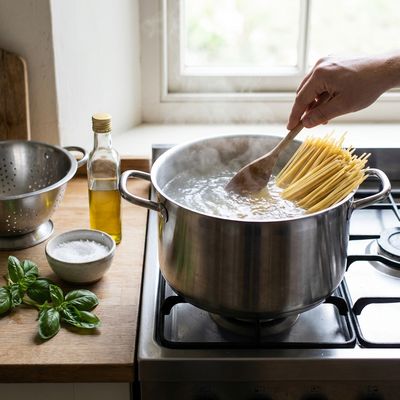
How To Cook Pasta
Elevate your kitchen skills with this definitive guide to cooking pasta that is perfectly al dente and bursting with flavor. Whether it’s long spaghetti or ridged penne, these professional techniques ensure a gourmet result every time you boil a pot.
Similar Recipes to Try
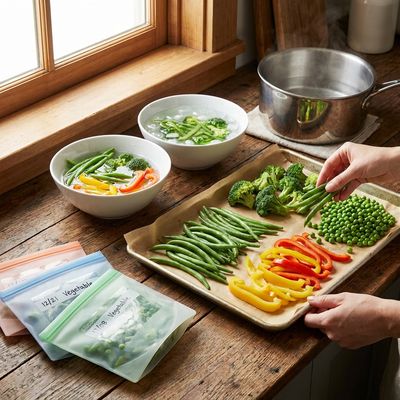
How to Freeze Fresh Vegetables Without Losing Texture
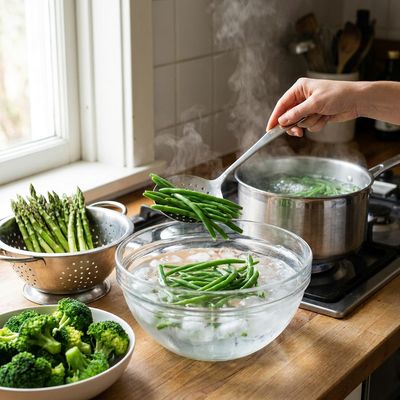
How to Blanch and Shock Vegetables to Keep Them Crisp and Green
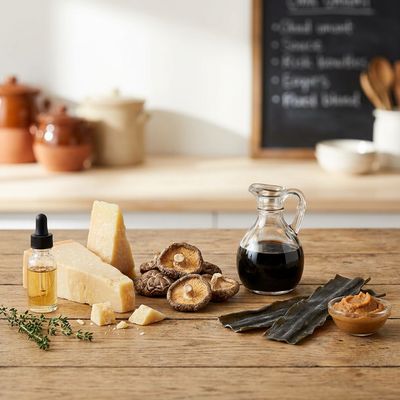
A Guide to Umami: How to Use Savory Flavors to Improve Your Cooking
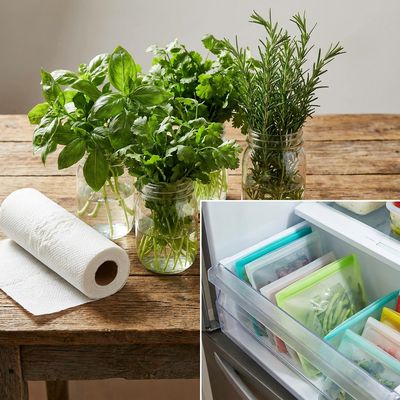
How to Store Fresh Herbs to Make Them Last for Weeks
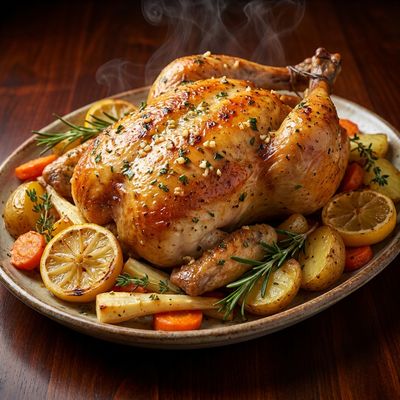
Lemon Herb Roasted Whole Chicken with Root Vegetables
110 min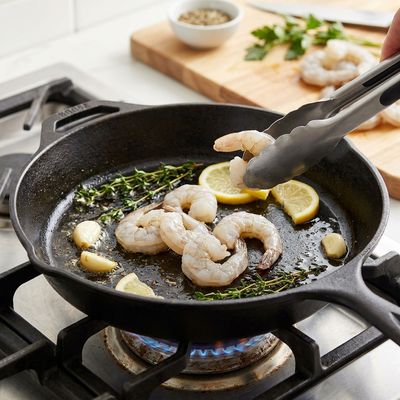
How To Cook Shrimp
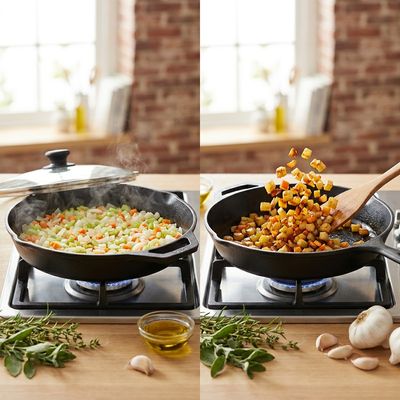
Why You Should Be Sweating Your Aromatics Instead of Sauteing
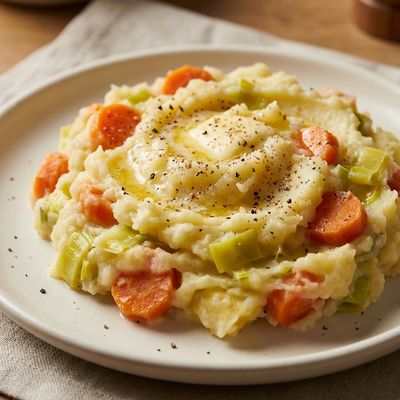
Stoemp Belgian Mashed Potatoes with Vegetables
40 min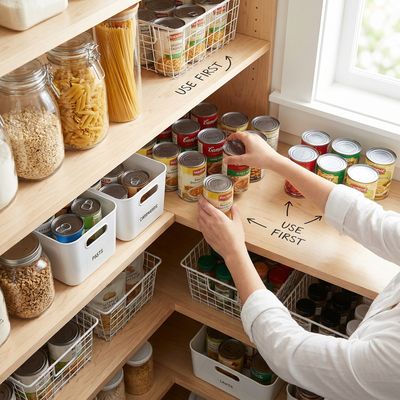
Why You Should Use the FIFO Method for Pantry Organization
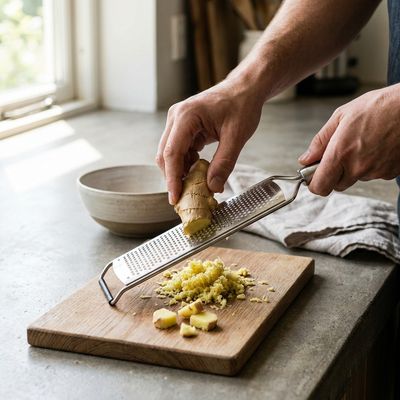
How to Grate Ginger
Comments
(0)Sign in to leave a comment.
You Might Like
Ad Space Available
Be the first to leave a comment.