Recipe Details
"Melting chocolate is a fundamental culinary skill that requires precision and a gentle touch to avoid graininess or burning. This guide explores the science of tempering and provides step-by-step instructions for the most reliable melting methods used by professional pastry chefs."
Ingredients
| Qty | Item |
|---|---|
| Ingredient list coming soon. | |
How to Make How To Melt Chocolate
Step 1: Preparation and Chopping
Before applying heat, ensure your chocolate is broken down into uniform pieces. Use a sharp serrated knife to chop chocolate bars into small, even shards. Uniformity is key; smaller pieces melt faster and more evenly, reducing the risk of overcooking the portions that melt first.
Step 2: The Double Boiler Method (The Gold Standard)
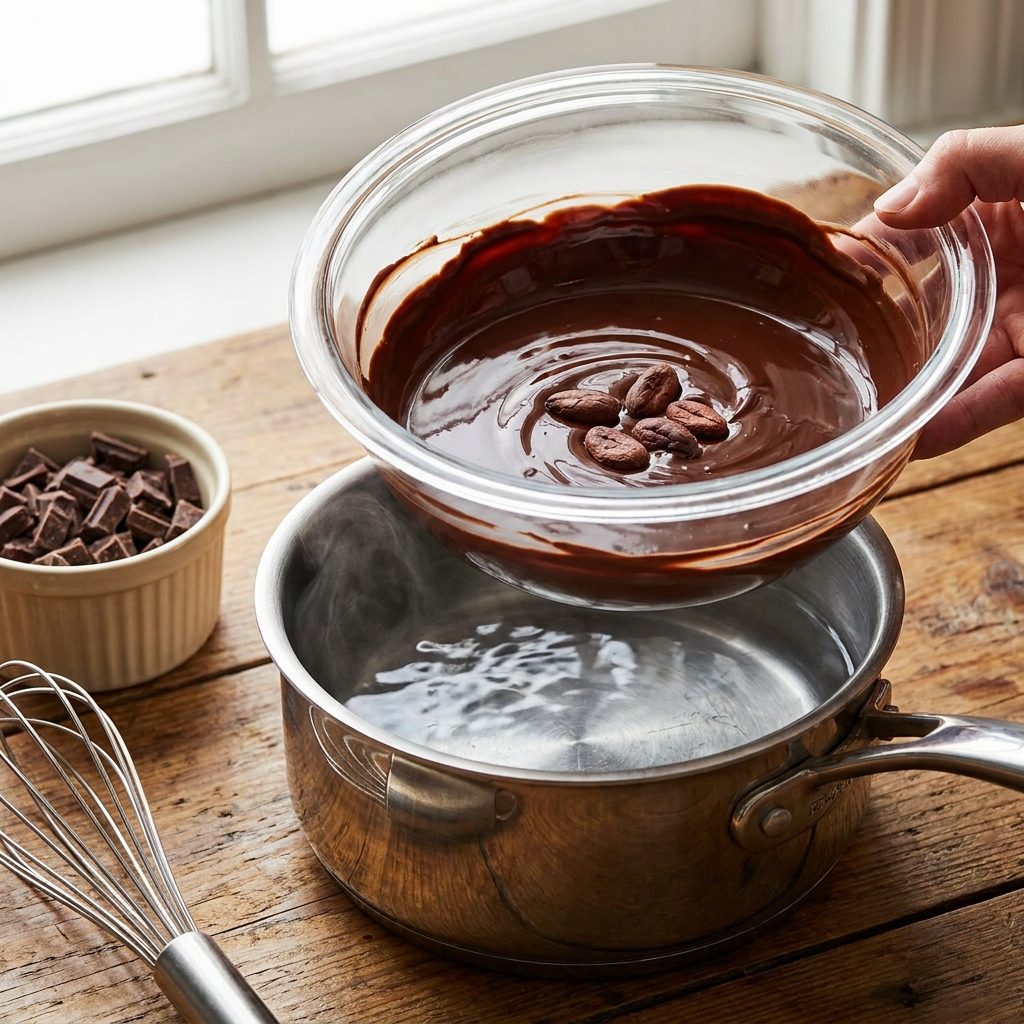
Fill a saucepan with one to two inches of water and bring it to a gentle simmer. Place a heat-proof glass or stainless steel bowl over the pot, ensuring the bottom of the bowl does not touch the water. Add two-thirds of your chopped chocolate to the bowl. Stir constantly with a rubber spatula as the steam gently warms the bowl. Once smooth, remove from heat and stir in the remaining chocolate to cool the mixture and encourage a glossy finish.
Step 3: The Microwave Method (The Quick Approach)
Place chopped chocolate in a microwave-safe bowl. Heat on 50% power (medium) for 30-second intervals. After each interval, remove the bowl and stir thoroughly, even if the pieces look unmelted. Chocolate holds its shape until stirred. Continue this process until only a few small lumps remain, then stir until the residual heat melts them completely. Never use high power, as chocolate burns easily.
Step 4: Handling Seized Chocolate
If a drop of water hits your chocolate, it may 'seize,' turning into a dry, clumpy mess. To fix this, you can ironically add more liquid. Stir in a teaspoon of boiling water or warm vegetable oil at a time, whisking vigorously until the chocolate emulsifies and becomes smooth again. Note that this chocolate is best used for sauces or batters rather than dipping.
Tips for Best Results
-
·
<ul><li>Keep it dry: Even a single drop of water can cause chocolate to seize and turn grainy.</li><li>Low and slow: Chocolate is sensitive to high heat; dark chocolate should not exceed 115°F, while milk and white chocolate should stay below 110°F.</li><li>Use a rubber spatula: This allows you to scrape the sides of the bowl effectively, ensuring every bit is evenly heated.</li><li>Avoid wooden spoons: Wood can retain moisture or odors from previous savory cooking that might taint the chocolate.</li></ul>
Frequently Asked Questions
Why did my chocolate turn white or cloudy after melting?
Can I melt chocolate chips the same way as bars?
What is the best type of chocolate for melting?
How do I melt white chocolate without it burning?
What to Cook Next
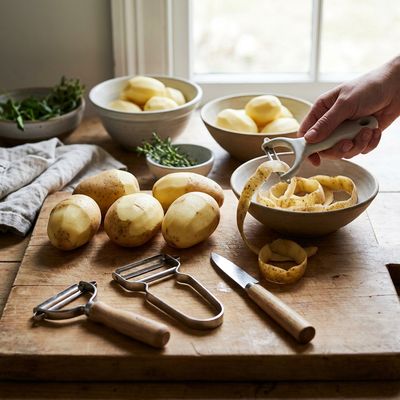

Next Recipe
How To Make Pizza Dough From Scratch
Master the art of homemade pizza dough with this simple step-by-step guide. Learn the right flour, yeast ratio, and kneading technique for a perfect crust every time.
Similar Recipes to Try
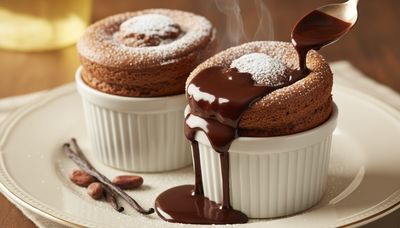
Individual Chocolate Souffles
35 min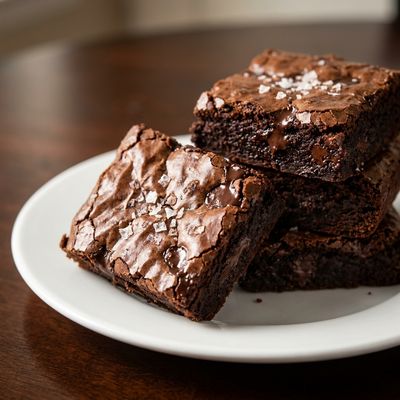
Dark Chocolate Sea Salt Brownies
45 min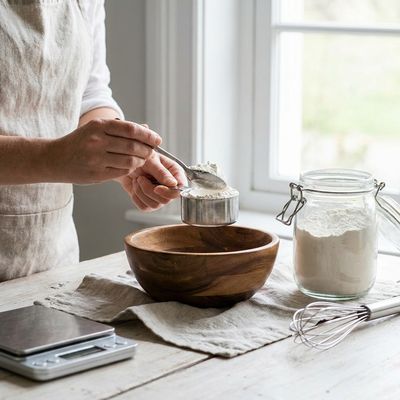
How to Measure Flour Correctly for Perfect Baking Results
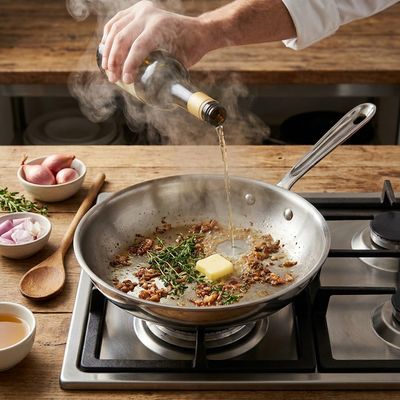
How to Deglaze a Pan to Make Professional Pan Sauces
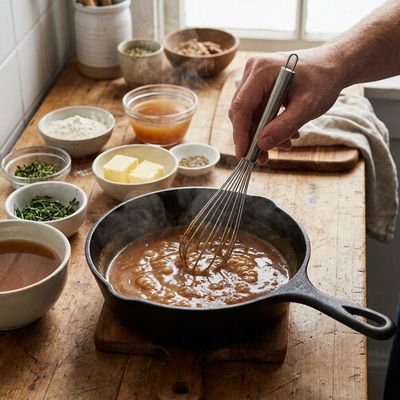
How To Make Gravy
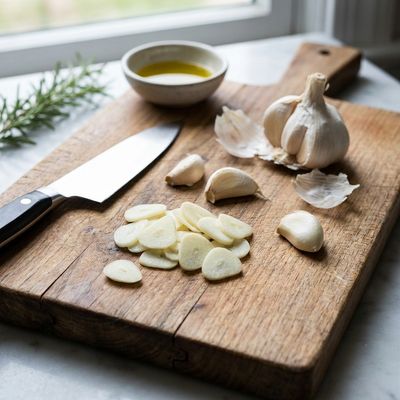
How to Slice Garlic
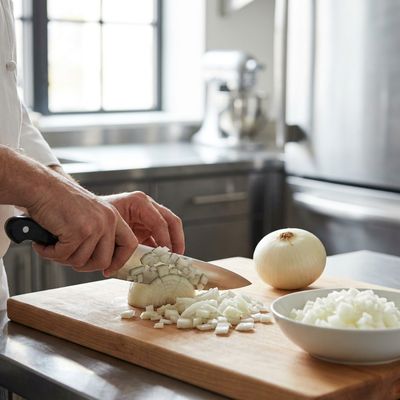
How to Dice Onions
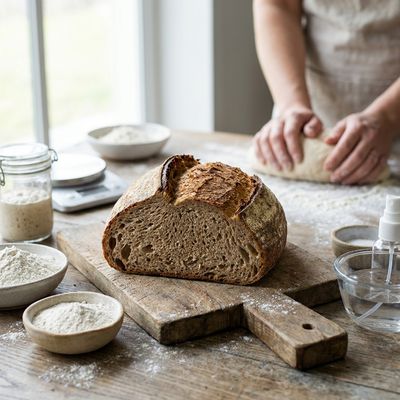
Why is My Bread Dense? 5 Common Troubleshooting Tips
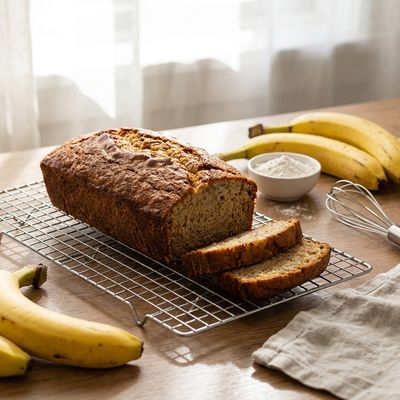
How To Make Banana Bread
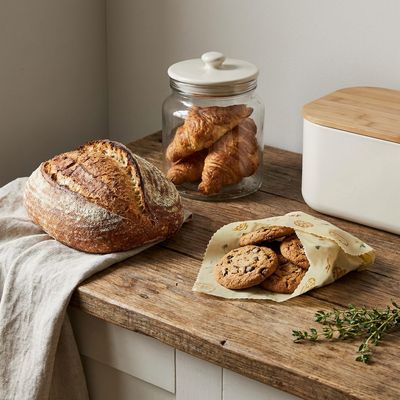
The Best Way to Store Different Types of Baked Goods
Comments
(0)Sign in to leave a comment.
You Might Like
Ad Space Available
Be the first to leave a comment.