Recipe Details
"Blanching is a fundamental culinary skill that preserves the nutritional value, color, and texture of fresh produce. This guide provides an expert walkthrough on how to properly blanch and shock vegetables for optimal long-term freezer storage."
1 Ingredients
| Qty | Item |
|---|---|
| Ingredient list coming soon. | |
2 Instructions
Understanding the Blanching Process
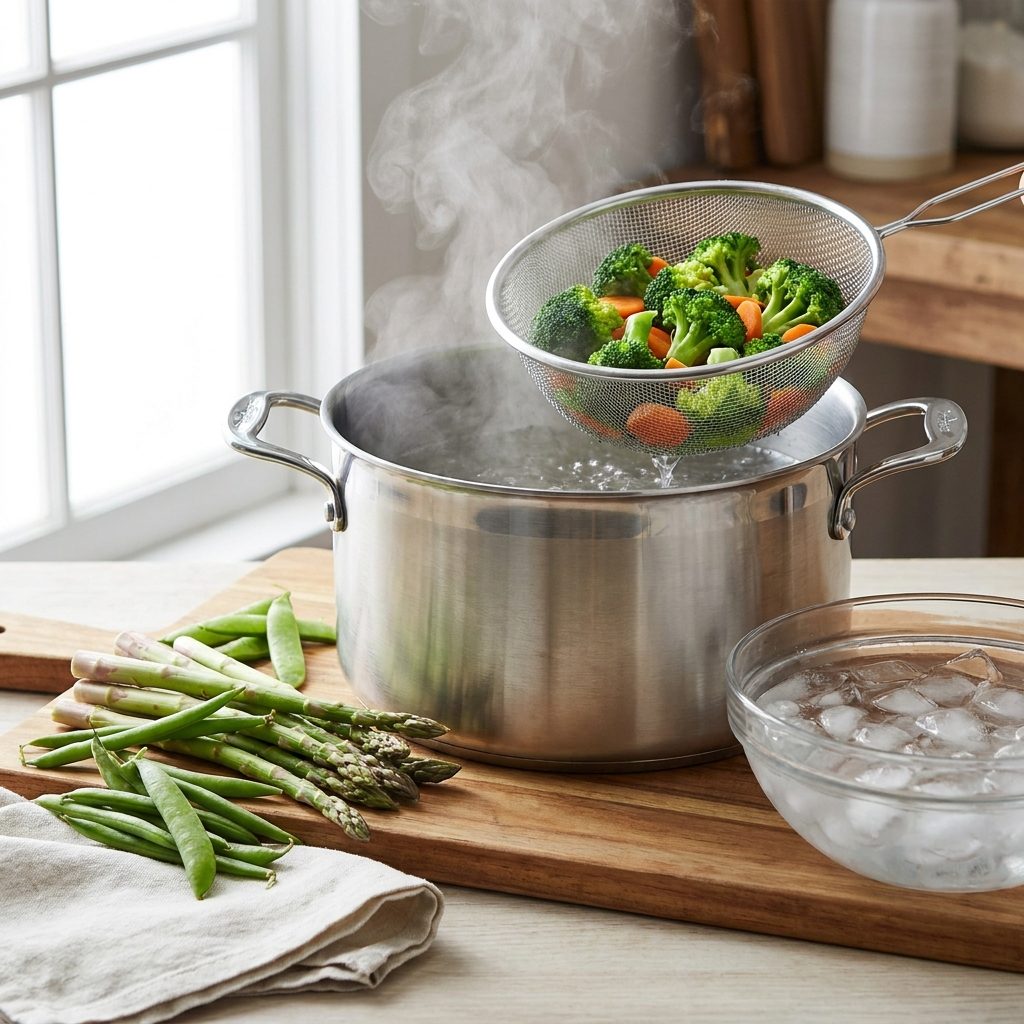
Blanching is a two-step thermal process involving a short scalding in boiling water followed by a rapid cooling in ice water (shocking). This technique is essential for freezing because it deactivates the enzymes that cause food to age, lose flavor, and turn tough during storage.
Step 1: Preparation and Sorting
Start by washing your vegetables thoroughly to remove dirt and debris. Cut the vegetables into uniform sizes—this ensures that every piece is treated equally in the boiling water. While prepping, fill a large stockpot with water (use one gallon of water per pound of produce) and bring it to a vigorous, rolling boil.
Step 2: The Boiling Bath
Lower your prepared vegetables into the boiling water. The water should return to a boil within one minute; if it takes longer, you may be using too much produce for the volume of water. Start your timer only once the water has returned to a boil. Different vegetables require different times: for example, small broccoli florets need 3 minutes, while julienned carrots need only 2 minutes.
Step 3: The Ice Bath (Shocking)
As soon as the timer ends, use a slotted spoon or a wire basket to immediately transfer the vegetables into a large bowl filled with ice and cold water. This 'shocking' process stops the cooking instantly. A good rule of thumb is to cool the vegetables for the exact same amount of time they were boiled.
Step 4: Drying and Packaging
Proper drainage is critical. Remove the vegetables from the ice bath and drain them well in a colander. Excess moisture causes ice crystals and freezer burn, so pat the vegetables completely dry with a clean kitchen towel. Pack the dry vegetables into freezer-safe bags, removing as much air as possible before sealing and labeling with the date.
💡 Tips & Tricks
-
·
<html><ul><li>Always use a timer; guessing usually leads to under-blanching, which can actually accelerate spoilage enzymes.</li><li>Try 'flash freezing' by spreading blanched, dried vegetables on a baking sheet in the freezer for an hour before bagging to prevent them from clumping together.</li><li>If you are blanching in large batches, remember to add fresh ice to your cooling bowl frequently to keep the water temperature near freezing.</li><li>For the best quality, blanch vegetables as soon as possible after harvest or purchase when their sugar levels are highest.</li></ul></html>
? Frequently Asked Questions
Can I freeze vegetables without blanching them first?
How do I know how long to blanch different vegetables?
What is the difference between blanching and parboiling?
Does blanching destroy the nutrients in vegetables?
→ Keep Cooking
See All Meal Prep & Storage
Next Recipe
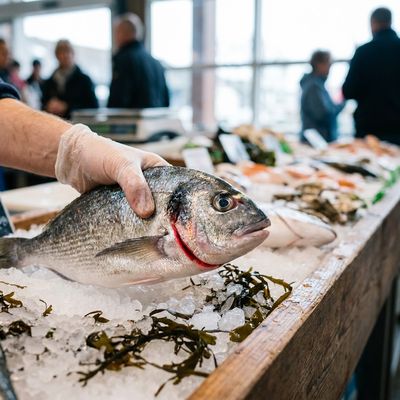
How to Tell if Fish is Fresh: A Seafood Buying Guide
Selecting high-quality seafood is an essential skill for any home cook, impacting both the flavor and safety of your meal. This guide covers everything from sensory checks to proper storage, ensuring your next seafood dish is professional-grade.
You Might Also Like These Recipes
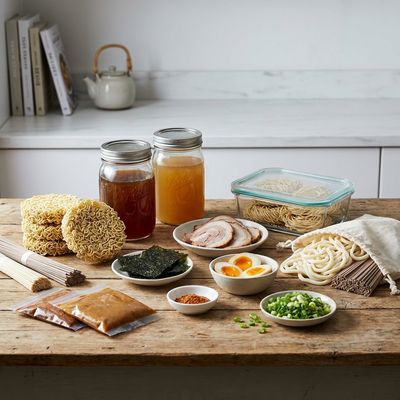
Ramen Noodles: Uses, Substitutes, and How to Store It
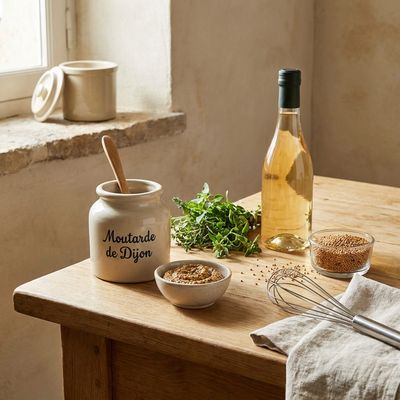
Dijon Mustard: Uses, Substitutes, and How to Store It
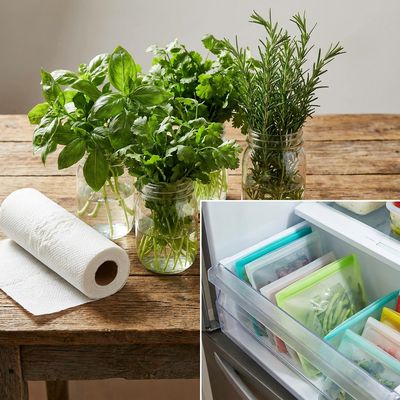
How to Store Fresh Herbs to Make Them Last for Weeks

Almond Milk Chia Pudding
10 min
Tofu Scramble With Turmeric
25 min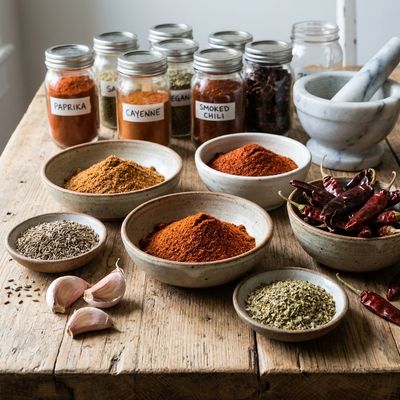
Chili Powder: Uses, Substitutes, and How to Store It
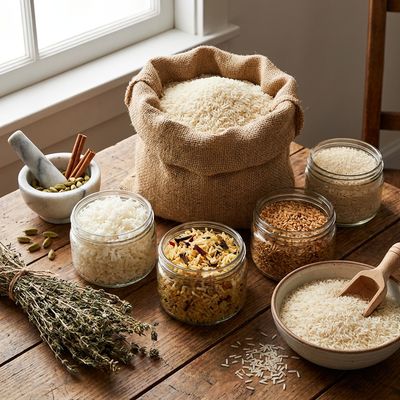
Basmati Rice: Uses, Substitutes, and How to Store It
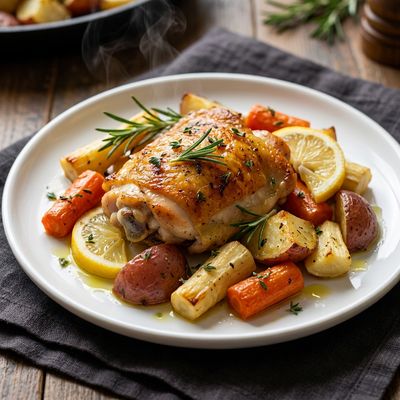
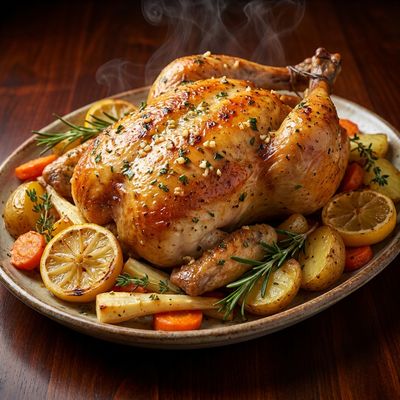
Lemon Herb Roasted Chicken with Root Vegetables
65 min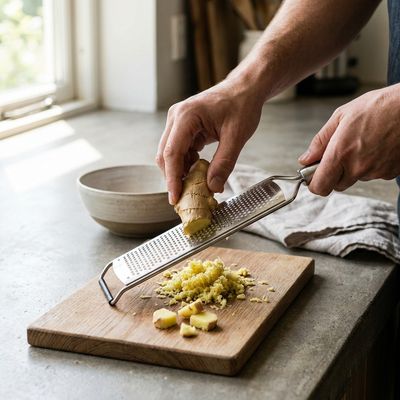
How to Grate Ginger
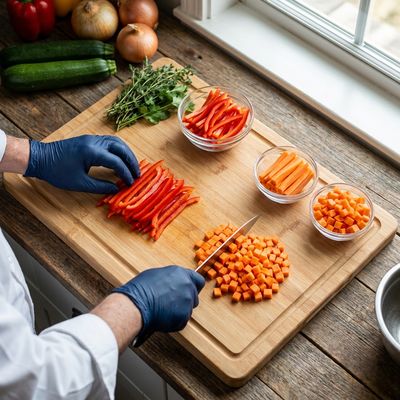
How to Julienne and Dice Vegetables Like a Professional Chef
Comments (0)
Sign in to leave a comment.
You Might Like

Ad Space Available
Be the first to leave a comment.