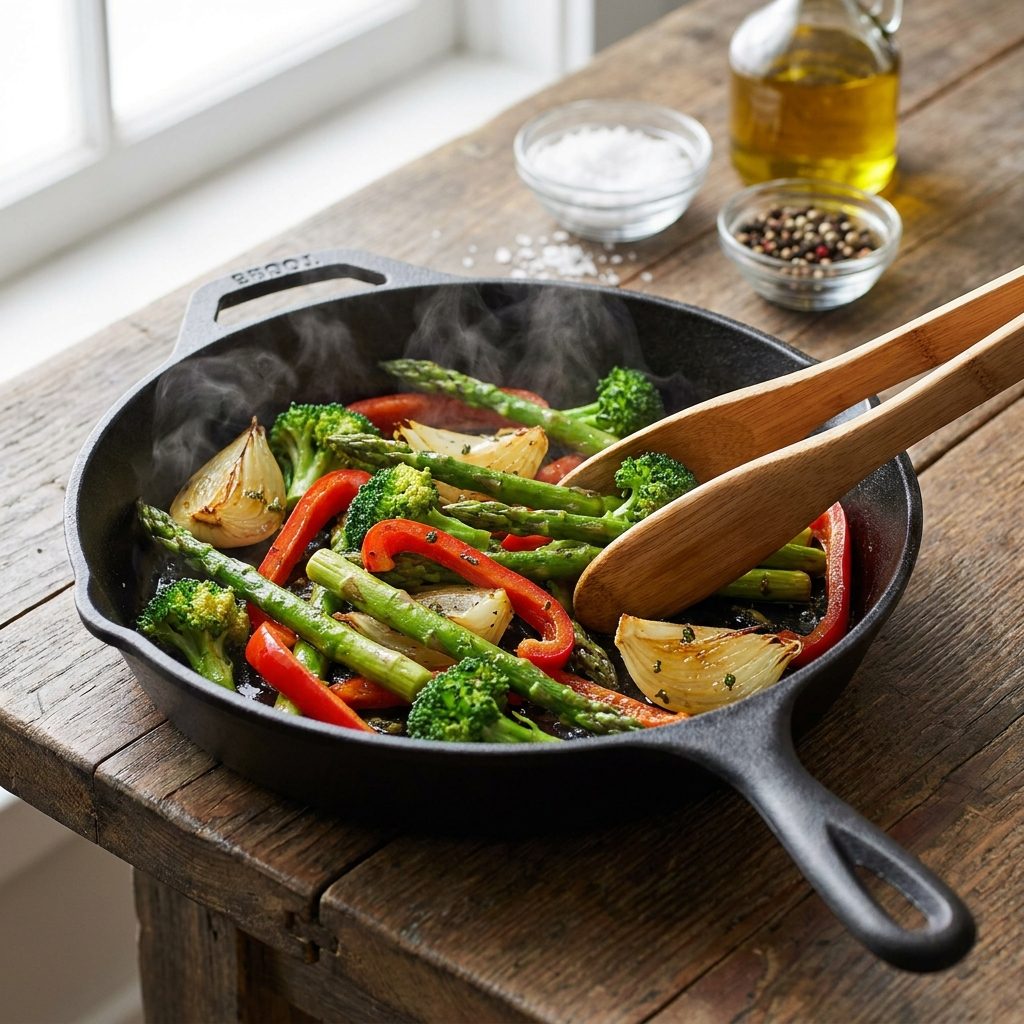
Recipe Details
"Achieving the perfect saute requires more than just high heat; it is a delicate balance of preparation, timing, and pan management. This guide breaks down the essential techniques to ensure your vegetables stay vibrant and crunchy rather than soggy and limp."
Ingredients
| Qty | Item |
|---|---|
| Ingredient list coming soon. | |
How to Make The Best Way to Saute Vegetables Without Making Them Mushy
Step 1: Prep and Dry Your Ingredients
The biggest enemy of a crisp saute is moisture. Start by washing your vegetables and drying them thoroughly with a kitchen towel or salad spinner. Any surface water will turn into steam the moment it hits the pan, effectively steaming your food rather than searing it. Additionally, ensure you cut your vegetables into uniform pieces so they cook at the same rate.
Step 2: Choose the Right Pan and Oil
Use a wide, heavy-bottomed skillet or a stainless steel saute pan. Avoid deep pots which trap steam. Select an oil with a high smoke point, such as avocado, grapeseed, or canola oil. Avoid butter at the start, as its milk solids can burn before the vegetables are properly seared.
Step 3: Get the Pan Ripping Hot
Place your pan over medium-high heat. You will know it is ready when a drop of water flicked onto the surface dances and evaporates instantly. Add the oil and wait until it shimmers. If the oil is cold when the vegetables are added, they will absorb the fat and become heavy and greasy rather than crisp.
Step 4: Respect the Pan Space
Crowding the pan is the most common mistake home cooks make. When you add too many vegetables at once, the temperature of the pan drops significantly, and the moisture released by the vegetables has nowhere to go. This creates a steam chamber. Work in batches if necessary, ensuring there is visible space between the pieces of food.
Step 5: The 'Staggered' Addition Method
Not all vegetables cook at the same speed. Start with 'hard' vegetables like carrots, onions, or bell peppers. Once they begin to soften and develop color, add 'medium' vegetables like broccoli or snap peas. Save 'soft' vegetables like spinach, zucchini, or fresh herbs for the final 60 seconds of cooking.
Step 6: Salt at the Very End
Salt draws moisture out of cells via osmosis. If you salt your vegetables at the beginning of the cooking process, they will release their juices into the pan, resulting in a soggy texture. For the best crunch, season with salt and pepper only once the vegetables have achieved their desired golden-brown color and are nearly finished.
Tips for Best Results
-
·
<html><ul><li>Pat vegetables dry with paper towels to remove every trace of surface moisture.</li><li>Avoid using a lid; covering the pan traps steam and softens the exterior of the vegetables.</li><li>Keep the vegetables moving with a toss or a stir every 30-60 seconds, but don't over-stir, or they won't develop a brown crust.</li><li>If using garlic, add it in the last 30 seconds to prevent it from burning and becoming bitter.</li><li>Use a cast iron skillet for the best heat retention and browning.</li></ul></html>
Frequently Asked Questions
Why do my vegetables always turn out watery?
Can I saute frozen vegetables without them getting mushy?
What is the best oil for sauteing?
How do I know when the vegetables are done?
What to Cook Next
Next Recipe
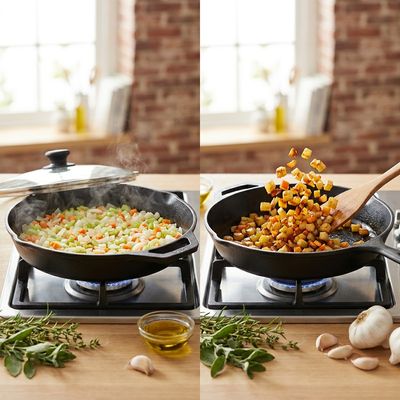
Why You Should Be Sweating Your Aromatics Instead of Sauteing
Sweating aromatics is a fundamental culinary technique that gently coaxes out flavor and moisture without the intensity of browning. By mastering this low-heat method, you create a sweet, savory, and translucent foundation for your most delicate dishes.
Similar Recipes to Try
How To Make Homemade Tomato Sauce
How to Pan Sear Meat for a Perfect Crust Every Time
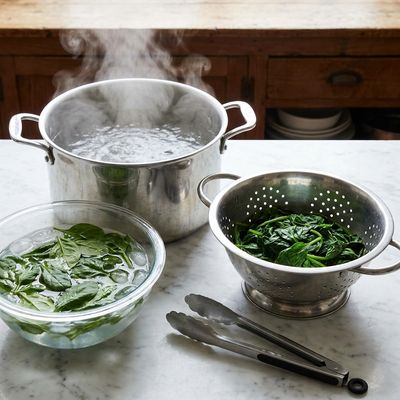
How to Blanch Spinach
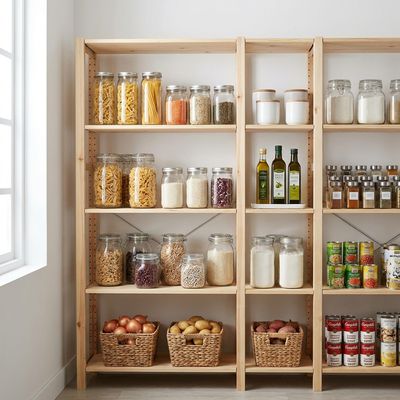
How to Stock a Basic Pantry: Must-Have Ingredients for New Cooks
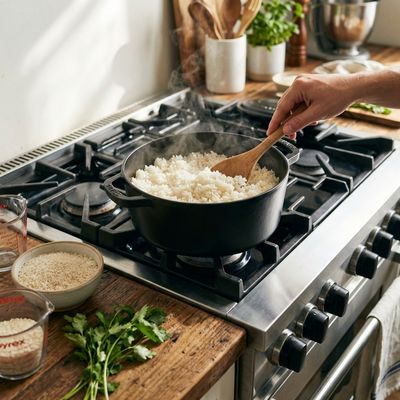
How To Cook Rice
30 min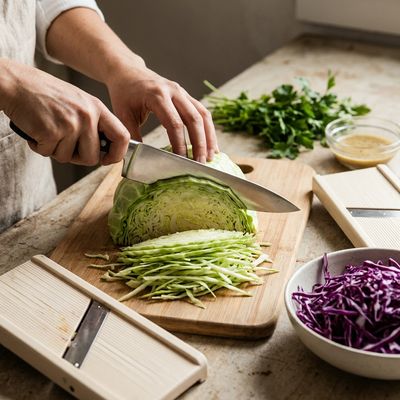
How to Shred Cabbage
How to Clean and Maintain a Wooden Cutting Board
How to Balance Flavors in Cooking: Salt, Fat, Acid, and Heat
Why Did My Cake Sink in the Middle? Troubleshooting and Fixes
Internal Meat Temperature Guide: How to Tell When Food is Done
Comments
(0)Sign in to leave a comment.
You Might Like
Ad Space Available
Be the first to leave a comment.