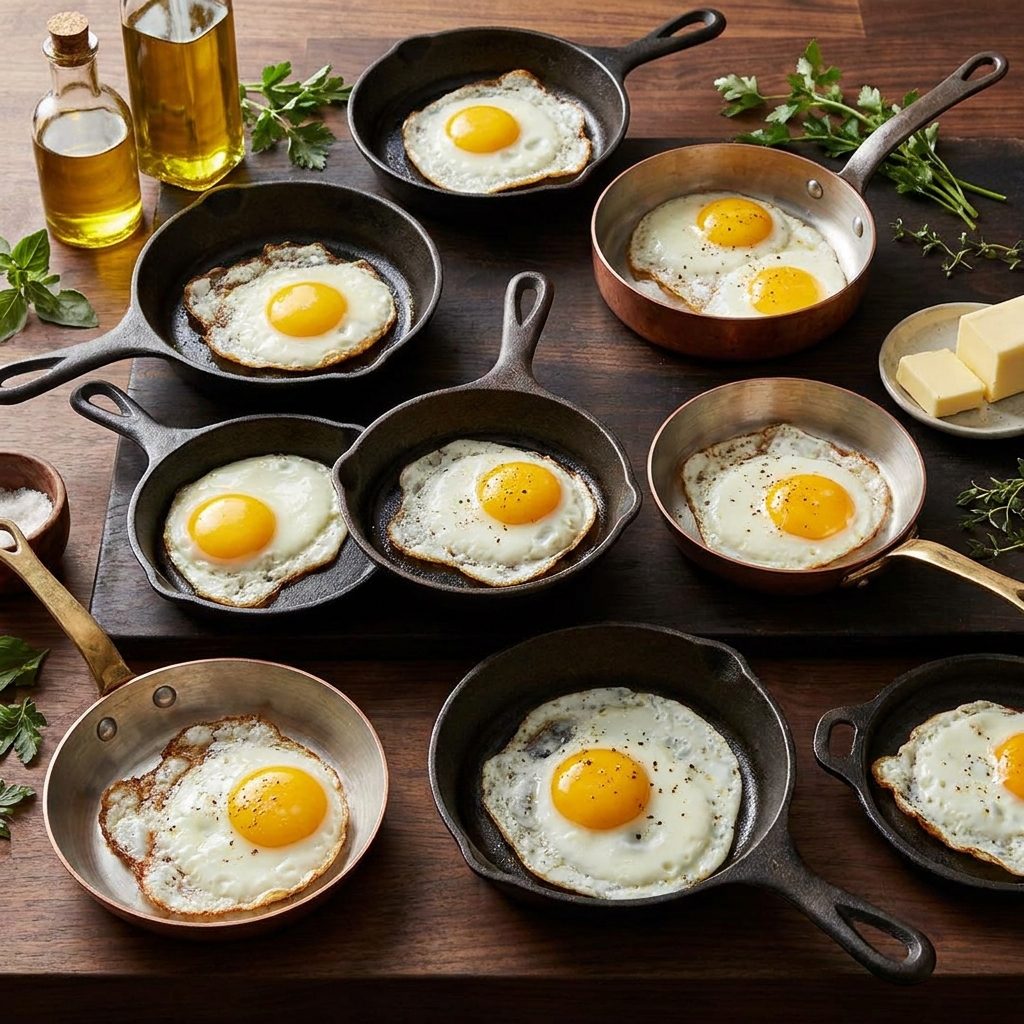
Recipe Details
"Frying an egg is a fundamental culinary skill that serves as the cornerstone of a great breakfast. This guide breaks down the essential tools, temperatures, and timing required to achieve perfect results every time you hit the pan."
Ingredients
| Qty | Item |
|---|---|
| Ingredient list coming soon. | |
How to Make How to Fry Eggs
Step 1: Selecting Your Equipment
To achieve a perfect fried egg without frustration, a non-stick skillet is your best friend. A well-seasoned cast iron pan also works, but for beginners, the slippery surface of a non-stick pan ensures the delicate whites don't tear. Pair this with a thin, flexible silicone or offset spatula to glide easily under the egg. For best results, choose a pan that is 8 to 10 inches in diameter—large enough to hold two eggs without crowding, but small enough to control the fat distribution. If using cast iron, preheat it slowly over low heat for 5 minutes before adding fat to prevent sticking. Avoid stainless steel unless you are experienced, as eggs will bond to the surface without generous fat and precise temperature control. A lid that fits your pan is also useful for sunny-side up eggs, as it traps steam to cook the top of the white without flipping.
Step 2: Preparing the Fat
Place your pan over medium-low heat and add about a tablespoon of butter or oil. Butter is preferred for flavor and acts as a temperature gauge—when the foaming subsides, the pan is ready. If you prefer crispy, lacey edges, use a high-heat oil like avocado or canola oil and slightly increase the heat to medium. For butter, use unsalted to control seasoning; if using salted, reduce added salt later. For oil, measure 1 tablespoon per egg; if cooking two eggs, use 1.5 tablespoons to ensure even coverage. Swirl the fat to coat the entire bottom of the pan. The fat should shimmer but not smoke—if it smokes, the pan is too hot, and the egg will brown too quickly. For a richer flavor, combine 1 teaspoon of butter with 2 teaspoons of oil; the oil raises the smoke point while the butter adds taste. If the butter browns before you add the egg, wipe the pan clean and start over with lower heat.
Step 3: The Perfect Crack
Crack your egg on a flat surface rather than the edge of the bowl to prevent shell fragments from entering the white. For the cleanest presentation, crack the egg into a small ramekin first. This allows you to check for shells and ensures the yolk is intact before gently sliding it into the center of the warm fat. To crack, tap the egg sharply against the countertop to create a single clean fracture, then use your thumbs to open the shell over the ramekin. If you get a shell fragment, use a larger piece of shell to scoop it out, as it attracts the fragment. If the yolk breaks, reserve the egg for scrambling or another use, as a broken yolk will leak into the white and create a messy appearance. For a perfectly centered egg, tilt the ramekin close to the pan's surface and pour slowly. If cooking multiple eggs, crack each into a separate ramekin to avoid cross-contamination of shells.
Step 4: Managing the Heat
Cook the egg undisturbed until the whites are set and opaque. For sunny-side up eggs, this takes about 2 to 3 minutes. If the fat begins to brown too quickly or the egg edges look jagged and burnt, reduce the heat immediately. Low and slow is the secret to a tender, custard-like texture. For a fully set white without flipping, add 1 teaspoon of water to the pan and cover with a lid for the last 30 seconds; the steam will cook the top of the white while keeping the yolk runny. If the white spreads too thin and becomes lacy, your heat is too high—reduce it to medium-low next time. The white should be firm but not browned; if it browns, the yolk may still be runny, but the texture suffers. For a runny yolk, cook until the white is just set, about 2 minutes on medium-low. For a firmer yolk, cook 3 to 4 minutes, but watch for the white to start browning at the edges. If the white is still translucent after 3 minutes, increase heat slightly and cover for 1 minute.
Step 5: Executing the Flip (Optional)
If you prefer 'over' eggs, wait until the whites are fully set. Carefully slide your spatula under the yolk and flip the egg with a gentle flick of the wrist. For Over-Easy, cook for 30 seconds more; for Over-Medium, 1 minute; and for Over-Hard, cook for 2 minutes until the yolk is completely firm. To flip, use a thin spatula and slide it completely under the egg, ensuring the yolk is centered. Lift the pan slightly and tilt it away from you, then flip the egg with a quick, smooth motion. If the yolk breaks, you flipped too aggressively or the white was not fully set. For over-easy, the yolk should be warm and runny; for over-medium, it should be thick but not solid; for over-hard, press gently on the yolk with the spatula to check firmness. If the egg sticks during flipping, loosen it with the spatula and add a tiny bit more fat to the pan. After flipping, cook for the specified time, then slide onto a plate. For a clean finish, blot excess fat with a paper towel before serving.
Tips for Best Results
-
·
<html><ul><li>Use the freshest eggs possible; fresh whites hold their shape better and don't spread as much in the pan.</li><li>Bring eggs to room temperature before cooking to ensure the white and yolk cook at a more even rate.</li><li>Cover the pan with a lid for 30 seconds if you want a sunny-side up egg with a slightly set top without flipping.</li><li>Season with salt and pepper at the very end to prevent the salt from drawing out moisture and creating rubbery spots.</li></ul></html>
Frequently Asked Questions
Why do my fried eggs always stick to the pan?
What is the difference between over-easy and over-medium?
Can I fry eggs in olive oil?
How do I prevent the yolk from breaking?
What to Cook Next
Next Recipe
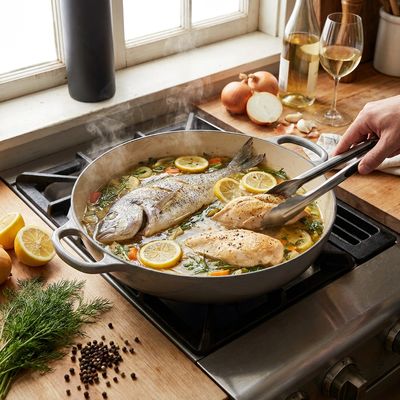
The Secret to Poaching Fish and Poultry in Flavorful Liquids
Poaching is a gentle cooking technique that relies on low heat and aromatic liquids to produce incredibly tender proteins. This guide reveals the secrets to mastering 'the shiver' for restaurant-quality fish and poultry at home.
Similar Recipes to Try
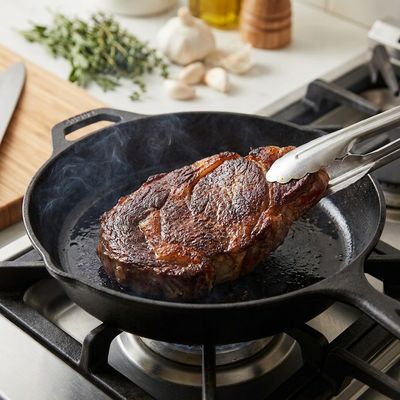
How to Pan Sear Meat for a Perfect Crust Every Time
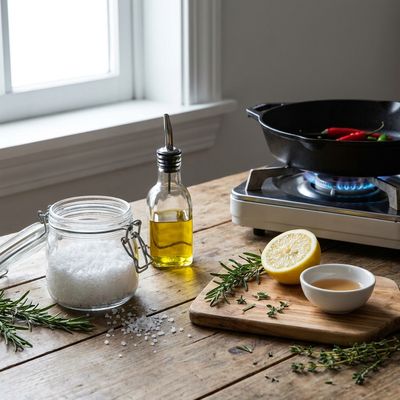
How to Balance Flavors in Cooking: Salt, Fat, Acid, and Heat
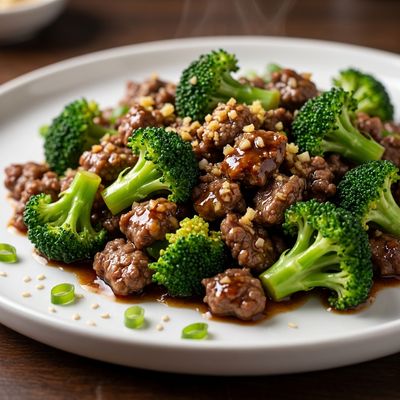
Ground Beef and Broccoli Stir-Fry
25 min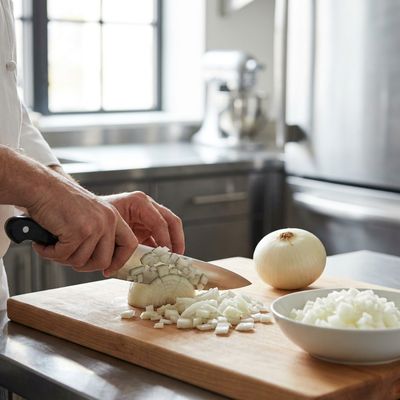
How to Dice Onions
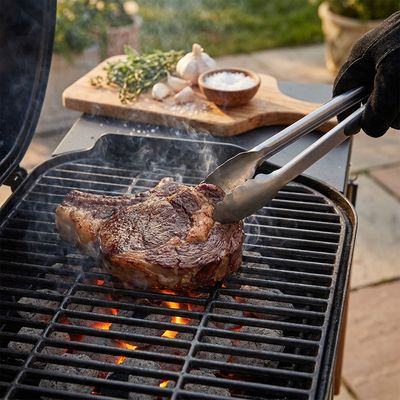
How To Grill Steak
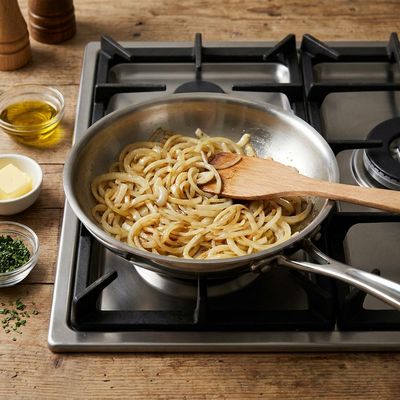
How to Saute Onions
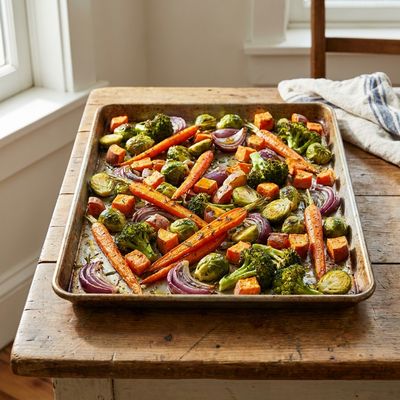
How to Roast Any Vegetable: Temperature, Oil, and Timing
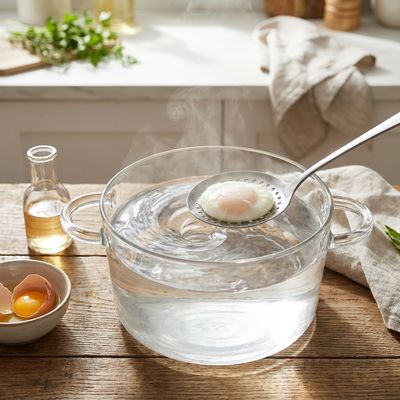
How To Poach Eggs
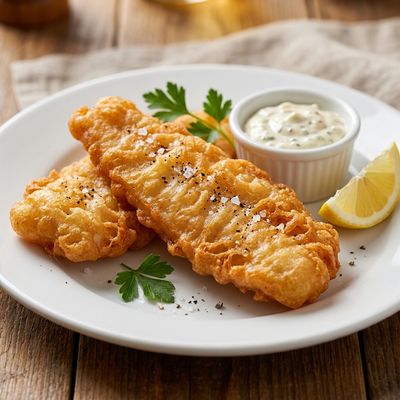
Friday Fish Fry with Beer Battered Haddock
45 min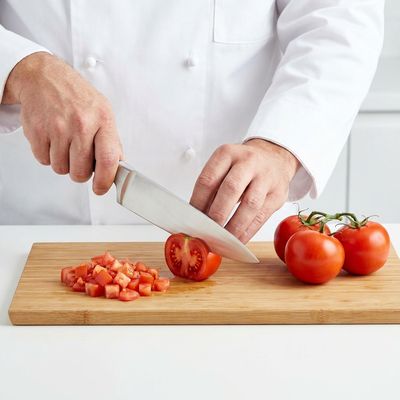
How to Chop Tomatoes
Comments
(0)Sign in to leave a comment.
You Might Like
Ad Space Available
Be the first to leave a comment.