Recipe Details
"Grating ginger is a fundamental skill that unlocks intense flavor and aroma in both sweet and savory dishes. This guide covers the best tools and methods to achieve the perfect texture while avoiding tough, woody fibers."
Ingredients
| Qty | Item |
|---|---|
| Ingredient list coming soon. | |
How to Make How to Grate Ginger
Step 1: Select and Prepare Your Ginger
Choose ginger roots that feel heavy for their size with smooth, taut skin. A fresh root should snap when bent; if it bends without breaking or feels spongy, it is past its prime. Before grating, wash the root thoroughly under cool running water, scrubbing with a vegetable brush to remove any dirt. If the skin is thick and papery, you should peel it. The best tool for this is a simple metal spoon; use the edge to scrape away the skin, which follows the contours of the root and minimizes the amount of ginger flesh you waste. For a 2-inch piece of ginger, expect to lose about 1 teaspoon of flesh if you use a peeler instead. If you prefer not to peel at all, choose young ginger (available in spring), which has thin, translucent skin that is tender enough to eat.
Step 2: Choose Your Grating Tool
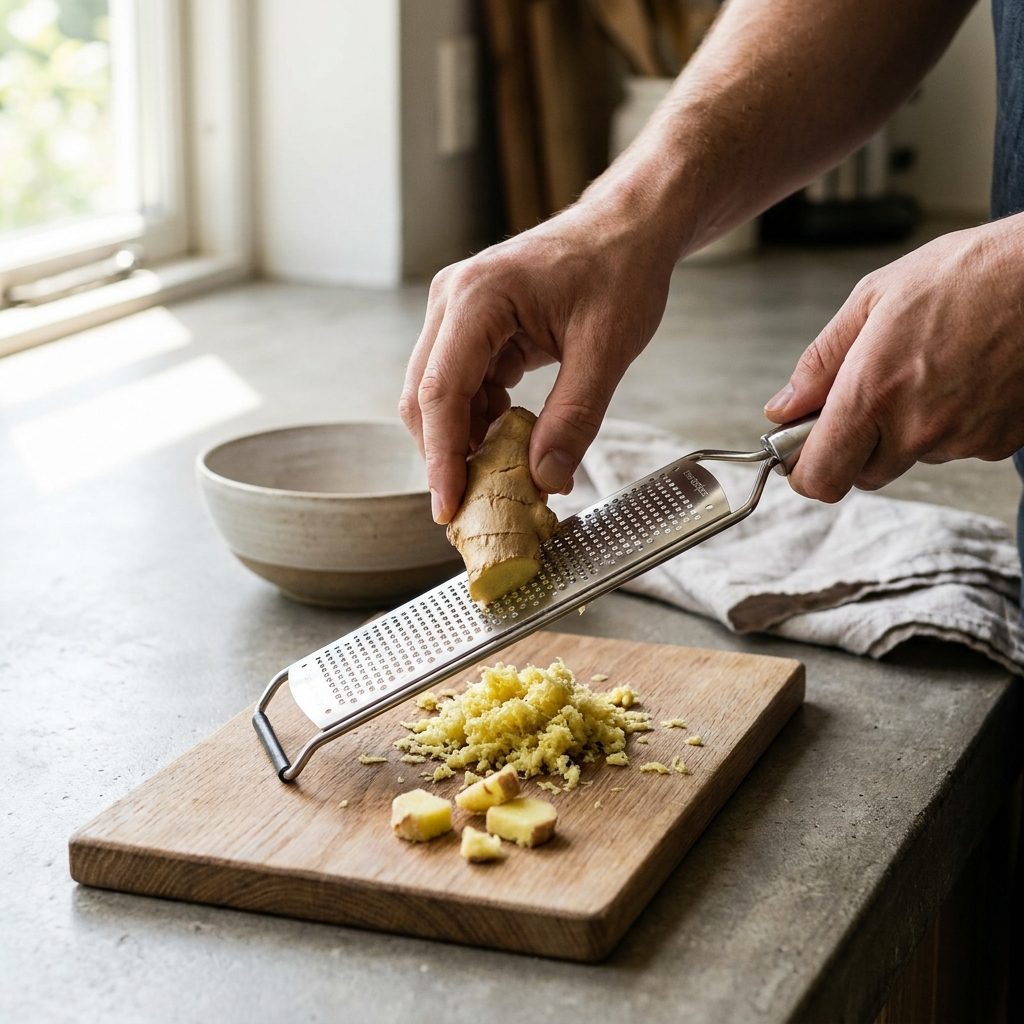
The tool you choose dictates the texture of the ginger. A Microplane or fine rasp grater produces a smooth, wet pulp ideal for dressings and sauces; the pulp will be almost a paste, with 1 tablespoon of grated ginger yielding about 2 teaspoons of liquid. A ceramic ginger grater (or oroshigane) features small raised teeth that catch the fibers while letting the juice and pulp pool; this tool excels at producing a coarse, juicy grate with minimal stringiness. A standard box grater's finest holes can also work, though they are often less sharp and may result in more stringy fibers; if using this, grate at a 30-degree angle to the holes to shear the fibers more cleanly. For a very fine texture, a rasp-style grater with a 0.5 mm hole spacing is ideal; for a chunkier texture, use a grater with 2 mm holes. Avoid using a knife to mince ginger for recipes that call for grated ginger, as the texture and release of juices will be different.
Step 3: The Freezing Technique (Optional)
If you find fresh ginger too slippery or soft to grate easily, place the unpeeled root in a freezer bag and freeze it solid for at least 2 hours, or up to 3 months. Grating frozen ginger is much easier because the fibers become brittle; the frozen root will produce a snow-like fluff that thaws instantly upon contact with warm food. As a bonus, you don't even need to peel frozen ginger; the skin is so fine that it simply disappears into the grated mass. However, frozen ginger releases more water when thawed, so if your recipe is sensitive to moisture (like a dry rub or shortbread), thaw the grated ginger in a sieve for 5 minutes and discard the excess liquid. If you forget to freeze it, try chilling the peeled root in the refrigerator for 30 minutes; this firms it up without freezing the water content.
Step 4: The Grating Motion
Hold your grater at a 45-degree angle over a bowl. Grate the ginger across the grain of the fibers (perpendicular to the length of the root) to ensure the fibers are cut short rather than pulled out. Use firm, consistent pressure, applying about 2-3 pounds of force—enough to create a steady stream of pulp but not so much that you crush the root. If using a Microplane, you will see the pulp accumulate on the back of the blade; use your finger or a spatula to scrape this into your bowl every 3-4 strokes to prevent clogging. For a box grater, grate in a downward, diagonal motion, rotating the ginger 90 degrees every few strokes to keep the fibers short. The sound should be a steady, fine rasping; if it becomes a tearing sound, you are grating with the grain and will get long strings. Stop when you have about 1 inch of ginger left—this is the fibrous core.
Step 5: Managing the Fibers
As you grate, you will eventually reach the core where the fibers are most dense. You will feel increased resistance and see long, stringy strands rather than fine pulp. If the fibers start to clog the grater, stop and discard them or save them for steeping in tea—they can be simmered in water for 10 minutes to make a fragrant infusion. Do not force the woody core through the grater, as this will result in unpleasant, stringy bits in your final dish. Instead, use a chef's knife to slice the remaining core into thin rounds and add them to soups or braises where they can be strained out later. If you accidentally get fibers in your grated ginger, pick them out with tweezers or use a fine-mesh sieve to separate them from the pulp; press the pulp through with a spatula, leaving the fibers behind.
Tips for Best Results
-
·
<html><ul><li><strong>The Spoon Secret:</strong> Always use a spoon to peel ginger. It is safer than a peeler and navigates the bumps and 'knuckles' of the root perfectly.</li><li><strong>Grate Frozen:</strong> Keeping ginger in the freezer ensures you always have fresh ginger on hand and makes it significantly easier to grate into a fine snow.</li><li><strong>Save the Juice:</strong> When grating, a lot of juice is released. Make sure to grate over a bowl or use a grater with a catch-tray to preserve this flavorful liquid.</li><li><strong>Direction Matters:</strong> Grating against the grain of the long internal fibers prevents long strings from ending up in your food.</li></ul></html>
Frequently Asked Questions
Do I have to peel ginger before grating?
How do I store leftover grated ginger?
What can I use if I don't have a ginger grater?
Is ginger juice the same as grated ginger?
What to Cook Next
Next Recipe
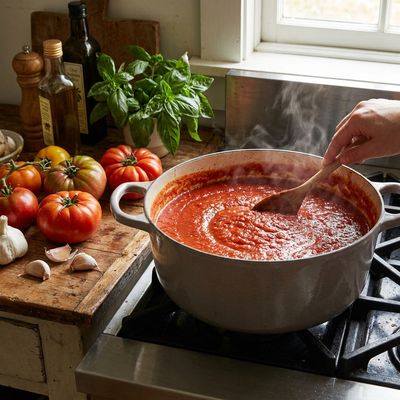
How To Make Homemade Tomato Sauce
Mastering the art of homemade tomato sauce is a foundational skill for any home cook. This guide breaks down the process from selecting the right tomatoes to achieving the perfect balance of acidity and sweetness through proper simmering techniques.
Similar Recipes to Try
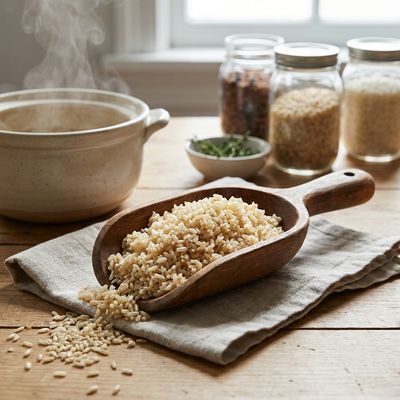
How To Make Brown Rice

How to Crush Tomatoes

How to Saute Shallots
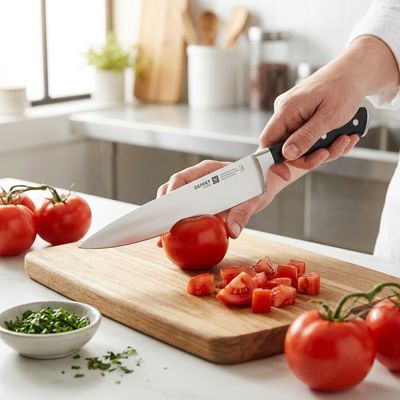
How to Dice Tomatoes

How to Fry Eggs
Healthy Butter Substitutes: Best Swaps for Baking and Cooking
How to Grate Parmesan Cheese

A Beginner's Guide to Cooking Oils and Smoke Points

Ginger and Lime Mocktail Punch
25 min
Maple Syrup: Uses, Substitutes, and How to Store It
Comments
(0)Sign in to leave a comment.
You Might Like

Ad Space Available
Be the first to leave a comment.